
Description
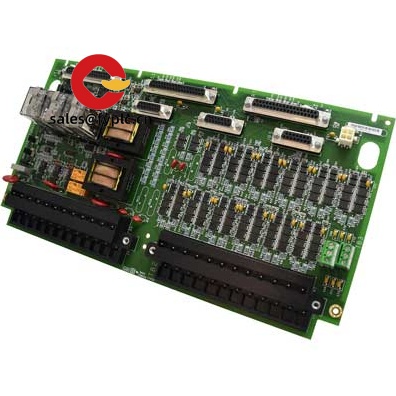
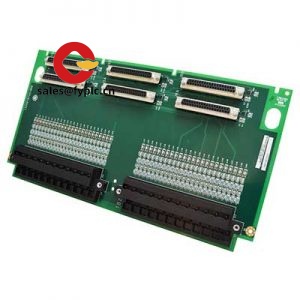
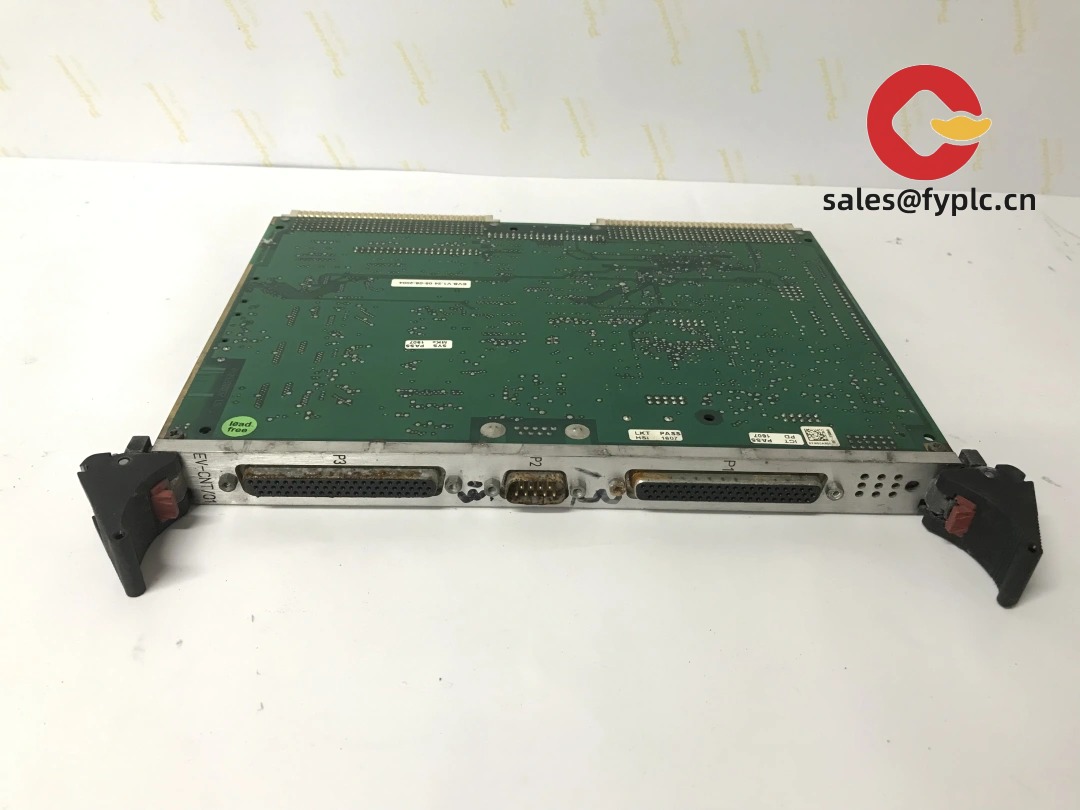
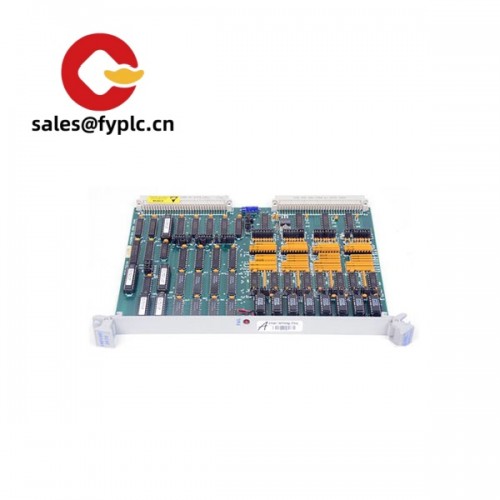
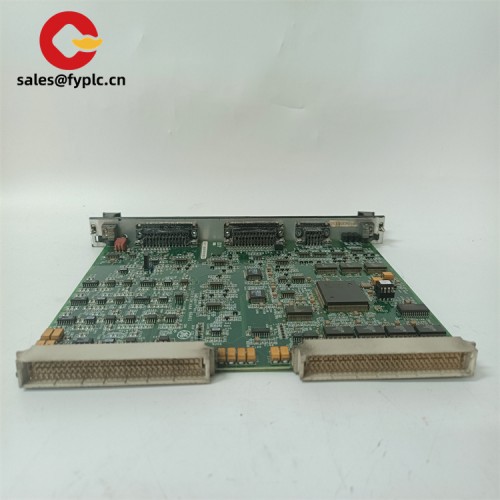
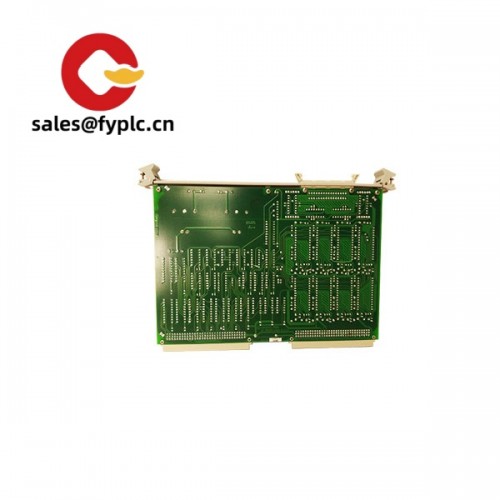
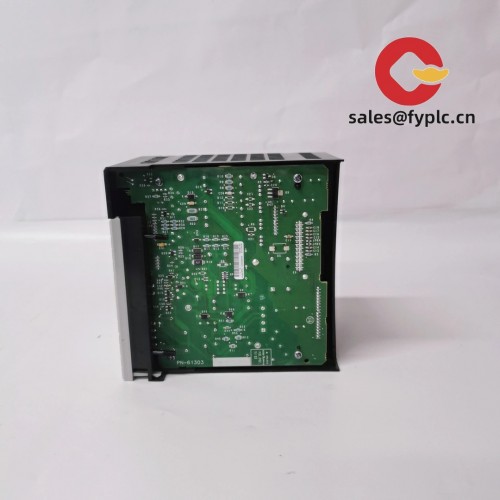
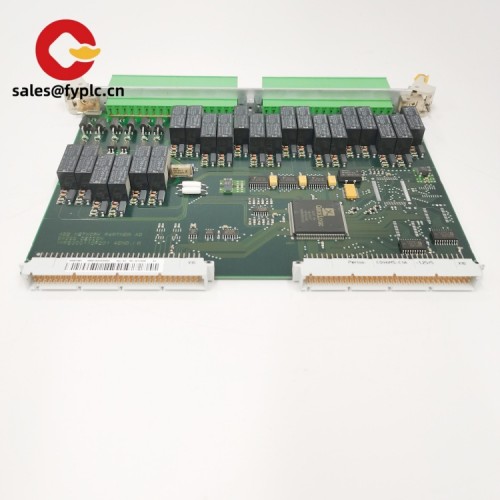
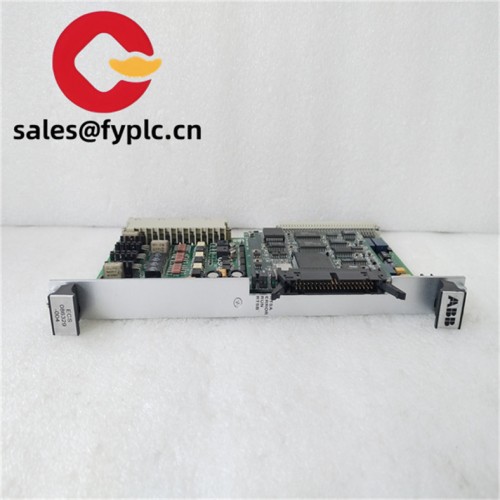
GE IS200TBCIH2CAA – Contact Input Terminal Board for Mark VI Discrete Signals
The GE IS200TBCIH2CAA is, in many cases, the go-to contact input terminal board used in Mark VI control systems to bring field contacts into the rack cleanly and reliably. From my experience, it handles typical plant contact voltages (24/48/125 VDC wetting) with robust isolation and noise suppression, so you can wire up limit switches, pressure switches, relay contacts, or permissives without adding extra interface hardware. You might notice that it’s built to live inside a control cabinet, with straightforward terminal access and ribbon-cable connectors that tie back to the Mark VI I/O.
Our Order Process & Guarantees
- Warranty period: 365 days
- Delivery time: 1 week for in-stock; no more than one month at the latest
- Payment: 50% advance payment, full payment for delivery
- Express delivery: FedEx, UPS, DHL
Key Features
- Mark VI compatibility – Designed for GE Speedtronic Mark VI systems, typically used for discrete (dry) contacts in turbine and BOP applications.
- Multi-voltage wetting – Supports common plant DC wetting levels (24/48/125 VDC) depending on your supply and jumper configuration.
- Channel isolation – Opto-isolated input architecture helps guard the controller side from field noise and transients.
- Noise suppression & filtering – Input conditioning reduces chatter and electrical noise, especially useful on long cable runs.
- Field-friendly wiring – Front terminal access with clearly labeled points speeds up commissioning and troubleshooting.
- Serviceable design – Connects to the Mark VI via ribbon connectors; swapping the board doesn’t disturb the rest of the rack in most cases.
Technical Specifications
| Brand / Model | GE IS200TBCIH2CAA |
| Product Type | Contact Input Terminal Board (Mark VI) |
| System Compatibility | GE Speedtronic Mark VI control systems |
| Signal Input Types | Discrete contact inputs (dry contact), wetting via external DC supply |
| Typical Wetting Voltage | 24 VDC / 48 VDC / 125 VDC (selection depends on site design and board settings) |
| Isolation | Opto-isolated inputs to the controller side, with noise suppression components on the field side |
| Communication Interfaces | Internal ribbon connectors to Mark VI I/O (no external comm ports on the terminal board) |
| Power Requirements | No separate board power; uses field wetting supply provided by the system |
| Installation Method | Panel/cabinet mounting with screw hardware; field wiring via front terminals; ribbon cables to I/O |
| Operating Temperature | Typically 0 to +60°C (control cabinet environment) |
| HS Code | 853890 (Parts for electrical control/ distribution equipment) |
Related or Supporting Products
- GE IS200TBCAH1A – Contact Input terminal board variant; similar role with slightly different terminal layout and filtering scheme.
- GE IS200TBCHH1A – High‑density contact input board; typically used where more discrete points are required in limited space.
- GE IS200STCIH2A – Mark VIe contact input module; suitable if you’re migrating toward Mark VIe architecture.
- Ribbon cables (JR/JS/JT style for Mark VI) – Required to connect the terminal board to its associated I/O cards in the rack.
If you’re replacing an existing TBCI board, we can cross-check the exact hardware revision to match your cabinet wiring and voltage scheme. One thing I appreciate is how drop‑in the swap typically is, provided the wetting voltage and jumpers are carried over correctly.
Installation & Maintenance
- Cabinet environment – Install in a clean, dry control cabinet with adequate ventilation; avoid mounting near high‑heat sources or strong EMI.
- Wiring – Use shielded twisted pairs for long runs; land shields to the designated grounding points. Keep high‑voltage and switching cables physically separated from low‑level signal wiring.
- Wetting supply – Provide a stable 24/48/125 VDC wetting source as required; fuse each group according to site standards to simplify fault isolation.
- Jumpers/settings – Confirm input configuration (debounce/conditioning as applicable) during commissioning; record settings on the panel legend.
- Safety – De‑energize and lock out the wetting supply before touching terminals. Verify absence of voltage with a meter, not just the HMI status.
- Routine checks – Every outage or annually, re‑torque terminal screws, inspect for discoloration or loose conductors, and clean dust with dry air. Functional‑test a few contacts to verify integrity.
- Spares – Keep at least one spare TBCI on site; in many cases it reduces downtime to minutes if a point group becomes suspect.
Feedback from a recent gas‑turbine site: swapping in a TBCI board resolved intermittent alarms traced to a damaged field cable—after replacement, the input conditioning handled the line noise much better, and nuisance trips stopped. Small things, but they add up.
Quality & Certifications
- Designed and manufactured to GE’s industrial quality standards; typically CE compliant for EMC and safety.
- UL recognition is common for Mark VI assemblies used in North American installations.
- Manufacturing under ISO 9001 quality systems.
- RoHS compliance may vary by build year; RoHS‑compliant supply can be arranged when specified.
- Warranty: 365 days replacement/repair support as stated above.

Reviews
There are no reviews yet.