
Description
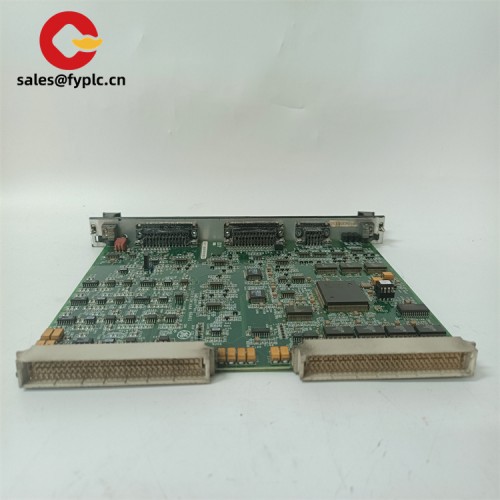
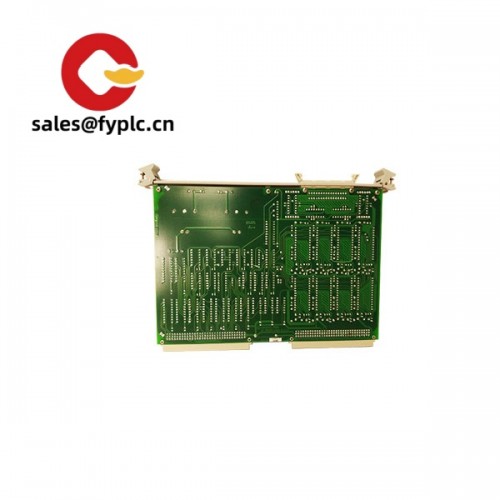
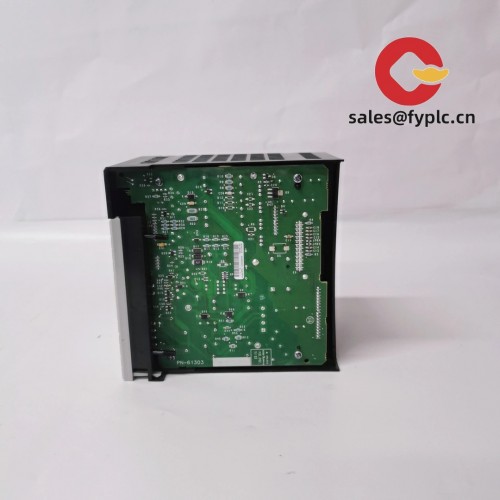
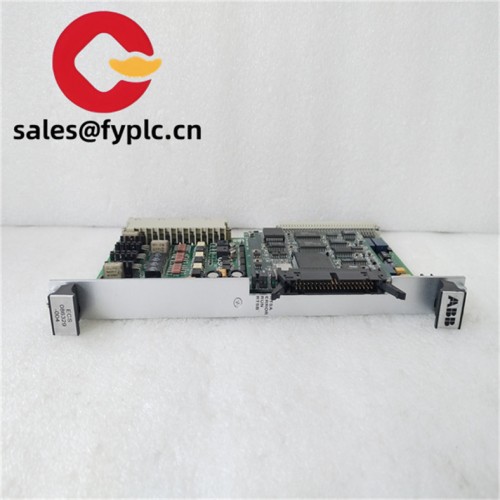
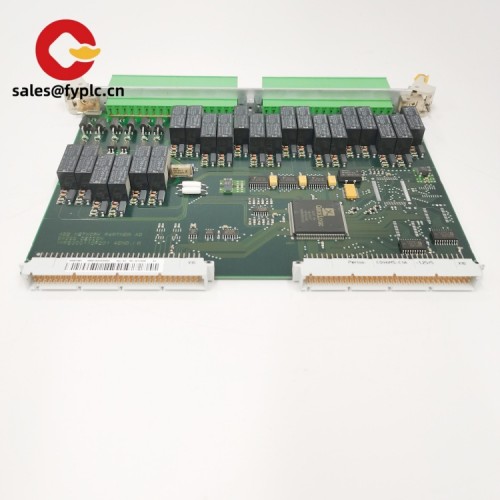
GE IS200VAICH1C – Analog Input Interface Board for Mark VI Industrial Control
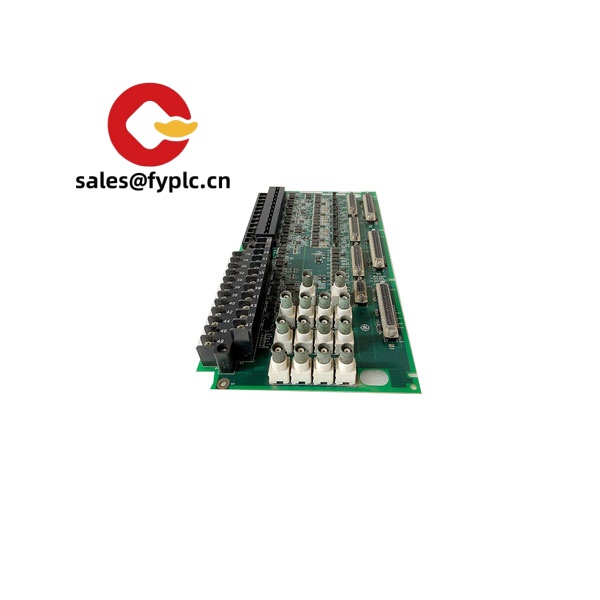
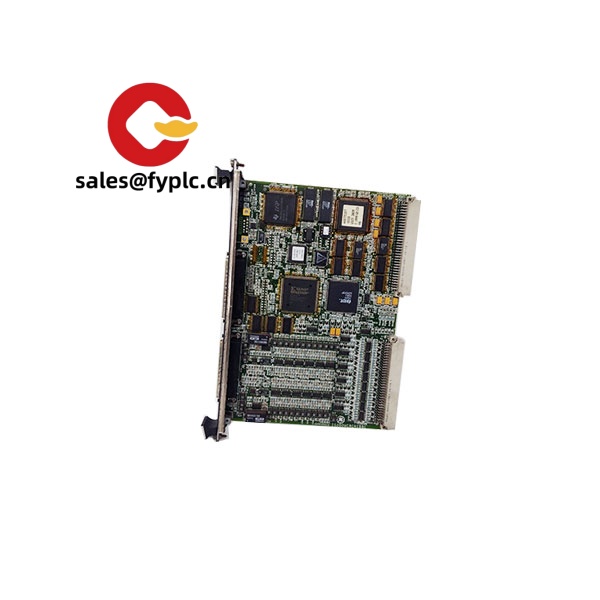
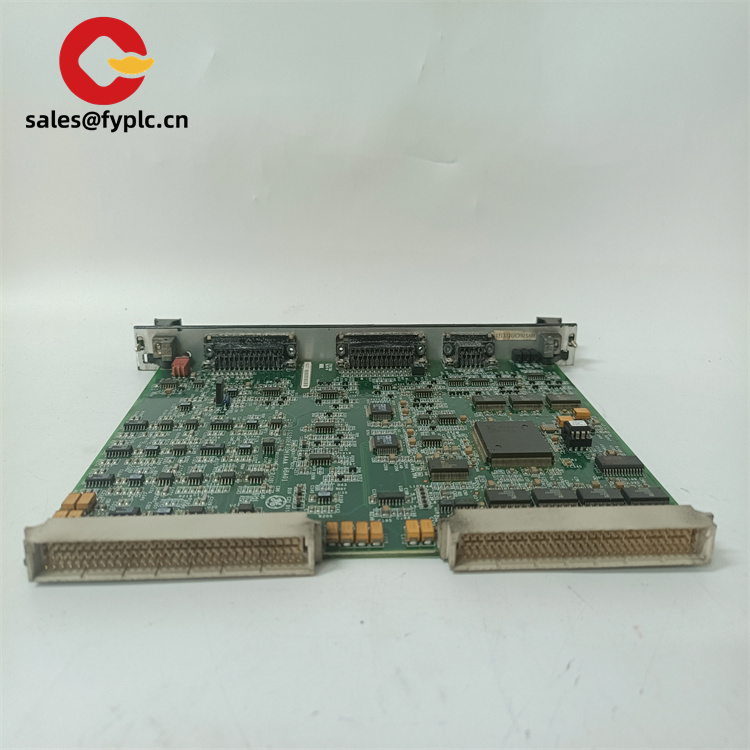
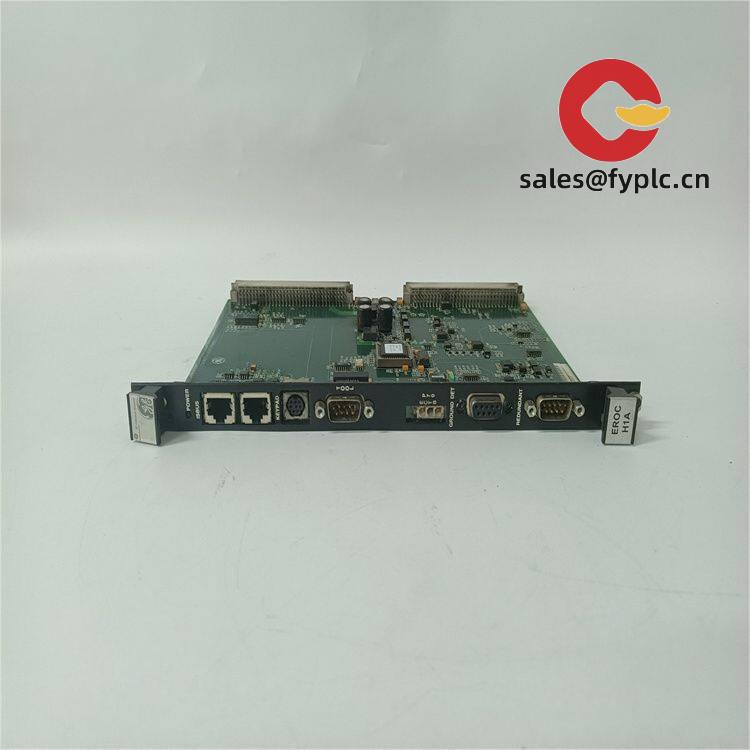
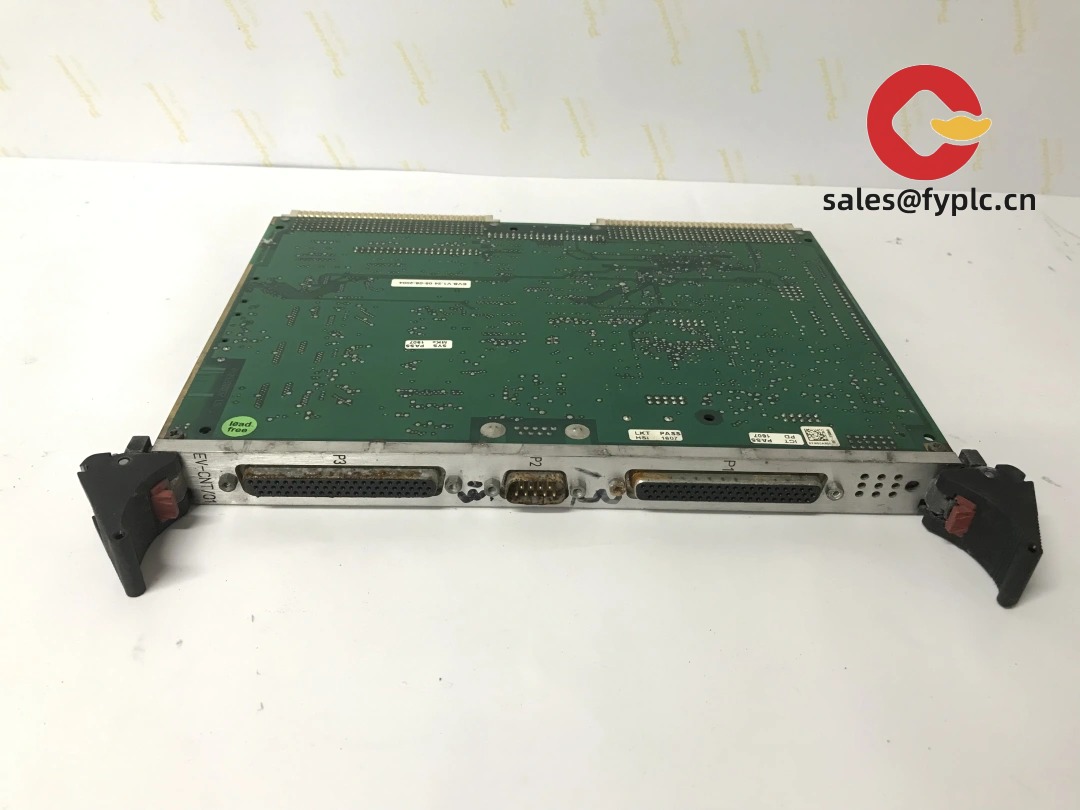
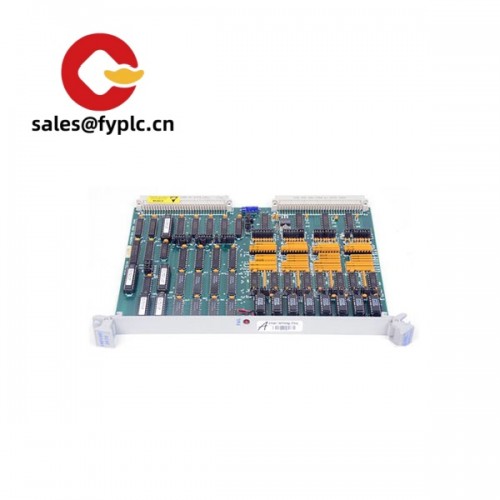
The GE IS200VAICH1C is an analog input interface board used in Mark VI control systems, typically to condition and digitize process signals coming from field instrumentation. From my experience, customers use the VAIC when they need reliable, low-noise analog acquisition for critical loops—things like 4–20 mA transmitters, voltage signals from sensors, or conditioned temperature inputs routed through a terminal board. It’s designed as a plug‑in module that sits in the Mark VI rack and connects to terminal boards via ribbon cables, making replacements straightforward and usually fast during a maintenance window.
Company’s Order Placement Process and Guarantees
- Warranty: 365 days coverage from delivery.
- Lead time: 1 week if in stock; no more than one month at the latest.
- Payment: 50% advance payment; full balance before delivery.
- Express delivery: FedEx, UPS, or DHL—whichever you prefer.
Key Features
- Mark VI rack integration – Plug-in VME-style board designed for GE turbine and process control platforms.
- Analog signal conditioning – Typically handles common plant signals such as 4–20 mA and voltage ranges via companion terminal boards.
- Stable measurement performance – Filtering and shielding on the card/backplane help reduce noise in electrically harsh environments.
- Ribbon connections to terminal boards – JR/JS/JT style headers (common on Mark VI I/O) simplify field wiring through the terminal board.
- H1C hardware revision – A later hardware cut that, in many cases, maintains interchangeability within the H1 family.
- Service-friendly – From what we’ve seen on site, swap time is short, and the board is typically recognized by the controller without extra steps.
Technical Specifications
| Brand / Model | GE Industrial Systems – IS200VAICH1C |
| HS Code | 8538.90 (Parts for industrial control apparatus) |
| System Compatibility | GE Mark VI control systems (VME-style I/O rack) |
| Power Requirements | 5 VDC from backplane; typical consumption < 8 W |
| Dimensions & Weight | Approx. 6U VME form factor (~233 × 160 mm); around 0.5 kg |
| Operating Temperature | Typically 0 to +60 °C (control cabinet environment) |
| Signal Input/Output Types | Analog inputs via terminal boards; commonly 4–20 mA and voltage ranges (e.g., 0–10 V, ±5 V), depending on the terminal board used |
| Communication Interfaces | Mark VI/VME backplane; ribbon-style headers (JR/JS/JT) to terminal boards |
| Installation Method | Plug-in module for rack slot; cable to companion terminal board; ESD-safe handling |
| Hardware Revision | H1C (later cut in the H1 family; compatibility typically within H1 variants) |
Related or Supporting Products
- IS200VAICH1B / IS200VAICH1D – Similar VAIC board revisions; differences are generally minor hardware updates or component changes.
- Mark VI terminal boards (TBAI series) – Companion terminal boards that provide field wiring and, in many cases, the exact signal range configuration for the VAIC.
- Rack power/backplane components (Mark VI) – Ensure stable 5 VDC backplane power for consistent analog performance.
You might notice that the exact channel count and ranges depend on the terminal board selection. If you share your current terminal board part numbers, we can confirm drop‑in compatibility and signal coverage before shipping.
Installation & Maintenance
- Cabinet & environment: Install in a clean, dry control cabinet meeting industrial standards. Provide ventilation to keep the rack within the 0–60 °C range.
- Wiring: Route field wires to the terminal board; use the supplied ribbon cables to connect terminal board headers (JR/JS/JT) to the VAIC. Keep analog lines separated from high-voltage cables where possible.
- ESD & safety: Power down the rack, discharge static, and follow lockout/tagout procedures before handling the board.
- Routine checks: Periodically verify connector tightness and inspect for oxidation on cable headers. Light dusting with dry air helps, but avoid solvents.
- Calibration & firmware: Analog calibration is typically managed at the system level; apply controller firmware/config updates per your Mark VI maintenance plan.
A maintenance lead at a combined‑cycle plant told us they swapped a VAIC during a short outage and were back online in under 30 minutes—most of the time was just careful cable labeling and ESD handling. That seems to be typical when the rack and terminal boards are in good shape.
Quality & Certifications
- Certifications: CE and UL practices are generally met for Mark VI hardware; RoHS compliance can vary by vintage and revision.
- Manufacturer warranty: 12 months (365 days) from delivery.
- Testing: Boards are typically function-checked prior to dispatch to reduce on-site commissioning time.

Reviews
There are no reviews yet.