

Description
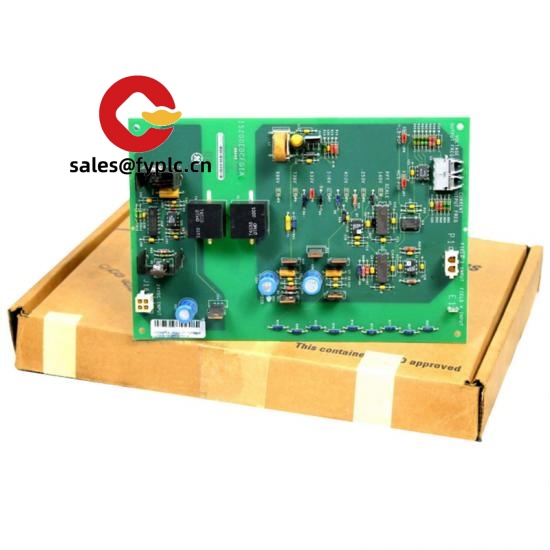
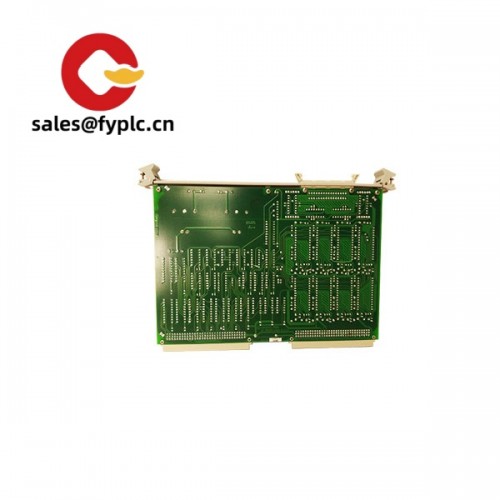
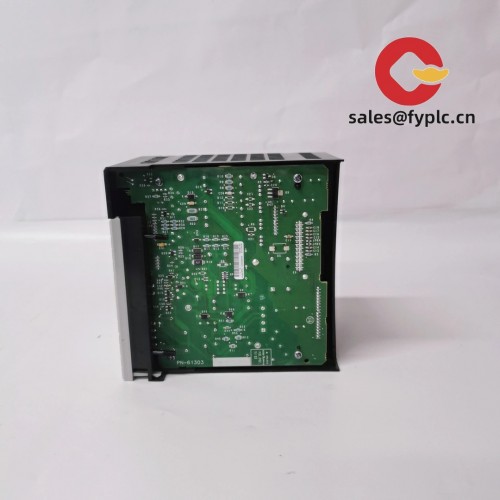
GE IS210JPDHG1A – Power Distribution Board for Mark VI/Mark VIe Control Cabinets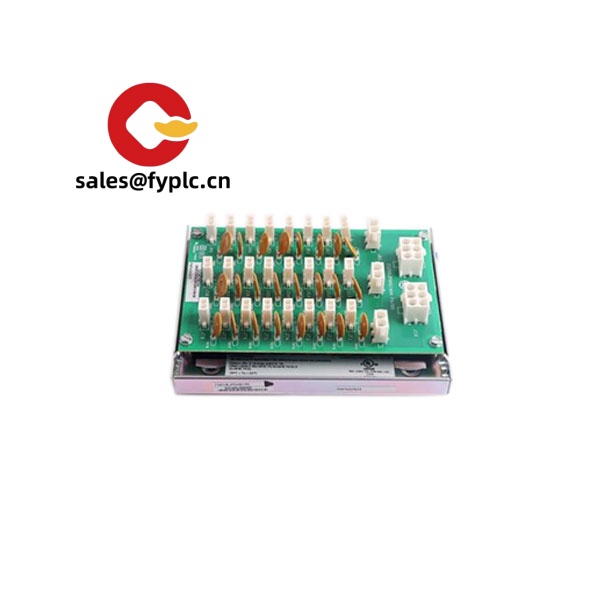
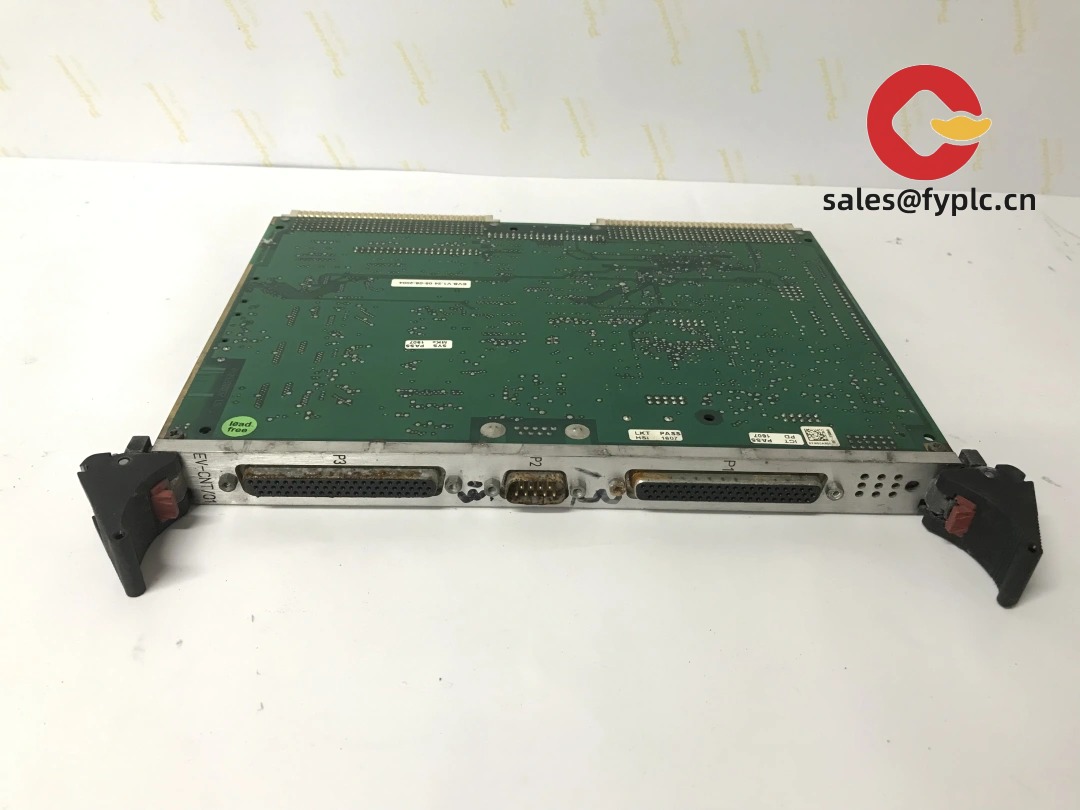
The GE IS210JPDHG1A is a JP(D) family power distribution board used in many GE Mark VI and Mark VIe turbine control panels. From my experience, it’s the piece that quietly keeps the rest of the cabinet stable—cleanly routing DC power from the system supply to I/O terminal boards and packs, typically with fused branch outputs. If you’re maintaining a fleet or planning a swap during an outage, this model seems to be a reliable, drop‑in path to restore panel power distribution without reworking harnesses.
Typical use cases include replacing a failed distribution card, standardizing mixed cabinets to a common revision, or expanding a section of the rack where additional fused feeds are needed. One thing I appreciate is how these JP(D) boards are laid out—wiring stays tidy and labeling is straightforward, which saves time during troubleshooting and post‑maintenance checks.
Order Placement Process and Guarantees
- Warranty: 365 days
- Delivery: 1 week if in stock; no more than one month at the latest
- Payment: 50% advance payment; full payment prior to delivery
- Express options: FedEx, UPS, DHL
Key Features
- Purpose‑built for Mark VI/Mark VIe – Designed to distribute DC power within GE turbine control cabinets, minimizing wiring changes during replacement.
- Fused branch outputs – Provides protected feeds to downstream I/O terminal boards and packs, which typically reduces nuisance trips and localizes faults.
- High‑density layout – Compact footprint with organized connectors, so panel space and airflow are maintained.
- Passive architecture – No firmware to manage; in many cases this simplifies maintenance and spares strategy.
- Service‑friendly – Clearly marked terminals and fuses help technicians verify polarity and circuit allocation quickly.
- Ruggedized board construction – Built for continuous industrial operation inside a control cabinet environment.
Technical Specifications
| Brand / Model | GE IS210JPDHG1A (JP(D) power distribution board) |
| HS Code | 8538.90 (Parts suitable for use with electrical control/distribution equipment) |
| Power Distribution | DC bus distribution for control cabinets; commonly used with 24 VDC and/or 125 VDC system buses depending on panel design |
| Protection | Fused branch outputs to downstream loads (field‑replaceable) |
| Signal I/O Types | DC power inputs and multiple fused DC outputs; screw/plug terminal and header connections (model dependent) |
| Communication Interfaces | None (passive distribution board; no data interfaces) |
| Installation Method | Mounts inside Mark VI/Mark VIe control cabinet; wiring via labeled terminals/headers |
Related or Supporting Products
- GE IS200JPDBG1A – Power Distribution Board (earlier JPDB variant). Similar function; connector and fuse arrangement may differ.
- GE IS200JPDFG1A – Power distribution variant with differing fuse/branch layout used in some Mark VI panels.
- GE IS200STCIH2A – Discrete input terminal board often powered via distributed cabinet feeds; pairs well in retrofits.
- GE IS200STAIH2A – Analog input terminal board; uses clean, fused cabinet power distributed by JP(D) boards.
If you’re comparing IS210JPDHG1A to IS200JPDB/JPDF families, you might notice minor mechanical and connector changes between revisions. In many cases they are functionally equivalent within the same cabinet build, but it’s wise to confirm against your panel BOM and drawing pack.
Installation & Maintenance
- Cabinet environment – Install in a clean, ventilated 19‑inch control cabinet. Maintain airflow around fuses and wiring; avoid routing high‑heat sources immediately adjacent.
- Wiring – Verify DC polarity and bus rating before landing conductors. Use appropriately rated ferrules or lugs. Torque terminal screws per panel standard.
- Protection checks – Match fuse ratings to the cabinet drawings. Keep spare fuses on hand; replace only with the specified type.
- ESD & safety – Isolate cabinet power and discharge residual energy before handling. Observe ESD precautions when touching the board.
- Routine maintenance – Quarterly visual inspection typically works well: check for discoloration, loose terminations, and debris. Lightly clean dust; re‑torque terminals if required by site procedures.
- Firmware – Not applicable for this passive board, which simplifies lifecycle management.
Quality & Certifications
- Manufacturer quality systems typically aligned with ISO standards for industrial controls
- CE and UL practices commonly observed for cabinet components
- RoHS‑type materials management on modern production runs
- Warranty: 365 days from delivery



Reviews
There are no reviews yet.