
Description
Schneider Electric LXM23DU04M3X – Lexium 23 Plus 0.4 kW Servo Drive for 200–240 V 3‑Phase Motion Control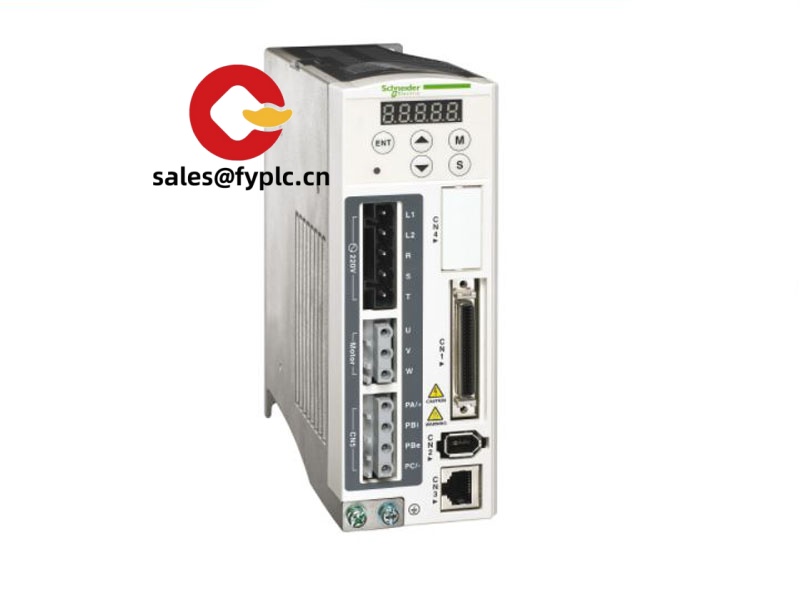
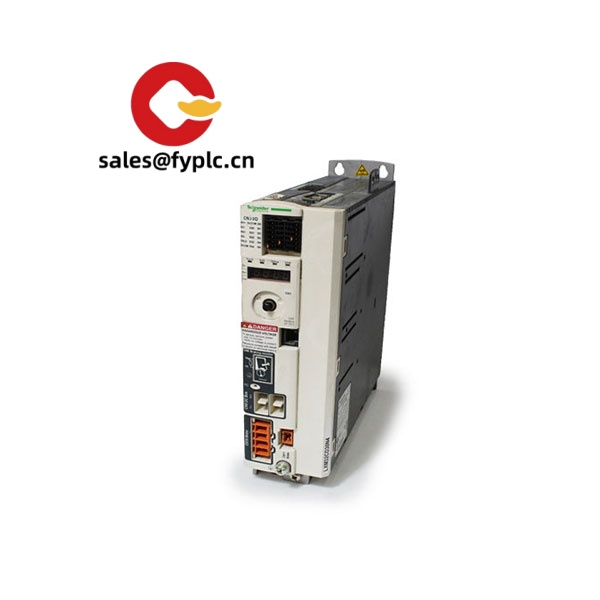
The Schneider Electric LXM23DU04M3X is a Lexium 23 Plus servo drive built for compact, precise motion on 200–240 V three‑phase systems. From my experience, this model pairs smoothly with BCH series servo motors for fast indexing, repeatable positioning, and stable speed regulation—especially on small packaging lines, pick-and-place gantries, labeling machines, and light conveyors. One thing I appreciate is how it balances straightforward commissioning with dependable control modes (position, speed, torque), so most teams can get a machine running without weeks of tuning.
Company’s Order Placement Process and Guarantees
- Warranty: 365 days
- Delivery: 1 week if in stock; no more than one month at the latest
- Payment: 50% advance payment; full payment before delivery
- Express options: FedEx, UPS, DHL
Key Features
- 0.4 kW rating – Typically selected for compact axes with modest inertia and fast start/stop cycles.
- 200–240 V AC, 3‑phase – Suits small multi‑axis machines on standard plant power in many cases.
- Flexible control modes – Position, speed, and torque control to fit different motion tasks.
- Command interfaces – Pulse/direction or CW/CCW, ±10 V analog, plus RS‑485 (Modbus RTU). CANopen is commonly used on Lexium 23 installations as well.
- Built for BCH servo motors – Optimized for Schneider Electric BCH series motors and incremental encoder feedback.
- Robust protection – Over‑voltage, over‑current, and over‑temperature protections help safeguard your line.
- Compact footprint – You might notice it fits densely packed cabinets where every millimeter counts.
- Brake resistor ready – Internal braking chopper; external resistor recommended for high decel duty.
Technical Specifications
| Brand / Model | Schneider Electric Lexium 23 Plus – LXM23DU04M3X |
| HS Code | 850440 (Static converters / servo drives) |
| Power Requirements | 3‑phase 200–240 V AC, 50/60 Hz; rated output 0.4 kW |
| Operating Temperature | Typically 0…40 °C without derating (higher ambient may require derating) |
| Signal I/O Types | Pulse+Direction or CW/CCW; ±10 V analog; multiple digital I/O; motor encoder feedback (incremental) |
| Communication Interfaces | RS‑485 (Modbus RTU); CANopen commonly supported on Lexium 23 variants |
| Installation Method | Panel/cabinet mounting, vertical orientation; IP20 open‑type device |
A maintenance lead from a food packaging site told us they swapped in the LXM23DU04M3X on a labeling axis and cut cycle jitter immediately—no recipe changes, just a tidy tuning pass and proper grounding. That seems to be the typical experience when the mechanics are in decent shape.
Related or Supporting Products
- LXM23DU07M3X – 0.75 kW variant for slightly higher inertia or torque demands.
- LXM23DU10M3X – 1.0 kW drive when the 0.4 kW margin gets tight on acceleration.
- BCH series servo motors (e.g., BCH055 / BCH080 frames) – Optimized pairing with Lexium 23 drives; incremental encoder feedback.
- Motor/feedback and power cables – VW3M/VW3E series cabling for plug‑and‑play compatibility and EMC compliance.
- External brake resistor – Recommended for frequent high‑speed stops to dissipate regen energy safely.
- EMC filters and line reactors – Often used to meet site EMC requirements and improve supply quality.
Installation & Maintenance
- Cabinet & layout – Mount vertically on a metal backplate; allow top/bottom clearance for airflow. Keep power and signal wiring separated to reduce noise.
- Power & grounding – Use 200–240 V 3‑phase supply with proper protective earth. From my experience, shield terminations and a clean PE bond make tuning faster.
- Wiring – Follow Schneider Electric torque specs for terminals; route encoder and pulse lines away from contactors and VFD outputs.
- Braking – If decel is aggressive, size an external resistor to the duty cycle and ensure it has adequate ventilation.
- Safety – Lockout/tagout before servicing. Verify motor parameters and I/O logic before enabling torque.
- Routine care – Quarterly dust cleaning, connector checks, and verifying fan operation. Firmware updates can be applied when available to improve stability.
- Tuning – Start with auto‑tuning, then refine notch filters and gains. You might notice better repeatability after tightening the mechanics first.
Quality & Certifications
- Conformity: CE; typically UL/cUL listed; RoHS compliant
- Manufacturing quality system: ISO 9001 (manufacturer)
- Warranty support: 365‑day coverage as stated above
Reviews
There are no reviews yet.