
Description
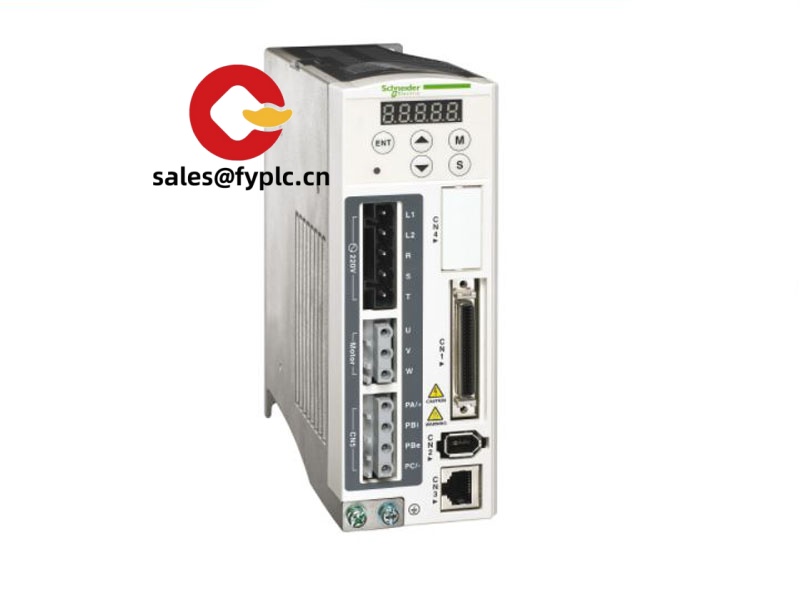
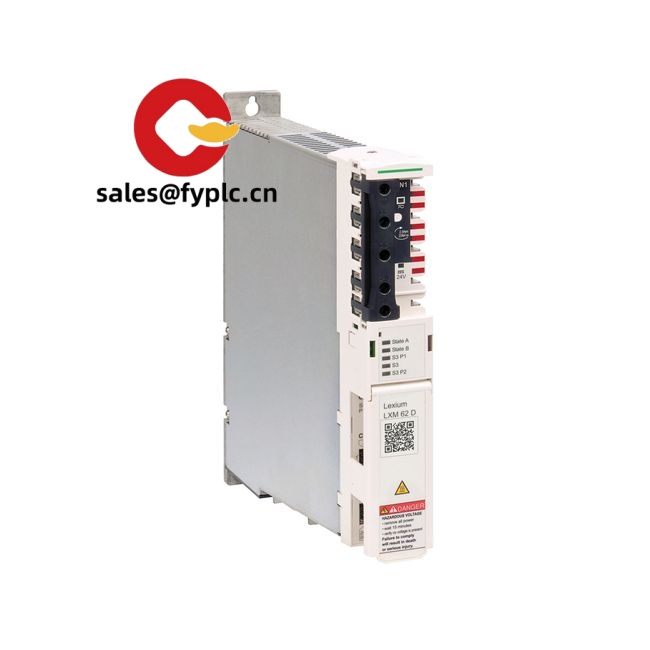
Schneider Electric LXM32CD18M2 – Compact 230 V Servo Drive for fast, precise motion on the 1.8 kW class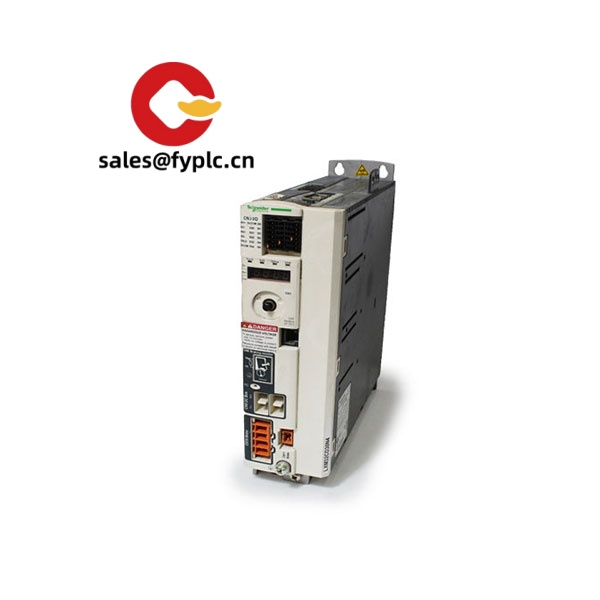
The Schneider Lexium 32C model LXM32CD18M2 is a compact, booksize AC servo drive designed for agile packaging machines, pick-and-place axes, small CNC stations, and general motion upgrades on 200–240 V systems. From my experience, this model hits a sweet spot: quick setup, stable loops, and flexible fieldbus options without taking up much panel space. You might notice that it pairs especially well with Schneider’s BCH2/BMH servo motors for smooth position, speed, and torque control.
Order Placement Process and Guarantees
- Warranty: 365 days
- Delivery time: typically 1 week if in stock; no more than one month at the latest
- Payment: 50% advance payment; full payment prior to delivery
- Express options: FedEx, UPS, DHL
We test and verify units before dispatch. Packaging is export-safe, and shipment details are shared for traceability. If you have a preferred carrier account, we can ship collect as well.
Key Features
- 230 V class, compact “booksize” footprint – Easy to fit side‑by‑side in tight panels; ideal for machine retrofits and multi‑axis lines.
- Power class around 1.8 kW – The D18 size typically covers 1.8 kW applications with ample dynamic response for fast indexing.
- Integrated safety (STO) – Dual‑channel Safe Torque Off helps meet safety requirements without external contactors in many cases.
- Flexible control modes – Position, velocity, and torque modes with auto‑tuning to shorten commissioning time.
- Easy connectivity – Native CANopen/Modbus serial, with optional fieldbus cards for EtherNet/IP & Modbus TCP, Profinet, EtherCAT, Sercos III, or Profibus DP.
- Motor feedback compatibility – Works with incremental or SinCos/Hiperface feedback when used with matching Schneider motors/cables.
- Built for machines that move fast – Smooth motion profiles, good stiffness, and reliable following behavior for feeders, winders, and assembly axes.
Technical Specifications
| Brand / Model | Schneider Electric Lexium 32C / LXM32CD18M2 |
| Drive Type | AC Servo Drive, 230 V class, compact booksize |
| HS Code | 850440 (Static converters) |
| Power Requirements | 200–240 VAC, 50/60 Hz; typically supports 1‑phase or 3‑phase in this rating |
| Power Class | Approx. 1.8 kW (D18 size), application‑dependent |
| Operating Temperature | Typically 0…40°C without derating (up to ~50–55°C with derating, cabinet‑dependent) |
| Signal I/O Types | Command via pulse/direction or ±10 V analog; digital I/O for enable, limits, homing; dual‑channel STO; encoder/motor feedback per motor option |
| Communication Interfaces | Integrated CANopen and Modbus serial; optional cards for EtherNet/IP & Modbus TCP, Profinet, EtherCAT, Sercos III, Profibus DP |
| Installation Method | Panel/cabinet mounting, side‑by‑side booksize layout; protective earth required; shielded motor/encoder cabling |
| Dimensions & Weight | Compact booksize frame; width typically under 80 mm; weight commonly ~1.5–2.0 kg |
Related or Supporting Products
- LXM32CD12M2 – Similar 230 V compact drive in ~1.2 kW class; a fit when the axis needs less torque.
- LXM32CD28M2 – Higher power step (~2.8 kW class) for heavier loads or faster acceleration.
- BCH2 servo motors – Cost‑effective matched motors; great pairing for general motion with incremental or Hiperface feedback.
- BMH servo motors – High‑performance series for higher stiffness and precision requirements.
- Braking resistor (230 V class) – Required for frequent decel cycles; size to match the D18 rating.
- Fieldbus option cards – EtherNet/IP & Modbus TCP, Profinet, EtherCAT, Sercos III, Profibus DP to match your PLC brand.
- Pre‑made motor/encoder cables – Schneider harnesses help reduce EMI and speed up commissioning.
Installation & Maintenance
From my experience, the LXM32C series behaves best when the panel is laid out with clean grounding and airflow in mind. A few practical notes:
- Cabinet & ventilation – Mount in an enclosure that meets your site’s IP rating; keep top/bottom clearances for airflow; avoid direct hot air recirculation.
- Wiring – Use shielded motor and feedback cables; bond shields 360° at the drive; separate power and signal runs; follow PE grounding recommendations.
- Braking & EMC – Size the braking resistor for the duty cycle; add line chokes/EMC filters as needed to meet site harmonics/EMI targets.
- Safety – Wire the dual‑channel STO to your safety relay or controller; proof‑test STO during commissioning.
- Commissioning – Run auto‑tuning with the actual load; verify inertia ratios and compliance; check motion profiles for overshoot and settling.
- Routine care – Quarterly dust clean (dry air), check fan/noise, inspect terminals; back up parameters via software (e.g., SoMove) or memory tool; apply firmware updates from Schneider when validated.
- Troubleshooting – If you see sporadic following errors, shield/grounding and mechanical backlash are common culprits before blaming the drive.
One thing I appreciate is how quickly the Lexium 32 can be re‑parameterized when a machine builder swaps motors—the workflow is typically minutes, not hours, when you keep backups handy.
Quality & Certifications
- CE compliant; typically cULus listed for North America
- RoHS and REACH compliant
- Manufacturer’s warranty support; our sales warranty: 365 days
Typical Use Cases (customer feedback)
- “On our vertical form‑fill‑seal, a D18 axis improved crimp station repeatability and cut changeover time.”
- “Replaced a legacy analog servo—kept ±10 V control for the first phase, then moved to Profinet with the option card later.”
- “Paired with BCH2 motor for a compact pick‑and‑place; STO wiring was straightforward with the safety PLC.”
Reviews
There are no reviews yet.