
Description
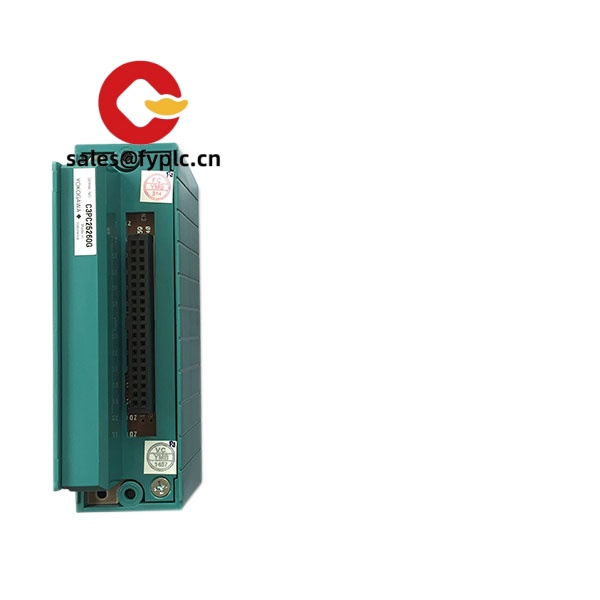
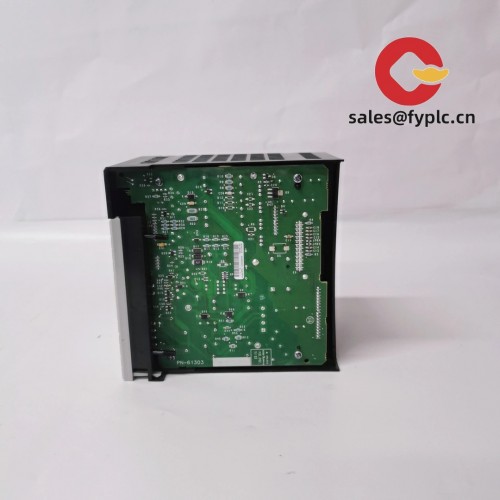
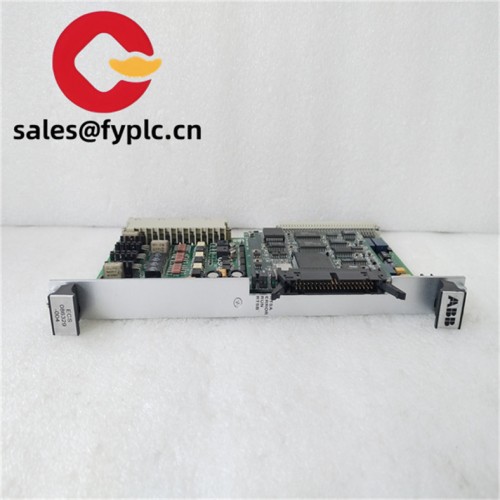
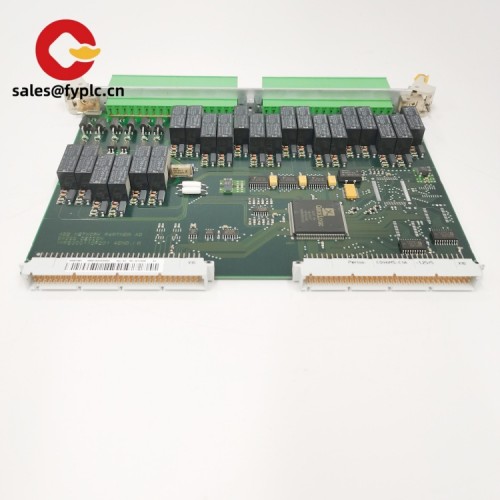
Yokogawa NFBU200-S05 – Node/Fieldbus Backplane Unit for Yokogawa Control Systems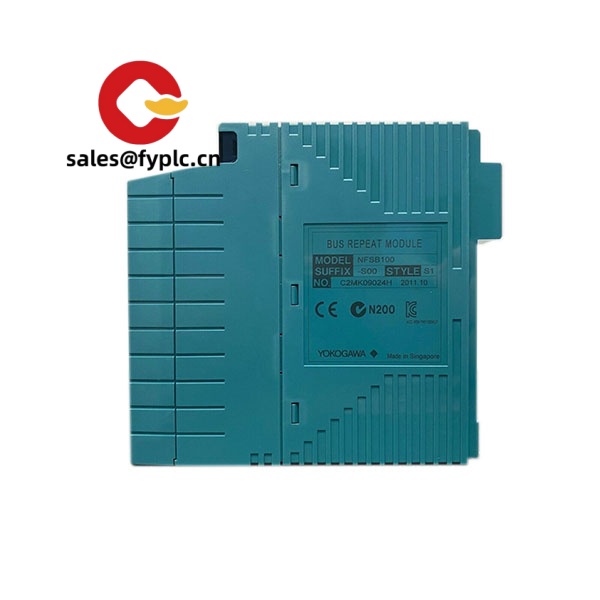
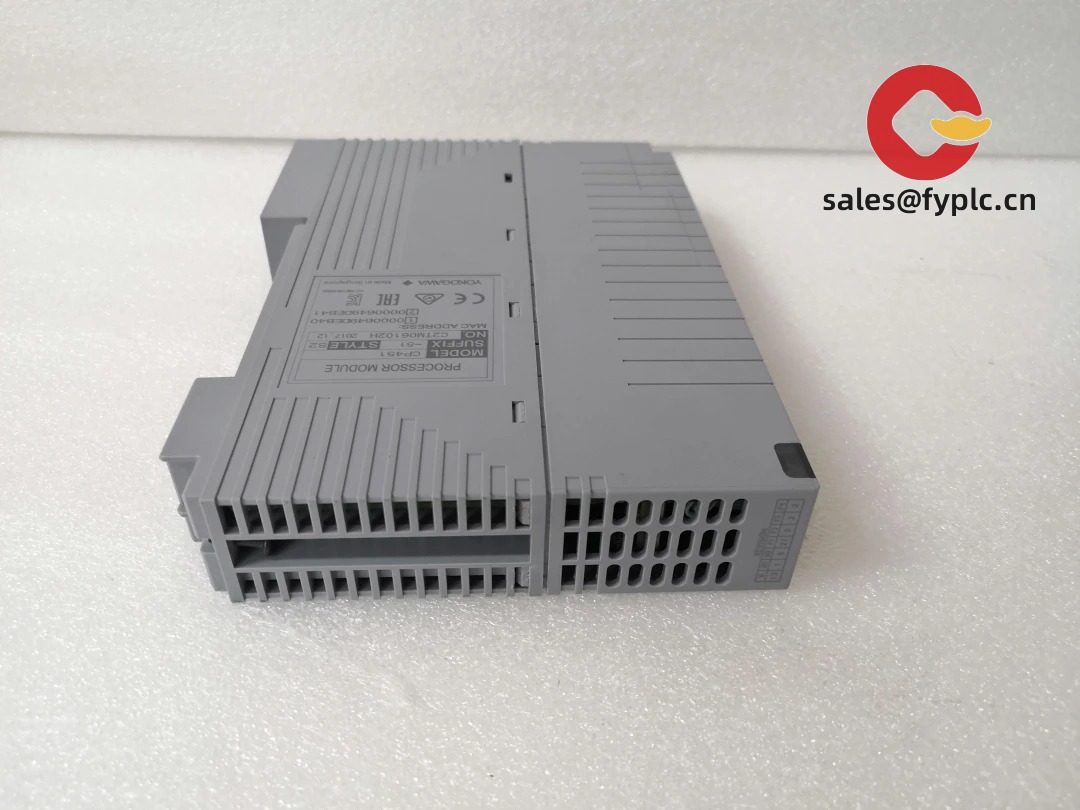
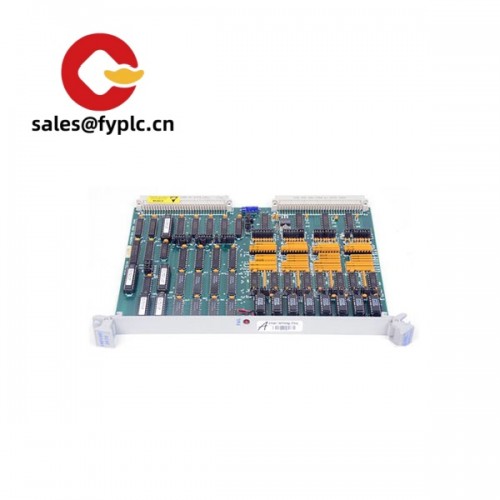
The Yokogawa NFBU200-S05 is a backplane-mounted node/fieldbus unit designed for Yokogawa distributed control and safety architectures, typically used to bridge the controller side to an I/O node over the system bus. From my experience, plants use the NFBU200 series during expansions and maintenance when they need a dependable, drop-in interface that supports redundancy and keeps legacy and newer nodes talking smoothly. You might notice that it doesn’t expose user-level I/O by itself; instead, it provides the system-bus interface and power/backplane distribution for the I/O stack it sits with.
Typical scenarios include: adding a remote I/O node to a CENTUM VP segment, replacing an aging interface module in a safety-related cabinet, or standardizing spare parts across multiple process units. One thing I appreciate is the straight-through serviceability—technicians can usually swap an NFBU module with minimal downtime, then validate status with front-panel LEDs and node diagnostics.
Order Placement Process and Guarantees
-
- – Warranty: 365 days from delivery
-
- – Delivery time: 1 week if in stock; no more than 1 month at the latest
-
- – Payment: 50% advance payment; full payment before delivery
-
- – Shipping: Express via FedEx, UPS, or DHL (export-packed, anti-static protection)
Key Features
- Backplane-mounted system bus interface – Acts as the node/fieldbus backbone inside a Yokogawa control cabinet; no direct field I/O on the module itself.
- Designed for redundancy – In many cases, supports dual-redundant node configurations to maintain communications if a unit is taken offline.
- Hot-swap maintenance – Typically replaceable under power within vendor guidelines, reducing downtime during service windows.
- Status diagnostics – Front-panel indicators for quick health checks and basic fault isolation without a laptop.
- Backplane-powered – Draws power from the system base/rack; no separate field power wiring to the module.
- Cabinet-friendly form factor – Fits Yokogawa-standard bases/racks, helping keep panel layouts consistent.
Technical Specifications
| Brand / Model | Yokogawa NFBU200-S05 |
| HS Code | 8538.90 (Parts suitable for apparatus of heading 8535/8536/8537) |
| Power Requirements | Backplane powered; no external power input on the module |
| Signal I/O Types | No direct field I/O; provides system/node bus interface for associated I/O assemblies |
| Communication Interfaces | Proprietary Yokogawa system-bus connectors via the backplane (cabinet-internal) |
| Installation Method | Plugs into Yokogawa system base/rack; secured with latches/screws; used inside a control cabinet |
| Operating Temperature | 0 to 55°C (typical rating for this series; verify against the product nameplate/datasheet) |
Related or Supporting Products
- Yokogawa NFBU200-S03 / NFBU200-S04 – Earlier revisions commonly found in installed bases; the S05 typically aligns with later firmware/hardware updates. Check cross-compatibility for redundant pairing.
- Yokogawa NFBU100 – Previous-generation node/backplane unit. Often replaced during phased upgrades to NFBU200 for service life and diagnostic improvements.
- Yokogawa system base/rack – Required mounting base for the NFBU series; ensures correct backplane power and bus connectivity within the cabinet.
- Redundant pairing kit – For dual-redundant node setups; usually includes mounting hardware and guidance for A/B slotting and switchover testing.
- System-bus cable sets – Shielded harnesses for intra-cabinet routing where applicable; follow Yokogawa cable specs for noise immunity.
A maintenance lead from a chemicals plant told us the NFBU200-S05 was a “ten-minute swap” during a planned turnaround—no field wiring touched, just the node interface and a clean verification on the controller side. That lines up with what we typically see in brownfield upgrades.
Installation & Maintenance
- Cabinet environment – Install in a clean, dry control cabinet with adequate ventilation. Keep ambient within the rated temperature and non-condensing humidity. Avoid vibration and corrosive atmospheres.
- Grounding & shielding – Bond the cabinet to plant ground. Maintain shield continuity on system-bus harnesses to minimize noise.
- Wiring & layout – Follow Yokogawa layout for base/rack slotting and the A/B redundant arrangement. Keep power and signal harnesses segregated where possible.
- Hot-swap handling – If performing online replacement, follow the vendor procedure (ESD control, redundancy health checks, and post-swap diagnostics).
- Routine checks – Inspect connectors for oxidation or looseness, clean dust with dry air, review alarm logs, and update firmware only per Yokogawa guidance.
- Spare strategy – In most cases, one spare per cabinet (two if running hard redundant) keeps turnarounds predictable.
Quality & Certifications
- Certifications – Typically CE and RoHS; many Yokogawa modules also carry UL/CSA for North America. Confirm the exact marks on the product label.
- Manufacturer build quality – Industrial-grade PCB, conformal coatings and robust connectors are common in this series.
- Warranty – 365-day warranty from delivery.
If you’re aligning spares across multiple units, share your controller/node part numbers and we’ll sanity-check firmware and redundancy compatibility with NFBU200-S05. That tends to prevent small surprises during commissioning.


Reviews
There are no reviews yet.