
Description
NI PCI-7811 (R Series FPGA) – Reconfigurable High‑Speed Digital I/O for Custom Control on PCI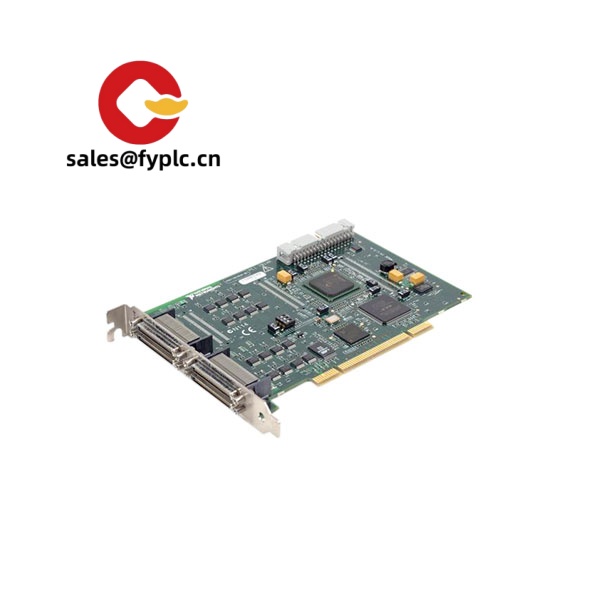
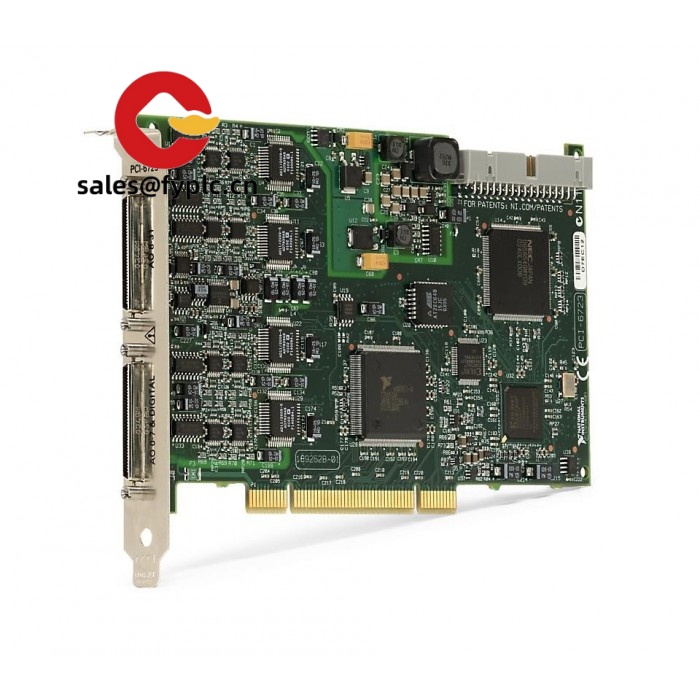
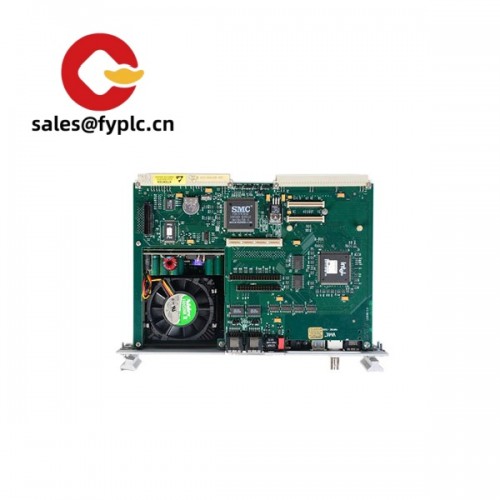
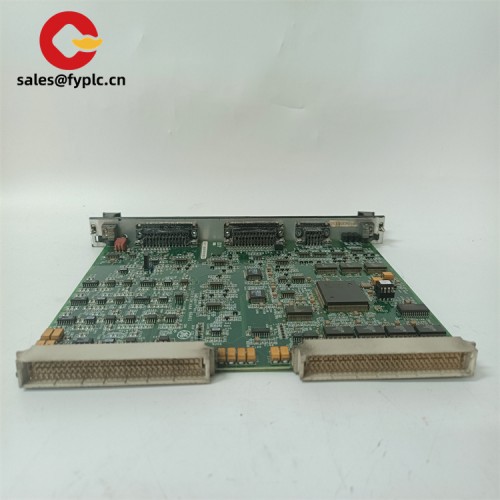
The NI PCI‑7811—often referenced in the field as PCI‑7811R—brings FPGA‑based, reconfigurable digital I/O to a standard PCI slot. From my experience, teams pick it when they want deterministic, cycle‑accurate control logic without building a custom board. You design in LabVIEW FPGA, compile your logic to the onboard Xilinx FPGA, and get rock‑solid timing for test stands, embedded HIL, machine control, or protocol emulation. If you’re refreshing an older PC with PCI slots and need dependable high‑speed DIO, this card usually hits that sweet spot.
Company’s Order Placement Process and Guarantees
- Warranty: 365 days.
- Lead time: 1 week if in stock; no more than 1 month at the latest.
- Payment terms: 50% advance payment; full payment before delivery.
- Express options: FedEx, UPS, DHL.
Key Features
- Reconfigurable FPGA logic – Program the onboard Xilinx FPGA with LabVIEW FPGA to implement custom timing, handshaking, and state machines.
- Deterministic digital I/O – High‑speed, cycle‑accurate DIO typically suitable for sub‑microsecond control loops and protocol generation.
- PCI bus simplicity – Installs in a standard 32‑bit, 33 MHz PCI slot; no external power required in most cases.
- Connector ecosystem – Uses NI 68‑pin VHDCI cabling to popular breakout boards (SCB‑68A, CB‑68LP), making wiring and rework straightforward.
- Hardware‑level reliability – FPGA runs your compiled bitfile independent of the host OS, which helps when Windows decides to be, well, Windows.
- Scalable I/O mapping – You can allocate lines as inputs or outputs to match the test or control application; flexible pin mapping in the FPGA design.
- Driver support – Works with NI R Series drivers and LabVIEW FPGA toolchain; long lifecycle support is common with these boards.
A quick field note: many users pair PCI‑7811 with shielded SHC68‑to‑68 cables and SCB‑68A terminal blocks to keep noise down on fast edges. One thing I appreciate is how easily you can swap bitfiles to pivot from, say, a custom SPI‑like interface in the morning to a pulse‑train generator in the afternoon without changing hardware.
Technical Specifications
| Brand / Model | National Instruments PCI‑7811 (commonly known as NI PCI‑7811R, R Series) |
| HS Code | 8471.80 (Other units for automatic data processing machines) |
| Power Requirements | Powered from PCI bus (5 V/3.3 V rails via slot); no external supply typically required |
| Operating Temperature | Typically 0 °C to 55 °C ambient (PC chassis with adequate airflow) |
| Signal I/O Types | High‑speed digital I/O (TTL/CMOS levels) via 68‑pin VHDCI connectors; direction configurable in FPGA design |
| Communication Interface | PCI, 32‑bit, 33 MHz host interface; controlled through LabVIEW FPGA and NI R Series drivers |
| Installation Method | Standard full‑height PCI expansion slot in a desktop/industrial PC; cabled to NI 68‑pin breakout modules |
| Driver/Tools | LabVIEW FPGA Module, NI R Series/NI‑RIO driver (versions matched to OS and LabVIEW release) |
Related or Supporting Products
- NI PCI‑7811R – Common designation for this model. Same R Series family; digital reconfigurable I/O on PCI.
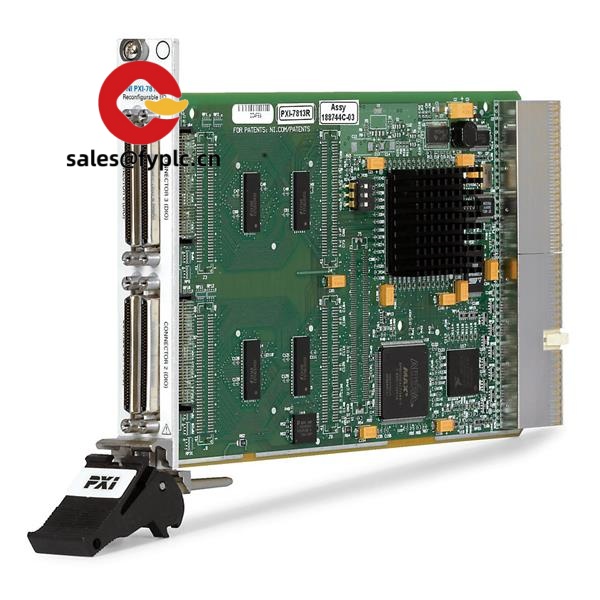
- NI PXI‑7811R – PXI form factor for chassis‑based systems; handy if you’re consolidating multiple modules in a PXI rack.
- NI PCIe‑7841R – Newer PCIe R Series with FPGA and analog I/O; good when you also need AI/AO besides DIO.
- NI SCB‑68A / CB‑68LP – 68‑pin terminal blocks for field wiring; screw‑terminal vs. compact ribbon options.
- NI SHC68‑68‑RDIO – Shielded 68‑pin VHDCI cable tailored for R Series digital I/O; reduces crosstalk on fast signals.
A test engineering lead told us they moved a legacy PLC interlock to a PCI‑7811‑based FPGA design and shaved their sequence time by roughly 30%, simply by running the handshake at hardware speed. Not a universal result, but it tracks with what we typically see on tight loops.
Installation & Maintenance
- Chassis & environment – Use a clean, ventilated PC chassis; leave adjacent slot space if possible for airflow around the heatsink. Industrial PCs or filtered cabinets help in dusty areas.
- Wiring – Use shielded 68‑pin VHDCI cables for higher‑frequency signals. Keep cable runs short and route away from high‑current lines. Tie digital grounds with care to avoid ground loops.
- ESD & safety – Observe ESD protection when handling the board. Power down the host PC fully and disconnect mains before installation.
- Bitfile & drivers – Match LabVIEW FPGA bitfile versions with your NI‑RIO driver. After Windows updates, it’s wise to quickly re‑verify the device in NI‑MAX.
- Routine upkeep – Quarterly dust cleaning with dry air, check cable strain relief, and confirm connector screws are snug. No calibration is needed for digital‑only usage.
- Thermal checks – Under sustained high‑toggle workloads, verify internal chassis temperature. A small front‑to‑back fan path usually does the trick.
Quality & Certifications
- CE compliant; RoHS conformant in most production lots for this family.
- UL/FCC safety and EMC markings are typically present on NI R Series boards.
- Manufactured under ISO 9001 quality systems by National Instruments.
- Manufacturer’s standard warranty applies; our coverage is 365 days from delivery.
If you’re unsure whether your application leans more toward simple buffered DIO or needs the determinism of FPGA, we can look at your timing diagram and suggest whether PCI‑7811 (R Series) is the right fit or if a newer PCIe R Series makes more sense. You might notice that staying on PCI is perfectly fine when the host PC is stable and you value long‑term continuity.
Reviews
There are no reviews yet.