
Description
NI PCI-8516 – 1‑Port LIN Interface Card for High-Performance NI‑XNET Applications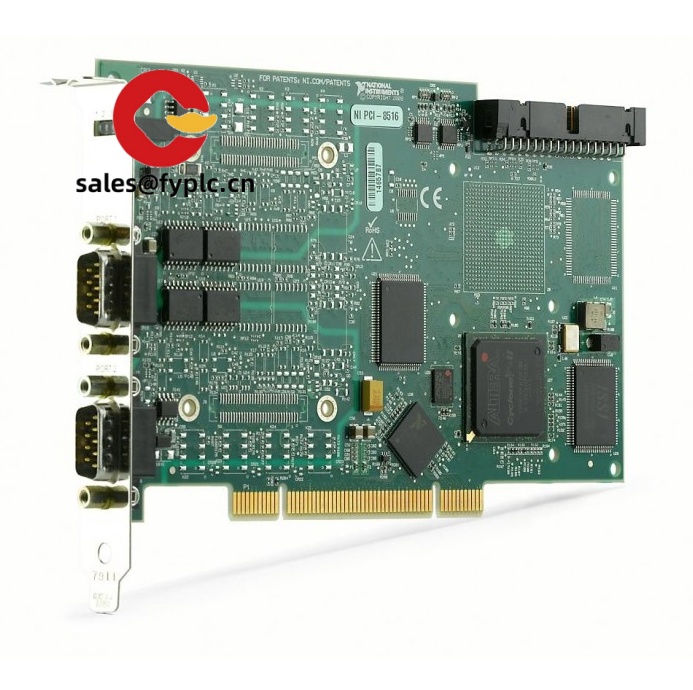
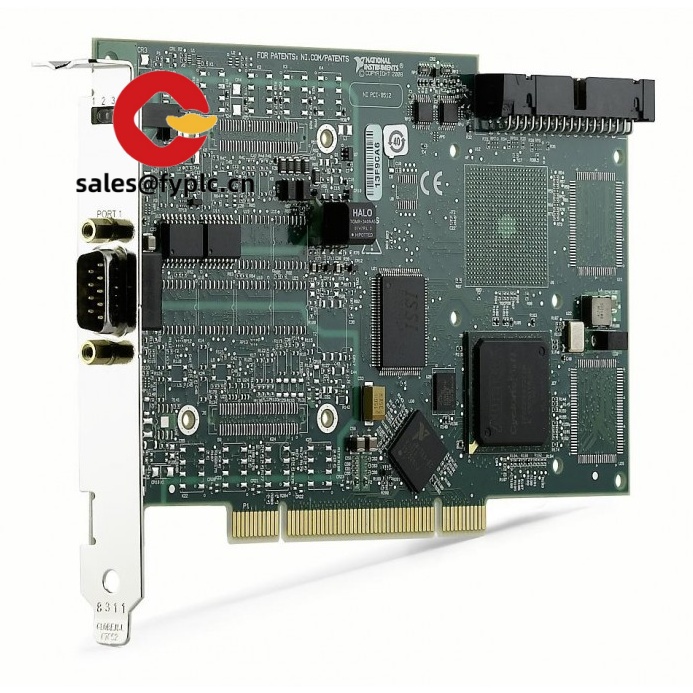
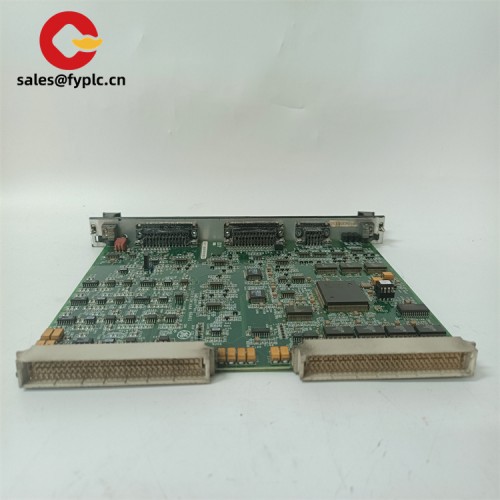
The NI PCI-8516 is a single-port LIN interface card for desktop and industrial PCs using the standard PCI bus. It’s built on the NI‑XNET architecture, so you get very low CPU load, precise timing, and fast database-based signal I/O for LIN networks. From my experience, if you’re integrating body electronics, seat modules, or door controllers in a bench test or EOL setup, this card makes setup straightforward and usually pain-free.
One thing I appreciate is how easily it flips between LIN master and slave roles, with schedule tables handled in hardware. You might notice that existing LabVIEW or C/.NET code written for other NI‑XNET hardware often runs with minimal modification—handy when you’re maintaining older rigs. A Tier‑1 automotive lab told us they dropped this into a legacy Windows PC and had their LDF-based sequences running in under an hour.
Order Placement Process and Guarantees
- Warranty: 365 days
- Delivery time: In stock ~1 week; no more than one month at the latest
- Payment terms: 50% advance payment; full payment before delivery
- Express options: FedEx, UPS, DHL
Key Features
- 1‑Port LIN 2.x interface – Single‑wire LIN channel via D‑Sub 9 for automotive and body electronics testing.
- NI‑XNET hardware acceleration – Deterministic scheduling, low CPU usage, and high‑rate signal/frame I/O suitable for HIL and automated test.
- Master or slave mode – Software‑selectable operation with schedule tables; supports wake‑up and sleep handling in most cases.
- Database‑driven workflows – Works with NI‑XNET databases; LDF‑based signal mappings are typically supported for streamlined scripting.
- Robust timing & buffering – Hardware timestamping and onboard queues reduce latency and missed frames when the host is busy.
- DB‑9 connectivity – LIN, VSUP (external vehicle supply for master pull‑up), and GND brought out on the standard connector.
- Broad software support – NI‑XNET API for LabVIEW, LabWindows/CVI, C/C++, and .NET on Windows; integrates cleanly with existing NI toolchains.
- Listen‑only monitoring – Passive sniffing mode helps during troubleshooting or when you need a non‑intrusive tap.
Technical Specifications
| Brand / Model | NI (National Instruments) PCI-8516 |
| Interface / Form Factor | 32‑bit, 33 MHz PCI, full‑height bracket |
| LIN Channels | 1 port, LIN 2.x compliant (ISO 17987) |
| LIN Baud Rate | Typically 1–20 kbit/s (19.2 kbit/s common) |
| Connector | D‑Sub 9 (male): LIN, VSUP (external), GND |
| Signal I/O Types | Single‑wire LIN, wake/sleep handling, listen‑only monitoring |
| Communication Interfaces | Host PCI bus; LIN network I/O via DB‑9 |
| Power Requirements | Bus‑powered from PCI (no external power for the card itself) |
| Operating Temperature | 0 to 55 °C (typical NI PCI operating range) |
| Software / Driver | NI‑XNET driver; APIs for LabVIEW, LabWindows/CVI, C/C++, .NET |
| Installation Method | Internal PCI slot (desktop/industrial PC), external DB‑9 to LIN harness |
| HS Code | 8471.80 (Other units of automatic data‑processing machines) |
Related or Supporting Products
- NI PCIe-8516 – Same 1‑port LIN on PCI Express. Choose this if your PC lacks legacy PCI slots.
- NI PXI-8516 – PXI form factor for modular test systems and real‑time use cases.
- NI USB-8516 – Portable 1‑port LIN over USB; ideal for field work or mobile benches.
- NI PCI-8512 – 1‑port High‑Speed CAN on PCI (for CAN networks rather than LIN).
- NI PCI-8513 – 1‑port Low‑Speed/Fault‑Tolerant CAN on PCI.
- DB‑9 to bare‑wire breakout cable – Simplifies connection to LIN harnesses and VSUP injection for master operation.
Installation & Maintenance
- Cabinet/PC requirements: Standard PCI slot in a desktop or industrial PC; allow airflow around adjacent slots. Avoid stacking high‑power cards immediately next to it if the chassis runs warm.
- Wiring: Use the DB‑9 for LIN and GND. In master mode you typically need to supply VSUP on the connector to provide the pull‑up; keep the vehicle ground reference clean to reduce noise.
- LIN scheduling: Configure master schedules and sleep/wake timing in NI‑XNET. A quick sanity check with listen‑only mode helps validate wiring before you transmit.
- Safety & ESD: Power down the PC before installing/removing the card. Observe ESD precautions when touching the bracket or connector.
- Environment: Operate roughly 0–55 °C, 10–90% RH non‑condensing. In most cases a light dust filter on the cabinet prolongs life.
- Maintenance: Periodically verify connectors for oxidation, reseat DB‑9 screws, and back up NI‑XNET database/LDF files. Keep drivers current; NI‑XNET updates often bring small stability fixes.
- Calibration: LIN is digital; no calibration cycle is required. A yearly functional check (schedule timing, wake/sleep behavior) is usually enough.
Quality & Certifications
- Certifications: CE, RoHS compliant; designed for EMC‑robust operation typical of NI PCI boards.
- Manufacturer’s policy: NI devices of this class are commonly supplied with a standard limited warranty (typically one year).
- Our coverage: 365‑day warranty on this item, with advance replacement or repair options depending on stock.
If you’re replacing a discontinued PCI card or migrating a long‑running test sequence, the NI PCI‑8516 seems to be one of the safer drop‑in choices because of its mature NI‑XNET stack and stable driver support. Happy to share example projects or a suggested DB‑9 pinout map if you want to review before ordering.

Reviews
There are no reviews yet.