
Description
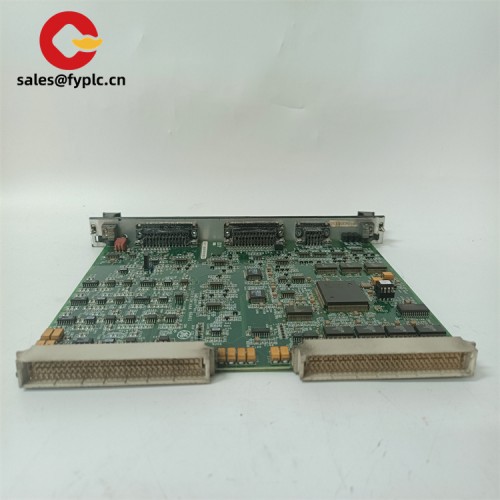
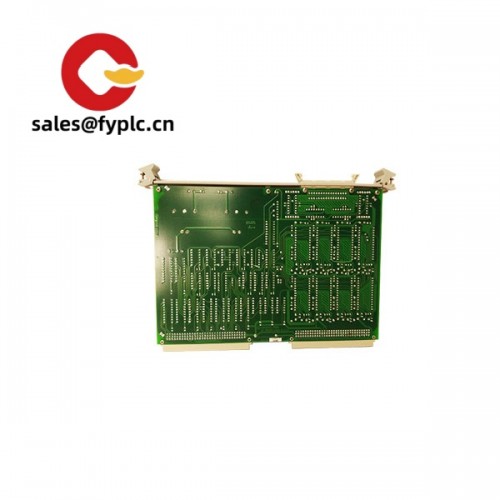
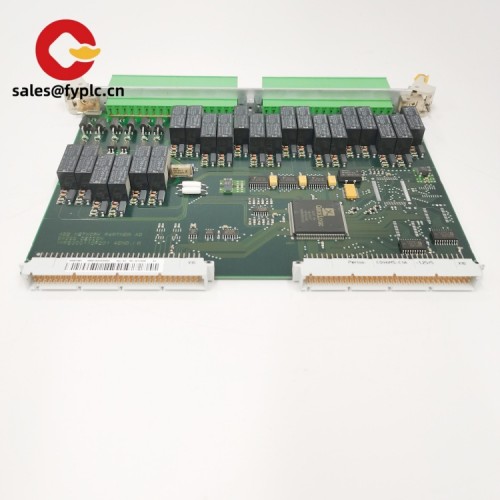
Motorola MVME133XTS – 6U VME Single Board Computer for Legacy Control and Test Systems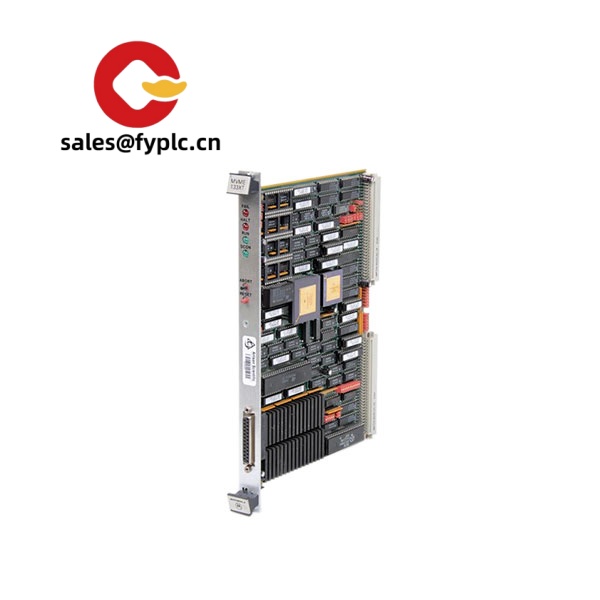
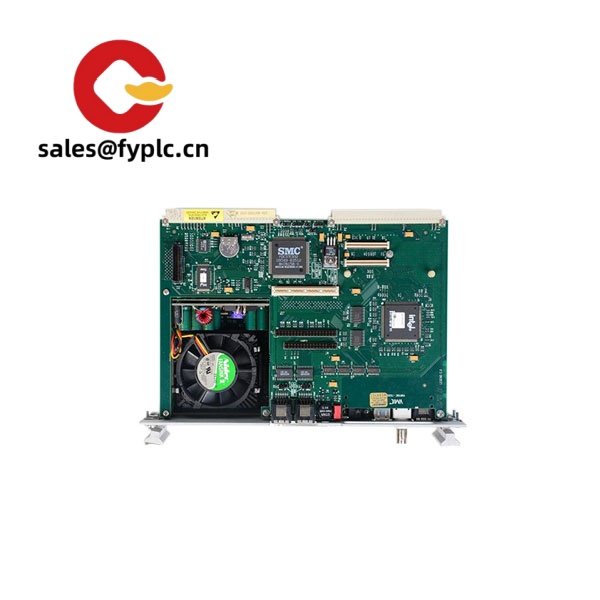
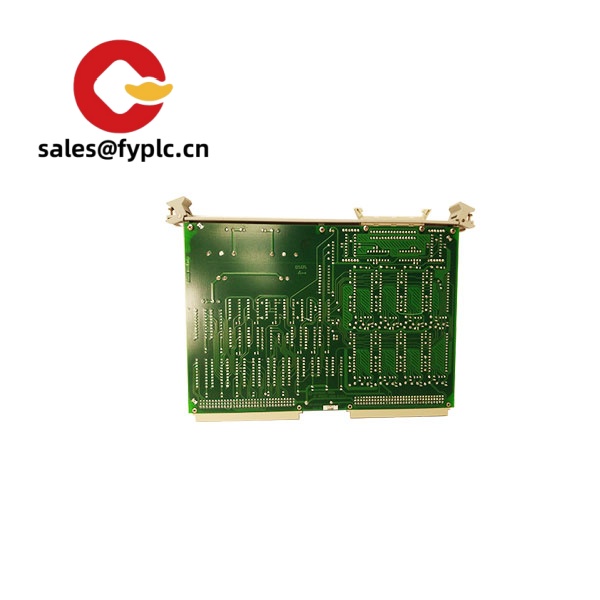
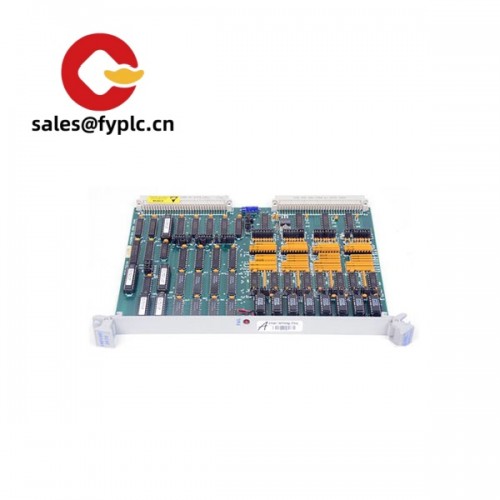
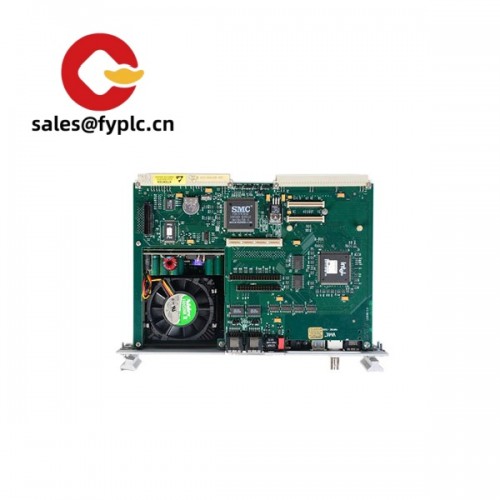
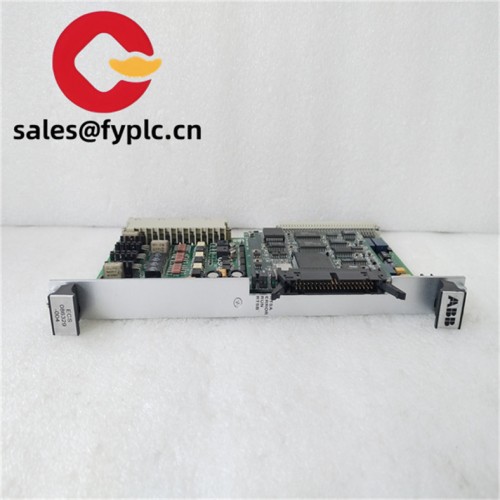
The Motorola MVME133XTS is a classic 6U VMEbus single board computer built around the Motorola 68020 CPU family. It’s often found keeping legacy machinery, ATE rigs, and telecom frames running reliably—places where stability matters more than bleeding-edge speed. From my experience, the MVME130/133 series is valued for predictable timing, long-term availability of spares, and straightforward integration with existing VME I/O.
Typical use cases include: drop-in replacement for aging CPU cards in production lines, maintaining timing-critical test sequences in ATE racks, or bridging older field devices via RS-232/422 to newer supervisory systems. One thing I appreciate is how the MVME133XTS pairs cleanly with the MVME712-series transition modules for easy access to serial and parallel I/O without reworking the cabinet.
Order Placement Process and Guarantees
- Warranty: 365 days
- Delivery: In-stock ships in ~1 week; no more than 1 month at the latest
- Payment: 50% advance payment; full payment prior to delivery
- Express options: FedEx, UPS, DHL
Each board is functionally tested before dispatch. For legacy builds, we typically verify memory, serial ports, VME interrupts, and basic boot firmware to reduce installation surprises on site.
Key Features
- Motorola 68020 CPU platform – A proven architecture that many legacy control programs still rely on; XTS builds commonly ship with specific firmware loads.
- 6U VMEbus form factor – Fits standard 6U VME backplanes; straightforward field replacement in most cabinets.
- On-board async serial and parallel I/O – Typically exposed via MVME712-series transition modules, making cabinet wiring simple.
- Floating-point support (build-dependent) – Many units support 68881/68882 FPUs, useful for math-heavy test routines.
- Stable real-time behavior – Deterministic response for motion, ATE timing, and telecom signaling in many cases.
- Long lifecycle ecosystem – Broad availability of compatible VME I/O and spares, which reduces the risk on older installations.
“We swapped in an MVME133XTS for a failing CPU card in a 1990s ATE rack. Booted first time, serial comms checked out, and we were back testing by end of day.” —Test engineering manager, electronics OEM
Technical Specifications
| Brand / Model | Motorola MVME133XTS (6U VME SBC) |
| HS Code | 8471.50 (Processing units of automatic data processing machines) |
| CPU / FPU | Motorola MC68020 (typical 16 MHz); optional MC68881/MC68882 FPU depending on build |
| Memory | On-board DRAM with parity and boot ROM/EPROM; capacity varies by assembly revision |
| Form Factor / Size | 6U VME Eurocard; 233.35 mm (H) × 160 mm (D) |
| Power Requirements | +5 VDC ~3 A typical (varies by memory/FPU); +12 VDC used for transceivers where applicable |
| Operating Temperature | 0 to +55 °C (commercial; build-specific ranges may apply) |
| Signal I/O Types | Async serial (RS‑232/422, via transition module), parallel port; timers/interrupts via VME |
| Communication Interfaces | VMEbus (A24/A32 addressing, D16/D32 data width); optional 10 Mb Ethernet/SCSI on certain configurations |
| Installation Method | VME P1/P2 connectors into 6U backplane; rear I/O via MVME712-series transition module in most builds |
| Dimensions & Weight | 233.35 × 160 mm; approx. 0.8 kg (varies by assembly and heatsink set) |
Related or Supporting Products
- Motorola MVME130 / MVME135 – Earlier/lateral 68020-based variants; useful as replacements where firmware compatibility is strict.
- Motorola MVME147 – 68030-based SBC with higher performance; typically a migration step if software allows.
- Motorola MVME162 / MVME167 – Newer 68040 series; more memory and I/O, but may require OS/application adjustments.
- MVME712A / MVME712B / MVME712M transition modules – Rear I/O breakout for serial/parallel and field wiring.
- VME I/O options (e.g., SCSI/Ethernet controllers) – For systems needing disk or LAN, matched VME controllers can be added based on OS support.
If you’re unsure which board aligns with your firmware and backplane pinout, we can compare assembly numbers and boot monitor versions before you place the order. That prevents the common “it boots but the I/O isn’t mapped” situation.
Installation & Maintenance
- Cabinet & backplane – 6U VME chassis with good airflow. Keep ambient below 50–55 °C and maintain front-to-rear ventilation.
- Power & grounding – Stable +5 VDC rail with adequate current headroom. Verify backplane grounds and VME keying prior to insertion.
- I/O access – Use the proper MVME712-series transition module to bring serial/parallel ports to the rear panel. Check pinouts before wiring.
- ESD handling – Handle by the card edges; seat evenly into P1/P2 connectors. Use the injector/ejector levers to avoid flexing the board.
- Firmware & boot monitor – Confirm boot ROM revision matches your OS (e.g., VxWorks, pSOS, or custom). Keep a verified ROM image on file.
- Routine care – Quarterly dust removal with dry air, connector reseat annually, check RTC/NVRAM battery as applicable. Run self-tests after any maintenance.
Quality & Certifications
- Functional testing – CPU, memory, serial ports, and basic VME interrupt tests performed prior to shipment.
- Certifications (typical) – Manufactured under ISO 9001 processes; many boards carry CE marking; UL-recognized components. RoHS generally not applicable for early-vintage units.
- Warranty – 365-day warranty for repair/replace coverage on the board supplied.
- Packaging – ESD-safe wrapping and foam-insert cartons to protect injector/ejector hardware and connectors.

Reviews
There are no reviews yet.