
Description
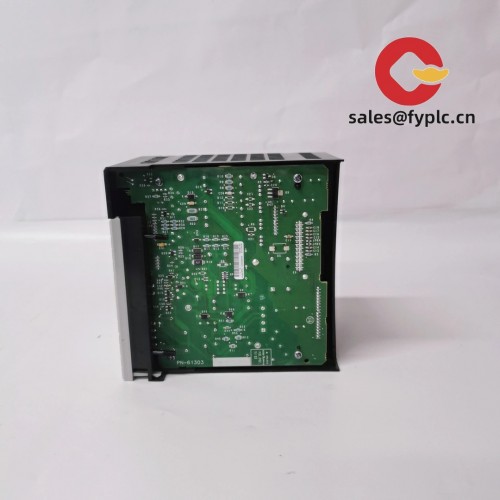
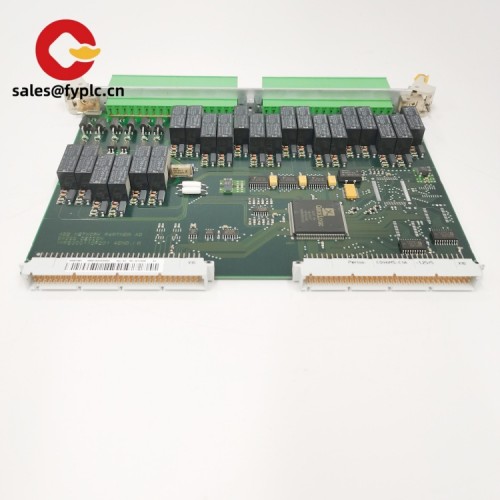
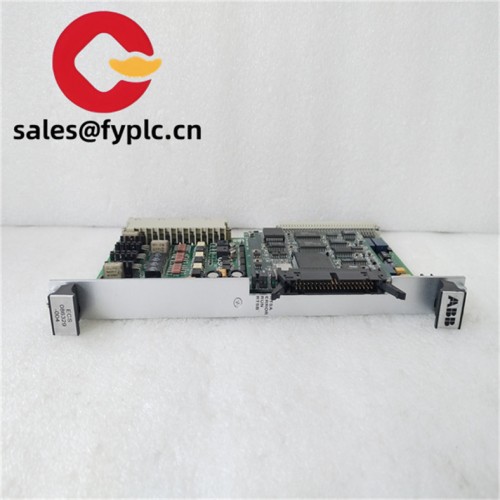
Yokogawa PK200-A73 – Plug-in Control Module for Legacy Yokogawa Systems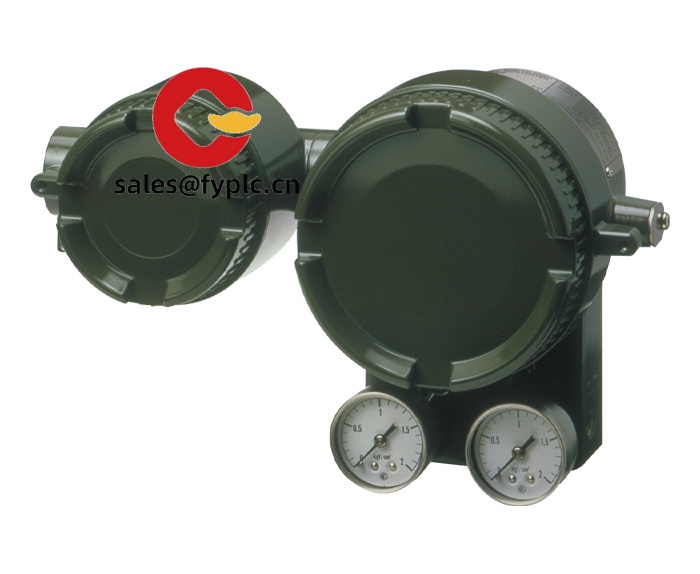
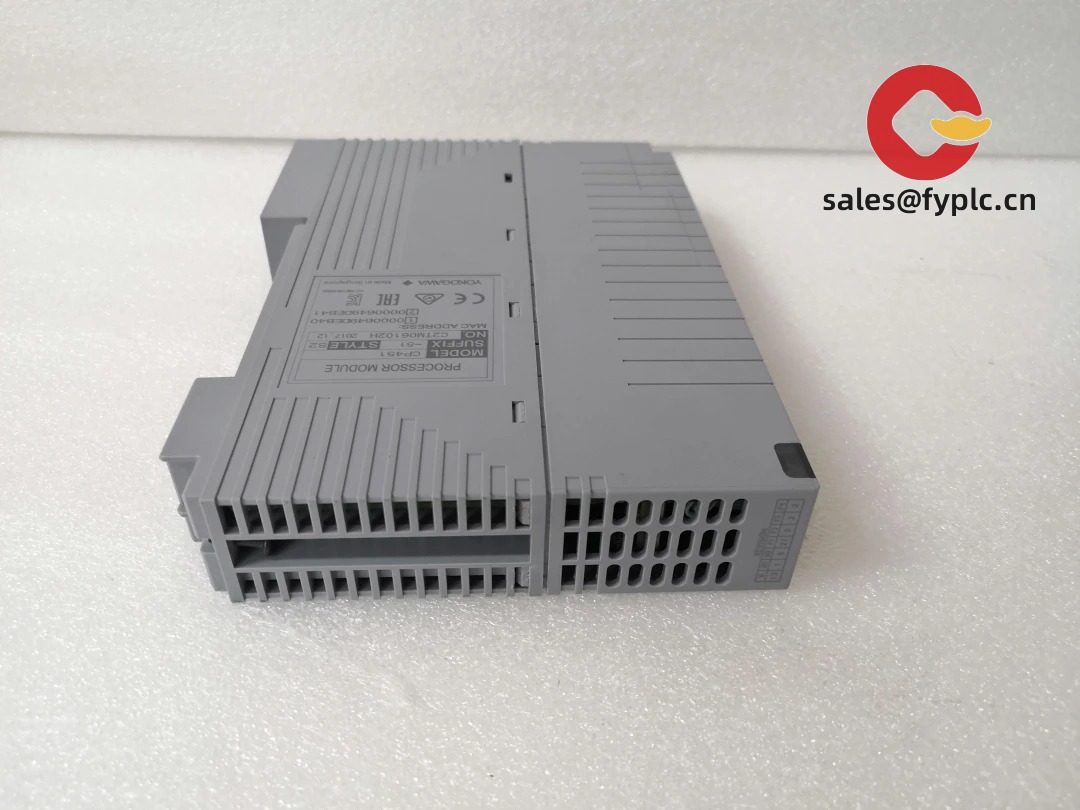
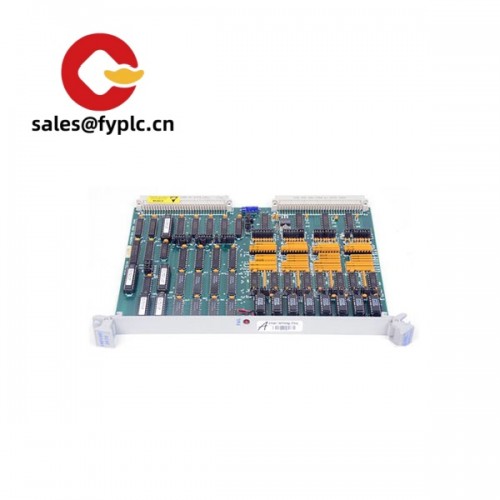
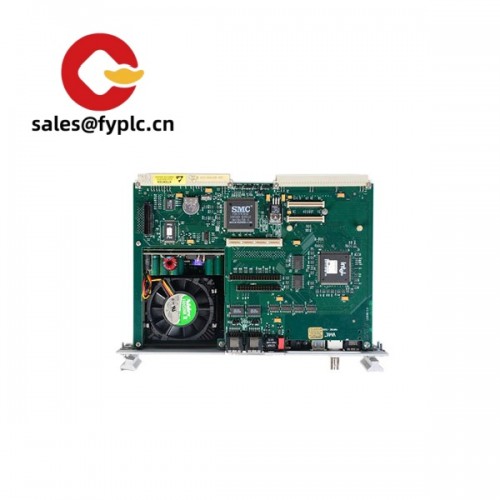
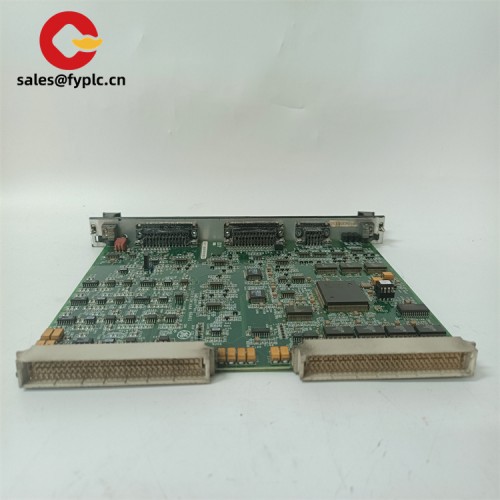
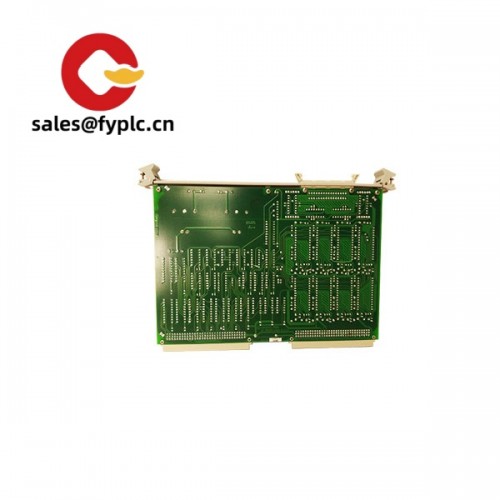
The Yokogawa PK200-A73 is a plug-in module used in legacy Yokogawa control platforms, typically serving as an internal board for signal handling or system interface on a backplane rack. From my experience, teams keep the PK200 series on hand to stabilize long-lived DCS or machine control installs where changing the platform isn’t practical. You might notice that A73 denotes a later hardware revision, which in many cases improves component reliability and compatibility across installed bases.
Company’s Order Placement Process and Guarantees
- Warranty: 365 days
- Delivery time: 1 week if in stock; no more than one month at the latest
- Payment terms: 50% advance payment; full payment prior to delivery
- Express options: FedEx, UPS, DHL
- Condition & testing: Each unit is inspected and function-checked on arrival; traceable packing and ESD-safe handling are standard.
Key Features
- Backplane plug-in design – Installs into the system rack; no field power wiring to the module itself in typical setups.
- Revision A73 hardware – Later build that appears to improve long-term stability versus earlier revisions in many cases.
- Service-friendly replacement – Technicians can swap the board during planned stops; redundant architectures can minimize downtime.
- Stable lifecycle support – Helpful for plants standardizing on a legacy Yokogawa platform with validated procedures and documented I/O maps.
- Diagnostic visibility – Typically features on-board status indicators to simplify first-line troubleshooting.
- Robust build – Industrial-grade components suited for control cabinets in process, power, or discrete manufacturing environments.
Technical Specifications
| Brand / Model | Yokogawa PK200-A73 |
| HS Code | 8538.90 (Parts suitable for 8537 control panels), typical classification |
| Power Requirements | Powered via system backplane; no external power input to the module in most cases |
| Operating Temperature | 0 to +55 °C typical (follow host system specification) |
| Signal I/O Types | Backplane signal interface; field wiring is typically terminated on separate terminal units of the host rack |
| Communication Interfaces | Proprietary Yokogawa rack/backplane bus; module auto-recognition depends on system firmware |
| Installation Method | Rack-mounted plug-in card for Yokogawa system backplane (tool-less latch or screws depending on rack) |
| Dimensions & Weight | Plug-in card form factor; compact, typically < 0.5 kg. Refer to the applicable system manual for exact figures. |
Field note: a maintenance lead at a water treatment facility mentioned the A73 revision ran cooler in their cabinet than an earlier unit, which seemed to reduce nuisance trips during summer peaks. That lines up with what we usually see on seasoned Yokogawa installations.
Related or Supporting Products
- PK200 series variants (e.g., different Axx revisions) – Alternate revisions may be drop-in compatible; verify against your rack and firmware level.
- Yokogawa system rack/backplane – Required host frame that supplies power and bus communication.
- Terminal block/field wiring units – Separate terminal assemblies used to land field I/O, depending on system design.
- 24 VDC system power supply module – Powers the rack; model depends on your specific Yokogawa platform.
Installation & Maintenance
- Cabinet environment: Use a ventilated control cabinet; keep ambient within 0–55 °C and relative humidity as specified by the host system. Maintain clearance for airflow around the rack.
- Wiring & ESD: Field wiring typically terminates at separate terminal units; observe ESD precautions when handling the module and seat the card firmly into the backplane.
- Hot-swap considerations: Unless the system supports redundancy and documented hot-swap, plan a controlled shutdown before replacing the module.
- Commissioning: After installation, check rack diagnostics/LEDs, confirm the module is recognized by the controller, and run a functional test of affected signals.
- Routine care: Quarterly visual checks for dust buildup; clean with dry ESD-safe air. Keep firmware and system configuration backups current where applicable.
Quality & Certifications
- Typically complies with CE and RoHS for industrial control hardware; many Yokogawa boards also carry UL recognition. Specific markings may vary by production lot.
- Manufacturer warranty for new units follows Yokogawa policy; for supplied stock, we support a 365-day warranty with tested, ESD-safe shipment.
- Traceable serials and inspection reports available upon request to support QA and compliance procedures.
One thing I appreciate is how consistently these PK-series boards slot back into service without having to rewrite logic—most of the work is simply planning a clean changeover window and verifying backplane health. If you can share your rack ID and current firmware, we’ll double-check revision matching before shipment.


Reviews
There are no reviews yet.