
Description
NI PXIe-6738 – High‑channel, precision analog output for PXI Express stimulus generation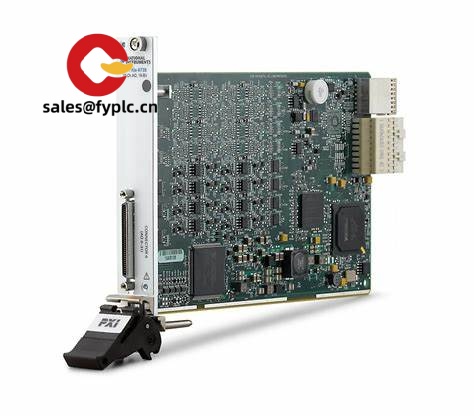
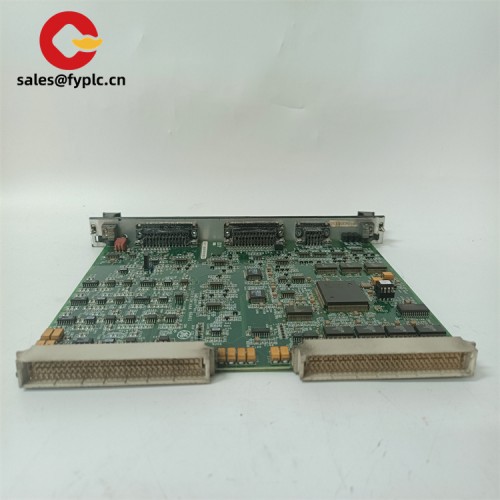
The NI PXIe-6738 is built for labs and production teams that need lots of clean, deterministic voltage outputs in a compact PXI Express footprint. From my experience, it’s the card you reach for when you want to drive many actuators, bias lines, or test points at once and keep everything synchronized to the rest of your PXI system. You might notice that it drops into a 3U PXIe slot and just works with NI‑DAQmx, which, in many cases, trims setup time from hours to minutes.
Company’s Order Placement Process and Guarantees
- Warranty period: 365 days
- Delivery time: 1 week for in‑stock items; no more than one month at the latest
- Payment: 50% advance payment; full payment prior to delivery
- Express options: FedEx, UPS, DHL
Key Features
- 32‑channel, precision analog voltage output – Ideal for multi-point stimulus in HIL, ATE, and sensor/actuator drive. Typical resolution is 16‑bit for smooth waveforms.
- Hardware‑timed waveform generation – Deterministic updates with onboard buffering; great for repeating patterns or long arbitrary sequences without hiccups.
- PXI Express timing and triggering – Syncs cleanly with other PXI/PXIe cards via PXI Trigger/Star lines; in most cases, system-wide phase alignment is straightforward.
- DAQmx software stack – Rapid development in LabVIEW, ANSI C/C++, C#, and Python; the driver typically exposes per‑channel ranges, regeneration, and exportable clocks.
- Front‑panel 68‑pin connectivity – Works with common NI 68‑pin accessories (e.g., SCB‑68A, BNC‑2110) so wiring up test fixtures stays neat and serviceable.
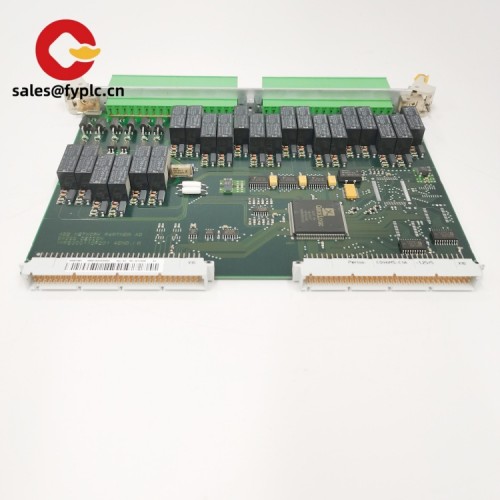
- Compact PXIe form factor – 3U, 1‑slot card that leverages chassis power and cooling; no external supply or bench clutter.
Typical use cases I see: multi-axis actuator stimulation, biasing DAC lines in power electronics R&D, waveform stimulus in mixed-signal ATE, and driving reference profiles in robotics labs. One thing I appreciate is how easily it syncs with digitizers or DMMs in the same chassis—fire a common trigger and your stimulus/measurement correlation is usually spot on. A customer running a 24‑actuator endurance test told me they replaced four benchtop generators with one PXIe‑6738 and freed up half a rack.
Technical Specifications
| Brand / Model | NI PXIe-6738 |
| HS Code | 8471.80 (classification may vary by region) |
| Power Requirements | Powered from PXI Express backplane; no external supply required |
| Form Factor / Dimensions & Weight | 3U PXI Express, 1‑slot module (standard PXIe card size) |
| Operating Temperature | Typically 0 °C to 55 °C when installed in a compliant PXIe chassis |
| Signal I/O Types | Multiple analog voltage outputs; PXI backplane trigger/timing lines |
| Communication Interfaces | PXI Express (PCIe) backplane; NI‑DAQmx driver support |
| Installation Method | Install in a PXIe or hybrid slot of a compatible PXI Express chassis |
Related and Supporting Products
- NI PXIe-6739 – Same family; typically offers high‑channel analog output with enhanced drive characteristics. Good when loads need more current headroom.
- NI PXI-6733 – Legacy PXI (not Express) analog output module with fewer channels; useful in classic PXI systems.
- SCB‑68A – Shielded 68‑pin screw‑terminal accessory for clean field wiring and quick service access.
- BNC‑2110 – BNC breakout for labs that prefer coax connections for fast reconfiguration.
- SHC68‑68 cables – Shielded 68‑pin cables; in many cases, these reduce crosstalk and keep long runs stable.
Installation & Maintenance
- Chassis & cooling – Use a PXI Express chassis that meets NI airflow specs; keep adjacent slot fillers in place for proper cooling. Maintain ambient within the chassis rating (typically up to 55 °C).
- Wiring – Use shielded 68‑pin cables and appropriate terminal blocks; route analog outputs away from high‑current lines to minimize noise.
- Grounding & safety – Ensure the chassis is earth‑grounded. De‑energize the system before changing connections. Observe ESD precautions when handling modules.
- Software & firmware – Keep NI‑DAQmx up to date. From my experience, newer drivers often improve streaming stability and timing features.
- Calibration & care – Follow NI’s recommended calibration interval (typically annual for precision AO). Keep connectors clean; lightly inspect cabling strain reliefs during routine checks.
Quality & Certifications
- CE and RoHS compliant; designed for regulated lab and industrial environments
- Meets typical PXI/PXIe mechanical and electrical specifications
- Manufacturer’s standard limited warranty typically 1 year; our coverage: 365 days from delivery
If you’re consolidating multiple bench generators into a single chassis or trying to synchronize stimulus with high-speed measurements, the PXIe‑6738 tends to be a low‑risk, high‑payoff choice. It seems to be the sweet spot when you need channel density and timing discipline without burning extra rack space.

Reviews
There are no reviews yet.