
Description
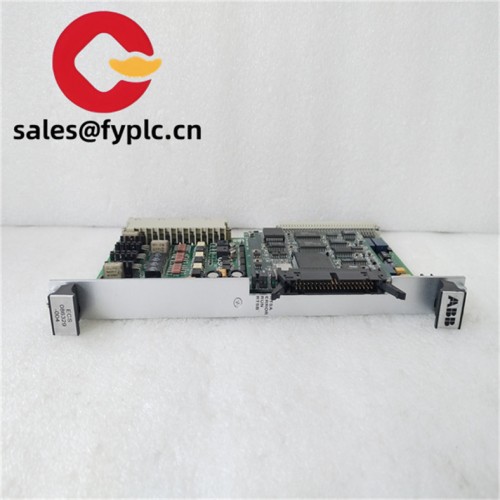
ABB RLX2-IHNF-A Industrial Hotspot – Reliable 2.4/5 GHz 802.11n wireless for plant networks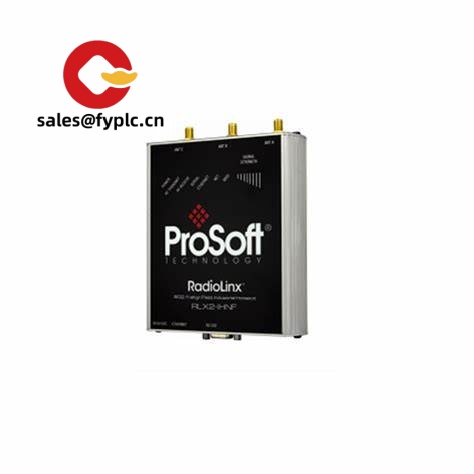
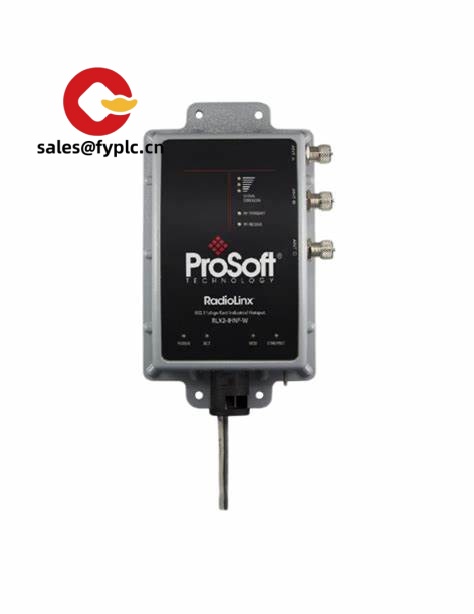
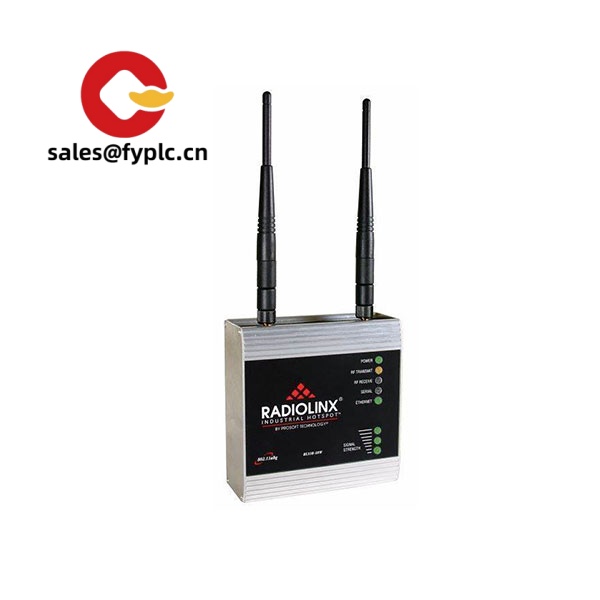
The ABB RLX2-IHNF-A is an industrial 802.11n Hotspot designed for rugged environments where wired Ethernet is hard or expensive to pull. From my experience, this model is typically used to connect PLCs, HMIs, drives, and mobile assets over secure Wi‑Fi, with fast roaming that keeps AGVs, cranes, and handheld terminals online as they move. The “-A” suffix indicates the Americas regulatory domain, so it’s tuned for North American deployments.
Company’s Order Placement Process and Guarantees
-
- – Warranty period: 365 days
-
- – Delivery time: 1 week if in stock; no more than 1 month at the latest
-
- – Payment terms: 50% advance payment; full payment prior to delivery
- – Express delivery methods: FedEx, UPS, DHL
Key Features
- Dual‑band 2.4/5 GHz 802.11n (selectable) – Lets you avoid crowded channels and align with plant RF policies.
- MIMO performance – Typically 802.11n MIMO for higher throughput and better multipath handling in metal-heavy areas.
- Industrial operating range – Built for harsh sites; it appears that the RLX2 family is rated for wide temperature operation.
- Flexible roles – Can operate as Access Point, Client, or Repeater to fit point‑to‑point, point‑to‑multipoint, or roaming use cases.
- Fast roaming for mobile assets – Helps AGVs, stacker cranes, and tablets maintain sessions as they move cell to cell.
- PoE power – Power over Ethernet (IEEE 802.3af) simplifies cabinet wiring and UPS integration.
- Robust security – WPA2/AES, 802.1X/RADIUS support and VLAN segmentation for IT/OT-safe designs.
- Web-based configuration – Streamlined setup with profiles, which in many cases cuts commissioning time.
- Protocol‑friendly – Carries EtherNet/IP, Modbus TCP, and PROFINET traffic without special gateways.
Technical Specifications
| Item | Details |
|---|---|
| Brand / Model | ABB RLX2-IHNF-A (Industrial 802.11n Hotspot, Americas domain) |
| HS Code | 8517.62.00 (Data communication equipment) |
| Wireless Standards & Bands | IEEE 802.11a/b/g/n; selectable 2.4 GHz or 5 GHz operation |
| Max Data Rate | Up to 300 Mbps (802.11n MIMO, typical for this family) |
| Communication Interfaces | 1 × 10/100Base‑T(X) RJ45 Ethernet; RF connectors for external antennas (RP‑SMA, typical) |
| Power Requirements | PoE (IEEE 802.3af). Some builds support DC terminal input in addition to PoE. |
| Operating Temperature | Typically −40 to +75 °C for RLX2 series; verify exact rating for your sub‑model |
| Security | WPA2‑PSK, WPA2‑Enterprise (802.1X/RADIUS), MAC filtering, VLANs (typical features) |
| Installation Method | DIN‑rail or panel mount in control cabinet; external antennas placed per site survey |
| Certifications | FCC/IC (Americas), CE, RoHS; UL listing often available for the RLX2 family |
Where it fits best
- Roaming clients on AGVs and forklifts needing consistent EtherNet/IP performance across large warehouses.
- Wireless backhaul between PLC cabinets where conduit runs are time-consuming or blocked by production schedules.
- Mobile HMIs and maintenance tablets that must stay authenticated to a segmented OT WLAN (VLAN/QoS enabled).
- Temporary links during machine moves or line expansions—one thing I appreciate is how quickly it can be redeployed.
Related or Supporting Products
- ABB RLX2-IHNF-E – Same platform aligned to the European regulatory domain (ETSI channels and power limits).
- ABB RLX2-IHN (Client/Bridge variants) – Useful when you need a dedicated workgroup bridge on a machine or skid.
- Industrial PoE Injector (IEEE 802.3af) – For cabinets without PoE switches; choose DIN‑rail, 48 V output versions.
- Dual‑band MIMO Antennas (RP‑SMA) – Select 2.4/5 GHz omnidirectional for roaming, or directional panels for long links.
- Inline RF Surge Protectors & Low‑loss Coax – In many cases essential for outdoor runs or tall mast installations.
Installation & Maintenance
You might notice that wireless reliability is 80% planning and 20% hardware. A quick site survey usually pays off.
- Cabinet & mounting – Install on DIN‑rail or a rigid backplate inside a ventilated enclosure (IP54+ recommended for dusty areas). Keep 50 mm clearance for airflow and cable bend radius.
- Power & wiring – Use PoE from an industrial switch/injector on a conditioned UPS circuit. Shielded Cat5e/Cat6 with proper drain grounding typically reduces EMC issues.
- Antenna placement – Mount antennas above metal obstructions; maintain line of sight where possible. For roaming cells, target 15–20% overlap and consistent channel/power plans.
- Grounding & surge – Bond the cabinet, add RF surge arrestors on outdoor antenna lines, and route coax away from high‑noise VFD cabling.
- Security & segmentation – Use WPA2‑Enterprise with RADIUS if available; apply VLANs to separate OT traffic from guest or IT services.
- Routine maintenance – Quarterly check antenna connectors and coax strain relief, clear dust, back up configs, and apply firmware updates after staging tests.
- Troubleshooting tip – If clients see intermittent drops, reduce data rates allowed and verify roaming thresholds (RSSI) to encourage timely handoffs.
Quality & Certifications
- CE and FCC/IC compliance for wireless operation in the specified region (‑A for Americas).
- RoHS conformity; UL/CSA listings are commonly available for the RLX2 industrial family.
- Manufacturer’s coverage typically 1 year; we provide a 365‑day warranty with rapid exchange support.
If you’re planning a multi‑cell layout or migrating legacy 2.4 GHz clients to 5 GHz, share your client mix and plant constraints—I can suggest a channel plan and antenna set that, in most cases, avoids rework later.

Reviews
There are no reviews yet.