
Description
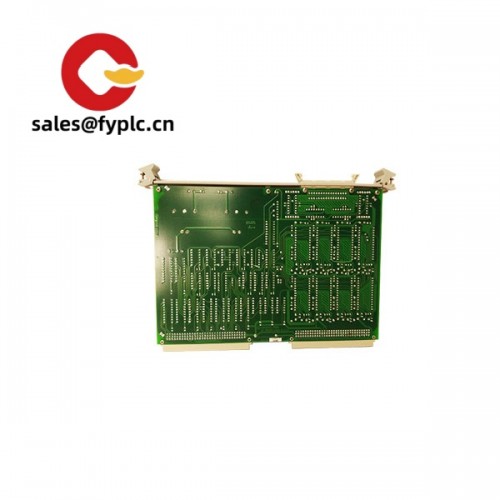
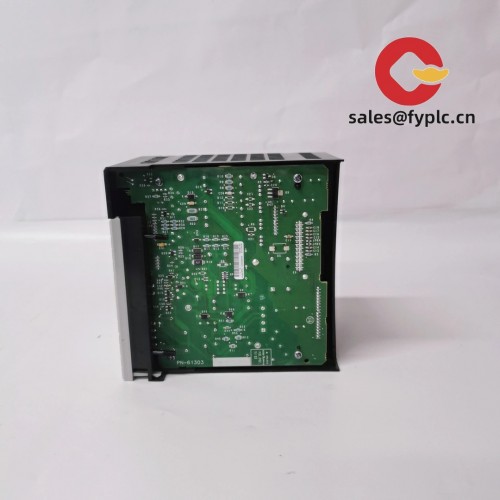
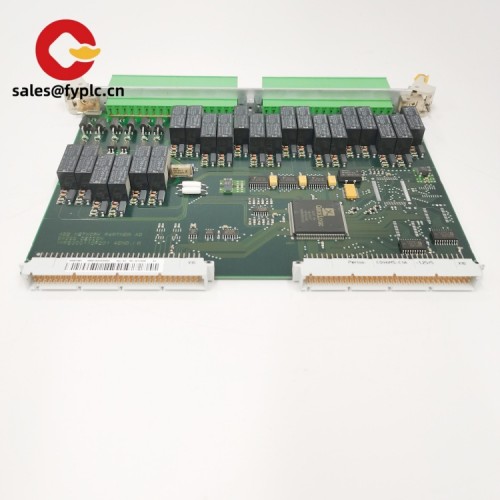
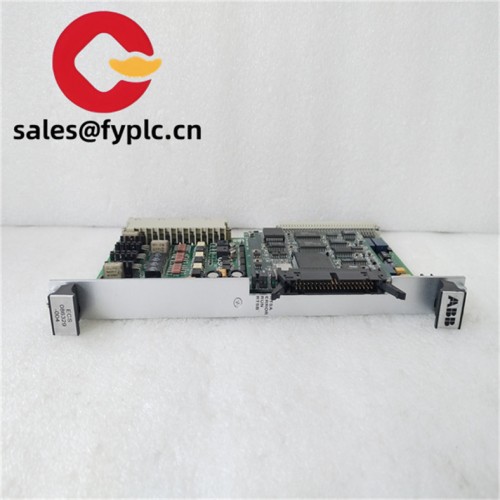
SCC-C Serial Communication Card – C‑revision module for PLC/DCS connectivity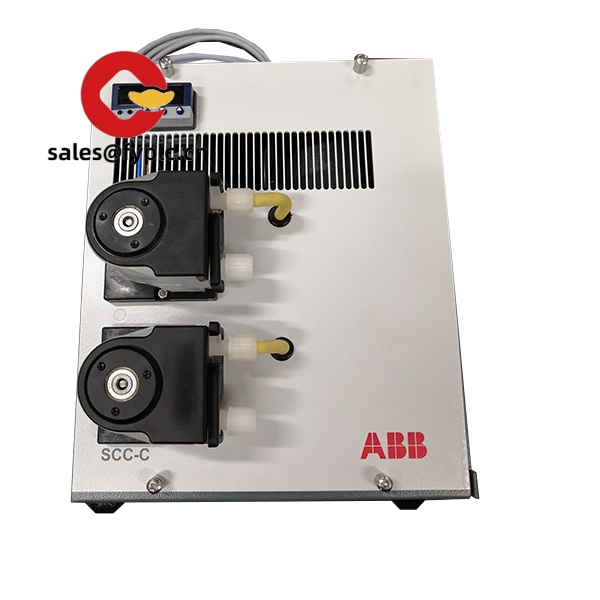
The SCC-C is typically used as a serial communication card (C‑revision) to add RS‑232/RS‑485 ports to a controller rack or node. From my experience, plants drop this module in when they need quick Modbus RTU/ASCII connectivity to drives, meters, weigh scales, barcode scanners, or legacy HMIs without redesigning the whole control system. You might notice that this “C” version tends to be favored for its stable firmware and wider protocol tolerance across mixed-vendor devices.
Order Placement Process and Guarantees
- Warranty: 365 days
- Delivery: 1 week if in stock; no more than one month at the latest
- Payment: 50% advance payment; full payment prior to delivery
- Express options: FedEx, UPS, DHL
Key Features
- Dual serial channels (RS‑232/RS‑485) – Typically offers two independent ports, handy for linking multiple third‑party devices without extra gateways.
- Modbus RTU/ASCII and raw ASCII – Commonly used for drives, power meters, data loggers; raw ASCII is useful for simple, custom protocols.
- Electrical isolation – In many cases 1.5 kVrms isolation helps reduce ground loop issues in long RS‑485 runs.
- Backplane powered – No separate supply; it draws low power from the controller base, keeping wiring tidy.
- Field‑proven settings – Typical baud from 1.2 to 115.2 kbps, parity/stop bit options, and 120 Ω termination on RS‑485.
- Compact footprint – Fits standard control cabinets; ideal for brownfield expansions where space is tight.
Technical Specifications
| Brand / Model | SCC-C (Serial Communication Card, C‑revision; OEM- and platform-dependent) |
| HS Code | 8538.90.0000 (Parts for switching/protection/control apparatus) |
| Power Requirements | Backplane powered; typically 5 VDC, ≤ 4 W (varies by platform) |
| Dimensions & Weight | Approx. 130 × 100 × 35 mm; ~0.2 kg (module only) |
| Operating Temperature | 0 to +55 °C; 5–95% RH non‑condensing (typical industrial spec) |
| Signal I/O Types | 2 × Serial channels (selectable RS‑232/RS‑485), opto‑isolated; termination/biasing on RS‑485 |
| Communication Interfaces | Modbus RTU/ASCII, transparent ASCII; 1.2–115.2 kbps; parity/stop bit configurable |
| Installation Method | Plugs into controller backplane or rack; panel‑mounted inside control cabinet |
Quick scenario: a packaging line needed live energy readings from two power meters and diagnostics from an older VFD. The SCC‑C took both Modbus RTU loops and had them trending in the PLC within half a shift. One thing I appreciate is how forgiving it seems to be with mixed baud rates and odd parity setups across different vendors.
Related or Supporting Products
- SCC‑B / SCC‑D – Earlier/later hardware revisions in the same family (check firmware compatibility and port isolation specs before swapping).
- Belden 3105A – 120 Ω shielded twisted pair cable for RS‑485 multi‑drop networks, reliable for longer runs.
- Phoenix Contact PSM‑ME‑RS485/RS485‑P – Isolated RS‑485 repeater for segmenting large networks or improving noise immunity.
- Moxa TCC‑80‑I – Compact RS‑232 to RS‑485/422 converter when you need a quick interface change at the device side.
- DB9/Terminal adapters – Screw‑terminal to D‑SUB adapters for clean, serviceable panel wiring.
Installation & Maintenance
- Cabinet & mounting – Install in a 19‑inch or standard control cabinet with adequate ventilation. Leave at least 25 mm clearance for airflow and service.
- Wiring practice – For RS‑485, use 120 Ω shielded twisted pair, daisy‑chain topology, termination at the ends only, and enable biasing on a single node to avoid bus contention.
- Grounding & isolation – Bond cable shields at one end (typically the panel end). Isolation on the card helps, but good grounding habits still matter in noisy environments.
- Configuration – Match baud, parity, stop bits, and slave IDs; for Modbus, validate polling intervals so slower instruments don’t overflow buffers.
- Maintenance – Periodically check terminal tightness, clean dust with dry air, and review diagnostic counters (timeouts, CRC errors). Firmware updates, when available, are best scheduled during planned downtime.
- Safety – De‑energize the rack before insertion or removal; observe ESD precautions to protect the communication ASICs.
Quality & Certifications
- Certifications typically include CE and RoHS; UL/cUL recognition is common depending on the OEM platform.
- Manufactured to industrial standards; exact conformity (CE/UL/ISO) may vary by SCC‑C platform variant.
- Covered by a 365‑day warranty through our order terms.
Note: Specifications above reflect common SCC‑C implementations used in PLC/DCS systems. If you share your controller family or rack part number, I can confirm exact port count, isolation rating, and firmware options for your specific SCC‑C variant.


Reviews
There are no reviews yet.