
Description
Yaskawa SGD7S-2R1F00A Sigma-7 Servo Drive – Single‑Axis, 200 V Class, Pulse/Analog Command for 200 W Applications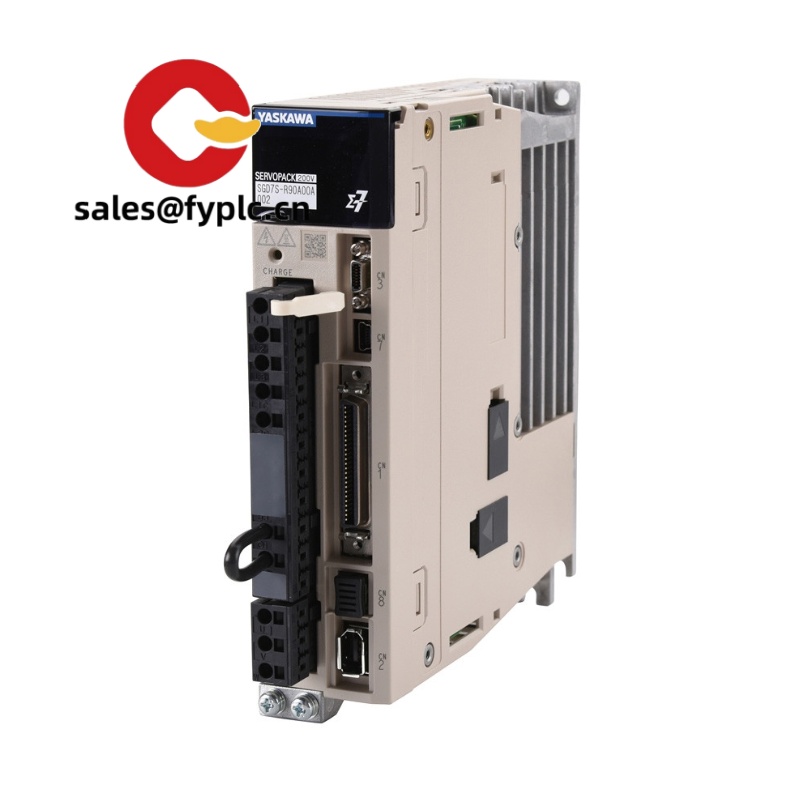
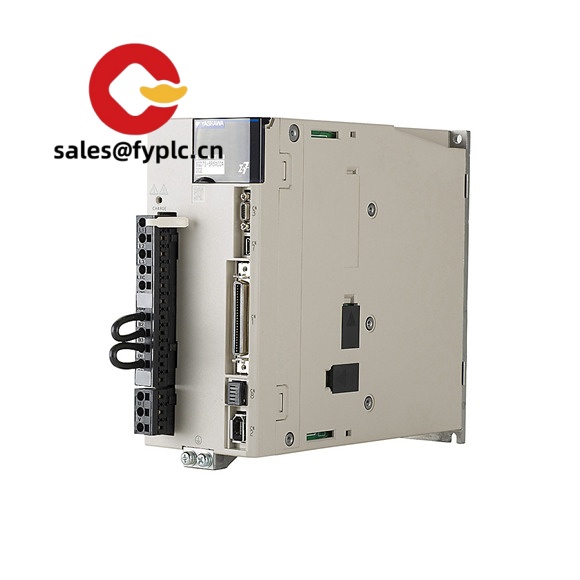
The Yaskawa SGD7S-2R1F00A is a Sigma‑7 single‑axis SERVOPACK designed for precise motion on compact machines—think pick‑and‑place heads, small indexing tables, and automated inspection stages. From my experience, the “2R1” capacity pairs well with 200 W class Sigma‑7 motors, giving you fast response and very clean positioning without overshoot. You might notice that the F00A interface variant is tailored for pulse train and analog velocity/torque commands, which makes retrofits straightforward when you’re replacing older pulse/analog drives or adding a single axis to an existing PLC platform.
Company’s Order Placement Process and Guarantees
- Warranty: 365 days coverage
- Lead time: In-stock typically ships in 1 week; no more than 1 month at the latest
- Payment: 50% advance; full payment prior to delivery
- Express options: FedEx, UPS, DHL
Key Features
- 200 V class, 200 W pairing – The 2R1 capacity is typically matched to 200 W Sigma‑7 servomotors, ideal for compact axes with quick cycles.
- Pulse/analog command (F00A) – Supports differential pulse train and ±10 V analog references; easy drop‑in for legacy analog/pulse systems.
- High response control – Sigma‑7 servo algorithms deliver fast settling; in many cases you can cut index time without touching mechanics.
- Advanced auto‑tuning – One‑touch tuning, vibration suppression, and load observer help stabilize flexible mechanisms with minimal setup.
- STO safety input – Built‑in Safe Torque Off (IEC 61800‑5‑2) typically used to meet SIL2/PL d architectures without external contactors.
- USB configuration – Parameterize and scope with SigmaWin+ via front USB; diagnostics are straightforward for maintenance teams.
- Compact book‑size housing – Saves cabinet width and simplifies multi‑axis layouts; heat dissipation is predictable with vertical mounting.
Technical Specifications
| Brand / Model | Yaskawa SGD7S-2R1F00A (Sigma‑7, single‑axis SERVOPACK) |
| HS Code (for reference) | 8504.40 (Static converters / servo drive) |
| Power Requirements | Main: 200–230 VAC, single‑phase, 50/60 Hz; Control power: 24 VDC |
| Capacity Match | 200 W class (typical pairing with Sigma‑7 200 W motors) |
| Signal Input / Output Types | Pulse train command (RS‑422 differential), ±10 V analog, standard digital I/O, motor encoder feedback via dedicated port, brake control output |
| Communication Interfaces | USB (front) for setup/monitoring with SigmaWin+; no fieldbus on F00A variant |
| Operating Temperature | 0 to +55 °C, 90% RH max (non‑condensing) |
| Installation Method | Panel mount (vertical), inside control cabinet; book‑size format |
| Dimensions & Weight | Small frame, ~50 mm width class; weight typically around 1 kg (varies slightly by options) |
| Safety | STO (Safe Torque Off), IEC 61800‑5‑2; typically applied to SIL2/PL d designs |
Related or Supporting Products
- Yaskawa SGM7J-02A (200 W, low inertia) – Common motor pairing for fast indexing and light payloads.
- Yaskawa SGM7A-02A (200 W, medium inertia) – Better damping on machines with higher moment of inertia.
- Yaskawa SGD7S-1R6F00A – 100 W analog/pulse version if you need a lower capacity on the same platform.
- Yaskawa SGD7S-3R5F00A – 400 W analog/pulse version for a bit more torque without changing the interface.
- Yaskawa SGDV-2R1A (Sigma‑5) – Legacy predecessor; workable as a retrofit reference but with older control bandwidth.
- Braking resistor (matched to 200 W class) – Recommended when frequent decel/stop cycles generate regen energy.
- Yaskawa SigmaWin+ software – Parameterization, autotuning, and oscilloscope tools via USB.
Installation & Maintenance
Proper cabinet layout tends to make or break servo performance. I usually keep these points in mind:
- Cabinet & ventilation – Mount vertically with clearances per Yaskawa guidelines; provide forced air if ambient exceeds ~40 °C. Avoid mounting above heat sources.
- Wiring – Separate motor power/brake leads from signal and encoder cables; use shielded, grounded cable for pulse/analog lines to minimize noise.
- EMC & grounding – Star‑point grounding and short, wide PE straps reduce common‑mode noise. Install ferrites on I/O if the environment is particularly “noisy”.
- Braking resistor – Size a regen resistor when rapid deceleration is frequent; check duty and allowable wattage.
- Tuning – Start with auto‑tune, then fine‑tune notch and vibration suppression for flexible axes. Save/backup parameters after any change.
- Routine maintenance – Quarterly dust cleaning, connector checks, and log any alarms. Firmware updates can add useful features, so it’s worth checking during scheduled downtime.
- Safety – Wire STO to a safety controller where applicable; verify stop category during commissioning and document the validation test.
A packaging OEM told us switching to the SGD7S 200 W class shaved roughly 15–20% off their cycle time with the same mechanics—mostly thanks to higher response and cleaner tuning. Results vary, but it seems to be a consistent improvement on light axes.
Quality & Certifications
- Conformity: CE, UL/cUL, RoHS (typical for Sigma‑7 series)
- Functional safety: STO per IEC 61800‑5‑2 (FSoE not applicable on this analog/pulse variant)
- Manufacturer quality system: ISO 9001 (Yaskawa production)
- Warranty: 365 days from our side; manufacturer’s standard warranty applies where available
Note: Specifications reflect the SGD7S-2R1F00A variant. For exact motor pairing, cable sets, or regen resistor sizing, share your load data (inertia, speed profile, supply voltage) and we’ll confirm selections before you place the order.

Reviews
There are no reviews yet.