
Description
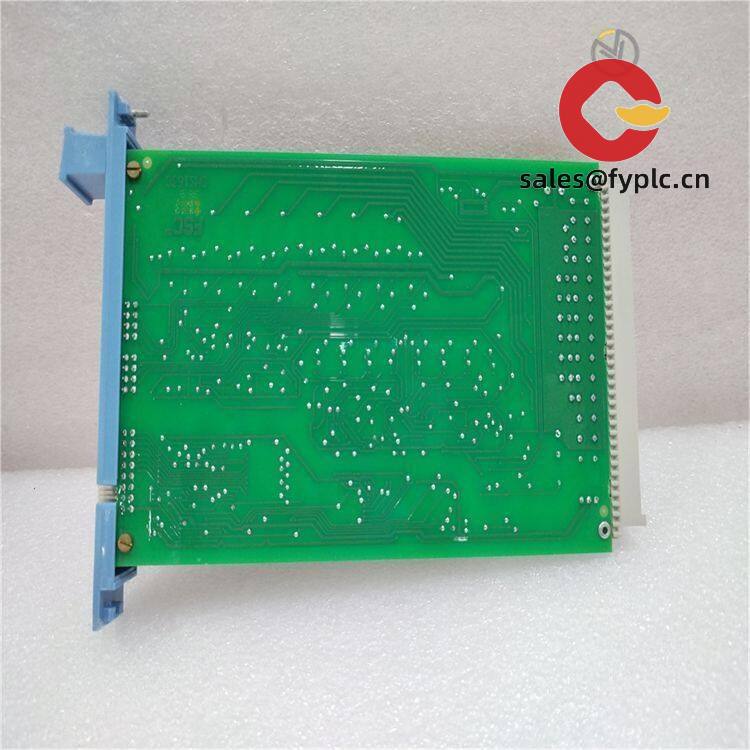
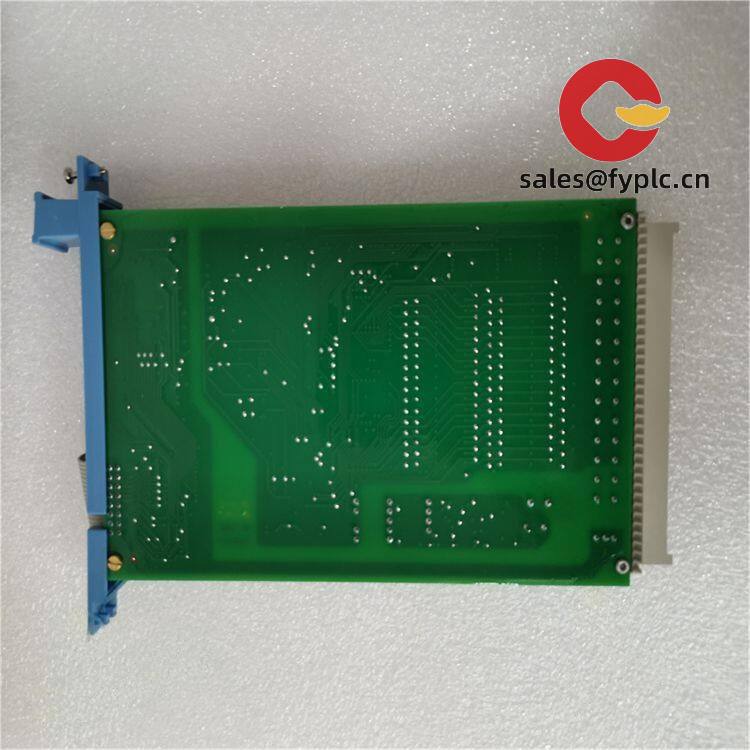
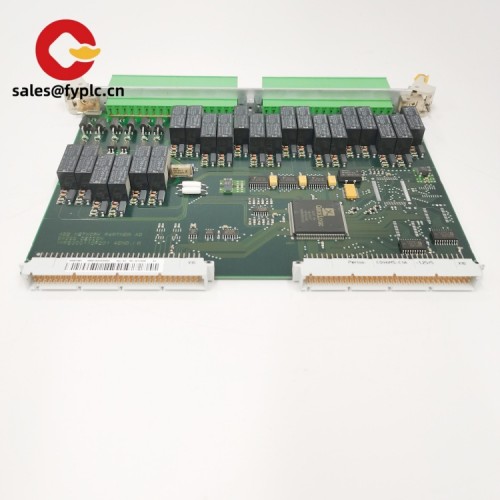
Honeywell TC-FXX132 – TC-Series DCS Interface Module for Legacy TPS/Experion Installations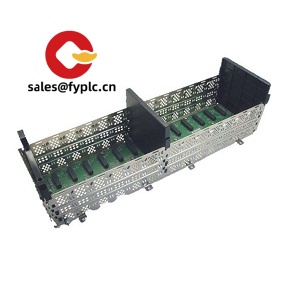
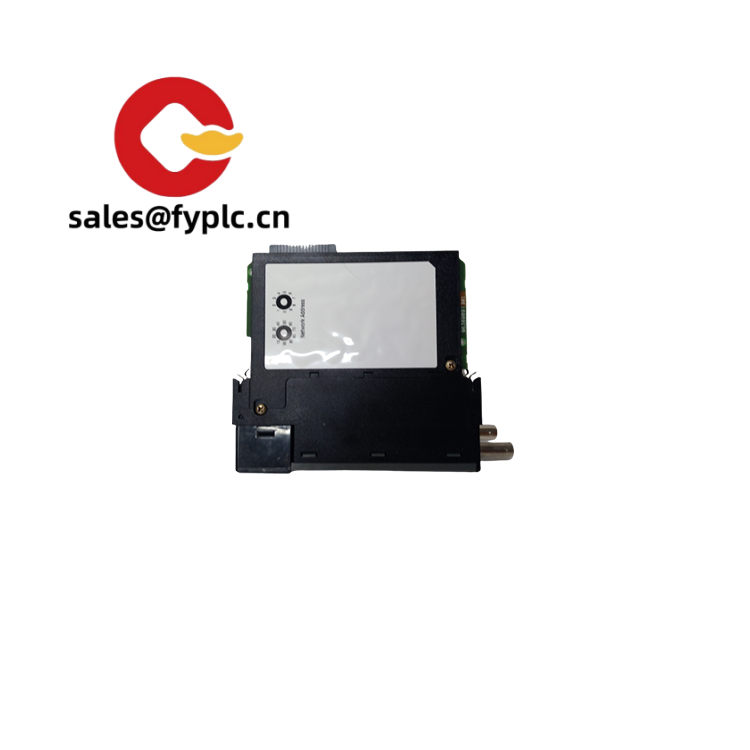
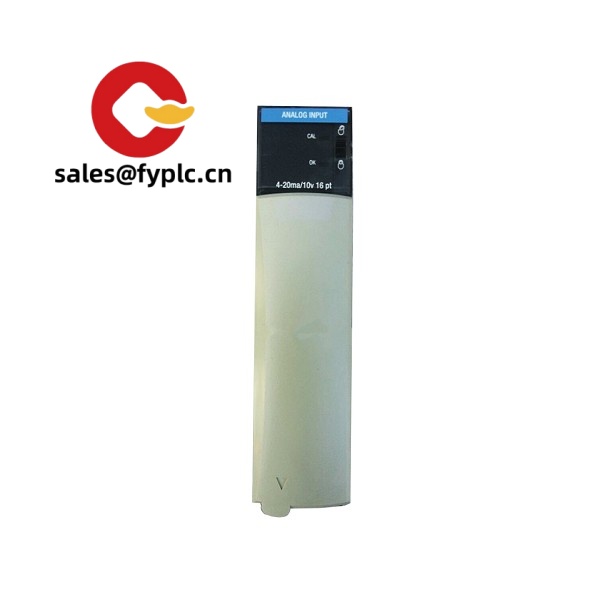
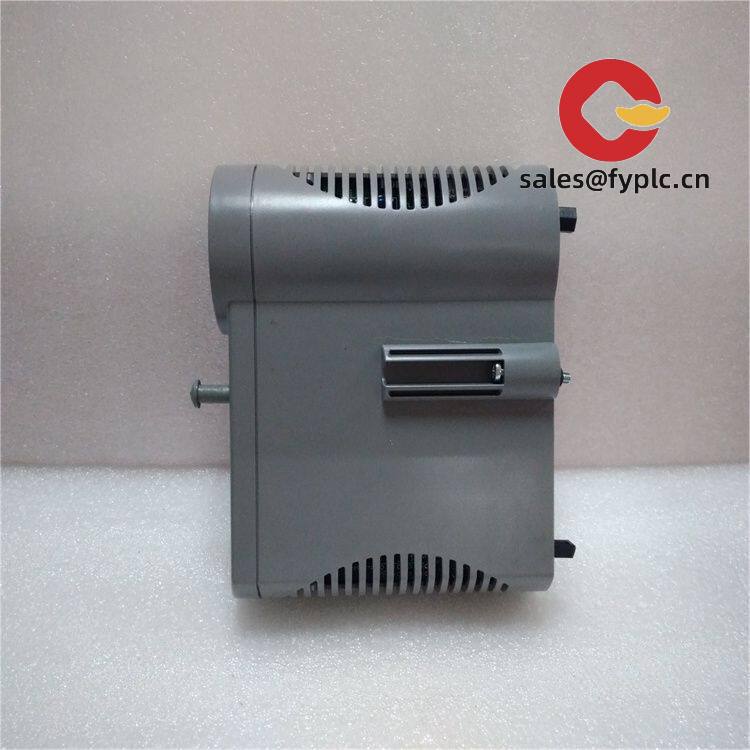
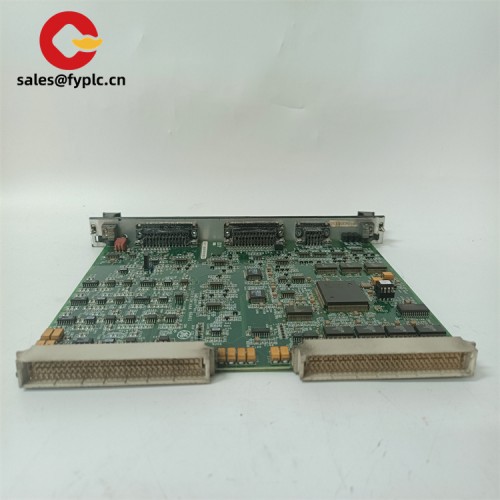
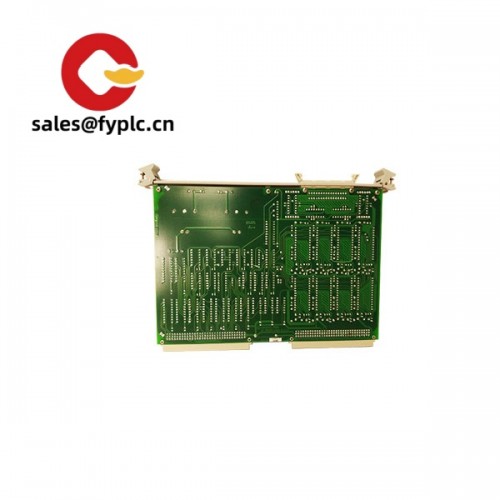
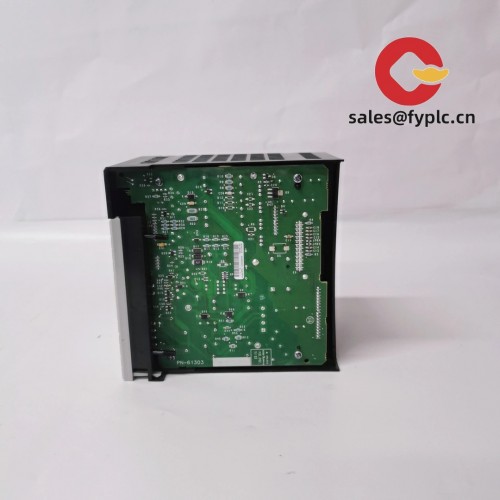
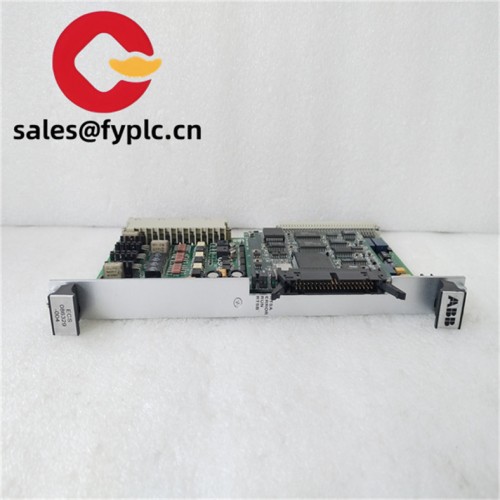
The Honeywell TC-FXX132 is part of the TC‑series plug-in modules found across many Honeywell TPS/TDC and, in some cases, mixed Experion environments. In practical terms, it functions as a system interface module on the Honeywell backplane—no field wiring on the module itself—typically used to handle internal communications and subsystem linkage within a controller node. Plants lean on it to keep legacy segments stable while upgrading around them, which is why it’s often stocked as a critical spare.
One thing I appreciate is how it slots straight into the standard Honeywell card file without fuss. Power is drawn from the rack, and there’s no special external supply, so swaps can be quick if you follow ESD rules and standard de-energize procedures. From my experience, the TC-FXX132 is chosen when you need a like-for-like replacement to reduce downtime and avoid requalification of adjacent systems.
Order Placement Process and Guarantees
- Warranty: 365 days coverage from delivery
- Lead time: typically 1 week if in stock; no more than one month at the latest
- Payment terms: 50% advance payment; full payment prior to delivery
- Express options: FedEx, UPS, DHL
- Each unit is function-checked before dispatch; anti-static packaging and shock protection included
Key Features
- Backplane system interface – Designed to communicate over Honeywell’s proprietary system bus (LCN/UCN class), not for direct field I/O.
- Rack-powered – Draws power from the Honeywell card file; no external power wiring, which simplifies maintenance.
- Form-fit replacement – Fits standard Honeywell TC-series slots, helping reduce change management in running plants.
- Service-friendly – Typically supports quick module exchange with proper ESD handling; minimal reconfiguration in most cases.
- Legacy continuity – Useful for sustaining TPS/TDC infrastructure while migrating higher layers to Experion.
- High availability usage – Often deployed in redundant nodes; many sites keep a pairing strategy for fast recovery.
Technical Specifications
| Brand / Model | Honeywell TC-FXX132 |
| HS Code | 853890 (Parts for control panels/industrial control equipment) |
| Power Requirements | Powered via Honeywell system backplane; no external supply connection |
| Operating Temperature | Typically 0 to 50°C (control-room environment) |
| Signal I/O Types | No direct field I/O; module functions as a system/communication interface |
| Communication Interfaces | Honeywell proprietary system bus (LCN/UCN class) via backplane |
| Installation Method | Plug-in TC-series module for Honeywell card file/rack; ESD-safe handling required |
| Redundancy Use | Commonly used in redundant node configurations (site-dependent) |
Related or Supporting Products
- Honeywell TC-FXX102 – Earlier/alternate TC-series interface module; similar role with different hardware revision.
- Honeywell TC-CCR013 / TC-CCR014 – Common TC-series rack/cabling accessories used in the same card files.
- Honeywell C200/C300 controller nodes – Often paired at the system level; the TC-FXX132 helps maintain communication within legacy segments.
- Honeywell IOTA/FTA assemblies (various P/N) – Required for field wiring on I/O modules; not needed by TC-FXX132 itself but relevant in the same cabinets.
Installation & Maintenance
- Cabinet & environment – Install in a Honeywell-approved card file within a clean, temperature-controlled cabinet. Provide front and rear clearance for airflow; avoid hot spots near power supplies.
- Wiring & grounding – The module rides the backplane; verify chassis ground integrity and tightness of rack connectors before insertion. No field terminations on the module.
- ESD & handling – Use an ESD wrist strap and antistatic mat. Always de-energize the node unless your site procedure explicitly allows online replacement.
- Commissioning – After insertion, check system diagnostics from the station/console. In many cases the module is recognized automatically if it’s a direct replacement.
- Routine maintenance – Keep card edge connectors clean (lint-free swab, approved contact cleaner), inspect for dust buildup quarterly, and record module serial/revision data in the asset log. Firmware on these legacy modules is usually fixed; align revisions across redundant pairs when applicable.
- Spares strategy – Many plants keep two units on site for redundancy and fast swap—seems to be the most cost-effective approach for legacy uptime.
Quality & Certifications
- CE-marked and UL/CSA recognition typically applicable to Honeywell TC-series hardware (verification can depend on exact hardware revision).
- Manufactured under ISO 9001 quality systems.
- RoHS status may vary by vintage; we can confirm per serial/revision on request.
- Supplier warranty: 12 months (365 days) from delivery.
You might notice that lead times on TC-series cards fluctuate. If your window is tight, share the node type and rack details and we’ll match a tested unit that drops in without configuration surprises.

Reviews
There are no reviews yet.