
Description
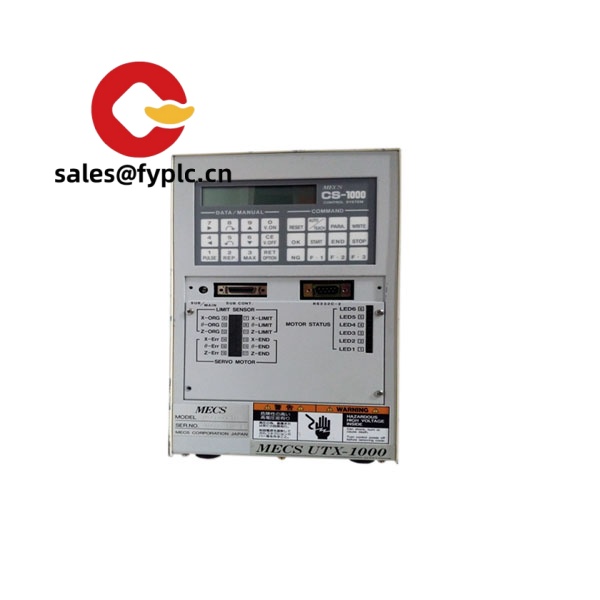
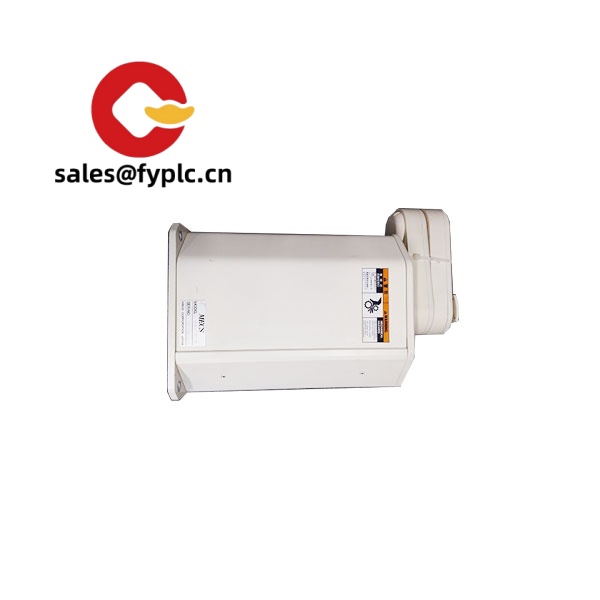
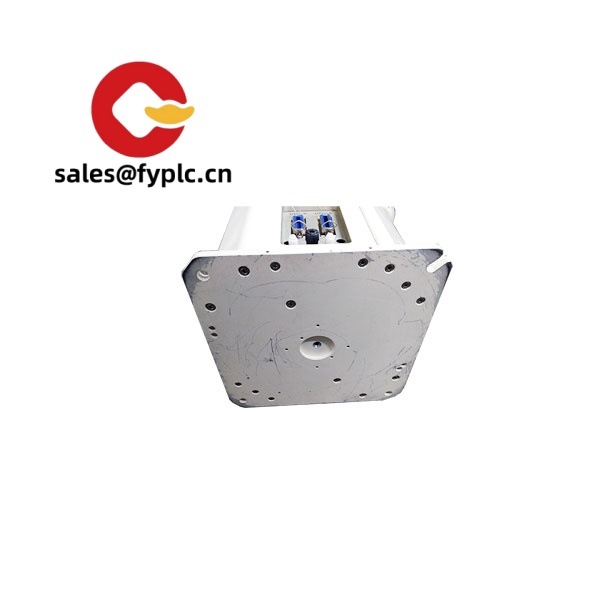
MECS UTX1700PTFE – Ultrasonic Level Transmitter for Corrosive Chemical Storage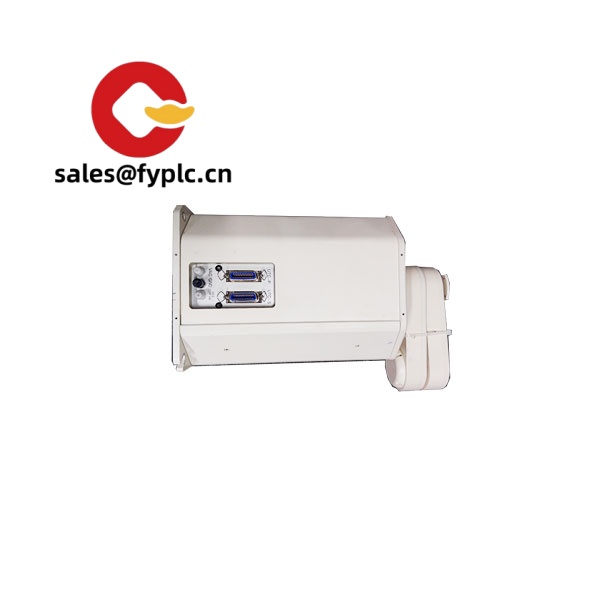
The MECS UTX1700PTFE is designed for non-contact level measurement in aggressive media—think sulfuric acid, alkali scrubbers, and mixed chemical tanks where you want reliable readings without exposing the sensor to harsh liquids. One thing I appreciate is the PTFE-wetted front end, which typically handles most corrosives and reduces the need for frequent replacements. In many cases, users adopt it on tank tops where contact probes struggle with coating or crystallization.
Company’s Order Placement Process and Guarantees
- Warranty: 365 days.
- Delivery time: 1 week if in stock; no more than one month at the latest.
- Payment: 50% advance payment; full payment before delivery.
- Express options: FedEx, UPS, DHL.
Key Features
- PTFE-wetted ultrasonic face – Resists acids and solvents; helps prevent buildup and chemical attack in most corrosive applications.
- Non-contact measurement – Reduces fouling and process intrusion, especially helpful with viscous or crystallizing media.
- 4–20 mA output – A stable, loop-powered signal that drops into existing DCS/PLC analog inputs without fuss.
- Typical range for liquids up to ~8 m – Suitable for day tanks, bulk storage, and neutralization sumps; actual range depends on tank geometry and vapor conditions.
- Rugged enclosure (IP66/67 style) – Handles washdown and outdoor cabinets in most cases; good for chemical plants.
- Simple top-mount installation – Commonly supplied with 2″ NPT or DN50 mounting; minimal tank modifications.
- HART diagnostics (on many builds) – A quick way to fine-tune blanking distance, damping, or get echo profiles during commissioning.
From my experience, this model shines in acid storage where foam and vapor are present but not extreme. A maintenance lead at a fertilizer plant told us they swapped from contact rods to UTX1700PTFE on their sulfuric day tanks and cut cleaning intervals by more than half.
Technical Specifications
| Brand / Model | MECS UTX1700PTFE |
| HS Code | 9026.80 (instruments for measuring level/flow/pressure of liquids or gases – other) |
| Power Requirements | 12–30 VDC, loop-powered (24 VDC nominal) |
| Measurement Range (liquids) | Typically up to ~8 m (range depends on tank conditions and surface turbulence) |
| Operating Temperature (ambient) | -20 to +60 °C typical; consult for extended builds |
| Wetted Materials | PTFE front face and chemical-resistant polymers for corrosive service |
| Signal I/O | 4–20 mA (2-wire); optional HART diagnostics on many configurations |
| Communication Interfaces | HART (typical); Modbus RTU variants may be available on request |
| Ingress Protection | IP66/67 style enclosure (field-mount) |
| Installation Method | Top-of-tank, typically 2″ NPT or DN50 flange; ensure clear beam path and proper blanking distance |
| Dimensions & Weight | Compact field housing; approx. sensor head Ø ~90 mm, height ~200 mm, weight ~1.0–1.2 kg (varies by build) |
Related or Supporting Products
- Siemens SITRANS Probe LU240 – Similar non-contact ultrasonic; stronger diagnostics and Bluetooth app, but PVC/PP wetted parts vs PTFE focus.
- Endress+Hauser Prosonic FMU30 – Compact ultrasonic; good for water/wastewater; PTFE-lined options are more limited.
- VEGA VEGASON 61 – Robust ultrasonic head; broad accessory ecosystem; check chemical compatibility per seal options.
- PTFE-lined isolation valves (DN50) – Helpful as a mounting spool to reduce vapor splash and provide service isolation.
- Surge protectors for 4–20 mA loops – Extends transmitter life in outdoor or high-noise panels.
Installation & Maintenance
- Mounting environment: Install on a rigid tank nozzle or bracket; keep the ultrasonic beam clear of ladders, agitators, and fill pipes. Use a stilling well if turbulence or foam is persistent.
- Cabinet and wiring: For outdoor runs, route shielded twisted-pair cable back to a dry, ventilated cabinet. Maintain proper grounding and avoid sharing conduits with VFD outputs.
- Ventilation: If the tank vents aggressive vapors, a short PTFE-lined standpipe or fume shroud typically improves echo stability.
- Safety: Lockout/tagout before any adjustment; verify that the transmitter is mounted outside splash and pressure zones. Check chemical compatibility of all gaskets and threads.
- Commissioning tips: Set near/far blanking to ignore nozzles; enable damping to smooth wave action; review echo profiles via HART during startup.
- Routine maintenance: Wipe the PTFE face periodically with a soft lint-free cloth; verify 4–20 mA scaling quarterly; update firmware when available (where supported).
Quality & Certifications
- CE compliant; RoHS aligned materials on most configurations.
- Manufactured under ISO 9001 quality systems.
- Hazardous area options may be available (ATEX/IECEx) depending on build; confirm prior to ordering.
- Manufacturer’s warranty: 12 months (365 days).
If your process has unusual foam, heavy vapors, or very tall narrow tanks, share a quick sketch or a P&ID. It seems to make a real difference in selecting the right nozzle length and blanking settings for the UTX1700PTFE, and it typically saves time on site.

Reviews
There are no reviews yet.