
Description
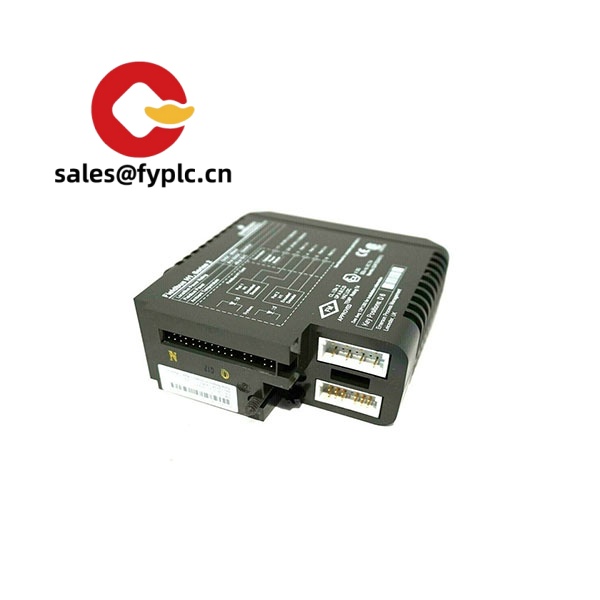
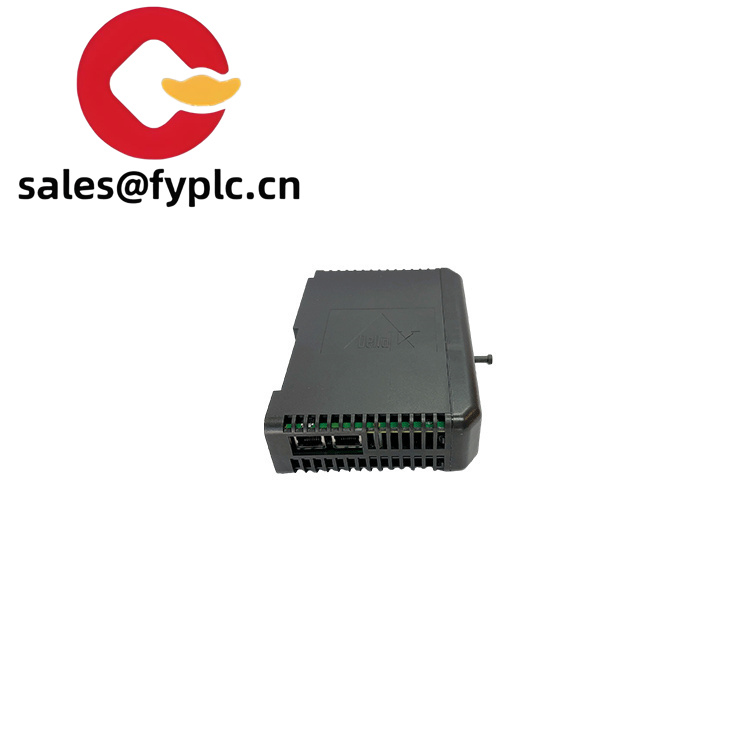
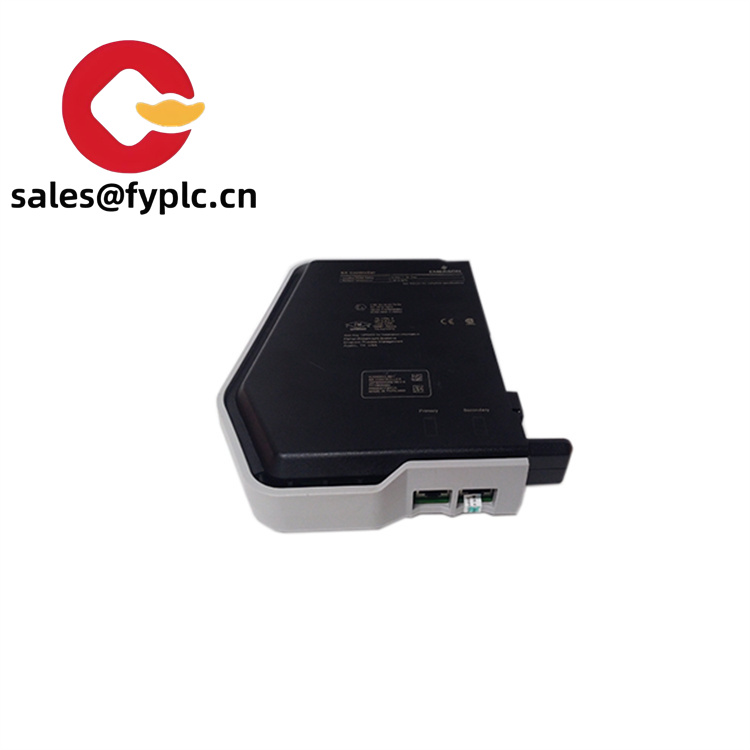
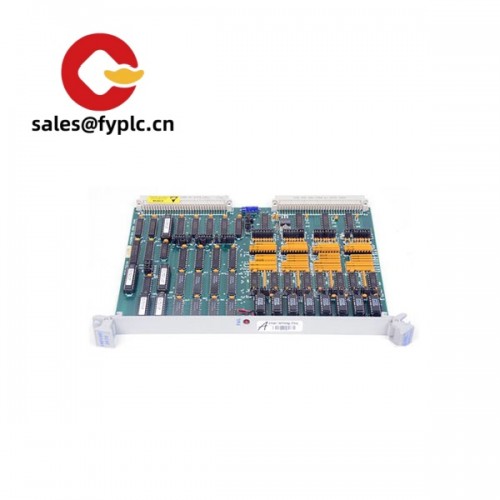
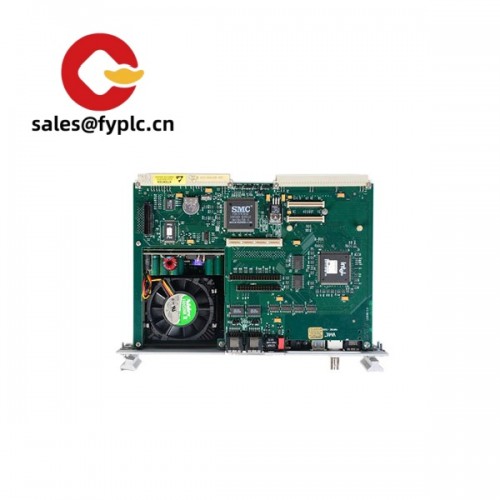
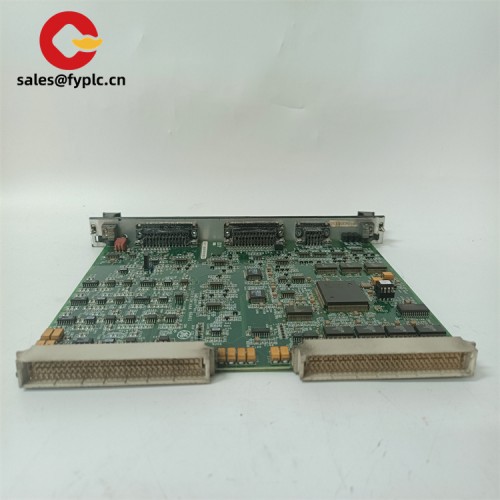
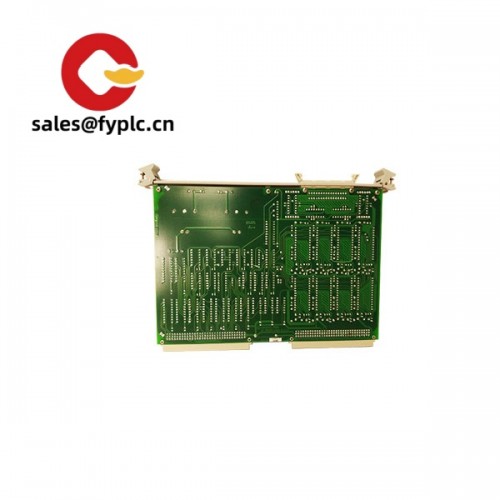
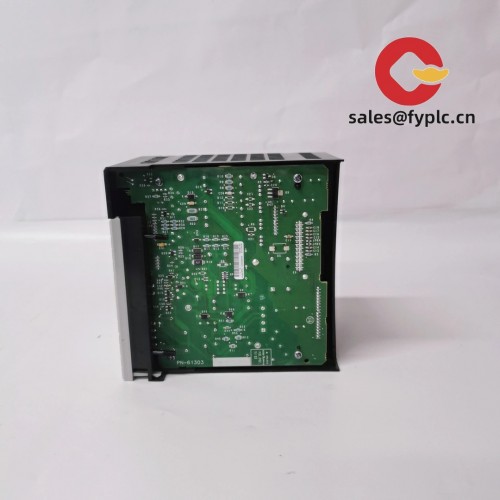
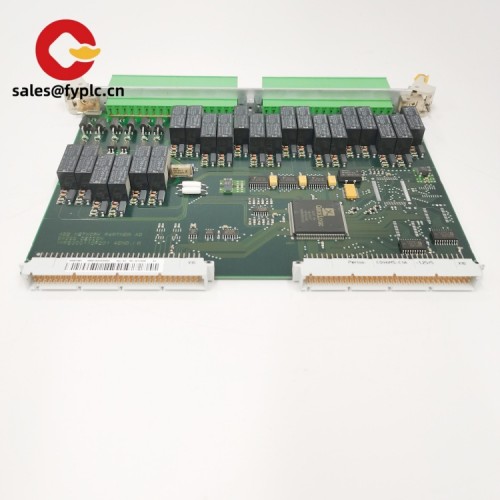
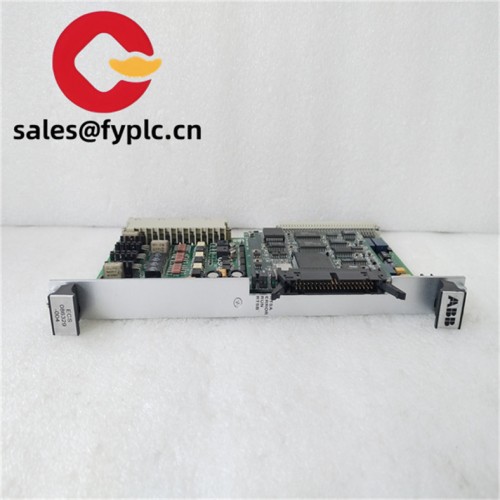
EMERSON VE4050E1C0 Network Interface Module – Reliable Ethernet connectivity for VE-series DCS nodes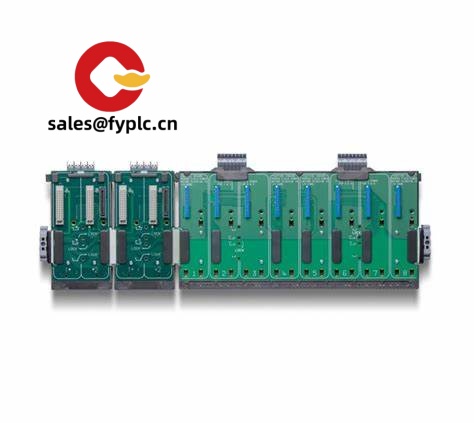
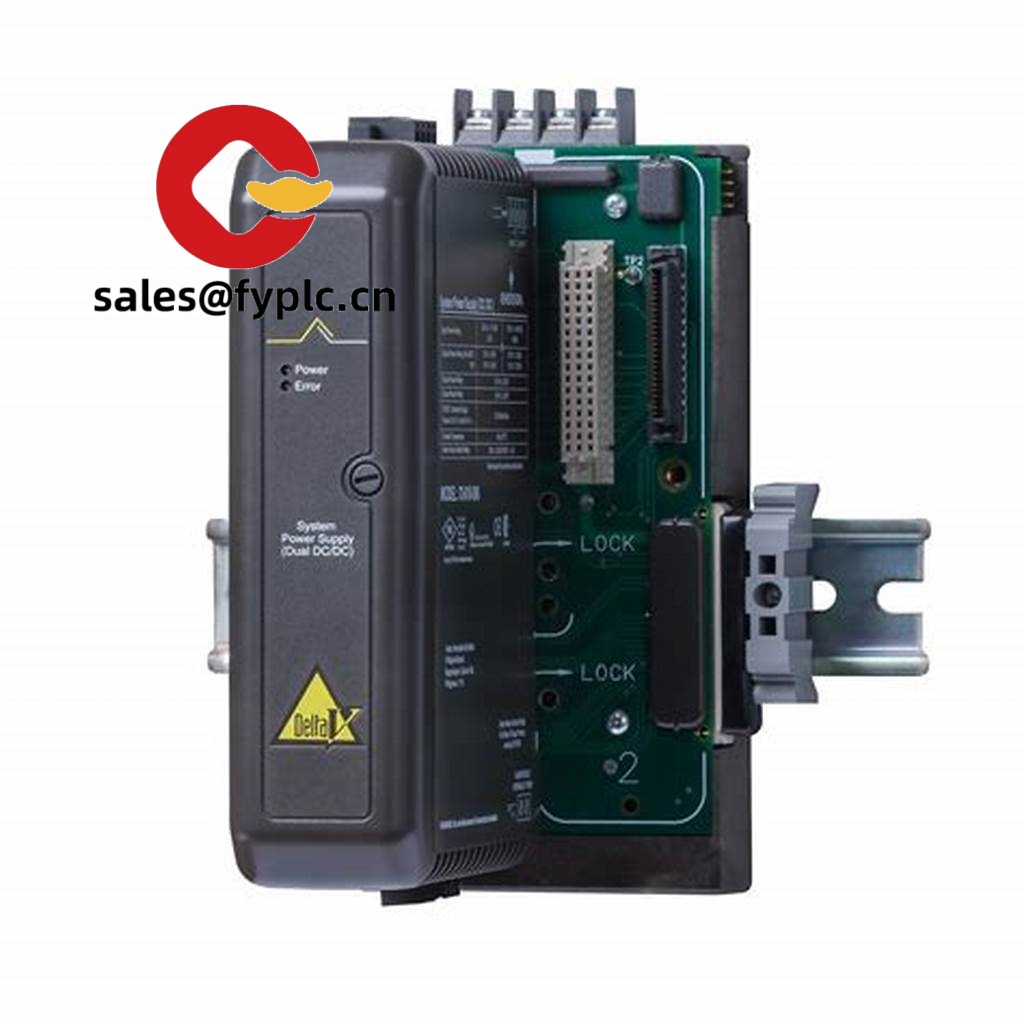
The EMERSON VE4050E1C0 is a VE-series communication module designed to provide stable, redundant Ethernet links within Emerson DCS architectures. From my experience, it’s typically used to bridge controllers, I/O nodes, and workstations over industrial Ethernet with predictable performance and straightforward diagnostics. You might notice that it follows the familiar VE4xxx mechanical format, so it drops into the standard VE-series carrier/baseplate with minimal fuss—handy when you’re trying to keep downtime short.
Our Order Placement Process and Guarantees
- Warranty: 365 days
- Delivery: 1 week for in-stock; no more than one month at the latest
- Payment: 50% advance payment; full payment for delivery
- Express options: FedEx, UPS, DHL
Key Features
- Redundant Ethernet connectivity – Typically supports dual 10/100Base‑T Ethernet for high availability in control networks.
- Backplane-powered integration – Draws 24 VDC from the VE-series carrier, keeping cabinet wiring clean and consistent.
- Status and diagnostics LEDs – Clear link/activity and module health indicators make on-site checks quick.
- Designed for harsh industrial panels – In many cases validated for 0…55 °C operation; suitable for most control room environments.
- Hot-swap in redundant setups – Field teams typically replace one module at a time without a total shutdown (consult your DCS redundancy rules).
- Clean fit with VE-series mechanics – Slides into the standard VE-series baseplate; no special mounting kits in typical cabinets.
Technical Specifications
| Brand / Model | EMERSON VE4050E1C0 |
| HS Code | 853890 (commonly declared for control-system spare modules) |
| Power Requirements | 24 VDC nominal via VE-series backplane; typical consumption < 5 W |
| Dimensions & Weight | Approx. 280 × 130 × 30 mm; ~0.35 kg (module only) |
| Operating Temperature | 0 to 55 °C (typical control room rating) |
| Signal I/O Types | Industrial Ethernet data communications; no direct analog/discrete field channels |
| Communication Interfaces | Typically 2 × RJ45 10/100Base‑T Ethernet (redundant); service/diagnostic port as implemented by system |
| Installation Method | Plugs into VE-series baseplate/carrier; cabinet mounting via carrier (DIN-rail or panel) |
Related or Supporting Products
- VE-series carriers/baseplates – Required for module power and backplane signaling; choose slot count based on cabinet layout.
- Industrial Ethernet switches (ring-capable) – For redundant topologies (e.g., MRP/RSTP); Hirschmann or Moxa are commonly used in similar networks.
- Shielded RJ45 patch cords, Cat5e/Cat6 – Maintain EMI immunity inside high-noise control cabinets.
- Fiber media converters (if long runs) – Useful when the control network extends beyond copper limits or requires galvanic isolation.
- Comparable VE-series Ethernet modules – In many cases, customers keep a second VE-series Ethernet card on hand for fast swap in redundant pairs.
One thing I appreciate is how easily this module pairs with standard VE carriers—stocking one spare alongside the carrier minimizes scramble time during a fault. A customer in a gas turbine plant mentioned they swapped a single unit in under 10 minutes with no process upset thanks to redundancy.
Installation & Maintenance
- Cabinet and environment – Install in a clean, dry control cabinet meeting IEC/UL panel standards. Keep ambient within 0…55 °C and ensure steady airflow; avoid mounting near high-heat drives.
- Wiring and grounding – Use shielded Cat5e/Cat6; terminate shields at one end to reduce ground loops. Maintain a solid panel ground and segregate Ethernet from high-voltage runs.
- Redundancy practices – If your system is redundant, replace one module at a time and verify link health on both ports before moving on. Typically, no controller reboot is required for a like-for-like swap.
- ESD and handling – Treat as a static-sensitive device: wrist strap, anti-static bag, and avoid touching the connector pins.
- Routine checks – Inspect connectors quarterly, clean dust with dry air, and confirm link/alarm LEDs show normal state. Review event logs for intermittent link drops.
- Firmware and configuration – Back up configuration before updates. Apply firmware only from the approved DCS release to keep compatibility stable.
Quality & Certifications
- CE and UL compliance (typical for VE-series modules)
- RoHS-compliant manufacturing
- Produced under ISO 9001 quality systems
- Manufacturer’s warranty: 12 months (365 days)


Reviews
There are no reviews yet.