
Description
GE VMIVME-M-485 – RS‑485 Interface Module for VMIVME Serial Controllers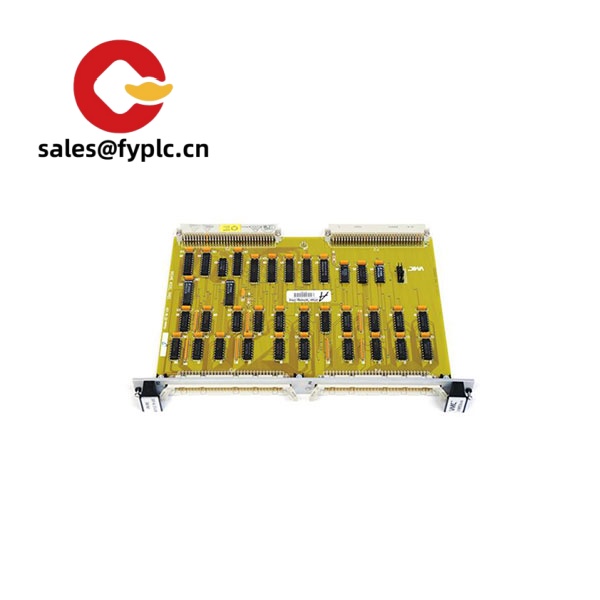
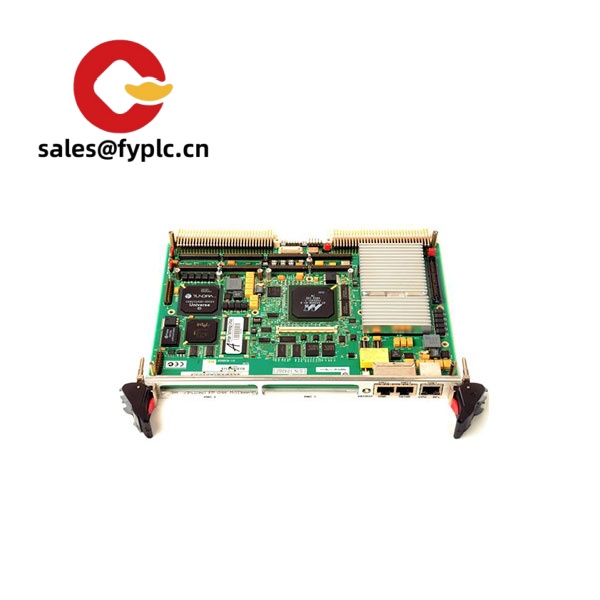
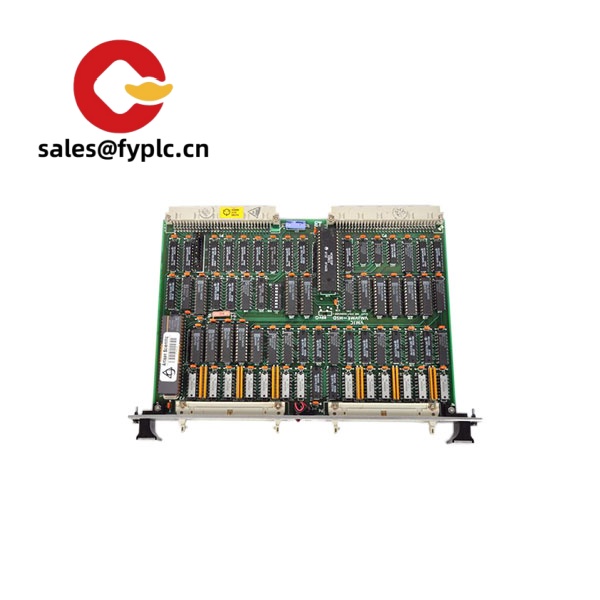
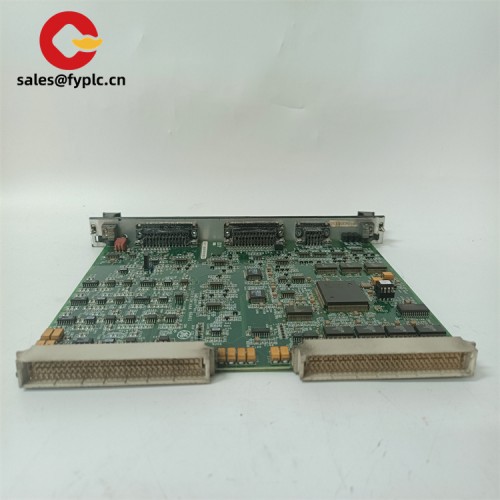
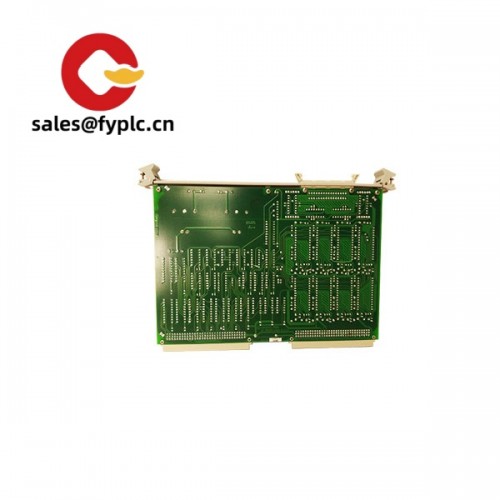
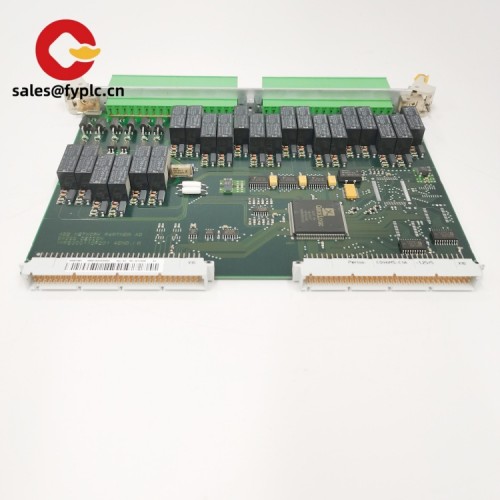
The GE (VMIC/GE Intelligent Platforms) VMIVME-M-485 is an RS‑485 interface module designed to equip compatible VMIVME multiport serial controller boards with robust EIA‑485 signaling. From my experience, this “personality” module is typically used to convert each channel on a host VMIVME serial card—such as VMIVME‑6015 or VMIVME‑6016—into industrial RS‑485 lines for field devices. If you’re running Modbus RTU networks, distributed drives, remote I/O, or long-distance multi-drop links in a VME-based system, this is the small add-on that makes those ports field-ready.
One thing I appreciate is how cleanly it integrates: no extra slot in the chassis, no separate power supply—it draws power through the host board and keeps your wiring predictable. You might notice that installations are easier when you can standardize to 2‑wire half‑duplex or 4‑wire full‑duplex without changing the base card.
Company’s Order Placement Process and Guarantees
- Warranty: 365 days from delivery.
- Lead time: 1 week if in stock; no more than 1 month at the latest.
- Payment: 50% advance payment; full payment prior to delivery.
- Express options: FedEx, UPS, DHL.
- Each unit is function-checked prior to shipment; interface and connector options verified per order to avoid surprises.
Key Features
- RS‑485 for VMIVME serial cards – Adds EIA‑485 electrical layers to compatible VMIVME multiport serial controllers.
- 2‑wire or 4‑wire operation – Supports half‑duplex (2‑wire) and full‑duplex (4‑wire) topologies commonly used in Modbus RTU and proprietary field links.
- Selectable termination and bias – In many cases, ports can be configured with onboard termination/bias to stabilize idle states on long bus runs.
- Long-distance, noise-resistant signaling – Differential RS‑485 improves reliability over extended cable lengths in industrial environments.
- No extra slot required – Installs as a mezzanine/interface module on the host board; power is supplied via the VMIVME controller.
- Flexible I/O breakout – Connection style typically follows the host’s breakout/transition module (D‑sub or terminal blocks), keeping cabinet wiring tidy.
Technical Specifications
| Brand / Model | GE (VMIC / GE Intelligent Platforms) VMIVME-M-485 |
| HS Code | 8538.90 (Parts for electrical control apparatus; typical classification for interface modules) |
| Power Requirements | Powered via host VMIVME serial controller; typically +5 VDC from VME backplane through host, < 3 W per module |
| Dimensions & Weight | Compact mezzanine form factor; typically under 100 × 60 mm; approx. 0.1–0.15 kg |
| Operating Temperature | 0 to +55°C (typical for this series; confirm per build and date code) |
| Signal I/O Types | EIA‑485 differential; 2‑wire half‑duplex or 4‑wire full‑duplex; selectable termination/bias in many configurations |
| Communication Interfaces | RS‑485 channels matching the host card’s port count; external connectors typically via the host’s breakout or transition module (D‑sub or terminal block) |
| Installation Method | Mezzanine/interface module mounted to compatible VMIVME serial controller (e.g., VMIVME‑6015/6016); no separate VME slot required |
Related or Supporting Products
- VMIVME‑6015 / VMIVME‑6016 – Multiport serial controller boards that the VMIVME‑M‑485 typically mates with; choose based on required port count and performance.
- VMIVME‑M‑232 – RS‑232 interface module variant; suited for point‑to‑point short runs and service consoles.
- VMIVME‑M‑422 – RS‑422 interface module variant; good for long point‑to‑point links with differential signaling.
- Transition/Breakout Modules – D‑sub or terminal‑block panels matched to your chassis and cable strategy; helps simplify cabinet wiring.
Feedback from a maintenance lead at a packaging plant: “Switching our VMIVME serial cards to M‑485 let us consolidate three Modbus RTU drops into one cabinet and keep the noise out. Termination options saved us a lot of guesswork.”
Installation & Maintenance
- Cabinet & cooling – Install the host VMIVME card in a standard VME/VME64x chassis with adequate forced-air cooling. Keep airflow paths clear and allow space for cable strain relief.
- Wiring practices – Use twisted-pair cable for A/B lines; keep shield grounded at a single point. Enable termination at the physical bus ends only; apply bias at one node to avoid contention.
- Grounding & noise – Maintain a stable reference; avoid ground loops. Route RS‑485 away from high‑power conductors where possible.
- ESD handling – Handle the module using ESD protection; seat connectors evenly and secure fasteners per the host board instructions.
- Routine checks – Periodically inspect connectors, tighten terminal screws, verify termination, and review host firmware for updates that improve serial timing or protocols.
- Commissioning tip – If the bus is unstable, remove all but two nodes, validate echo/duplex settings, then add devices while monitoring line bias and termination.
Quality & Certifications
- CE compliant for EMC/low-voltage in most builds of this series; RoHS status can vary by production date (we confirm lot by lot).
- Manufactured under ISO 9001 quality systems; components typically UL Recognized.
- 365-day warranty; replacements or returns supported if the module does not meet functional specifications in your configuration.

Reviews
There are no reviews yet.