
Description
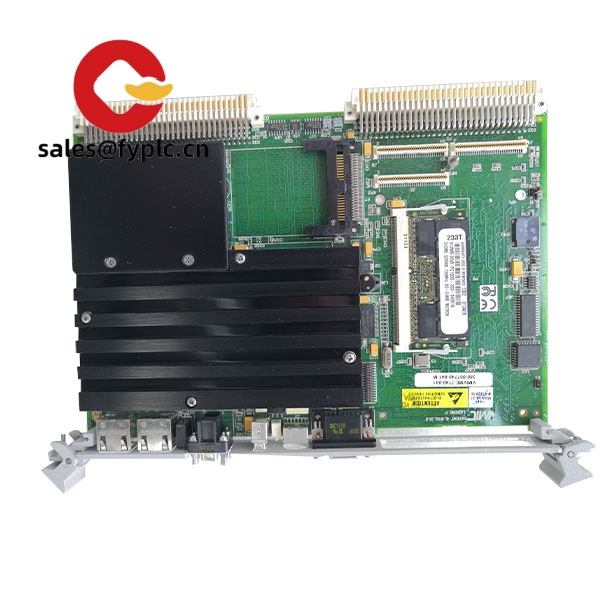
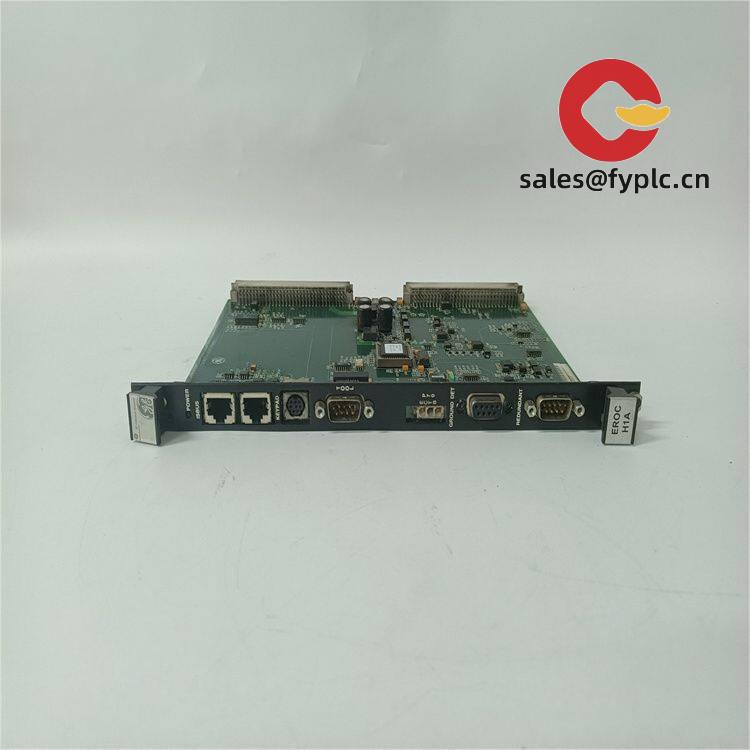
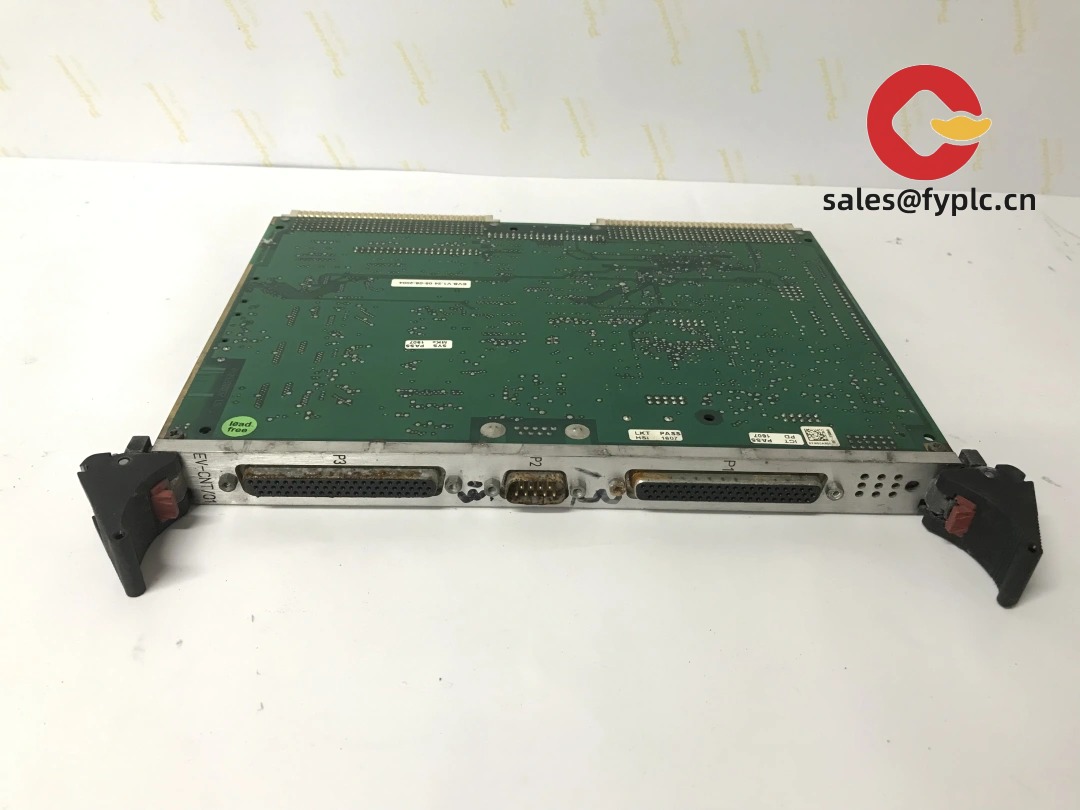
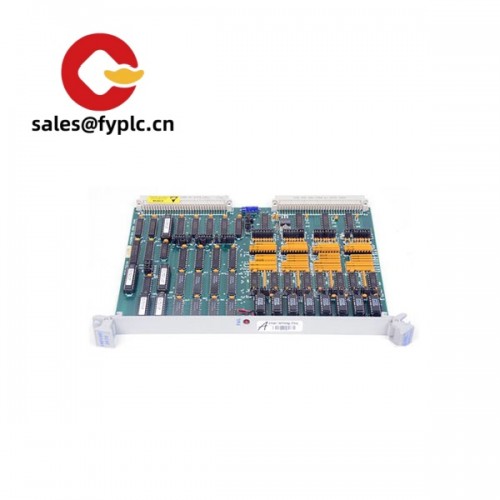
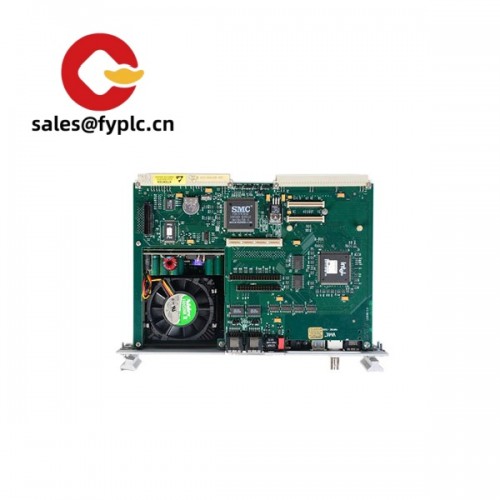
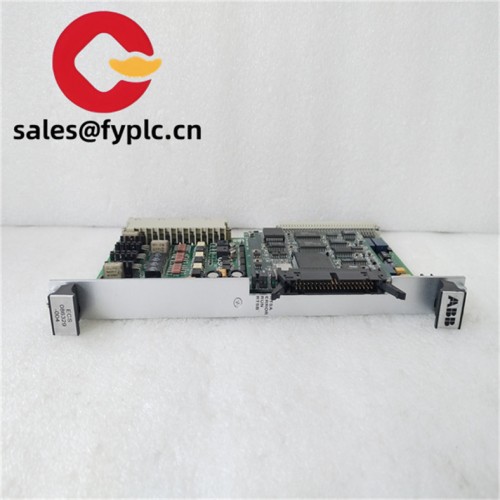
GE Fanuc VMIC VMIVME-7686 – 6U VMEbus Single-Board Computer for reliable legacy system upgrades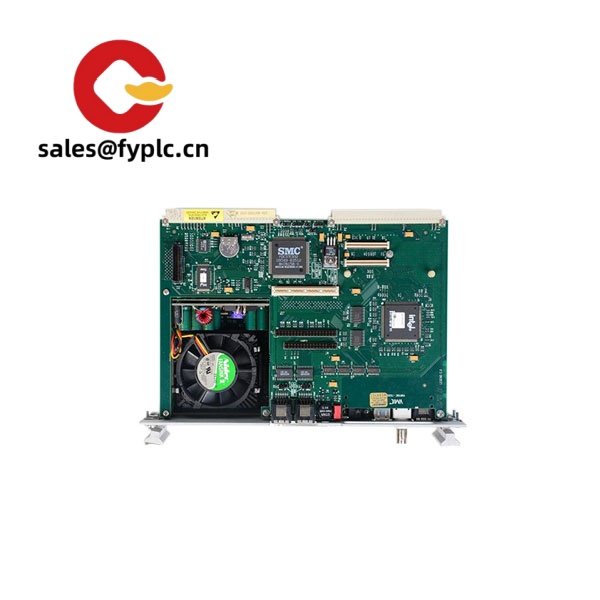
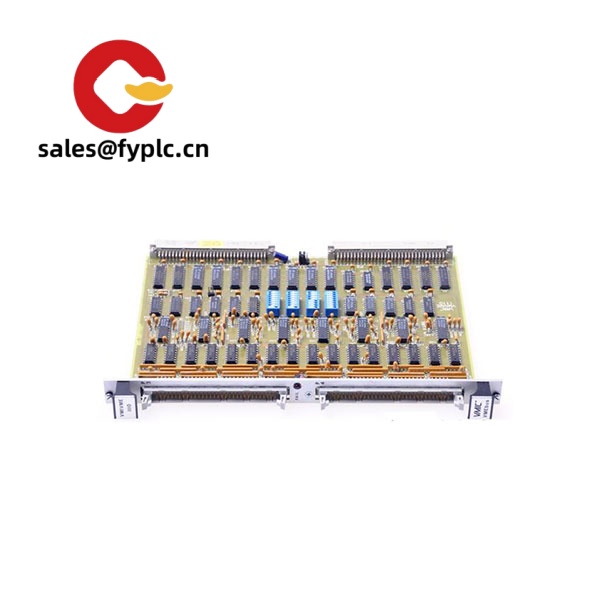
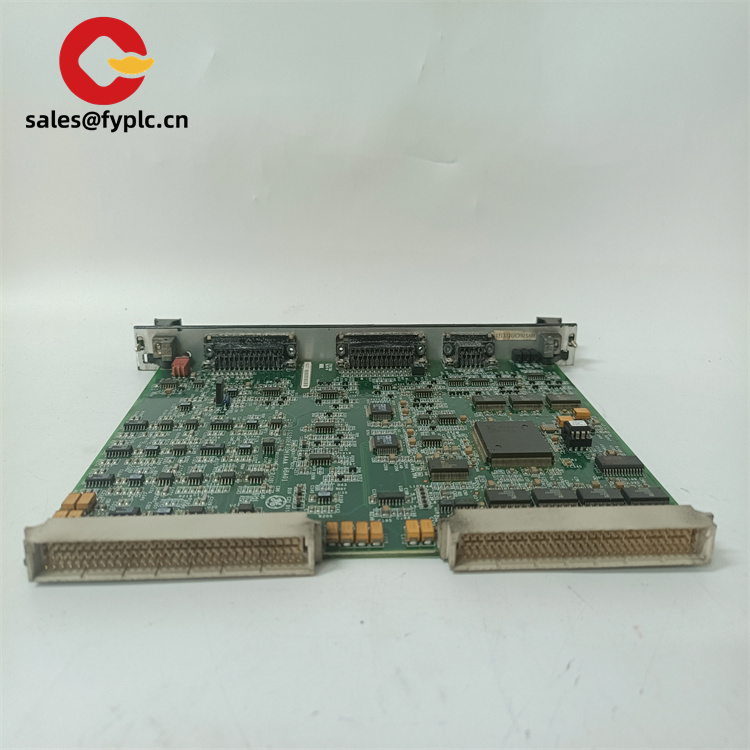
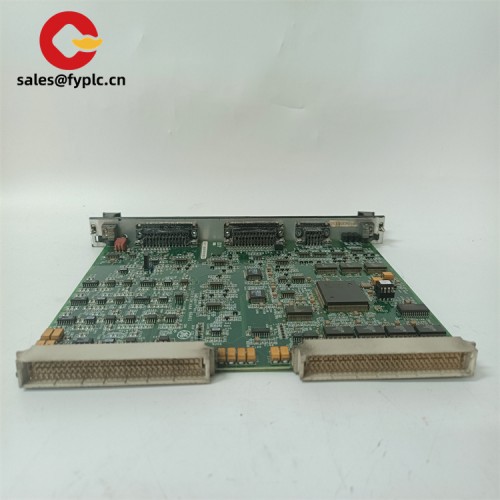
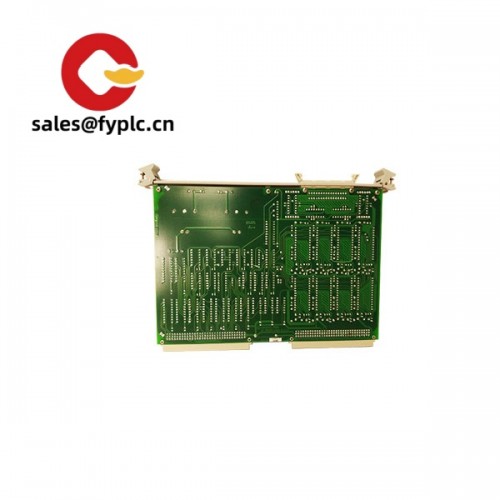
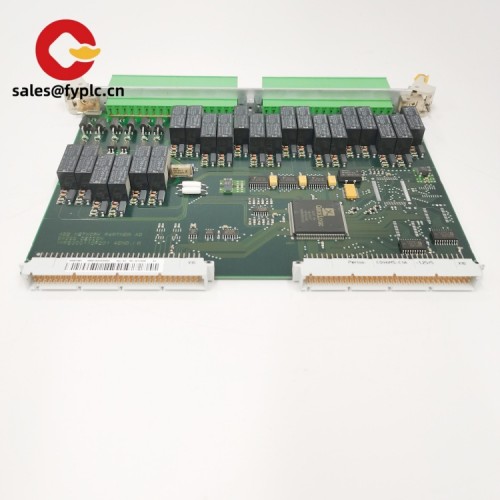
The GE Fanuc/VMIC VMIVME-7686 is a proven 6U VMEbus single-board computer that’s typically used to extend the service life of established automation, test, and motion platforms. From my experience, it’s the kind of CPU board you install when you need stable performance, broad OS compatibility from its era, and straightforward integration with existing VME backplanes—without re-engineering the whole rack. You might notice that many teams choose it for production tools, turbine auxiliaries, and packaging lines where uptime counts more than flashy specs.
Company’s Order Placement Process and Guarantees
- Warranty: 365 days
- Delivery: 1 week if in stock; no more than one month at the latest
- Payment: 50% advance payment; full payment before delivery
- Express delivery: FedEx, UPS, DHL
Key Features
- 6U VMEbus SBC footprint – Fits standard 6U VME card cages and VME64 backplanes, minimizing retrofit work.
- Pentium-class processing – A balanced platform for HMI, control loops, and data logging common to legacy systems.
- Integrated I/O (build-dependent) – Typically provides 10/100 Ethernet, serial ports, VGA graphics, and IDE storage support.
- Memory flexibility – In many cases supports SDRAM up to the hundreds of MB range (commonly 256–512 MB depending on revision).
- OS compatibility – Often used with VxWorks, QNX, or Windows NT/2000; many Linux builds are also feasible for its generation.
- Watchdog and diagnostics – Designed for continuous operation with watchdog reset and field diagnostics that simplify troubleshooting.
- Lifecycle extension – Drop-in replacement strategy that helps keep mature VME systems productive without requalifying the entire machine.
Technical Specifications
| Brand / Model | GE Fanuc (VMIC) / VMIVME-7686 |
| HS Code | 8473.30 (Parts and accessories for ADP machines; printed circuit assemblies) |
| Power Requirements | Primary +5 VDC via VME backplane; ±12 V lines used as required for onboard peripherals. Typical consumption varies by configuration (commonly in the 20–30 W range). |
| Dimensions & Weight | 6U VME Eurocard, approx. 233.3 mm × 160 mm; weight typically around 0.7 kg. |
| Operating Temperature | 0 to +55 °C (air-cooled, standard commercial rating). Adequate forced-air cooling is recommended. |
| Signal Input/Output Types | VMEbus interface; front-panel I/O typically includes 10/100Base‑TX Ethernet, VGA, and RS‑232 serial. IDE/Floppy headers often provided; additional I/O may be routed via P2 (build-dependent). |
| Communication Interfaces | VMEbus A24/A32 master/slave support, Ethernet 10/100, dual serial ports (commonly RS‑232; some assemblies support RS‑422/485), parallel port availability varies by option. |
| Installation Method | 6U plug‑in VME card with front‑panel fasteners and ejector levers; interfaces via P1/P2 connectors to the VME backplane; air‑cooled operation in a standard VME chassis. |
Related or Supporting Products
- VMIVME-7696 / VMIVME-7697 / VMIVME-7698 – Later-generation GE Fanuc VME SBCs with faster CPUs and expanded memory; good when you need more headroom but the same 6U footprint.
- VMIVME-5565 Reflective Memory – Often paired for deterministic data sharing between VME nodes; helpful on motion or test stands needing real-time data exchange.
- VME 6U transition modules and cable sets – For bringing P2-routed I/O to the rear; varies by I/O configuration.
- VME chassis/backplanes and fan trays – Proper airflow and clean power significantly increase SBC stability and lifespan.
Installation & Maintenance
- Cabinet & airflow – Install in a 19-inch VME chassis with clear front-to-rear airflow. Provide steady cooling (many sites target 15–25 CFM per slot) to maintain an ambient below 55 °C near the card.
- Power & grounding – Ensure a stable +5 V supply within VME tolerance, proper chassis ground, and low ripple. From my experience, marginal +5 V is the first culprit during high CPU load.
- Wiring – Use shielded Ethernet in noisy cabinets. Secure IDE and front-panel cables; avoid routing parallel to high-voltage lines.
- Handling & safety – Observe ESD precautions. Power down before insertion/removal; this board is not intended for hot-swap.
- Routine maintenance – Quarterly dust removal, connector inspection, and fan filter cleaning. Verify watchdog function, back up the OS image, and review BIOS/firmware versions before planned outages.
- CMOS backup battery – Replace on schedule to prevent BIOS setting loss; many sites do this every 3–5 years depending on environment.
A maintenance lead at a food-packaging plant told us their VMIVME-7686 swap cut changeover risk to near-zero: “We kept our proven I/O and just moved to a cleaner CPU board. It’s been running 24/7 for months without a single unexplained reset.”
Quality & Certifications
- CE marking for EMC and safety (typical for GE Fanuc VME boards of this class).
- UL/CSA recognized components; manufactured under ISO 9001 quality systems.
- RoHS status: varies by build date; many legacy boards are not RoHS-compliant. We can help verify by date code and revision.
- Manufacturer’s warranty practice is product- and revision-dependent; we provide a 365-day warranty on supply.
If you’re refreshing a VME rack and need compatibility confirmation (OS image, backplane signals, or transition module mapping), share your current slot map and we’ll review it. One thing I appreciate about the VMIVME-7686 is how predictable the integration tends to be—most issues come down to airflow or storage cabling, both easy to sort out before commissioning.

Reviews
There are no reviews yet.