
Description
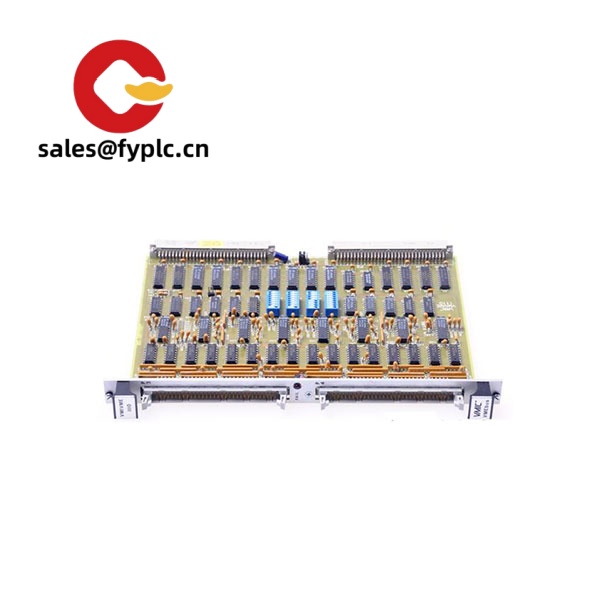
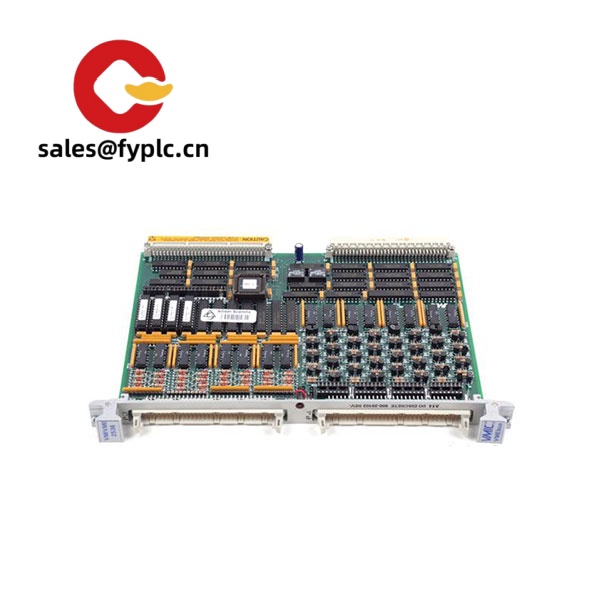
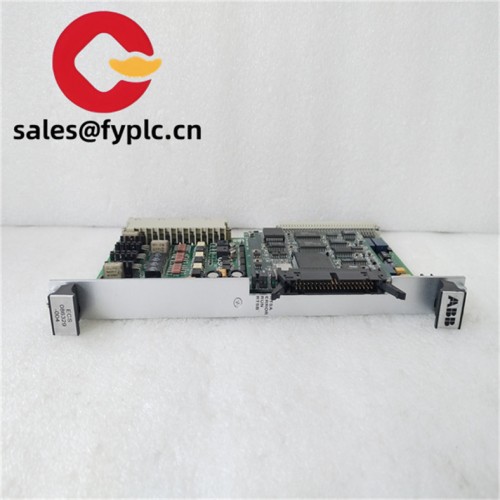
VMIC VMIVME-2534 – High‑density digital I/O for VMEbus control and test systems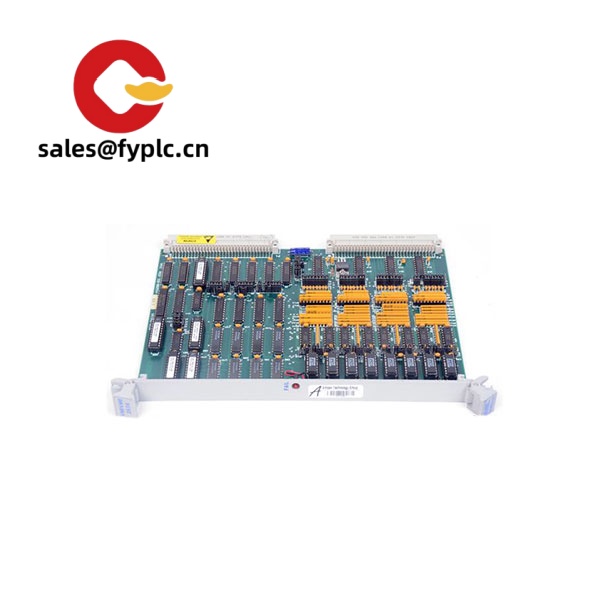
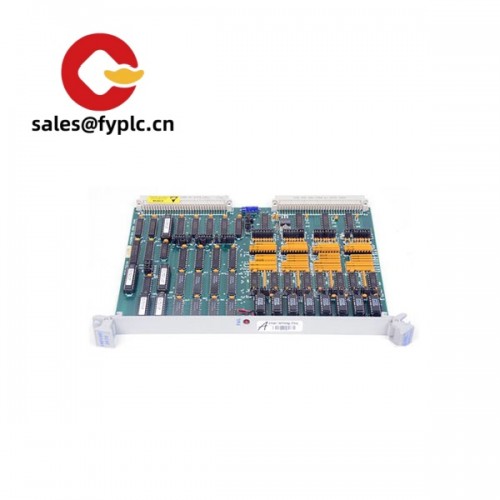
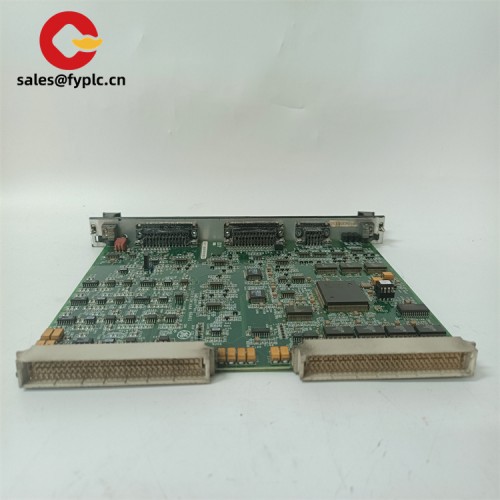
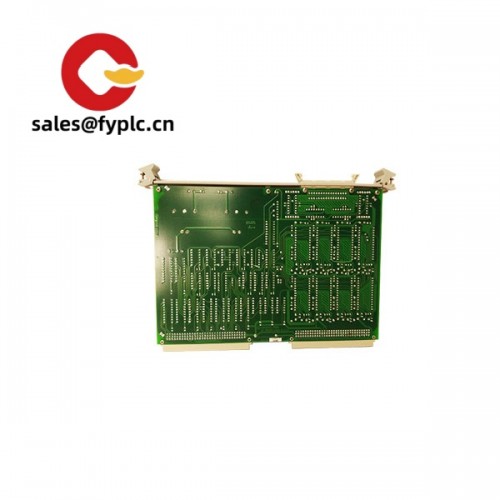
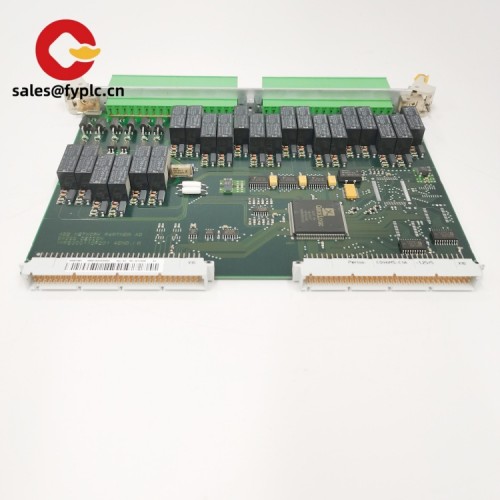
The VMIC VMIVME-2534 is a VMEbus digital I/O board designed for high‑channel‑count applications where simple, reliable on/off control and status are the priority. From my experience, this series fits nicely into legacy and ongoing VME projects in semiconductor tools, production testers, and safety interlocks on motion lines—anywhere you need lots of deterministic, 5 V logic I/O without adding latency. You might notice that it behaves predictably at register level, which makes it easy to integrate with existing VxWorks or Linux VME frameworks, as well as custom C code on older controllers.
Company’s Order Placement Process and Guarantees
- Warranty: 365 days
- Lead time: 1 week if in stock; no more than one month at the latest
- Payment terms: 50% advance payment; full payment prior to delivery
- Express options: FedEx, UPS, DHL
Key Features
- High‑channel digital I/O (TTL/CMOS 5 V): Suited to dense on/off monitoring and control; typically arranged in easily addressable ports for quick bit/byte access.
- VMEbus register‑level control: Standard VME memory-mapped access makes it straightforward to program with minimal driver overhead.
- Interrupt support (typical): Vector/level interrupts for event‑driven applications—useful on test stands to flag edges without constant polling.
- Deterministic behavior: In many cases, response times are stable and predictable for hard real‑time environments.
- Front‑panel high‑density connection: Designed to work with common ribbon/transition accessories, simplifying wiring into terminal blocks or mass‑IO harnesses.
- VME 6U form factor: Fits standard 6U VME chassis with P1/P2 backplane connectivity; easy to service with injector/ejector levers.
- Proven in legacy fleets: Typically used to extend the life of existing VME controls, reducing the need for full platform migrations.
Technical Specifications
| Brand / Model | VMIC VMIVME-2534 (VMEbus digital I/O board) |
| HS Code | 8538.90 (Electronic control equipment parts – typical categorization) |
| Power Requirements | +5 VDC from VME backplane (typical for VMIC digital I/O); low auxiliary rails not usually required |
| Dimensions & Weight | 6U VME, 160 × 233 mm Eurocard; approx. 0.6 kg (typical) |
| Operating Temperature | 0 to +55 °C (commercial range typical); non‑condensing humidity |
| Signal I/O Types | TTL/CMOS digital I/O (0–5 V); high‑density ports for bit/byte access; external terminal blocks/cables commonly used |
| Communication Interfaces | VMEbus (A16/A24 addressing, D16 data width typical); vectored interrupts IRQ1–IRQ7 (varies by revision) |
| Installation Method | 6U plug‑in VME module; front insertion with injector/ejector levers; cabling via front‑panel high‑density connectors |
Related or Supporting Products
- VMIVME-2532: 96‑bit TTL digital I/O board; a common alternative when you need straight TTL I/O in grouped ports.
- VMIVME-2533: Typically opto‑isolated digital input; useful where field wiring needs isolation from the controller.
- VMIVME-2536: Typically isolated digital output; better for driving relays/solenoids through isolation stages.
- Transition modules & terminal panels: DIN‑rail screw‑terminal breakouts and ribbon/HD cable kits that mate to high‑density front connectors to simplify wiring.
From customer feedback, the most common pairing is a TTL I/O board like VMIVME‑2534 with a DIN‑rail terminal panel, so technicians can land field wires quickly during maintenance windows.
Installation & Maintenance
- Cabinet & slot: Install in a standard 6U VME chassis with adequate airflow. Leave at least one slot of breathing room near high‑power modules if possible.
- Power & grounding: Verify stable +5 V on the backplane. Tie field grounds appropriately; avoid long ground loops with sensor returns.
- Wiring: Use shielded or twisted pair for longer runs. For inductive loads, drive external relays or isolated output modules rather than direct TTL pins.
- ESD & handling: Use an ESD strap; seat the card with injector/ejector levers to protect the backplane connectors.
- Configuration: Address, interrupt level/vector, and I/O direction are typically set via jumpers or registers—document your settings for repeat builds.
- Routine maintenance: No periodic calibration is required for digital I/O. Inspect and re‑seat front‑panel connectors during scheduled downtime; clean dust from card guides and fans to keep temps in range.
- Firmware/software: Register‑level access is standard. Keep your BSP or low‑level driver notes with the asset record; in most cases, no firmware updates are needed for this class of board.
Quality & Certifications
- Certifications: CE marking is typical for VMIC VME modules of this class; UL/CSA compliance may apply at system level. RoHS status can vary by production era.
- Quality assurance: Each unit is functionally tested on a VME backplane prior to shipment whenever possible.
- Warranty: 365‑day warranty as stated above.
If you’re refreshing a VME rack and want to keep code changes light, VMIVME‑2534 is a practical choice. It appears to balance channel density with straightforward programming, which—at least in most cases—keeps commissioning time short.

Reviews
There are no reviews yet.