
Description
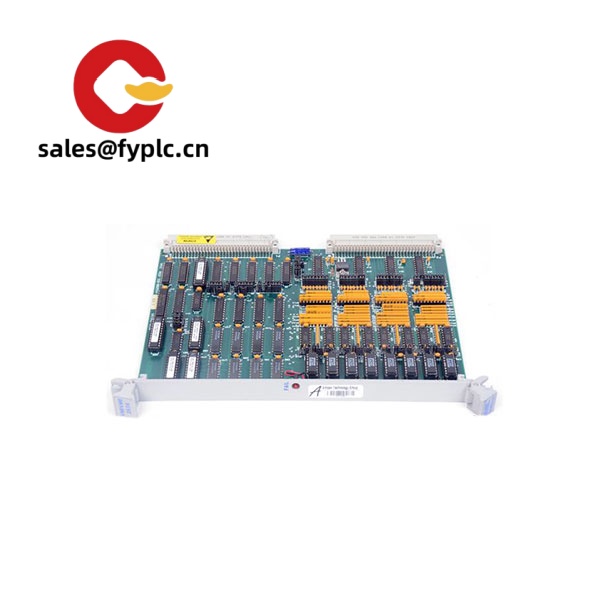
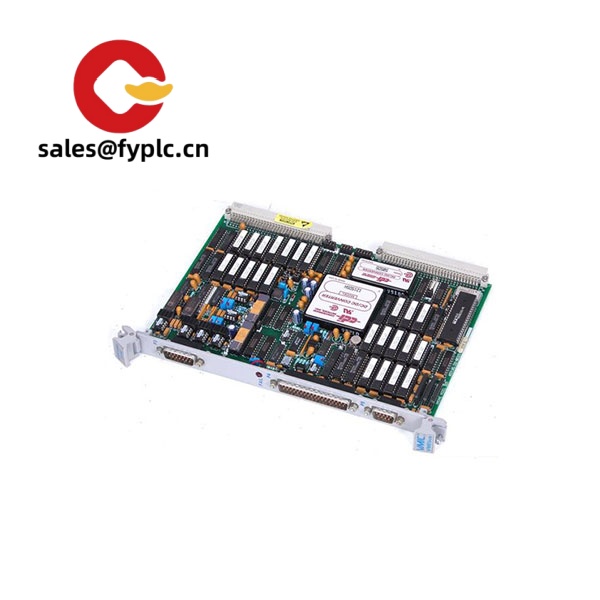
VMIC VMIVME-2536 – VMEbus Digital I/O Board for Industrial Control Racks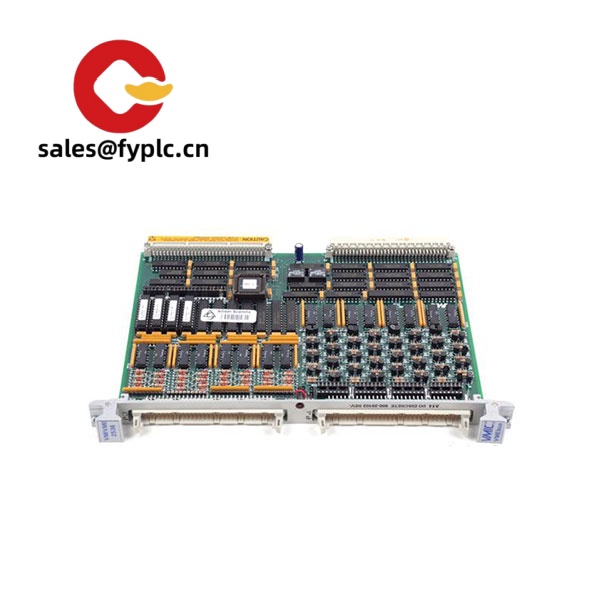
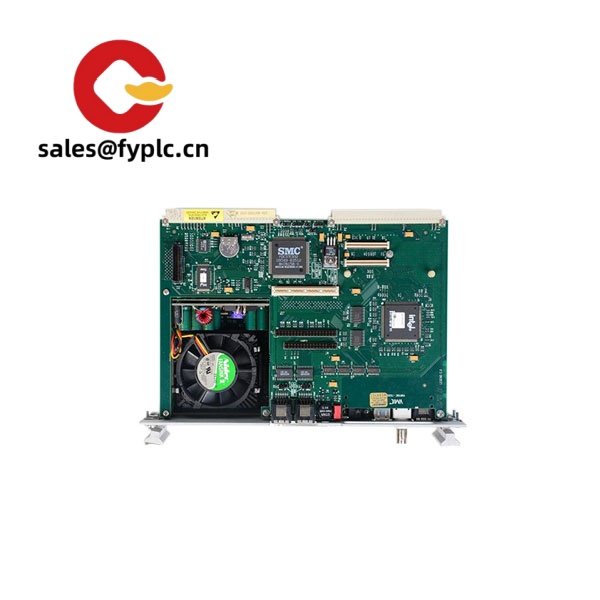
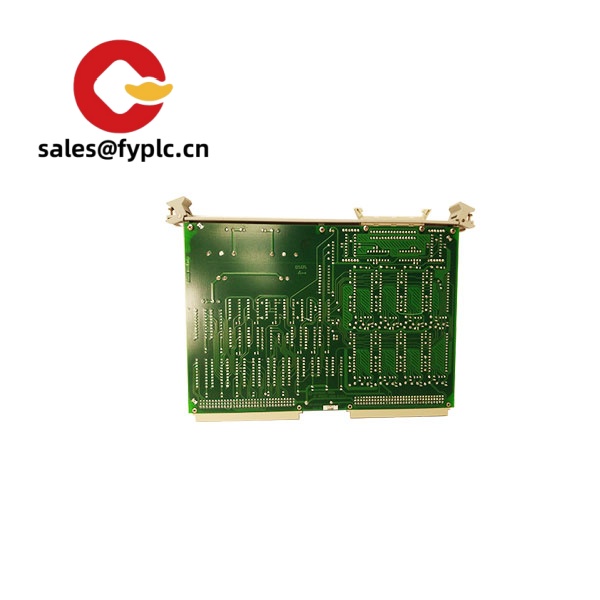
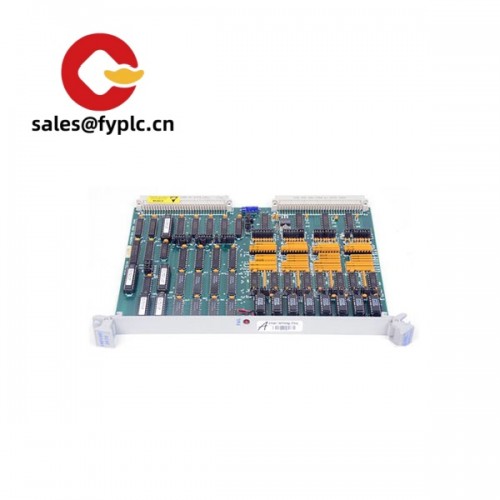
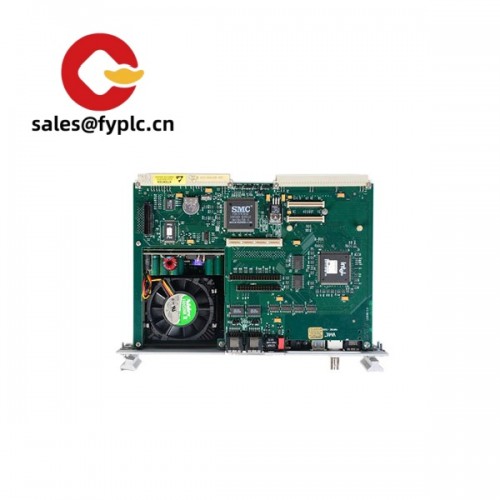
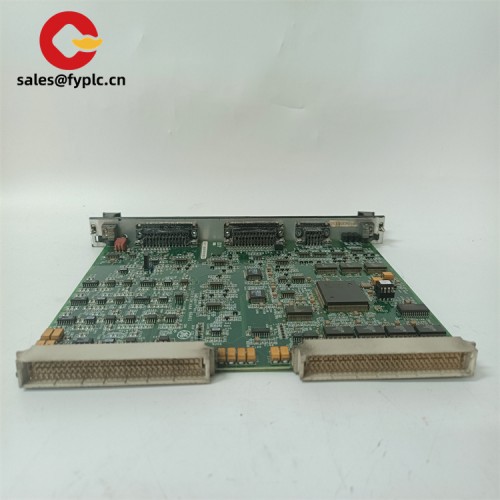
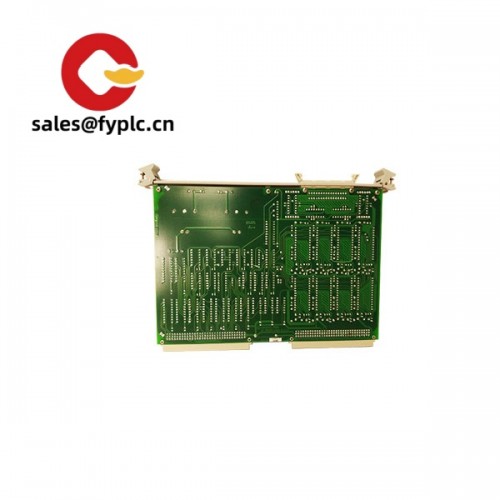
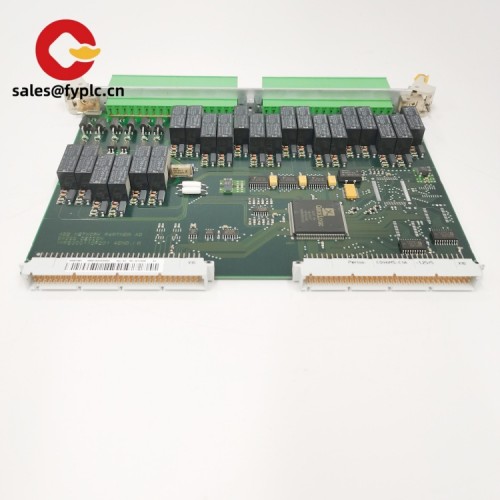
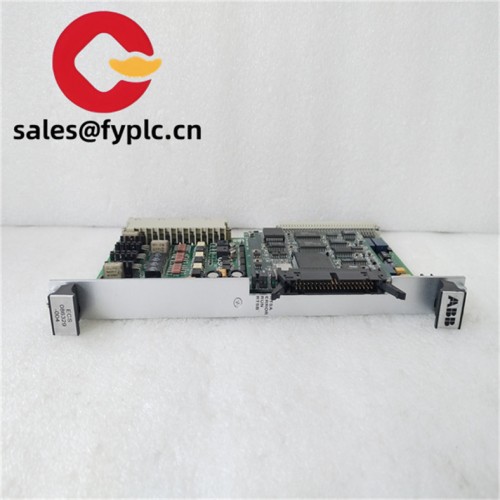
The VMIC VMIVME-2536 is a VMEbus plug-in digital I/O board designed for high‑density machine and process I/O inside 6U VME systems. It’s typically used to bring field signals into a VME controller with stable, noise‑resistant interfacing—handy in factory automation, test stands, and legacy system life‑extension projects. From my experience, it’s the kind of card you pick when you need reliable, deterministic I/O without overcomplicating the architecture.
Company’s Order Placement Process and Guarantees
- Warranty: 365 days
- Lead time: 1 week for in‑stock items; no more than one month at the latest
- Payment: 50% advance payment; full payment prior to delivery
- Express delivery: FedEx, UPS, DHL
Key Features
- 6U VMEbus form factor – Fits standard 19-inch VME chassis, making integration straightforward in existing racks.
- Deterministic digital I/O – Designed for time-critical control tasks where consistent I/O response is required.
- Industrial noise resilience – Typically provides robust isolation and grounding strategy suited to plant-floor environments.
- High-density field connectivity – Supports multiple channels in a compact footprint, reducing slot count in many cases.
- Memory-mapped register access – Standard VME programming model for predictable software integration.
- Lifecycle-friendly – A practical choice for maintaining legacy VME systems without redesigning your entire control platform.
Technical Specifications
| Brand / Model | VMIC VMIVME-2536 (VMEbus Digital I/O Board) |
| HS Code | 8537.10 (Boards/panels for electric control, for voltage ≤ 1000V) |
| Power Requirements | 5 VDC from VME backplane (typical); current draw varies with I/O configuration |
| Form Factor / Dimensions | 6U VME Eurocard; approx. 233.35 mm (H) × 160 mm (D) |
| Operating Temperature | 0 °C to +55 °C (commercial grade, typical) |
| Signal I/O Types | Digital input/output; channel style and isolation depend on specific build options |
| Communication Interfaces | VMEbus interface (ANSI/VITA compliant, memory-mapped registers) |
| Installation Method | Plug-in to 6U VME slot; secure with front-panel retainers; connect field I/O via front-panel headers/terminal accessories |
Where it’s typically used
- Upgrading or replacing I/O in legacy VME control racks without modifying application code.
- Machine automation and tooling lines that require deterministic digital signaling.
- ATE and production test rigs where high channel density in a single slot matters.
One thing I appreciate is how these VMIC boards tend to behave consistently across different operating systems and toolchains—once the VME address space is mapped, access is straightforward. A maintenance manager told us they swapped a failed card during a night shift, re-seated the replacement, and the system was back online in under 20 minutes with no software changes.
Related or Supporting Products
- VMIVME-2534 – Often used for isolated 24 VDC digital inputs; a good match when you need more DI channels with field isolation.
- VMIVME-2532 – Typically a high-density TTL digital I/O option when you require direct logic-level interfacing.
- VME 6U Chassis and PSU – 7–12 slot 19-inch VME enclosures with adequate 5 V/±12 V capacity for mixed I/O loads.
- DIN-rail terminal breakout boards – For clean field wiring from the front-panel headers to sensors, relays, and PLC terminals.
- Shielded ribbon/round cables – Reduces crosstalk and noise pickup in electrically busy cabinets.
Installation & Maintenance
- Cabinet & chassis – Use a standard 6U VME chassis with adequate airflow. Keep at least 25 mm clearance around the card for ventilation.
- Power & grounding – Ensure stable 5 V backplane supply. Bond cabinet ground and maintain a single-point reference to reduce ground loops.
- Wiring – Route signal and power separately; use shielded cable for long runs. Land commons/returns as specified by the I/O type.
- Safety – De‑energize the rack before insertion or removal. Follow ESD handling; use grounded wrist straps and antistatic packaging.
- Routine checks – Inspect connectors quarterly, clean dust with dry air, and verify I/O operation with a known-good test routine.
- Firmware/logic – If the board revision includes programmable features, document register maps and keep any BSP/driver notes with the rack records.
Quality & Certifications
- Certifications – CE compliance is typical for this class of module; UL recognition and RoHS status may vary by production date.
- Manufacturer pedigree – VMIC/GE Fanuc legacy designs widely used in industrial and defense VME installations.
- Warranty – 365‑day warranty from us, covering form, fit, and function under normal use.
Reviews
There are no reviews yet.