
Description
Basic Information
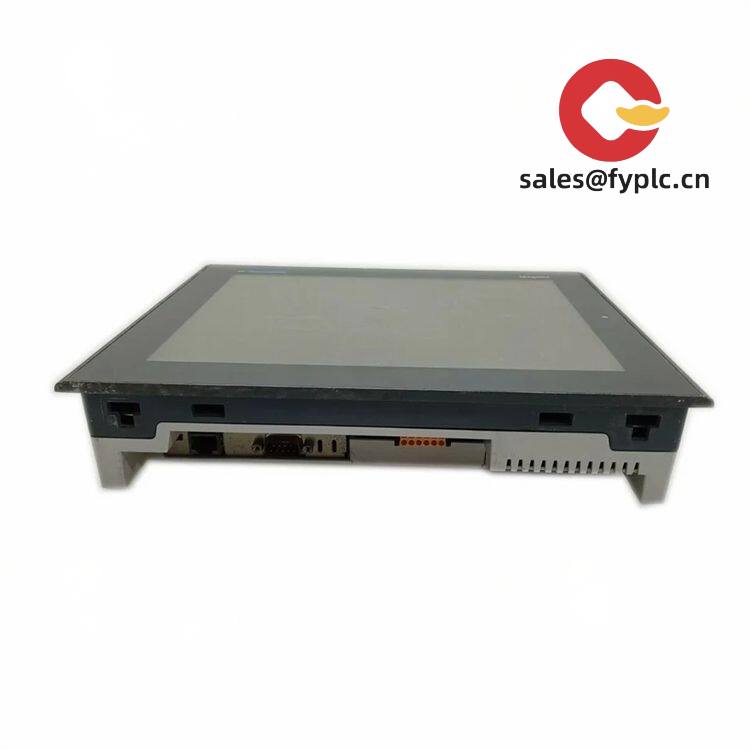
- Model: XBTF024510
- Brand: Schneider Electric (Made in France, Magelis legacy HMI series)
- Warranty: One Year
- Lifecycle Status: Discontinued original obsolete spare part, only for equipment maintenance replacement
Technical Specifications
1. Display & Operation
- Screen Size: 5.7 inch STN color LCD
- Resolution: 320 × 240 QVGA, 256 display colors
- Backlight: Replaceable CCFL cold cathode backlight
- Touch Panel: 4-wire analog resistive single-point touch, supports gloved operation
- Physical Buttons: Integrated membrane function keypad on the right side for shortcut operation
2. Power & Communication
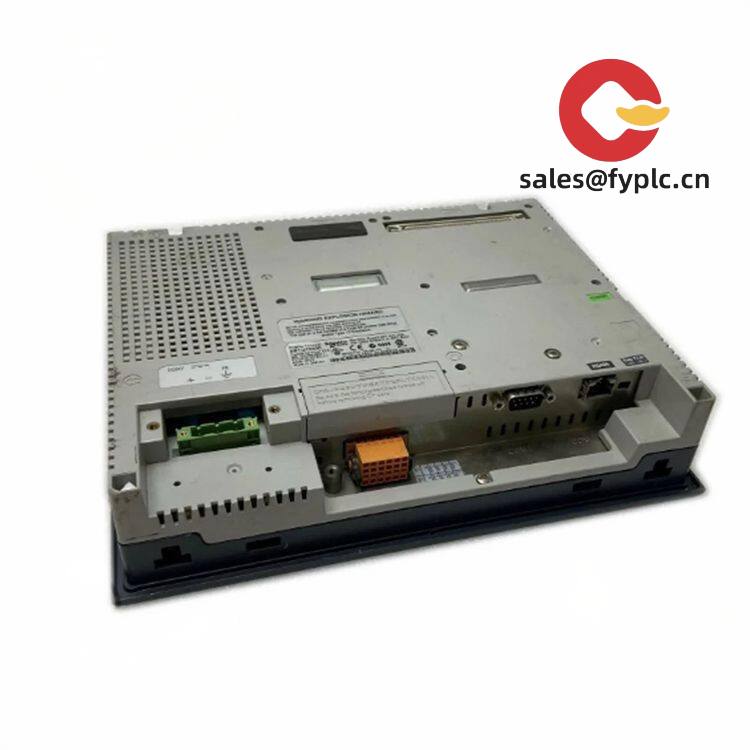
- Power Supply: DC 24V, power consumption ≤35W
- Interfaces: RS485 (Modbus RTU main), RS232 auxiliary port
- Supported Protocols: Modbus RTU, Uni-Telway, compatible with Schneider Modicon Quantum/M340/M238 PLC series
3. Environmental & Mechanical
- Front Panel Protection: IP65 dustproof, waterproof and oil-proof for cabinet flush mounting
- Operating Temperature: -20°C ~ +70°C
- Storage Temperature: -40°C ~ +85°C
- Housing: Reinforced ABS+PC industrial plastic, shock and vibration resistant
- Certifications: CE, UL, RoHS, IEC 61010-1 industrial safety standard
4. Built-in Software Functions
- Real-time process data monitoring, PID parameter modification
- Alarm log recording & historical trend curve display
- Multi-level user access permission management
- Recipe parameter storage and batch download/upload
- Power-off automatic data retention function
Product Overview
The XBTF024510 belongs to Schneider’s classic Magelis XBTF legacy HMI product line, a panel-mounted operator terminal widely matched with old-generation Schneider PLC control systems. It serves as the man-machine interaction window of automated equipment: collects real-time running data from PLC, inverters and sensors for visual display, and sends operator’s parameter setting, start/stop and interlock reset instructions back to the controller to complete closed-loop equipment control.
It solves prominent pain points of early automation equipment: lack of local on-site operation panel, inconvenient parameter debugging, no centralized fault alarm display, and poor environmental adaptability of civilian touch screens in production workshops.

Reviews
There are no reviews yet.