Description
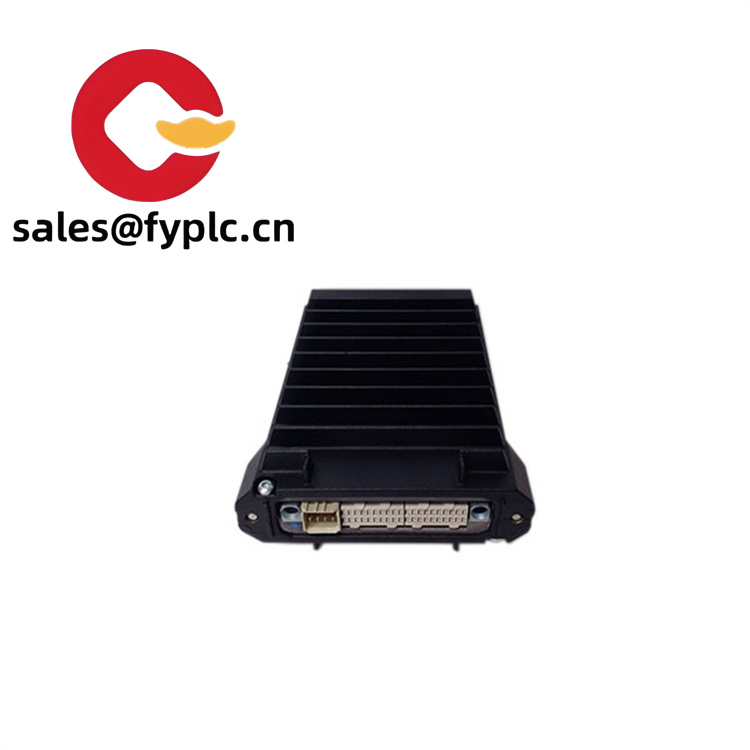
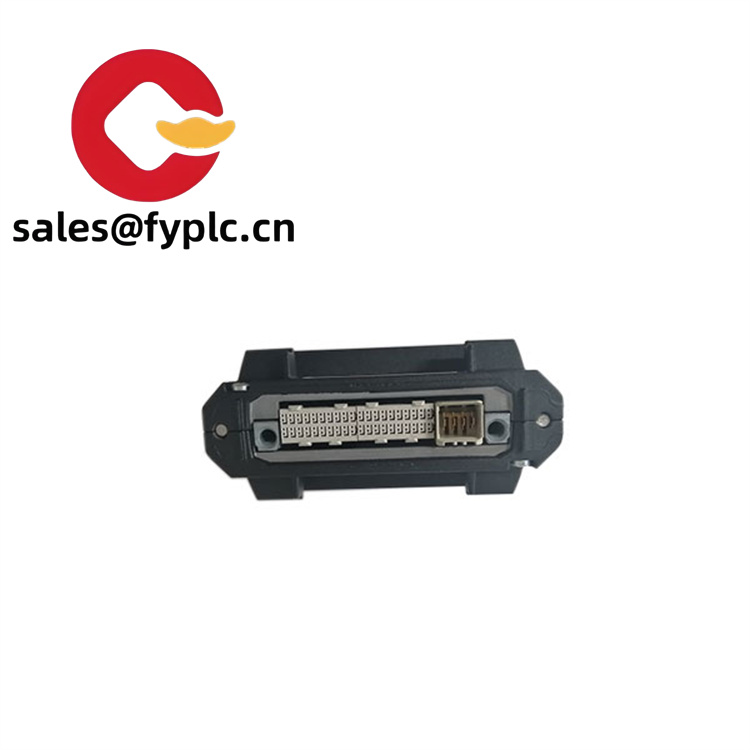
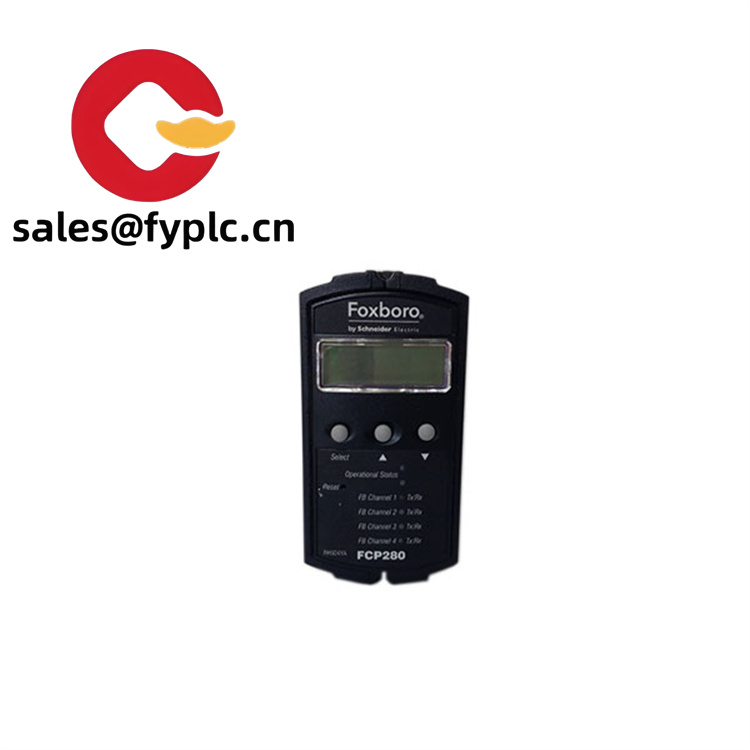
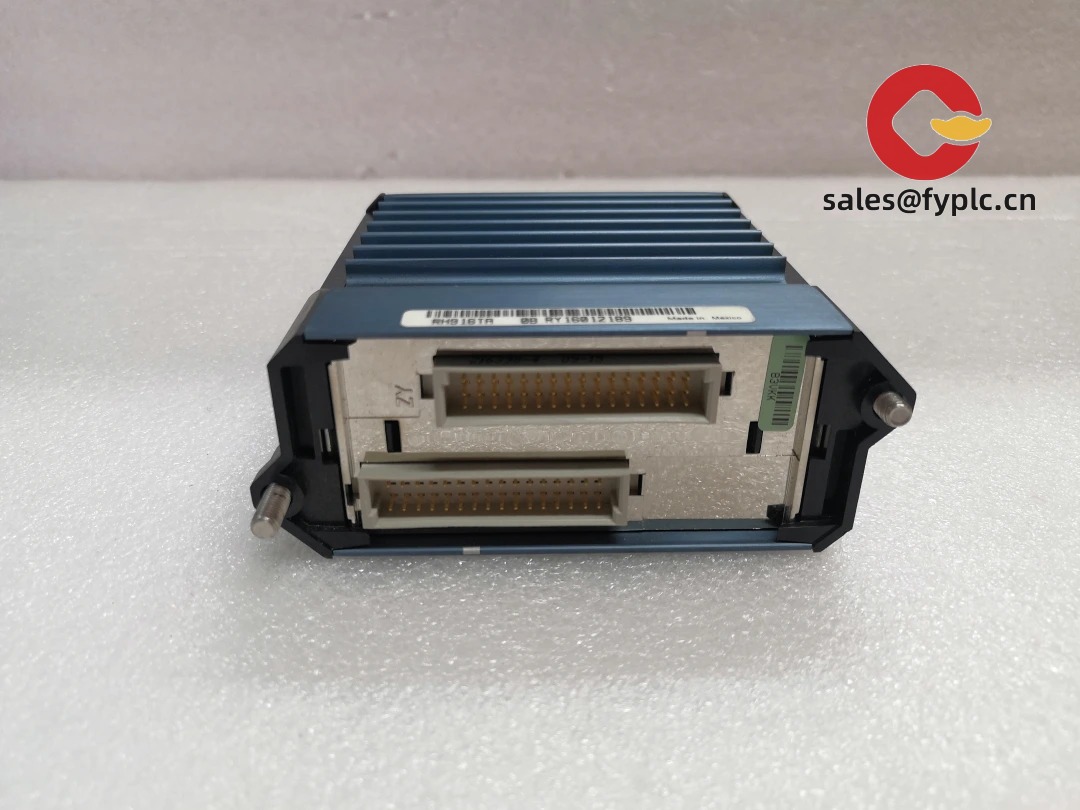
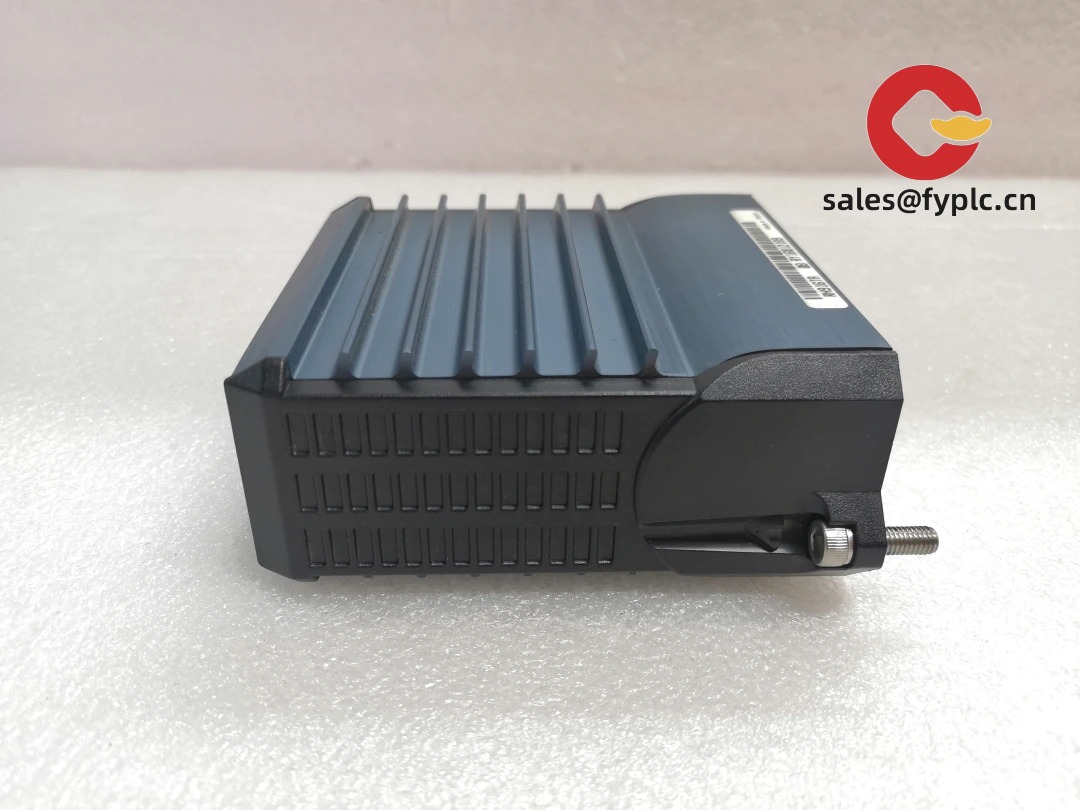
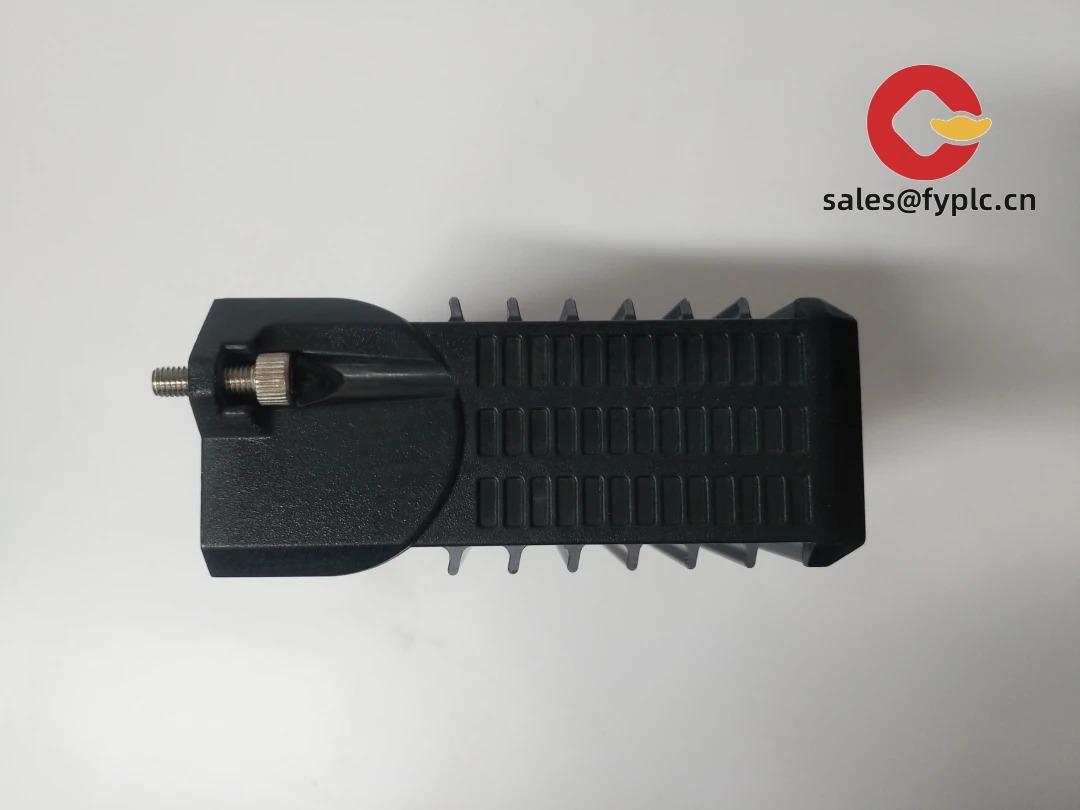
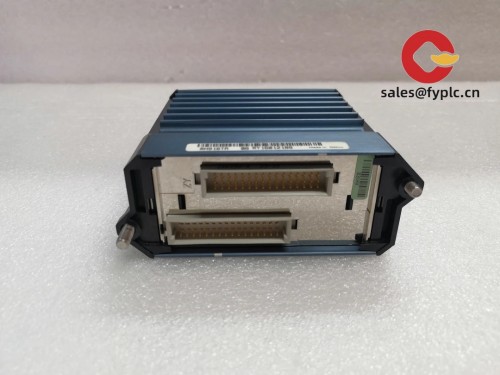
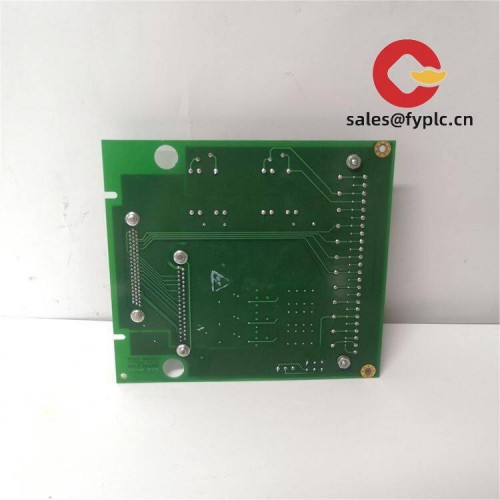
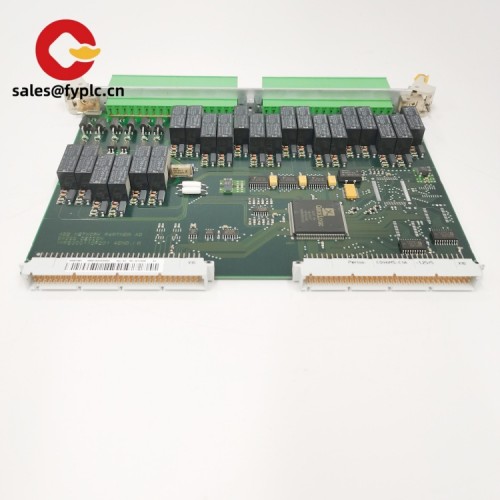
FOXBORO FCP280 Field Control Redundant Processor
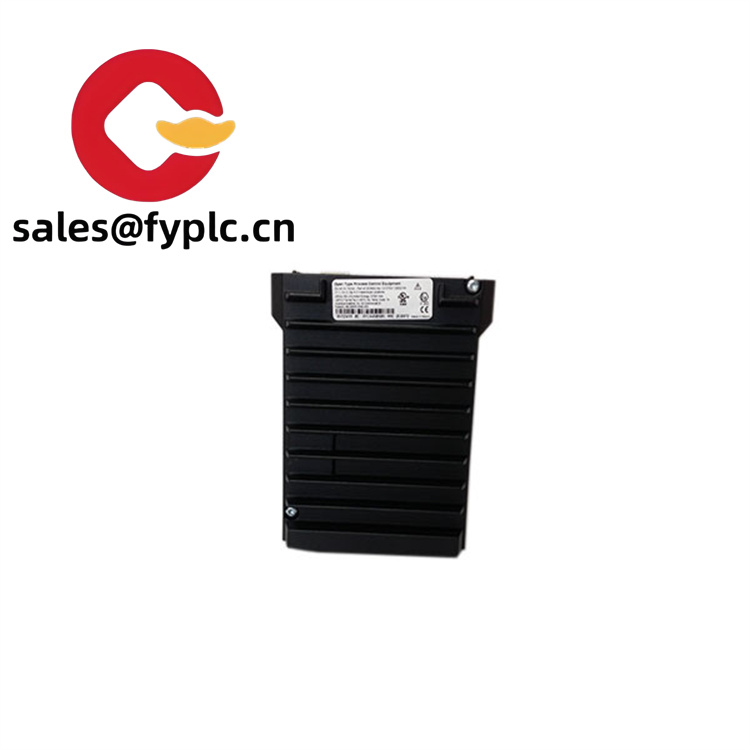
FCP280
The FOXBORO FCP280 functions as the nerve center of industrial control systems. It interfaces with a diverse range of field – bus modules (FBMs), sensors, and actuators, acting as the central command hub. In various industrial automation scenarios, such as large – scale manufacturing plants, oil refineries, power generation facilities, and chemical processing plants, the FCP280 is indispensable. It performs regulation, logic, timing, and sequence control in close coordination with connected FBMs. Additionally, it undertakes data acquisition, alarm detection, and notification, ensuring that industrial processes run smoothly and any potential issues are promptly addressed.
| Label |
Specification |
| Model Number |
FCP280 |
| Brand |
FOXBORO |
| Type |
Field – mounted Controller Module |
| Input Voltage |
[Typical value is likely around 24VDC, but specific range may vary, check product documentation] |
| Operating Temp |
Operating: 0°C to +60°C; Storage: – 40°C to +70°C |
| Communication Method |
Standard fiber – optic or 100 Mbps copper Ethernet for connection to Foxboro DCS control network; 2 Mbps or 268 Kbps HDLC field – bus for FBM connections |
| Mounting |
Mounted on device – specific 2 – or 4 – position baseplates, with options for horizontal or vertical installation |
| Weight |
[Exact weight not specified in provided materials, but relatively compact for its functionality] |
| Certifications |
CE certified, compliant with European safety, health, and environmental protection standards |
| Dimensions |
Height: 103 mm (4.04 in) with 114 mm (4.5 in) including lugs; Width: 51.5 mm (2.03 in); Depth: 147 mm (5.80 in) |
| IP Rating |
Suitable for indoor use, can operate in G3 – class harsh environments |
| Protocols Supported |
Ethernet – based protocols for high – speed data transfer within the control network, HDLC for field – bus communication with FBMs |
| Memory |
16 MB SDRAM, 32 MB flash memory for data storage and processing |
| Maximum Number of Supported FBMs |
Up to 128 compact or standard 200 – series FBMs; or up to 128 in a combination of 100 – series and 200 – series FBMs (with a limit of 64 100 – series FBMs per PIO bus/substrate port) |
FCP280
The FOXBORO FCP280 stands out prominently in real – world industrial environments due to its remarkable functional strengths and intelligent design. In terms of performance, it offers high – speed data processing capabilities. Its advanced internal architecture enables it to rapidly analyze incoming signals from numerous sensors and field devices. This quick processing ensures that control decisions are made in a timely fashion, which is crucial for maintaining the optimal operation of industrial processes. For example, in a fast – paced manufacturing line, the FCP280 can instantaneously respond to changes in production speed or quality parameters, adjusting the operation of machinery accordingly.
The module’s build quality is top – notch. Encased in a rugged die – cast aluminum housing, the
FCP280 can withstand the harsh conditions commonly found in industrial settings. Electrical noise, temperature fluctuations, and mechanical vibrations pose no threat to its operation. Its design ensures long – term reliability, minimizing the need for frequent replacements and reducing downtime. Interoperability is another key advantage. With support for multiple communication protocols and interfaces, the
FOXBORO FCP280 can work harmoniously with a diverse range of devices from different manufacturers. This allows for easy expansion and customization of industrial control systems, as new components can be added without major compatibility issues.
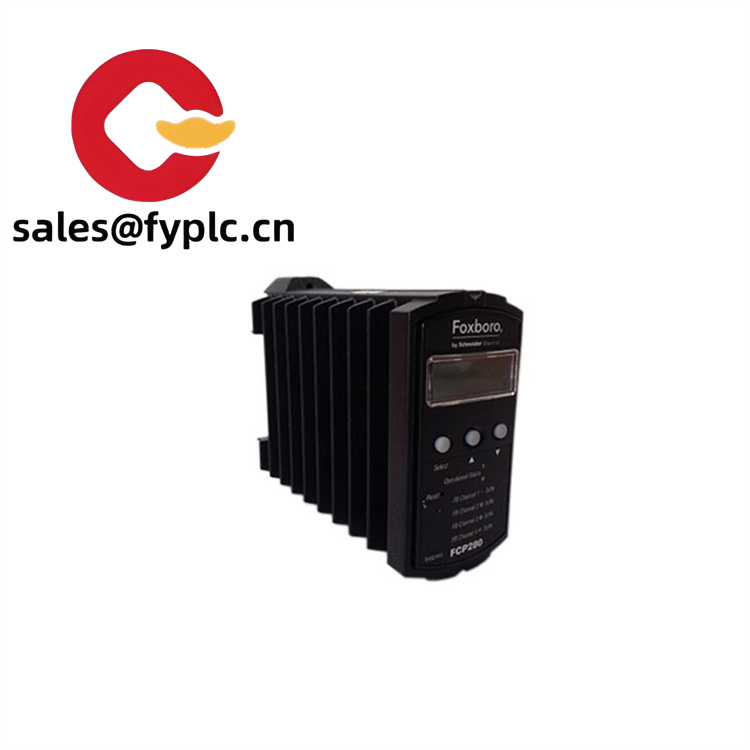
FCP280
One of the most significant features of the
FCP280 is its optional fault – tolerant operation. The fault – tolerant version consists of two parallel – running modules connected to the Foxboro Evo control network via two Ethernet links. This setup ensures that even if one module experiences a hardware failure, the controller can continue to operate continuously. The two modules constantly compare their communication information at the external interfaces, and only when they agree on the data (bit – by – bit match) is the information allowed to leave the controller. This mechanism prevents the transmission of incorrect data, significantly enhancing the reliability of the system.
For more information, please click on the following link:


Reviews
There are no reviews yet.