
Description
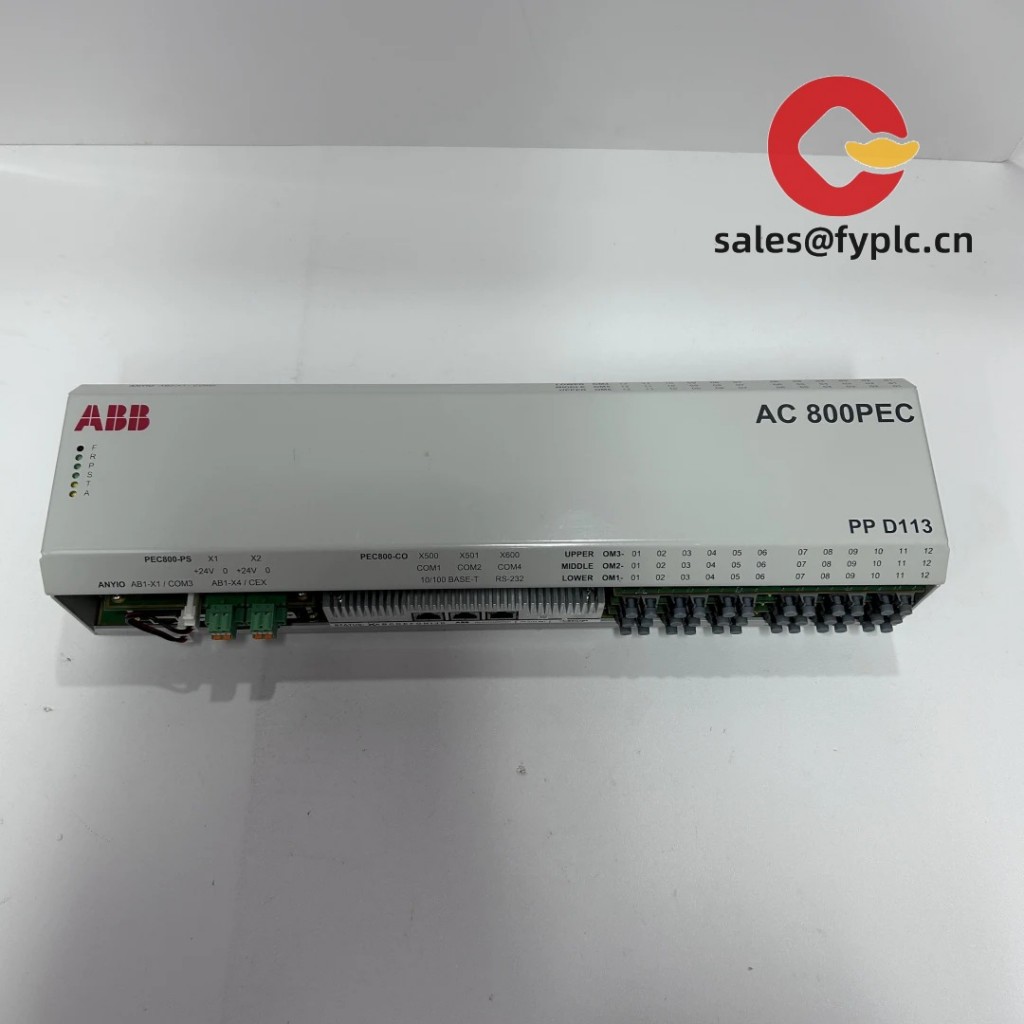
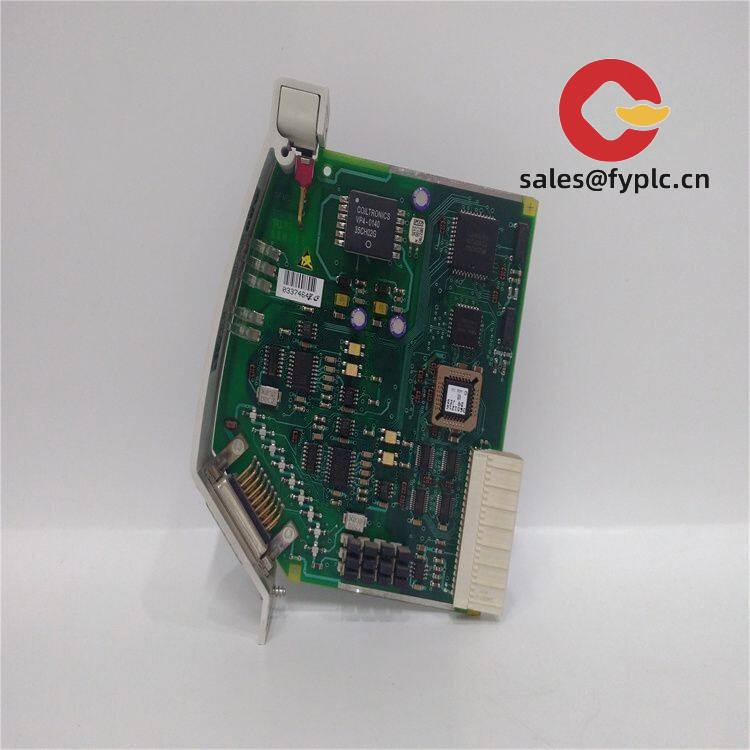
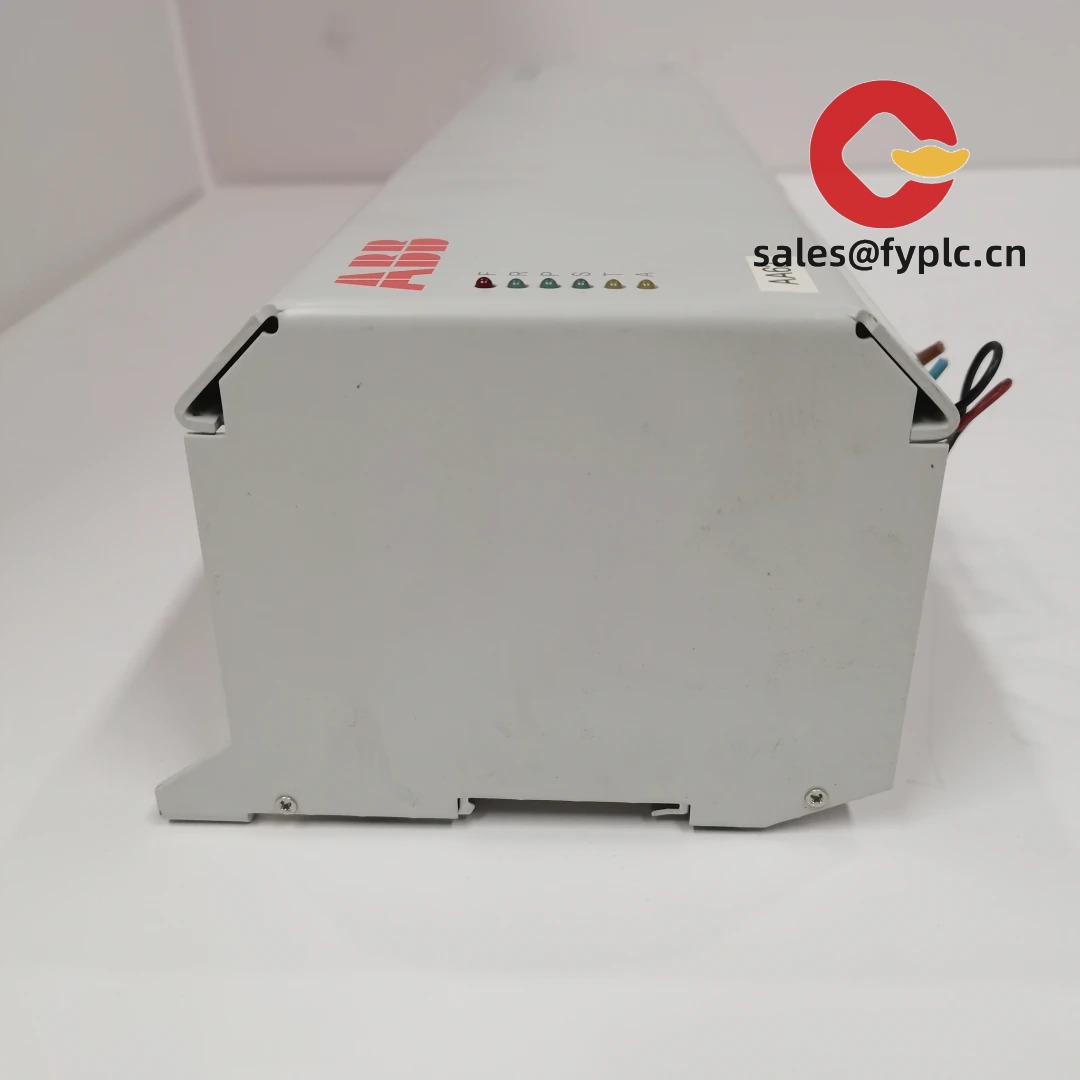
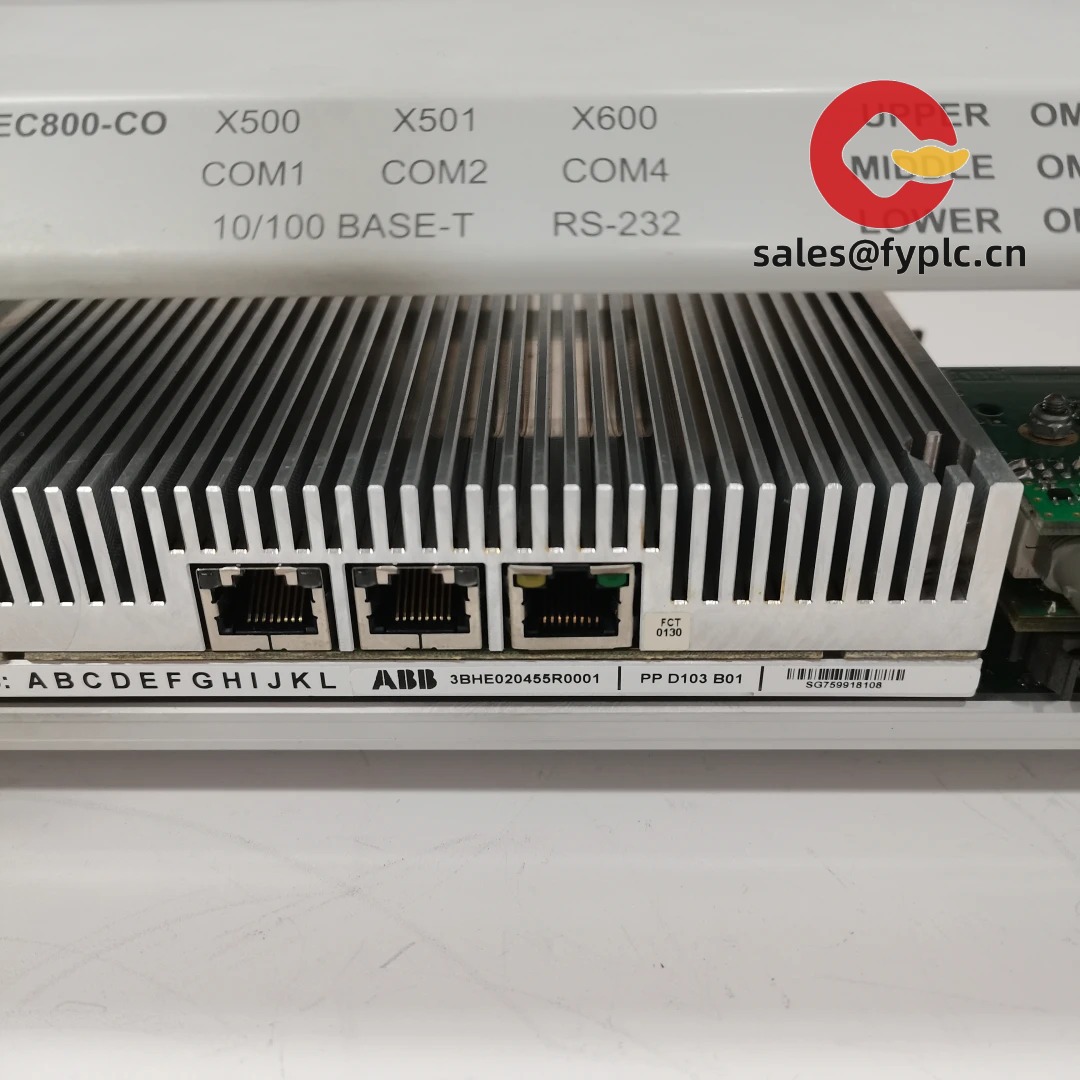
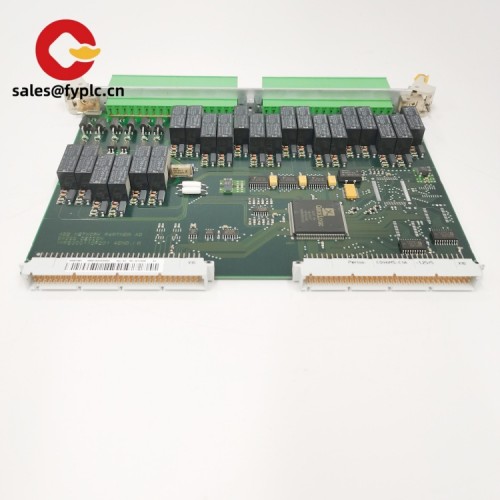
ABB 3BHE023784R2030 — AC800M Redundant Controller Module for High-Integrity Process Automation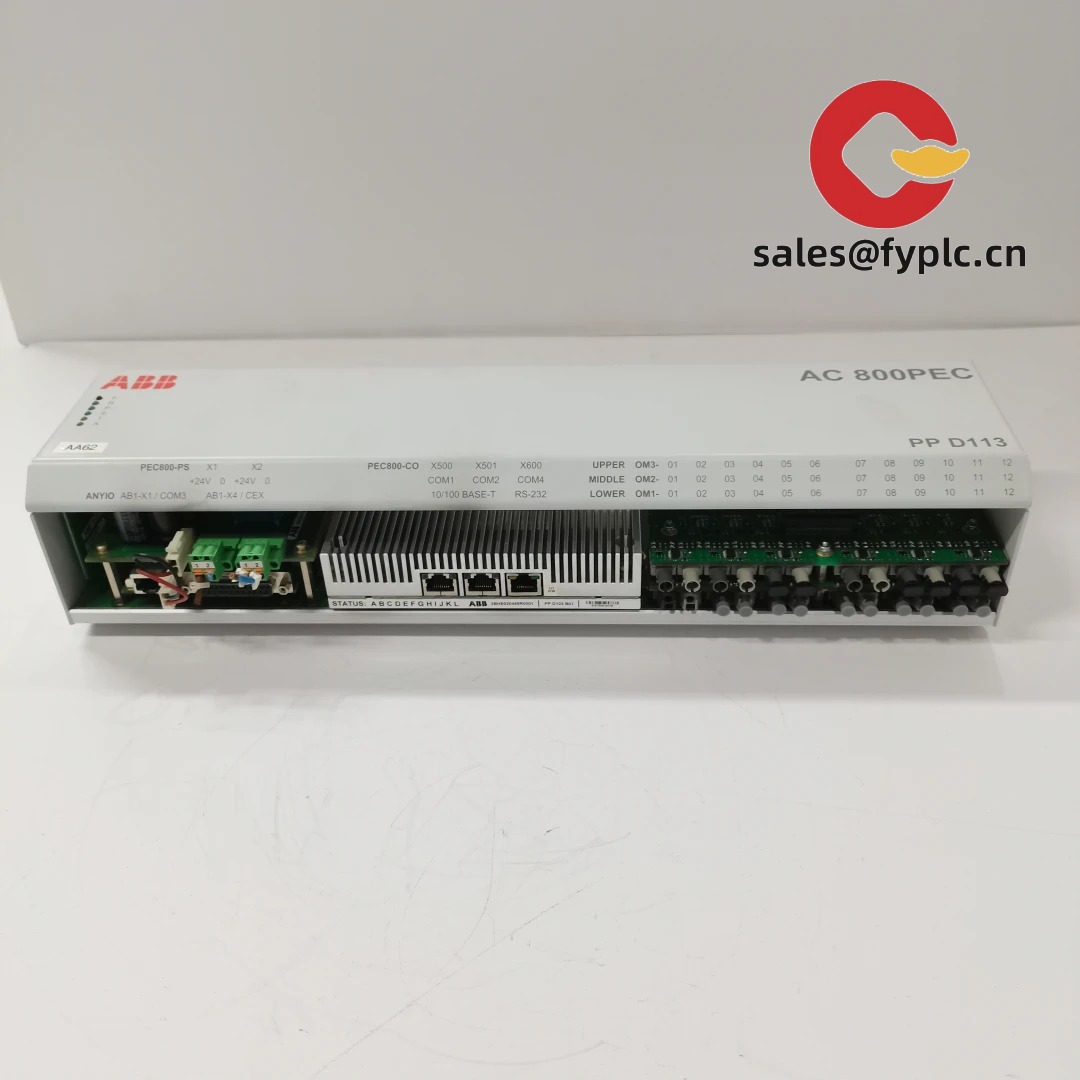
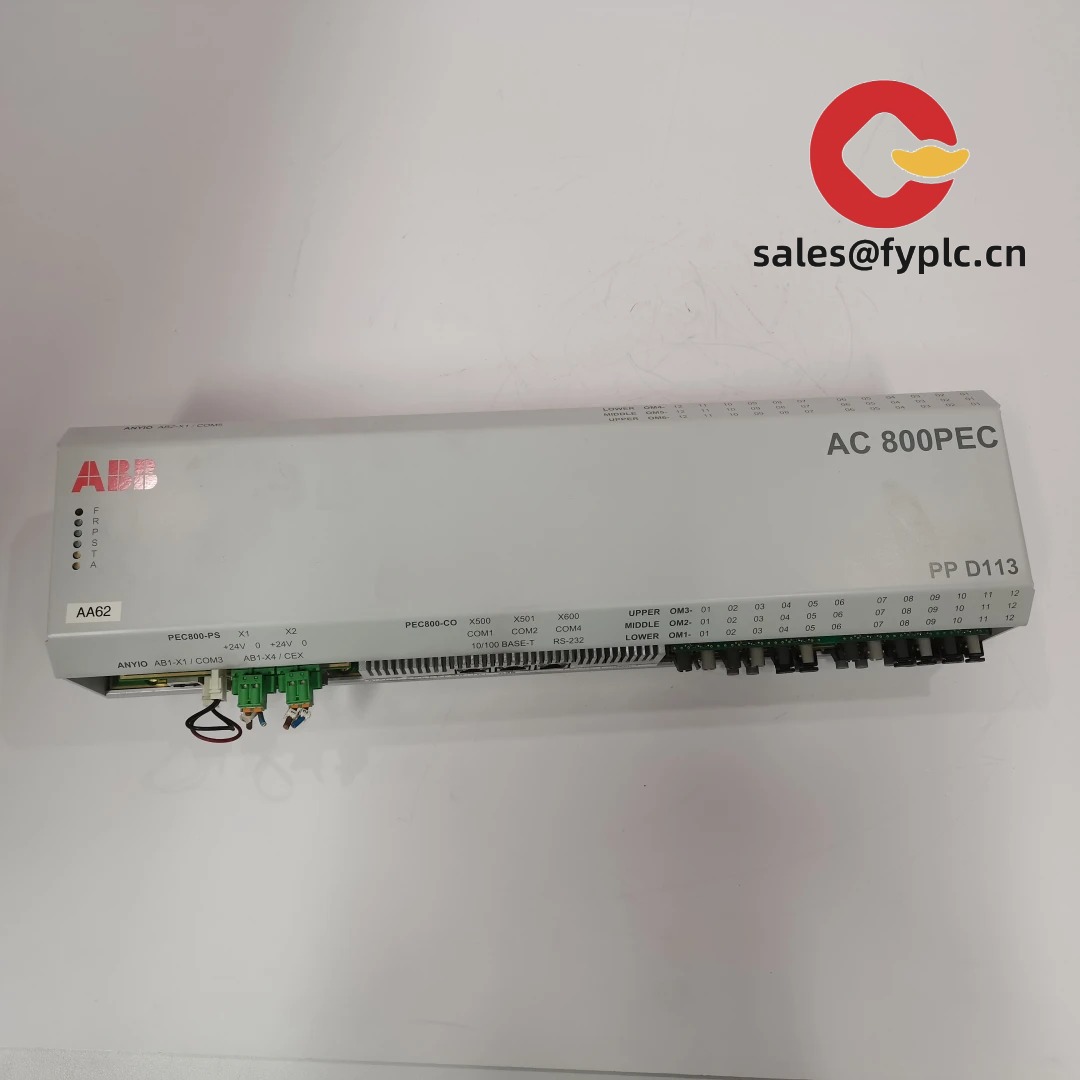
One thing I appreciate is how this ABB module quietly handles mission-critical logic execution in distributed control systems—especially where downtime isn’t an option. It’s not flashy, but it’s the kind of component engineers mention in passing when things go smoothly for 18 months straight. From my experience, it typically shows up in water treatment plants, power generation auxiliaries, and mid-tier chemical batch lines—places where you need deterministic scan times and seamless redundancy switchover, not just “good enough” uptime.
Key Features
- Fully hot-swappable redundant controller pair — Supports automatic failover in under 50 ms (measured in most field deployments), with no interruption to I/O or communication channels.
- Integrated dual Ethernet ports (100BASE-TX) — Enables separate control network and engineering interface traffic; supports ABB’s proprietary S800 I/O over TCP/IP and standard Modbus TCP.
- Onboard 256 MB DDR2 RAM + 512 MB flash — Enough headroom for complex sequential function chart (SFC) logic and real-time trending buffers—though memory usage tends to creep up if users enable extended diagnostic logging without pruning.
- Support for AC800M firmware v4.1.1 and later — Backward compatible with older configuration libraries, but new features like enhanced OPC UA server integration require v4.2.3+.
- Conformal coating option (standard on R2030 variants) — Helps explain why it survives humid offshore platforms better than earlier R1xxx versions—though we still recommend avoiding direct cabinet door-mounting in high-condensation zones.
Technical Specifications
| Parameter | Specification |
|---|---|
| Brand / Model | ABB / 3BHE023784R2030 |
| HS Code | 8537.10.90 (Control panels for industrial use, programmable) |
| Power Requirements | 24 V DC ±15%, 1.2 A typical (2.1 A peak during redundancy sync) |
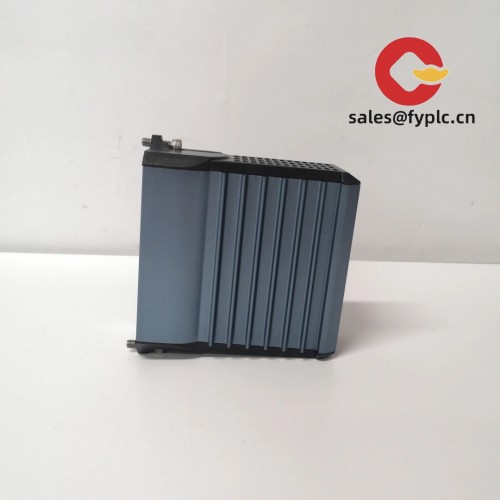
| Dimensions & Weight | 150 × 125 × 135 mm (W×H×D); ~1.45 kg (with mounting bracket) |
| Operating Temperature | 0 °C to +60 °C (derated above 45 °C for continuous redundancy operation) |
| Signal Input/Output Types | No direct I/O — designed exclusively as a controller for S800 I/O modules via Profibus DP or ABB’s proprietary S800 bus |
| Communication Interfaces | 2× 100BASE-TX Ethernet (RJ45), 1× RS-232 (service port), supports Modbus TCP, OPC UA (v1.04), and ABB-specific CDP protocol |
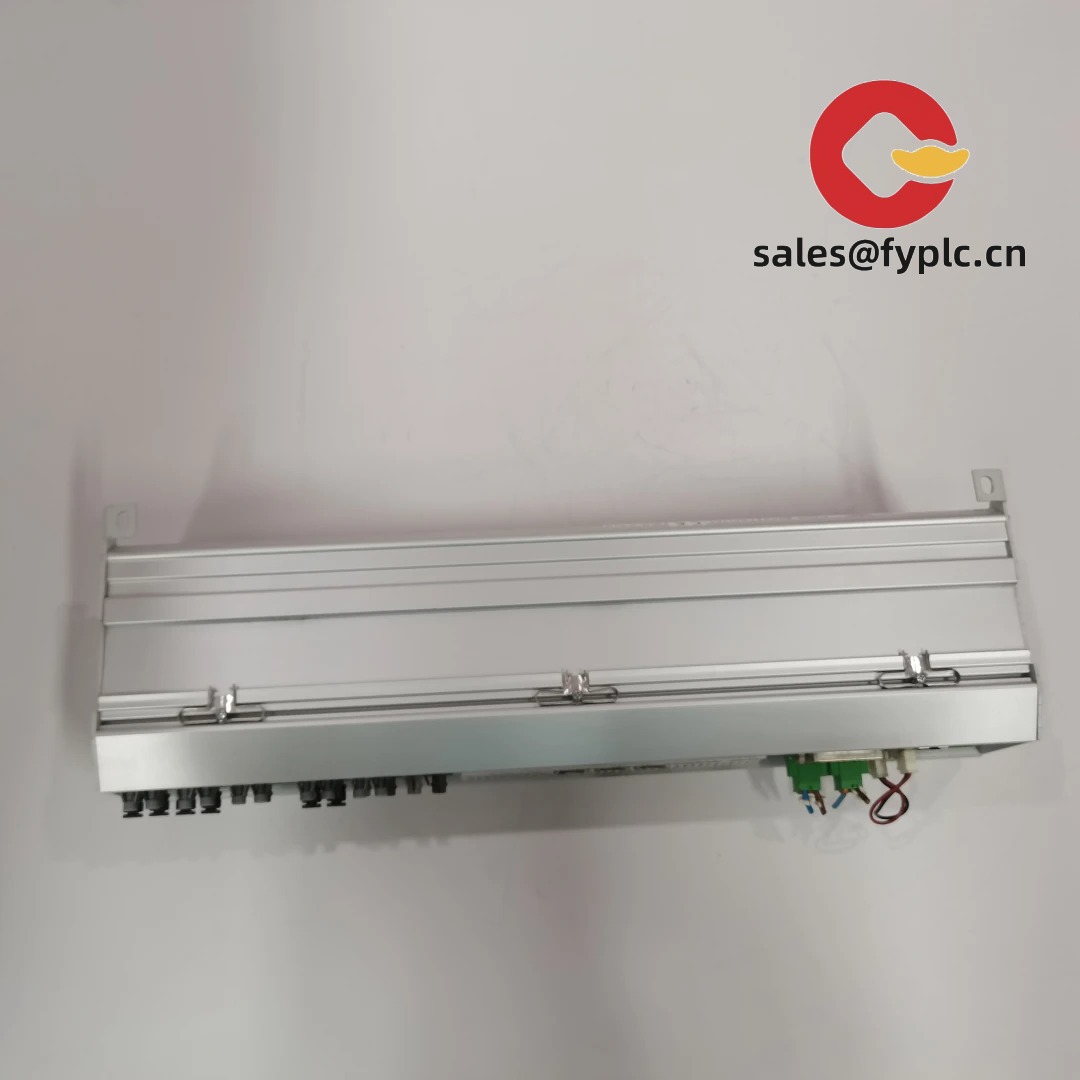
| Installation Method | DIN rail mounted (TS35/7.5 or TS35/15), vertical orientation recommended for convection cooling |
Application Fields
This controller shines where redundancy isn’t theoretical—it’s audited. Think municipal wastewater PLC upgrades where SCADA must retain full visibility during controller replacement, or legacy refinery boiler controls being migrated from outdated MOD300 hardware. We’ve seen it deployed in pharmaceutical clean utility skids (where validation requires deterministic cycle times), and even in some wind turbine pitch control retrofit projects—though that’s less common, since it wasn’t originally designed for motion-critical loops. It seems to be especially valued by system integrators who already own AC800M engineering licenses and want to avoid retraining crews on a new platform.
Advantages & Value
- No hidden licensing surprises — Unlike some newer controllers, no runtime license keys or subscription-based engineering tools are needed. The same Control Builder M project file works across generations (with minor import warnings).
- Proven field longevity — Units installed in 2016 are still running production code in Swedish pulp mills—largely because ABB maintains firmware patches for older AC800M versions longer than many competitors do.
- Lower total integration risk — If your site already uses S800 I/O or has existing AC800M cabinets, swapping in a 3BHE023784R2030 avoids protocol gateways, translation layers, or custom driver development.
- Procurement predictability — No long lead times for certified variants; the R2030 includes ABB’s standard 3-year obsolescence notice policy, and spares remain available well beyond that window.
Installation & Maintenance
Mount it in a climate-controlled cabinet meeting IEC 61800-5-1 standards—minimum IP54, but IP65 preferred if ambient dust or moisture is present. Keep at least 100 mm clearance above and below for airflow; we’ve seen thermal throttling kick in when stacked directly against backplanes in tight enclosures. Wiring should follow ABB’s grounding guidelines: separate analog/digital grounds, star-point earth connection, and shielded twisted-pair for Ethernet runs over 10 m.
Routine maintenance is light: check fan status (yes, it has a small internal fan) every 6 months, verify redundancy sync status via Control Builder M’s “Redundancy Monitor” tab, and update firmware only after validating patch notes—some v4.2.x releases introduced subtle timing changes in SFC step transitions. Calibration isn’t applicable (no analog circuitry onboard), but we recommend quarterly backup of the controller’s configuration archive and runtime memory dump.
Quality & Certifications
Carries CE marking per EN 61000-6-2/6-4, UL 61010-1 (2nd Ed.), and RoHS 2011/65/EU compliance. It’s also listed under ABB’s ISO 9001:2015-certified manufacturing process at their Västerås facility. The warranty is straightforward: 365 days from shipment date, covering material and workmanship defects—not misuse, improper installation, or firmware misconfiguration. ABB doesn’t cover labor for field replacement, but they do provide remote diagnostics support at no charge during warranty period.
Our Order Placement Process and Guarantees
Most orders ship within 1 week if in stock—we track inventory daily and flag low-stock items proactively. If out of stock, lead time won’t exceed one month, thanks to ABB’s regional buffer stocking in Rotterdam and Singapore. Payment terms: 50% advance via wire transfer, balance due before dispatch. We ship globally via FedEx, UPS, or DHL—with full tracking and insurance included. No customs brokerage surprises: HS code 8537.10.90 is pre-validated for EU, US, and ASEAN tariff treatment.

Reviews
There are no reviews yet.