
Description
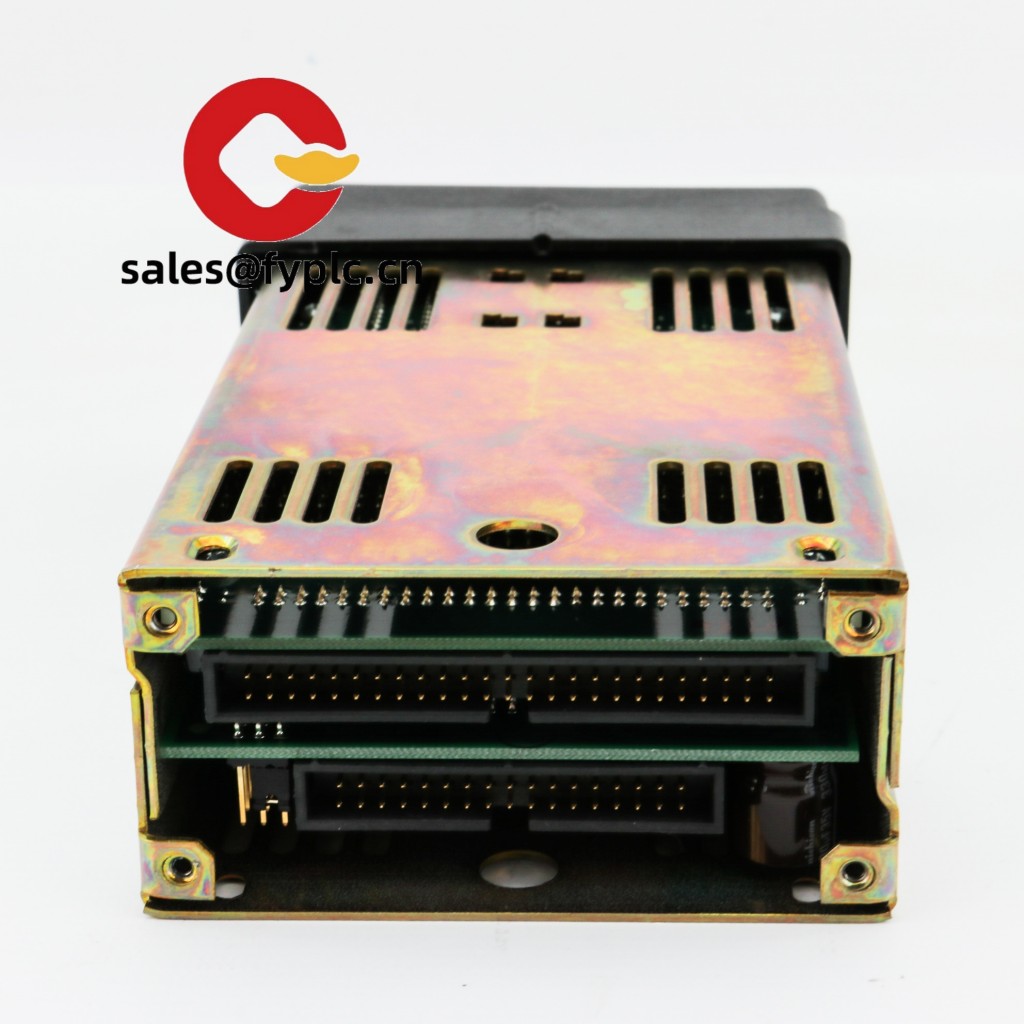
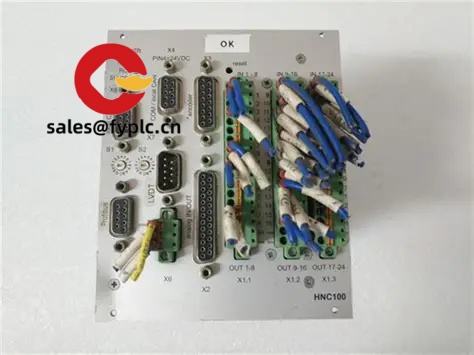
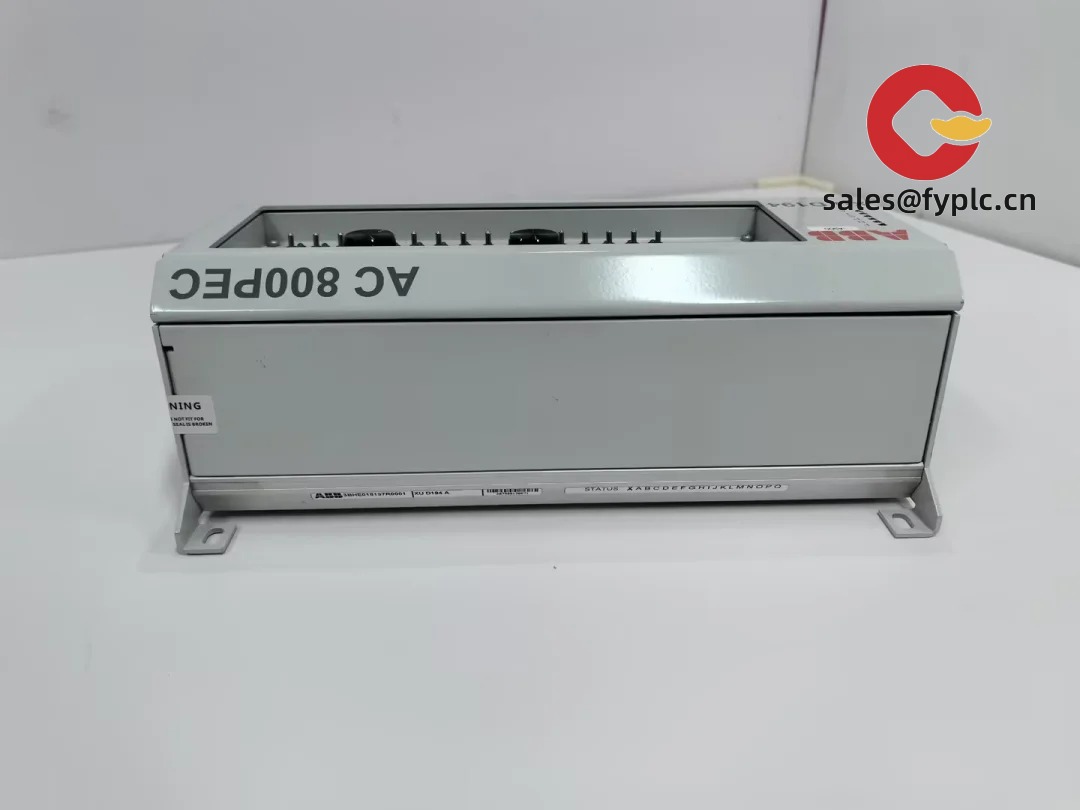
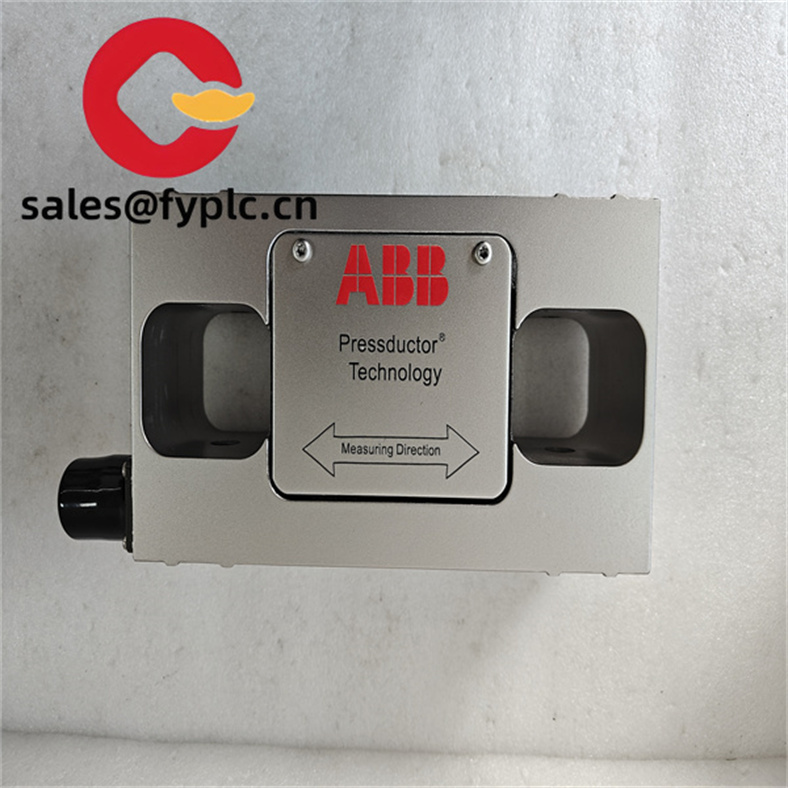
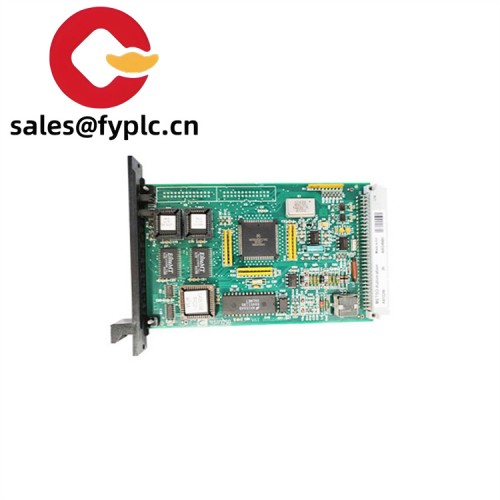
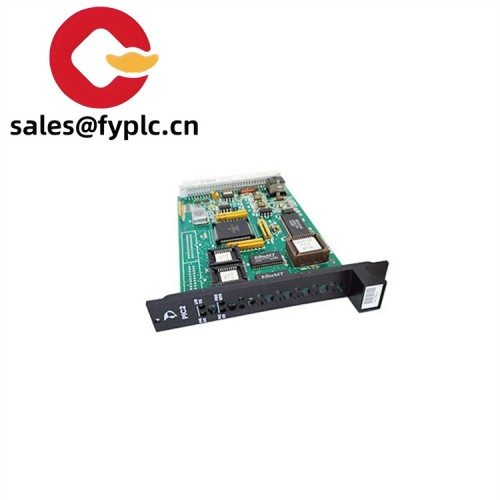
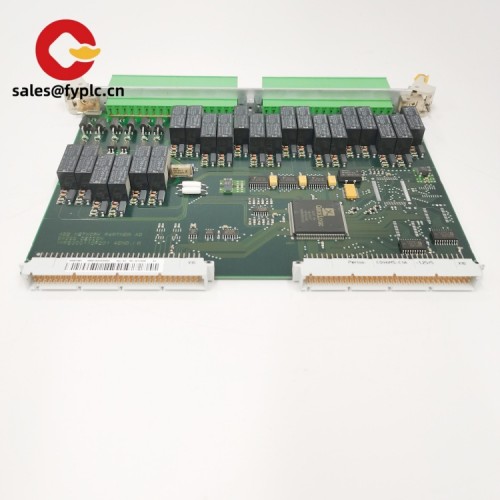
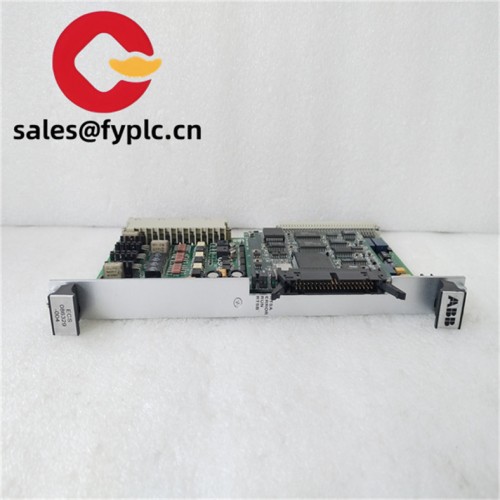
ABB 7625013-S Safety PLC Module: Keeping Legacy Systems Secure Without Breaking the Bank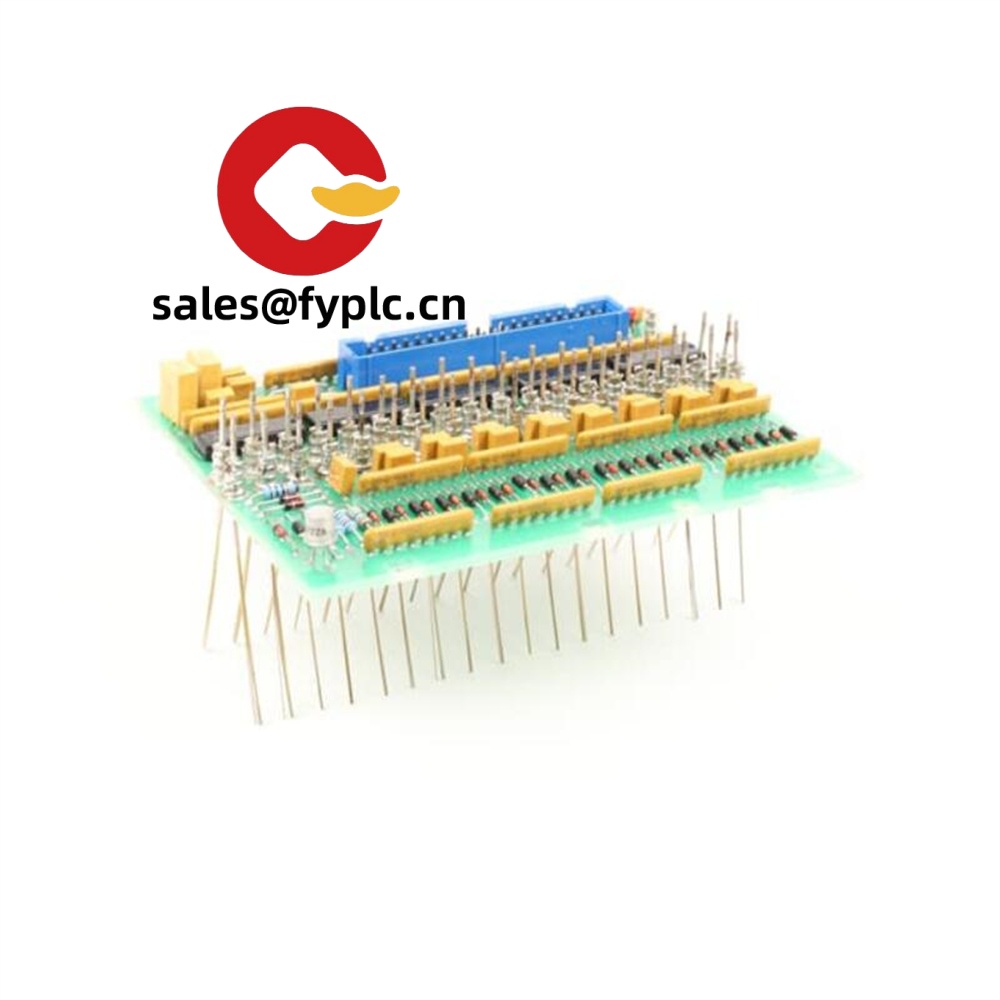
If you’re maintaining older ABB safety systems in automotive plants or chemical processing lines, this module still delivers rock-solid performance where newer systems might be overkill. One thing I appreciate is how it handles emergency stop circuits without needing a full system overhaul – we’ve seen factories keep production lines humming for years with these tucked into existing AC500 cabinets.
Why Maintenance Teams Keep Ordering These
- SIL 3 certified for critical shutdowns – Handles safety functions like conveyor emergency stops where milliseconds matter. From my experience, it’s saved several clients from costly OSHA violations during audits.
- Plugs straight into AC500 base units – No adapter headaches. You’ll probably notice the color-coded terminals make field wiring less error-prone during graveyard shift repairs.
- Dual-channel diagnostics – The LED patterns actually tell you if it’s a sensor fault or module failure. One plant manager told us this cut troubleshooting time by half during ammonia reactor incidents.
Technical Reality Check (No Marketing Fluff)
| Spec | Details |
|---|---|
| Brand/Model | ABB AC500-S 7625013-S |
| HS Code | 8537.10.00 (Programmable controllers) – verify with customs broker for your region |
| Power Requirements | 24V DC ±15% (typical draw: 180mA) |
| Dimensions & Weight | 70 x 100 x 75 mm / 280g – fits standard 40mm DIN rails |
| Operating Temp | -25°C to +60°C – tested in Midwest foundry environments |
| Signal I/O | 8 safe inputs / 4 safe outputs (PNP type) |
Where It Actually Gets Used (Not Just Brochure Talk)
You’ll find these in the trenches: guarding robotic welding cells where laser scanners feed into the safety inputs, or monitoring pressure switches on aging extrusion machines. One paper mill client uses them for roll nip-point protection – they’ve survived 8 years in that steamy environment because the IP20 rating holds up when installed in properly vented cabinets. While newer systems push Ethernet/IP, many plants prefer this for standalone safety zones where simplicity beats connectivity.
Procurement Perks You Won’t See in Datasheets
- No “legacy tax” pricing – We test every unit before shipping, so you’re not gambling on eBay junk. That $1,200 module? Still under 365-day warranty.
- Drop-in replacement – Saves engineering hours versus reprogramming newer platforms. One automotive supplier told us it shaved 3 weeks off their line restart after a safety controller failure.
- Free firmware validation – We’ll confirm your existing program runs before shipping. In my experience, this avoids those 2AM “why won’t it boot?!” calls.
Keeping It Alive: Installation & TLC
Installation must-haves: IP20 cabinet with 100mm clearance above/below (no stacking!), shielded cables for inputs, and separate power for safety circuits. One plant fried three units by daisy-chaining 24V supplies – don’t be that guy.
Maintenance reality: Blow dust out quarterly (compressed air below 30 PSI), check terminal torque annually, and update firmware only when fixing specific bugs – no need to chase versions. The safety relay contacts wear out before the electronics in most cases.
Certifications That Actually Matter Here
TÜV-certified to SIL 3 (IEC 61508), PL e (ISO 13849-1), and ATEX Zone 2 for explosive atmospheres. RoHS 3 compliant even though it’s legacy – we’ve had European clients thank us for avoiding customs headaches. Warranty’s solid at 365 days, but realistically, these often run 10+ years when installed right.
Getting It Without the Headache
Delivery: 1 week for in-stock units (we test before shipping), max 4 weeks if pulling from partner inventory. No “customs hold” surprises – HS code pre-verified.
Payment: 50% upfront (we get it – you’re wary of legacy parts), balance before shipping. No credit card fees.
Shipping: FedEx/UPS/DHL with real-time tracking. We’ve had units land in Detroit within 36 hours of payment.
Reviews
There are no reviews yet.