
Description
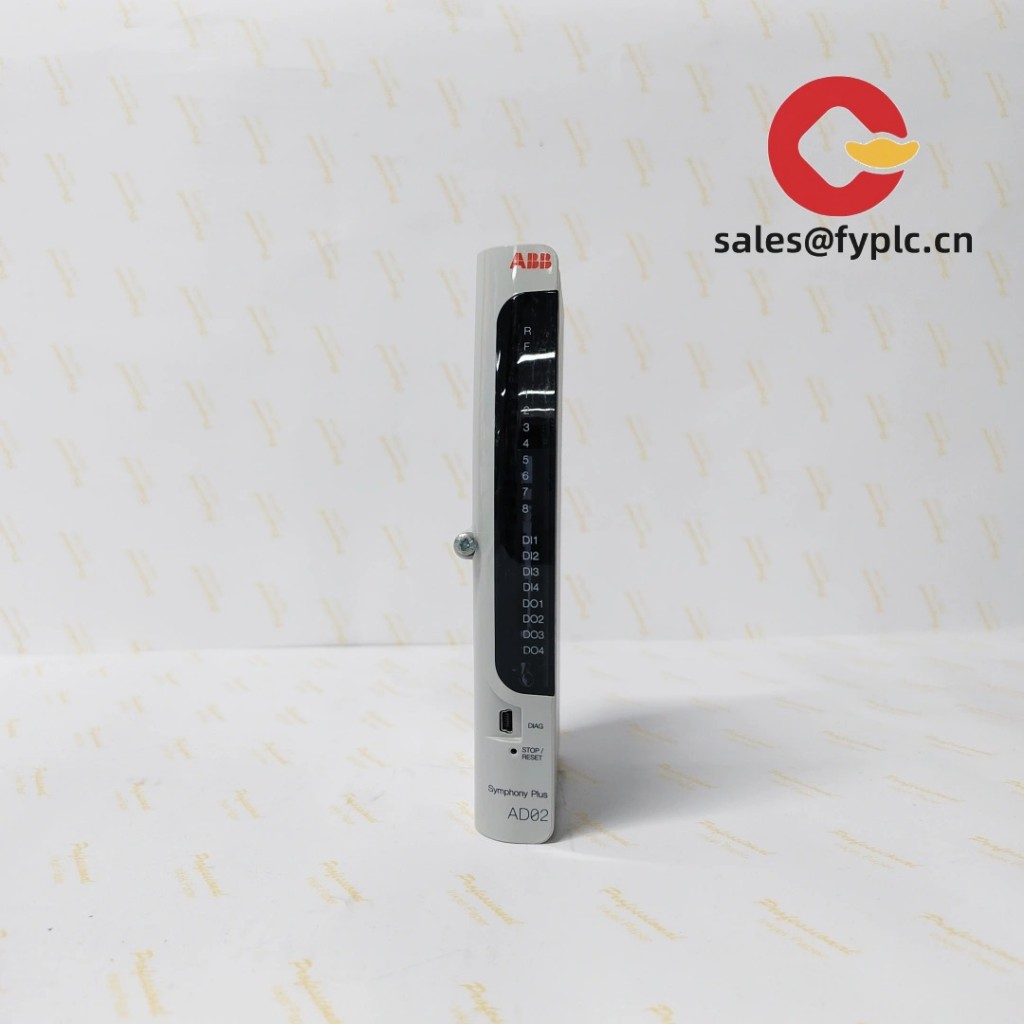
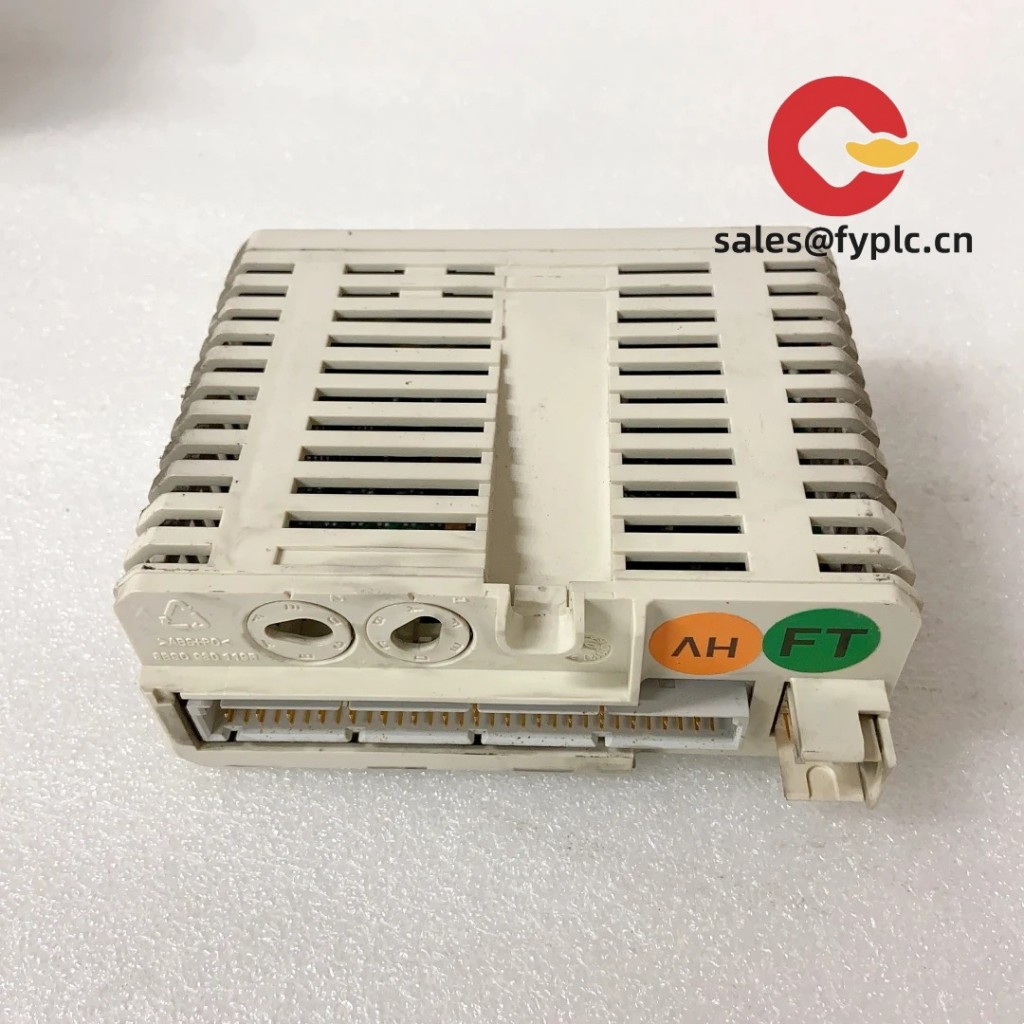
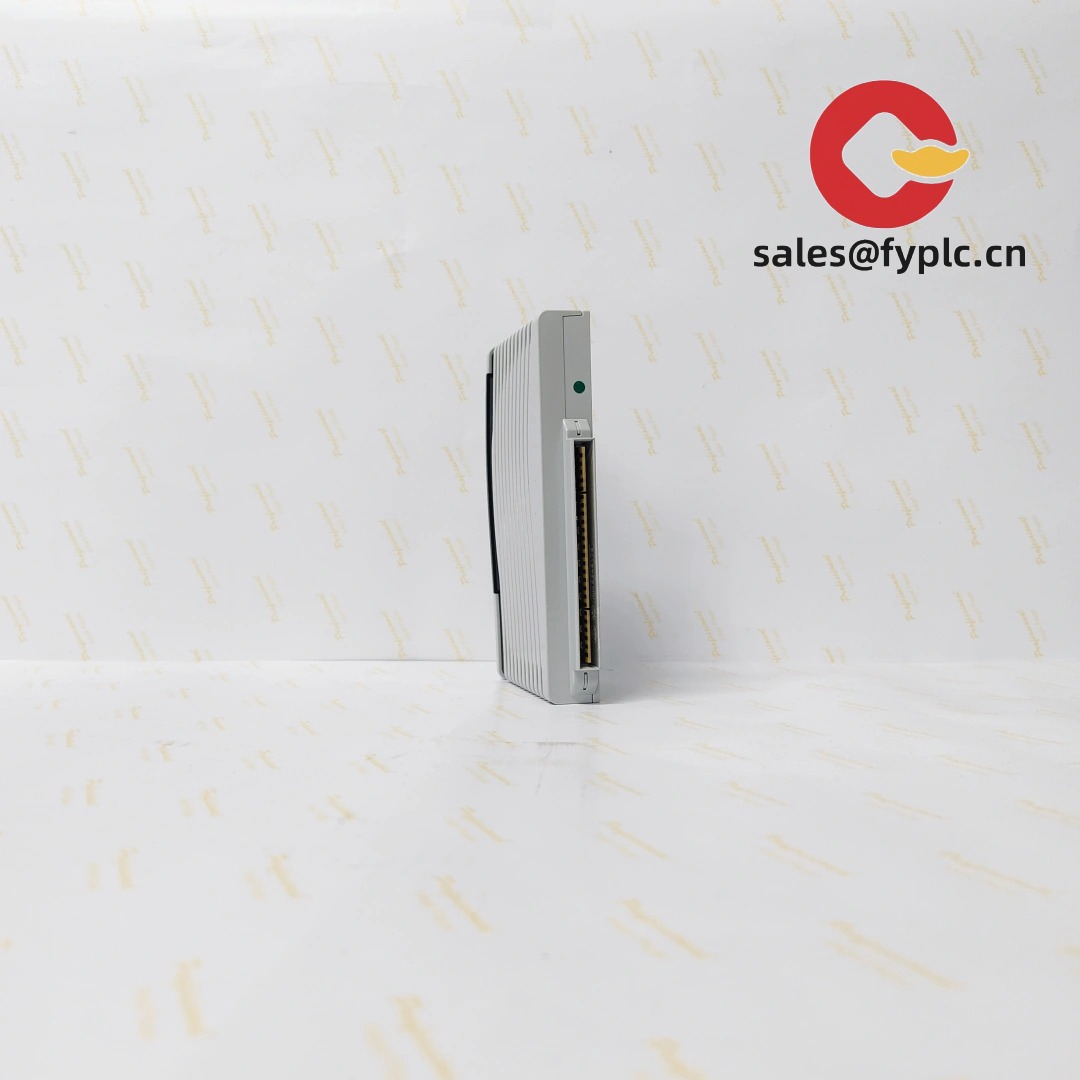
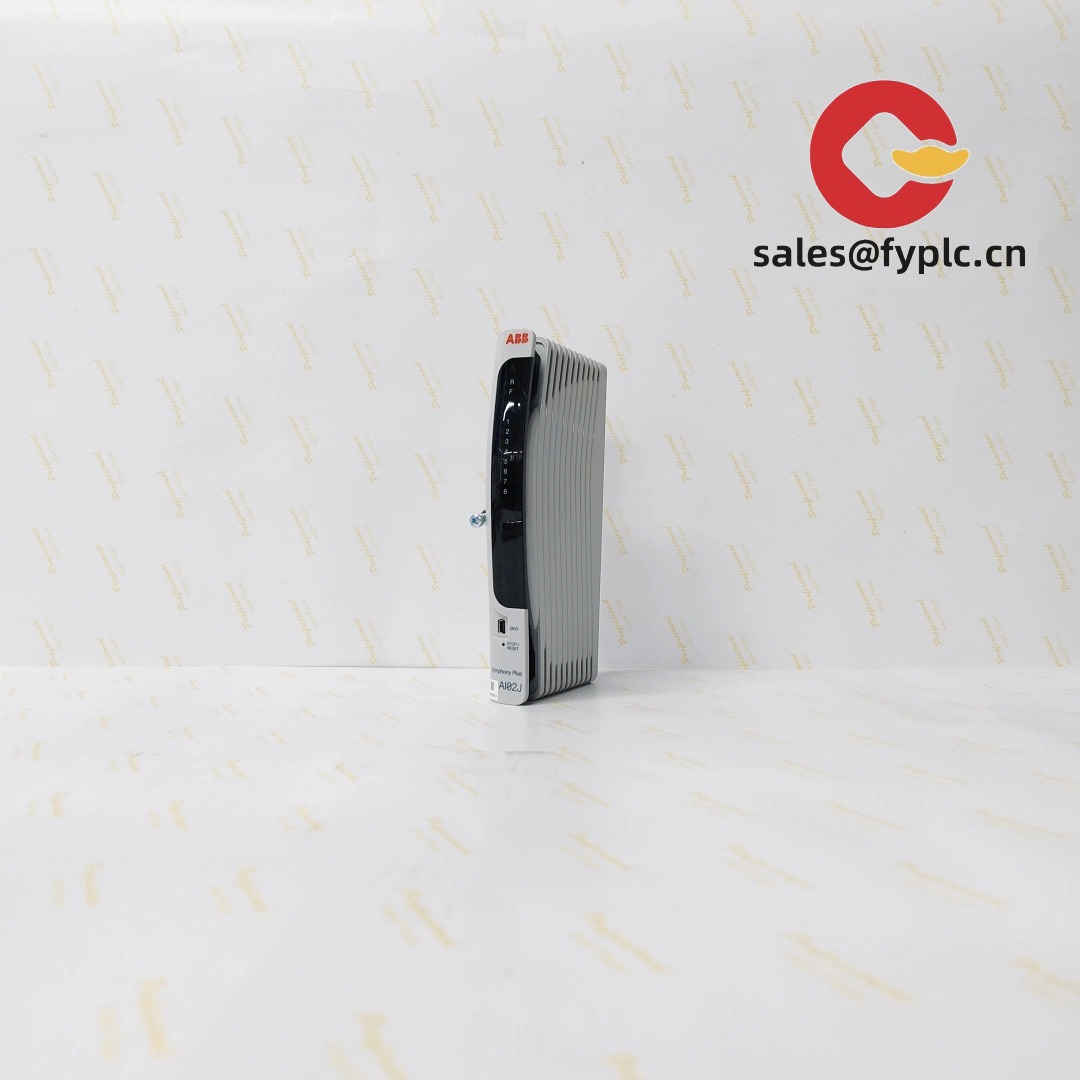
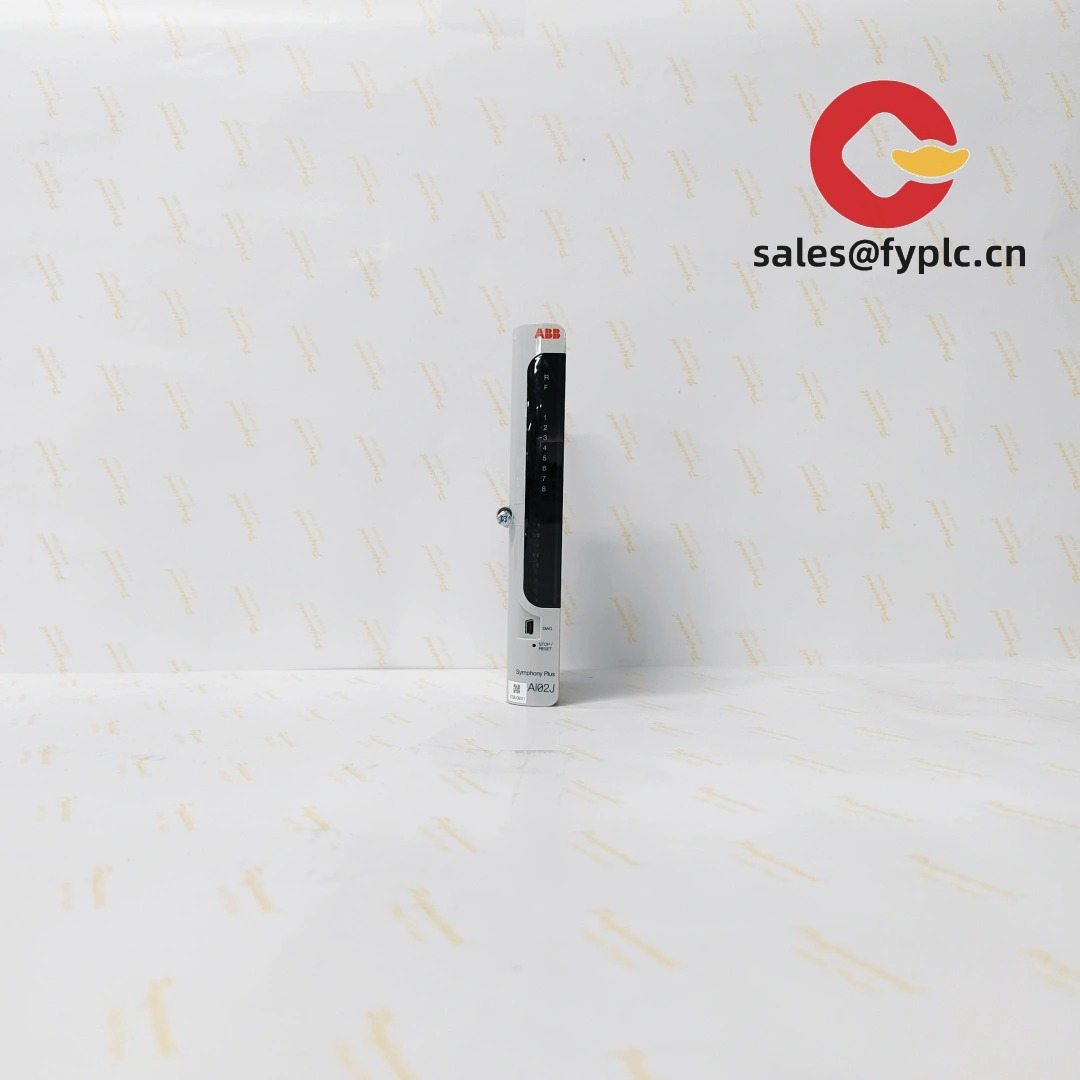
ABB AI02J – Analog Input Module for Reliable Sensor Acquisition in Industrial Control Systems
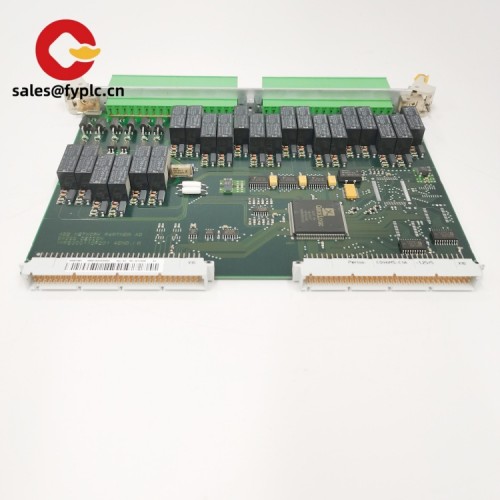
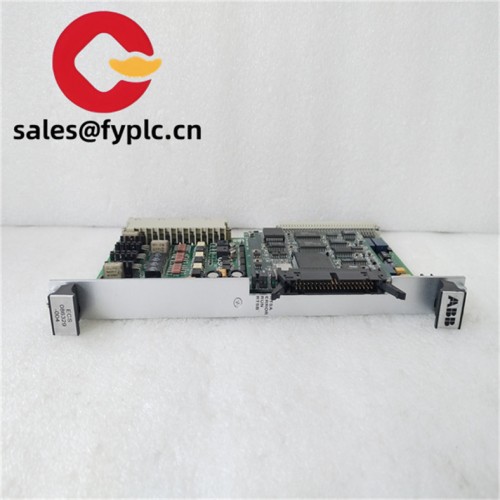
The ABB AI02J is commonly used as an analog input module within ABB PLC/DCS platforms, converting field sensor signals into clean, usable data for the controller. From my experience, it’s selected when teams need stable 4–20 mA or 0–10 V readings with low drift and straightforward commissioning. The “J” suffix typically indicates a later hardware revision, which in many cases brings improved EMC robustness and minor performance refinements without changing core functionality.
Company’s Order Placement Process and Guarantees
- Warranty period: 365 days
- Delivery time: 1 week for in-stock; no more than one month at the latest
- Payment method: 50% advance payment; full payment prior to delivery
- Express delivery methods: FedEx, UPS, DHL
Key Features
- Stable analog acquisition – Typically supports common ranges (4–20 mA / 0–10 V) for process sensors, reducing scaling headaches.
- Backplane powered – Draws power from the system rack/base, simplifying wiring and panel space planning.
- DIN-rail/cabinet friendly – Designed for standard industrial cabinets, making replacements fast during downtime.
- Revision “J” compatibility – In many cases drop-in with earlier revisions when firmware and engineering tools are aligned; always verify against your controller bill of material.
- Noise and EMC resilience – You might notice cleaner readings if shielded cabling and proper grounding are followed.
- Engineering tool integration – Configurable via the host ABB system’s engineering software, keeping channel scaling and diagnostics consistent with your project standards.
Technical Specifications
| Brand / Model | ABB AI02J (Analog Input Module, hardware revision J) |
| HS Code | 8538.90 (Parts for switching/protection/controls of 8535–8537), commonly used for PLC I/O modules |
| Power Requirements | Powered via system backplane; typically 24 VDC bus; approx. consumption ≤ 3 W (varies by channel count/configuration) |
| Dimensions & Weight | Approx. 120 × 100 × 25 mm; 0.25–0.35 kg (module-only, without terminal base) |
| Operating Temperature | 0 to +55 °C (typical for cabinet‑mounted I/O); 5–95% RH non‑condensing |
| Signal Input/Output Types | Analog inputs (commonly 4–20 mA / 0–10 V); exact ranges and channel count may depend on the specific system base and revision |
| Communication Interfaces | System backplane bus of the host ABB controller; no external fieldbus on the module itself |
| Installation Method | DIN‑rail control cabinet mounting on the designated ABB base/rack; pluggable terminal blocks for field wiring (depending on base) |
Application Fields
Plants tend to use AI02J modules wherever analog sensors need to be brought into an ABB controller with predictable stability:
- Process automation: flow, pressure, temperature, and level transmitters in chemical and oil & gas skids
- Power and utilities: water treatment, boiler/steam loops, and substation auxiliary measurements
- Factory automation: machine tool coolant monitoring, ovens, and mixing lines
- Robotics and cells: bringing analog feedback (torque/load sensors, analog encoders) into a cell controller
A maintenance supervisor recently told us they swapped to an AI02J during a planned stop and “the scaling matched our project file right away,” which saved them another trip to site the next morning.
Advantages & Value
- Reliability – ABB I/O typically runs for years with minimal drift when mounted in a clean, ventilated cabinet.
- Compatibility – Designed to work seamlessly within its ABB rack/base system; fewer surprises during commissioning.
- Lifecycle support – The “J” revision appears to remain service-friendly; we can source replacements or matched revisions to suit existing plants.
- Cost control – Drop‑in replacements limit re-engineering, wiring changes, and production downtime.
- Technical support – We can help verify compatibility against your controller, firmware, and engineering tool versions before you place the order.
Installation & Maintenance
- Cabinet & mounting – Install on a grounded DIN rail in a clean cabinet (IP54 or better is typical). Allow clearances for airflow.
- Wiring – Use shielded twisted pairs for analog signals; ground shields at one end only to reduce loops. Separate analog and high‑voltage cabling.
- Power & backplane – Verify backplane voltage and loading limits; mixed I/O on a single rack should respect total current and thermal budgets.
- Commissioning – Confirm engineering tool channel scaling, filtering, and range selection. Perform a quick two‑point check with a calibrator if possible.
- Routine maintenance – Periodic terminal re‑torque, dust cleaning, and spot checks on critical channels. Firmware is typically managed at the controller level; keep project backups updated.
- Spare parts – Keeping one AI02J spare per cabinet row is a practical policy on high‑availability lines.
Quality & Certifications
- CE conformity (EMC and LVD) – typical for ABB industrial I/O
- RoHS compliance – most current ABB modules
- UL/cUL listing – often applicable for North American installations
- Manufacturer warranty support; our warranty: 365 days
One thing I appreciate is how predictable these ABB analog modules are once the ranges are set. If you can share your rack/base code and required input ranges (mA or V), we’ll double‑check compatibility, channel count, and lead time so the AI02J arrives ready to slot in.

Reviews
There are no reviews yet.