


Description
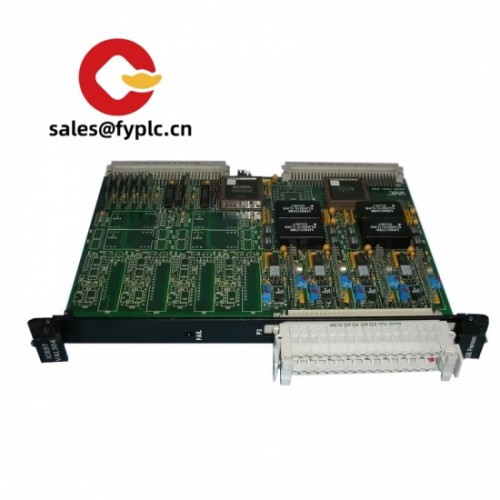
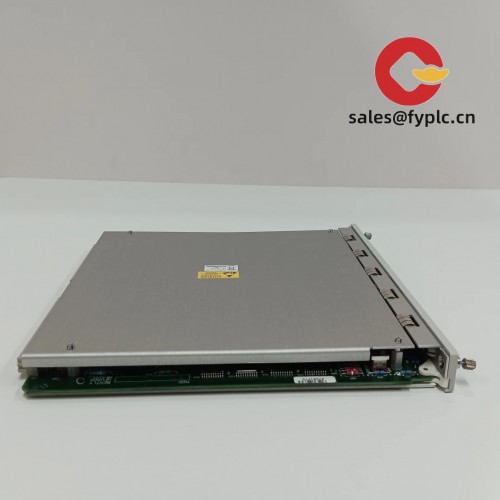
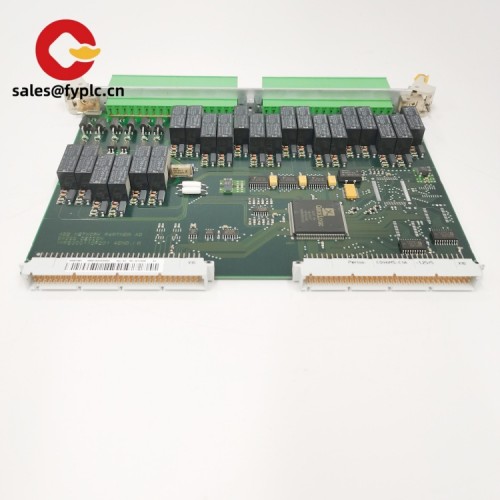
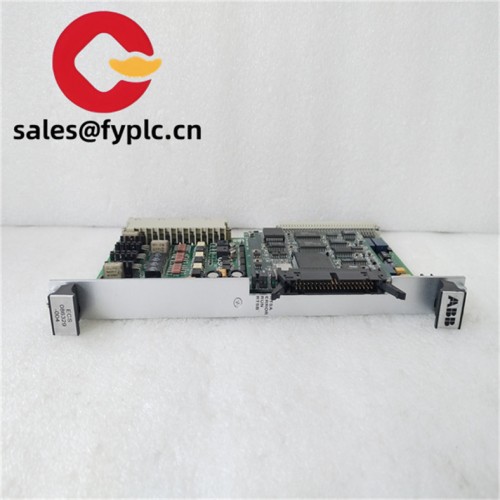
ABB Bailey INICT01 – High-Performance Industrial Network Interface for Process Control Systems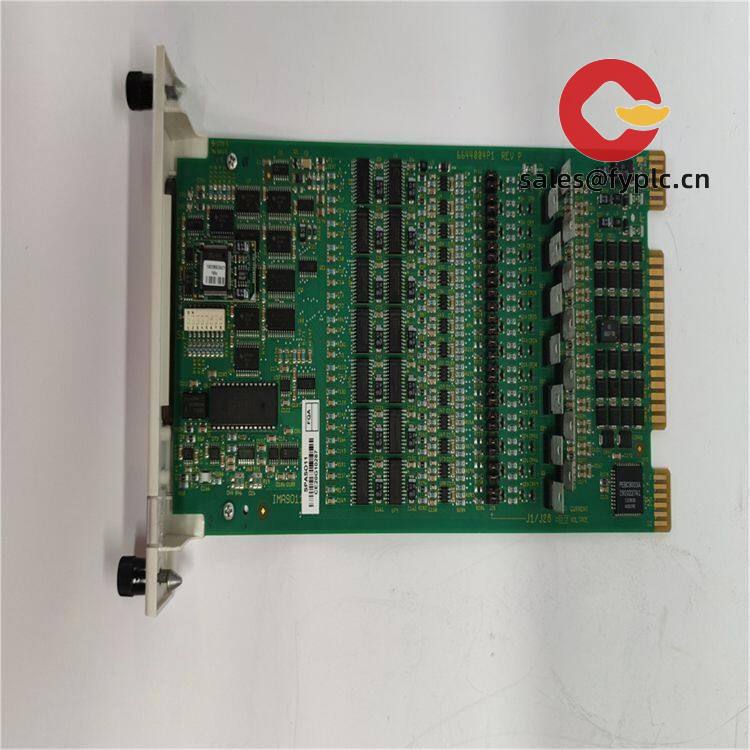
If you’re working with legacy ABB Bailey systems—especially in power generation or heavy industrial environments—the INICT01 isn’t just another module. It’s the communication backbone that keeps your controllers talking to the host system reliably. From my experience supporting retrofits in thermal plants, this unit tends to show up in applications where uptime matters more than flashy features.
One thing I appreciate is how it bridges older INFI-90 control networks with modern supervisory systems using standard protocols. You might notice that in many cases, facilities still running INFI-90 architectures don’t have the budget—or operational window—for a full system overhaul. The INICT01 lets them maintain stability while enabling limited integration with higher-level monitoring tools.
Key Features
- Network Interface Functionality: Acts as a gateway between INFI-90 data highways and external operator interfaces or engineering stations, typically via Ethernet or serial links.
- Redundancy Support: Designed to operate in dual-redundant configurations, which helps prevent single-point failures in mission-critical processes.
- Protocol Translation: Handles proprietary ABB protocols like FOI (Front Operator Interface) and translates them for use with diagnostic and configuration software such as INFI-SIGHT or Symphony Plus.
- Ruggedized Design: Built for industrial cabinets with robust EMI shielding and conformal coating—important if you’re dealing with high-vibration or electrically noisy environments.
- Firmware Upgradability: While not always straightforward, field upgrades are possible through service ports, helping extend lifecycle in aging installations.
Technical Specifications
| Parameter | Specification |
|---|---|
| Brand / Model | ABB / Bailey INICT01 |
| HS Code | 85371000 |
| Power Requirements | Typically +5V DC from backplane; derived from INFI-90 rack supply (e.g., BRC-100/BRC-200) |
| Dimensions & Weight | Standard 19″ rack-mountable module (~200mm W x 150mm D x 100mm H), ~1.2 kg |
| Operating Temperature | 0°C to 55°C (ambient, non-condensing) |
| Signal Input/Output Types | Digital communications only – no analog I/O |
| Communication Interfaces | Twinaxial cable (FOI network), RS-232/RS-485 (diagnostic port), optional Ethernet bridge via external converter |
| Installation Method | DIN rail or panel mount within INFI-90 compatible cabinet (typically used with BRC or BRM chassis) |
Application Fields
The INICT01 is most commonly found in aging but still-operational ABB Bailey-based process control systems. In many cases, these are fossil fuel power plants, pulp and paper mills, or large chemical processing units where replacing the entire DCS isn’t feasible. It serves as a critical node connecting central processors to operator workstations, allowing engineers to monitor system health, download configuration changes, or troubleshoot controller issues without direct physical access.
A plant manager once told me they’d kept two spare INICT01s on hand “because when one fails at 3 a.m., there’s no time to wait.” That kind of feedback speaks volumes about its role—not glamorous, but essential.
Advantages & Value
Procurement teams often look at this module as a stopgap, but there’s real value in maintaining compatibility with existing control logic and safety interlocks. Replacing an INICT01 instead of upgrading a whole rack can save tens of thousands in engineering hours and downtime costs.
It seems to be particularly valuable during phased migrations—say, moving from INFI-90 to Symphony Plus—where interim connectivity is needed. And because ABB still supports legacy tooling (though sparingly), having genuine modules like this ensures firmware and software alignment.
Installation & Maintenance
When installing, make sure the cabinet meets standard NEMA-1 or IP54 requirements, especially regarding dust and humidity. Ventilation should allow for passive cooling—don’t stack equipment too tightly around it. Power comes directly from the backplane, so verify voltage levels before insertion.
On the safety side, always de-energize the rack if possible before handling. Even though hot-swap capability exists in some setups, ESD damage remains a risk. For maintenance, periodic checks of cabling integrity and connection tightness go a long way. Firmware updates are rare but do happen—usually through a connected laptop running INFI-SIGHT or similar engineering suite.
Quality & Certifications
Original ABB units carry CE, UL, and CSA markings, along with compliance to relevant IEC standards for industrial equipment (IEC 61010). RoHS compliance applies to later production batches, though early versions may predate full implementation.
Each unit we ship comes with a 365-day warranty—uncommon for legacy hardware, but we stand behind authenticity and functionality testing. Most failures we see aren’t due to design flaws, but rather environmental stress or power anomalies, so proper installation really does matter.
Order Placement & Guarantees
Delivery takes about one week for in-stock units, and no more than a month in worst-case scenarios. We require a 50% advance payment to confirm order processing, with full balance due prior to shipment. All units are tested before dispatch.
Express shipping via FedEx, UPS, or DHL ensures traceable delivery and faster customs clearance. If you’re planning a system outage window, let us know—we’ll prioritize accordingly.

Reviews
There are no reviews yet.