
Description
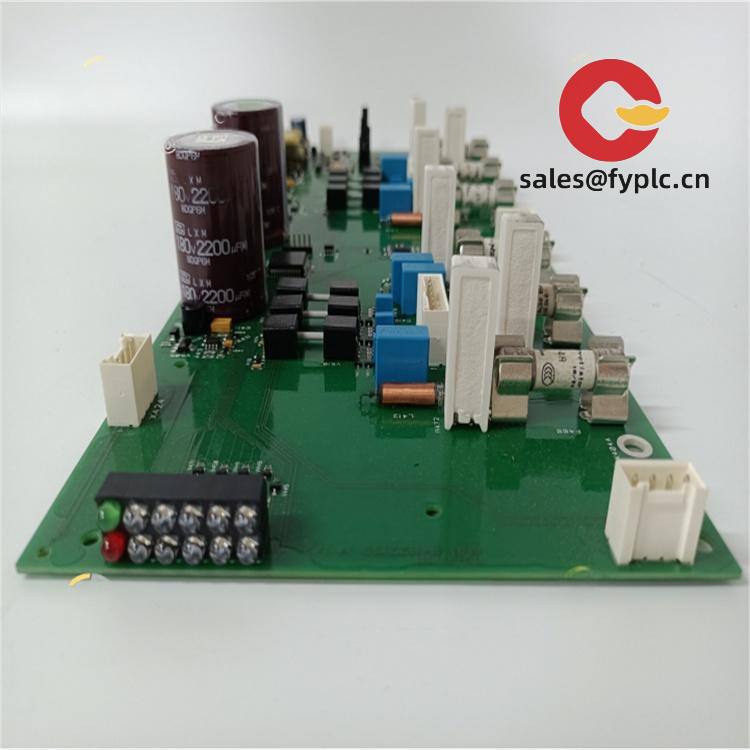
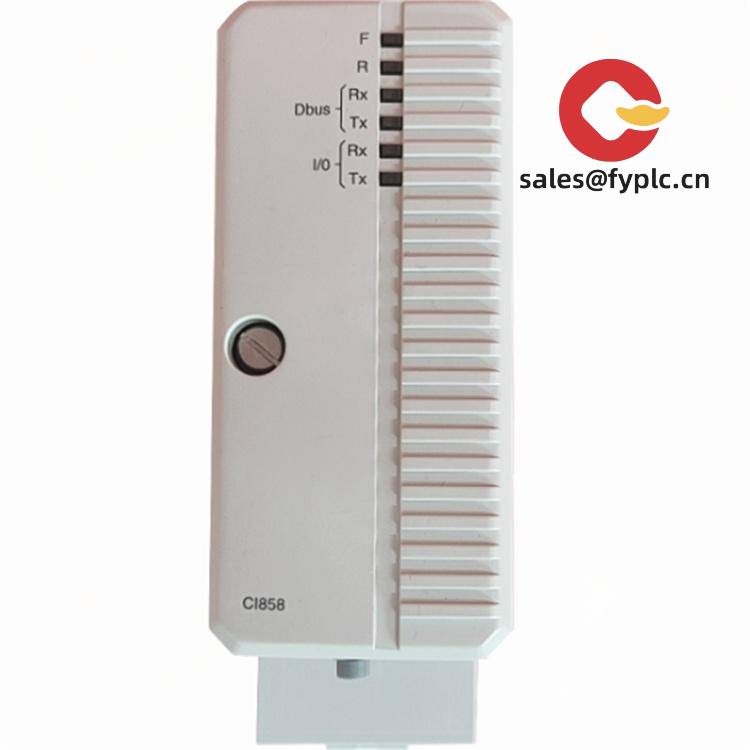
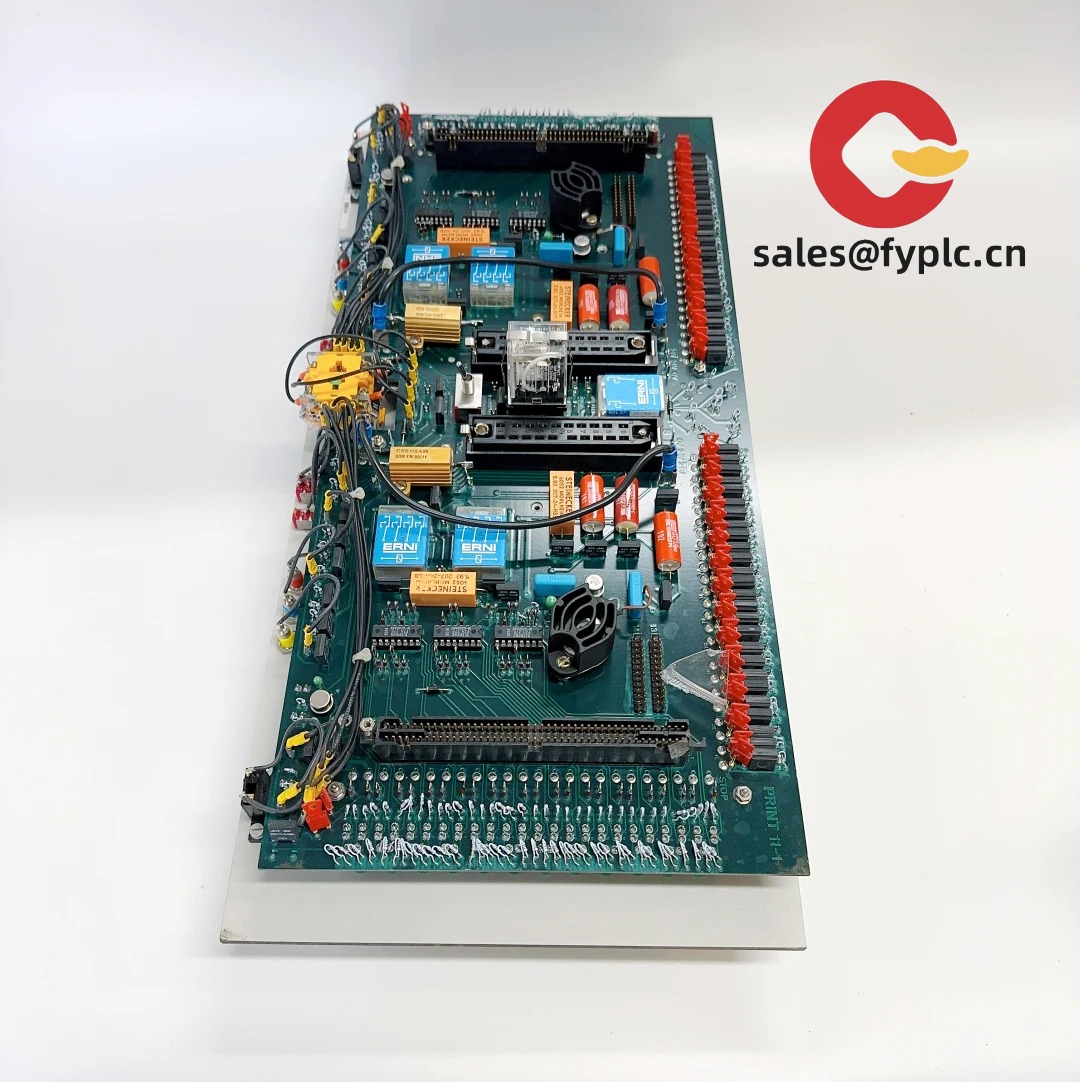
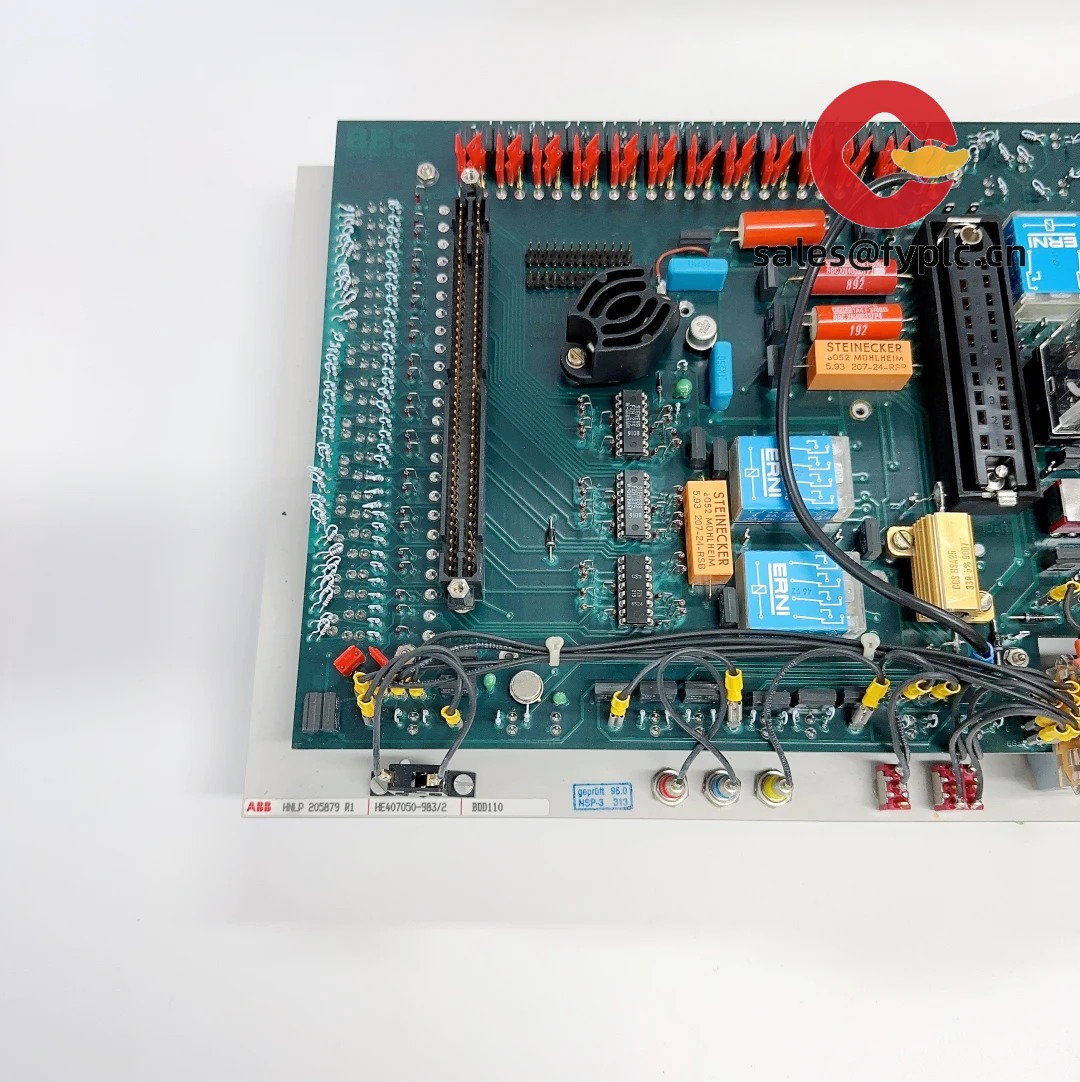
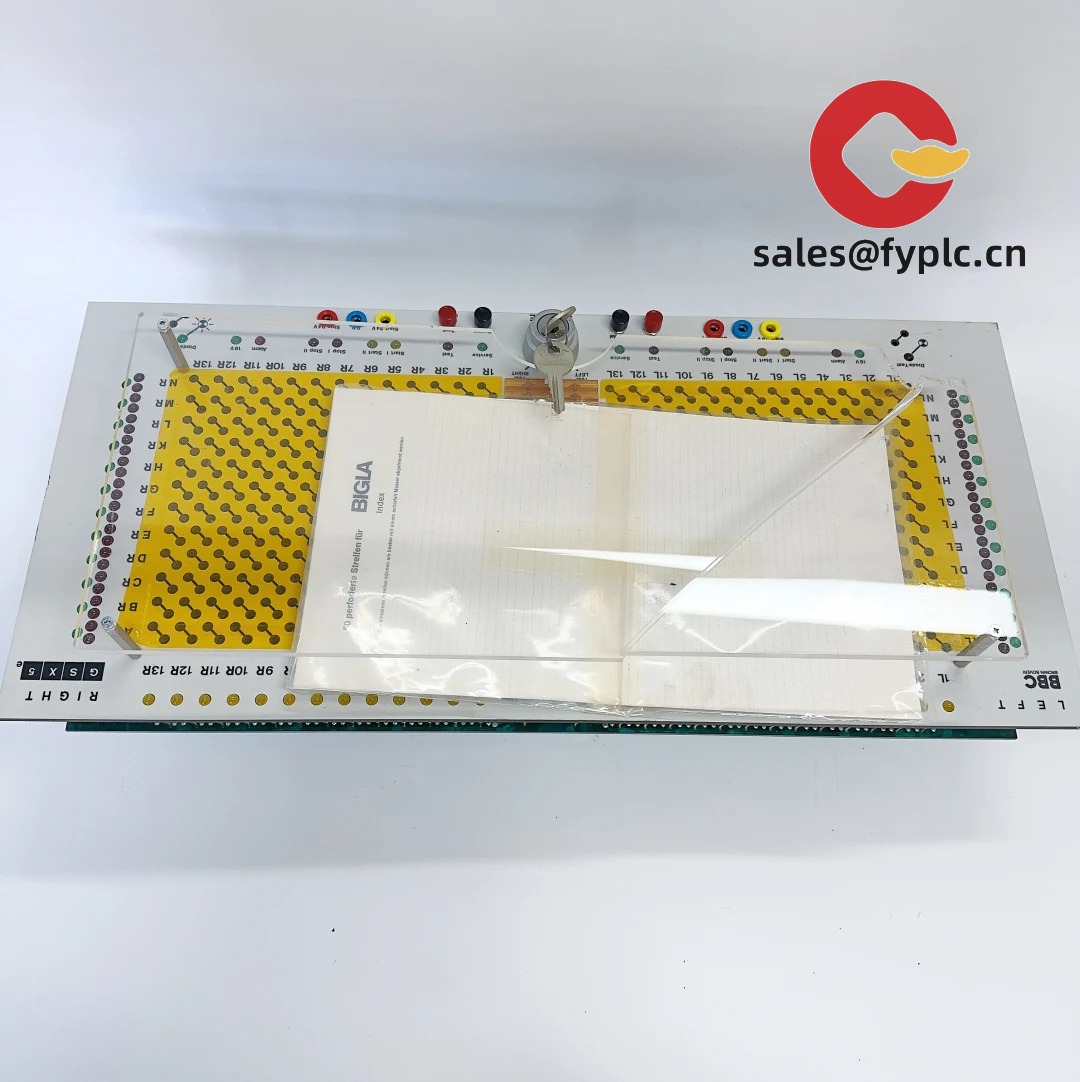
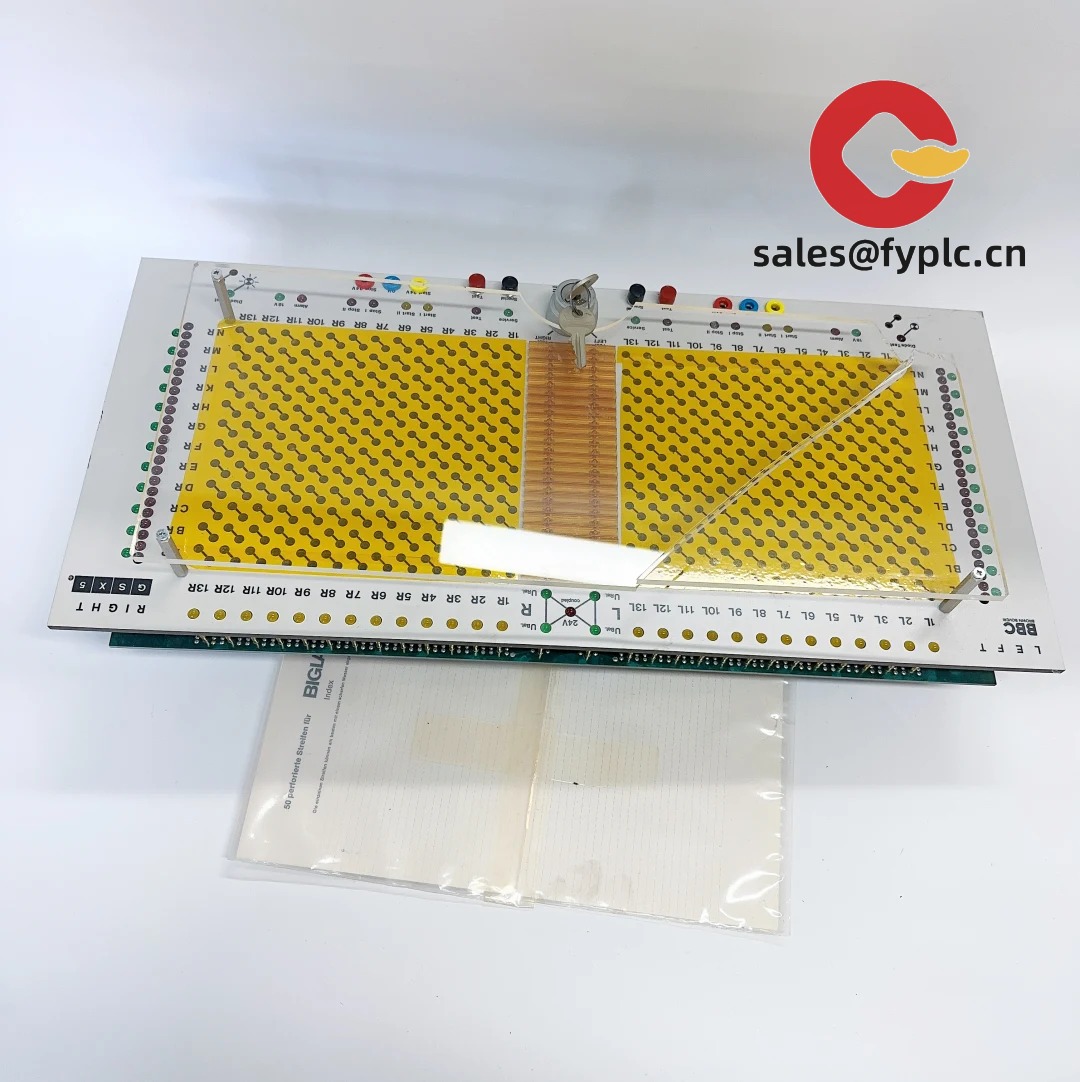
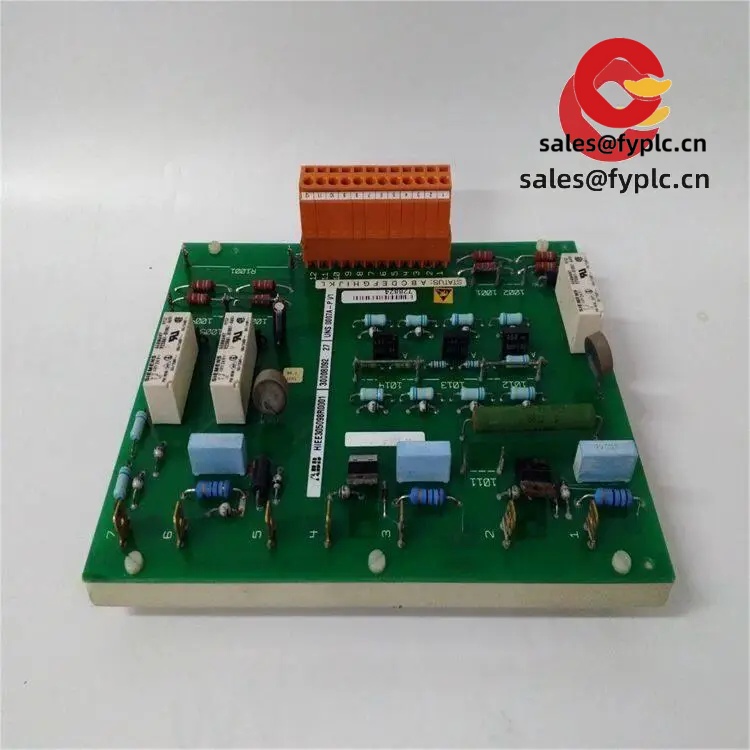
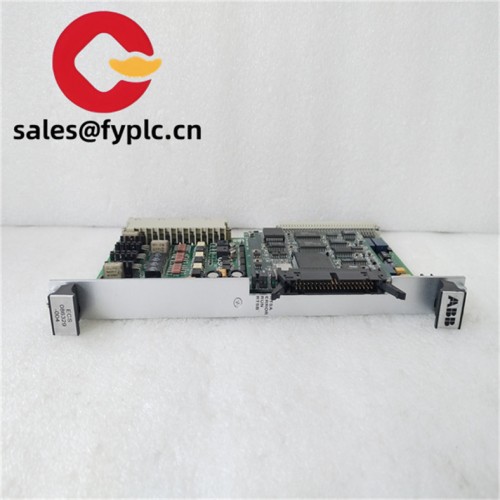
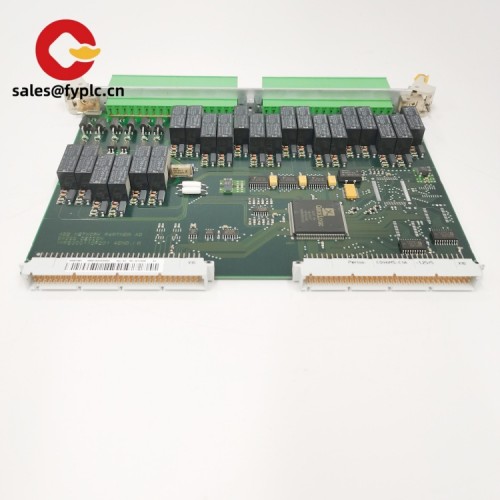
ABB BDD110 HNLP205879R1 — Digital Output Module for AC/DC Control Systems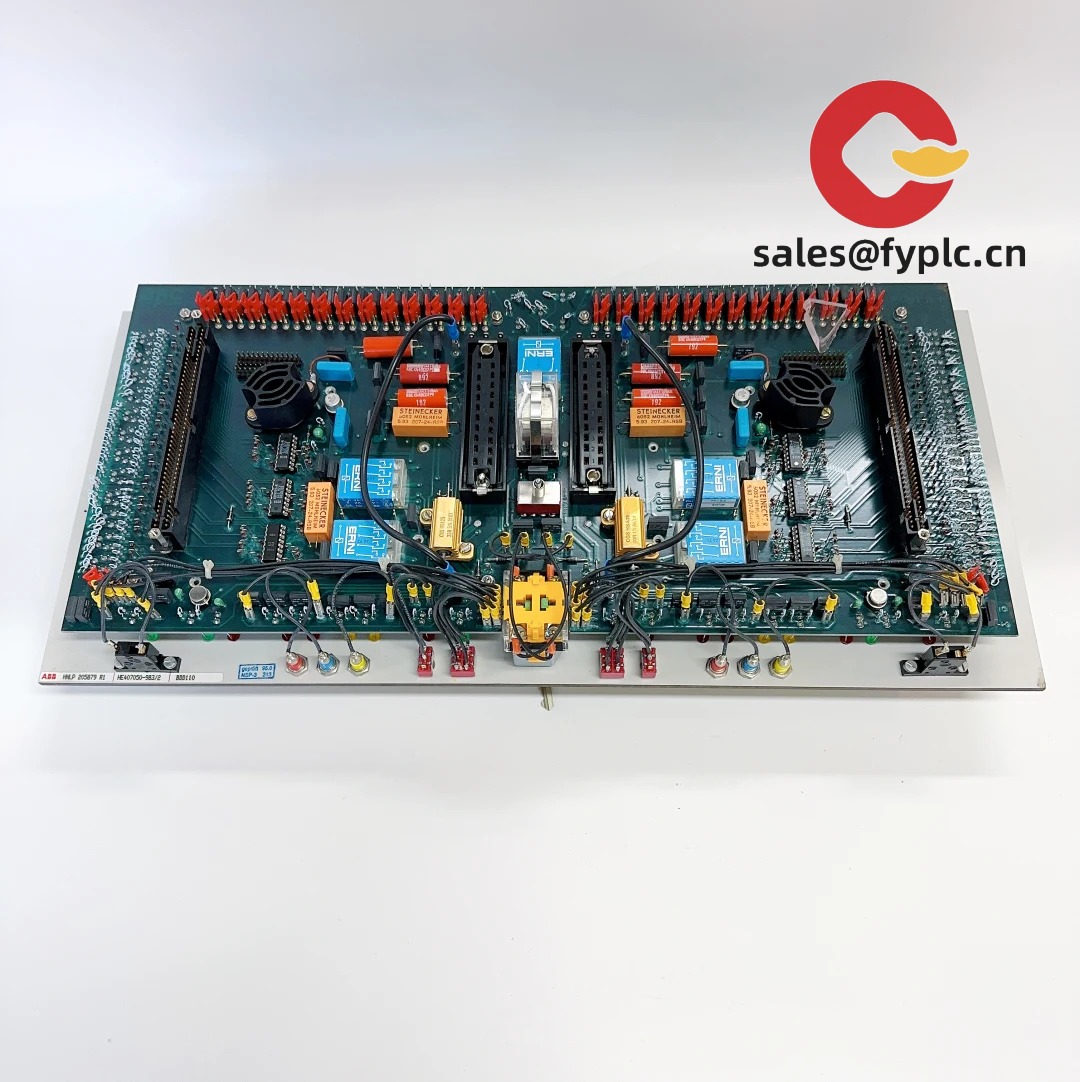
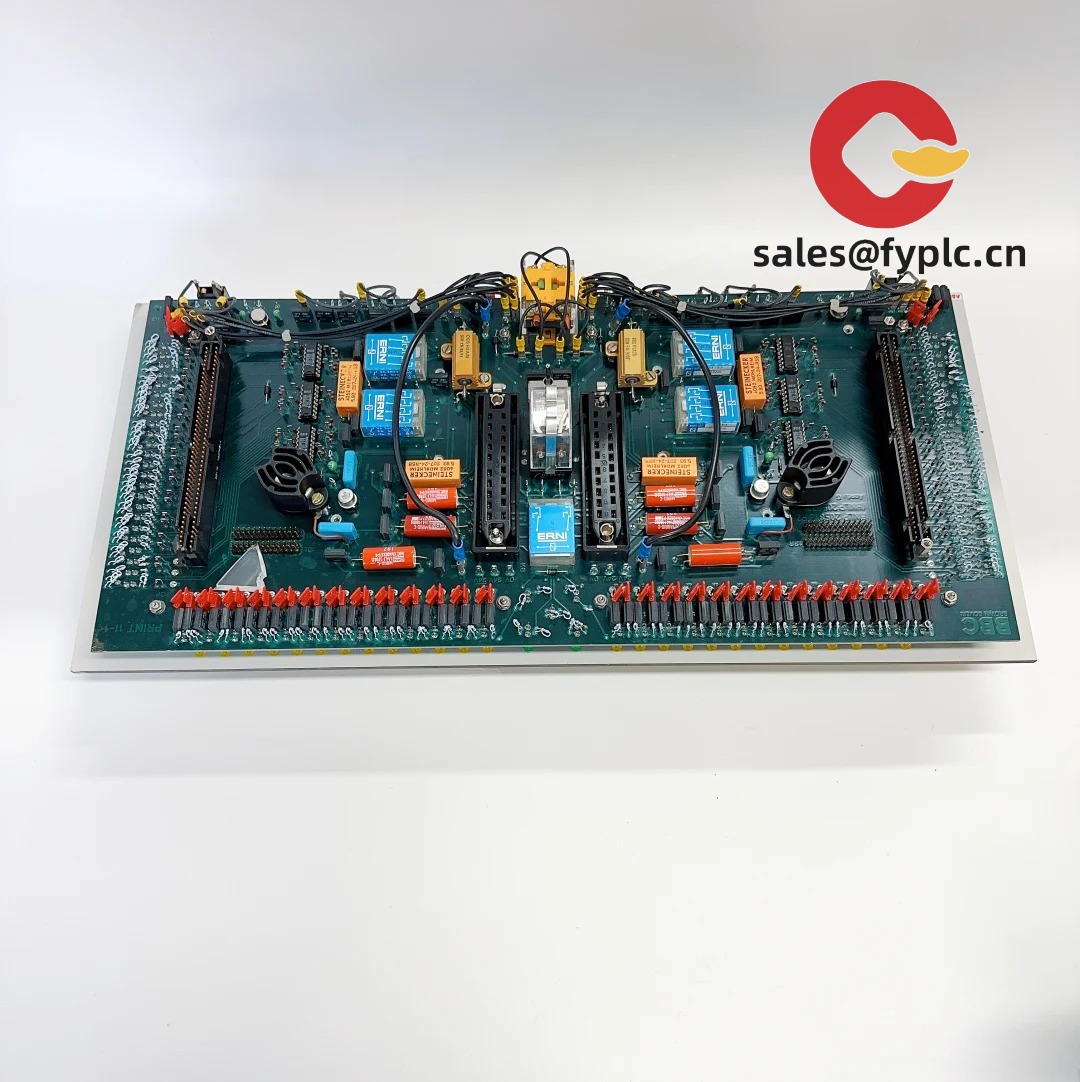
One thing I appreciate is how quietly the BDD110 fits into legacy ABB Freelance and Symphony DCS retrofits — it’s not flashy, but it solves real headaches. From my experience, engineers often reach for this module when they need reliable, isolated 24 VDC digital outputs in safety-critical auxiliary control loops (think boiler feedwater pumps, emergency lube oil starters, or turbine trip interlocks). It’s not a “smart” module with diagnostics or HART, but it delivers exactly what it promises: clean, galvanically isolated switching without drift or chatter.
Key Features
- 16-channel isolated digital output — Each channel features reinforced isolation (2.5 kVAC), so a fault on one output won’t cascade to others. In many cases, that eliminates the need for external relays in panel designs.
- Flexible sourcing/sinking configuration — Jumper-selectable per group (8 channels each), letting you match existing field wiring without rewiring cabinets — a small detail, but one customers consistently mention saves half a day of commissioning time.
- Short-circuit and overload protected — Internal electronic protection kicks in at ~1.5 A per channel and auto-recovers once the fault clears. You might notice that unlike older modules, it doesn’t latch or require a power cycle — helpful during startup troubleshooting.
- Direct mounting on ABB S800 I/O racks — No adapter needed. It slides in cleanly beside BDD100s or BAI142s, and the status LEDs are large enough to read even in dimly lit MCC rooms.
- EMC-robust design — Rated for industrial environments with up to 2.5 kV surge immunity (IEC 61000-4-5) and passes level 4 ESD testing. We’ve seen it hold up in steel mill auxiliaries where nearby arc furnaces cause regular noise spikes.
Technical Specifications
| Parameter | Specification |
|---|---|
| Brand / Model | ABB BDD110 (HNLP205879R1) |
| HS Code | 8537.10.90 — Boards, panels for electric control or distribution of electricity |
| Power Requirements | 24 VDC ±20%, max. 150 mA (logic side); 24 VDC load supply separate (up to 2 A total) |
| Dimensions & Weight | 112 × 118 × 65 mm (W × H × D); ~320 g |
| Operating Temperature | −25 °C to +60 °C (derated above 55 °C) |
| Signal Input/Output Types | 16 x 24 VDC digital outputs (configurable sourcing/sinking) |
| Communication Interface | S800 bus (via backplane only — no Ethernet, Modbus, or fieldbus) |
| Installation Method | DIN rail (TS35) or direct rack mounting (S800 series) |
Application Fields
This module shows up most often in thermal power plants (especially coal and combined-cycle units), water/wastewater pumping stations, and mid-sized industrial boilers — anywhere you’re driving solenoid valves, contactors, or alarm indicators from a centralized DCS. One customer in Sweden recently used it to replace aging Siemens 6ES7214-1AG40-0XB0 outputs in a district heating substation, citing its tighter voltage tolerance (±20% vs. ±15%) and lower heat dissipation as key factors. It’s less common in greenfield IIoT deployments — there, engineers tend to lean toward modules with embedded diagnostics or IO-Link — but for brownfield reliability, it’s still a go-to.
Advantages & Value
From a procurement standpoint, the BDD110 stands out for three reasons: compatibility, predictability, and lead time. It’s fully backward-compatible with S800 firmware v3.2+, so no controller upgrades are needed — something that matters when your DCS vendor charges $2,800/hour for engineering support. Spare parts are widely stocked across Europe and North America, and because it’s been in production since ~2015, documentation (including wiring diagrams and failure mode tables) is mature and accurate. And yes — while newer ABB modules offer more features, the BDD110 typically costs 20–25% less than the BDD120, with nearly identical uptime in non-diagnostic applications.
Installation & Maintenance
Mount it in an IP54-rated cabinet with ≥100 mm clearance above/below for convection cooling — we’ve seen overheating issues when stacked directly against power supplies in cramped MCC enclosures. Wiring must use stranded 0.25–1.5 mm² conductors; solid-core wire tends to loosen under vibration. Safety-wise, always isolate both logic and load power before servicing — the internal isolation isn’t rated for live-work. Routine maintenance is minimal: visually inspect terminals every 12 months (torque to 0.5 N·m), blow dust from vents with dry air every 18 months, and check firmware version during annual DCS backups — though ABB hasn’t issued a mandatory update for this model since 2021. Calibration isn’t applicable — it’s a binary output device.
Quality & Certifications
The BDD110 carries CE (2014/30/EU, 2011/65/EU), UL 61010-1 (File E239622), and RoHS 3 compliance. It’s manufactured in ABB’s facility in Lüdenscheid, Germany, and conforms to ISO 9001:2015 quality management standards. ABB’s standard warranty is 36 months from shipment — but note: extended coverage requires registration within 30 days of delivery. Field reports suggest MTBF exceeds 120,000 hours under typical load conditions, and failure modes (when they occur) are usually traceable to undersized load supplies or sustained overvoltage — not component defects.
Our Order Placement Process & Guarantees:
• Warranty period: 365 days from delivery date
• Delivery time: 1 week for in-stock units; ≤30 days maximum for special builds
• Payment: 50% advance, balance before dispatch
• Express shipping: FedEx, UPS, or DHL — tracking provided automatically
• All units tested and certified prior to shipment; replacement available within 48h if DOA
Reviews
There are no reviews yet.