
Description
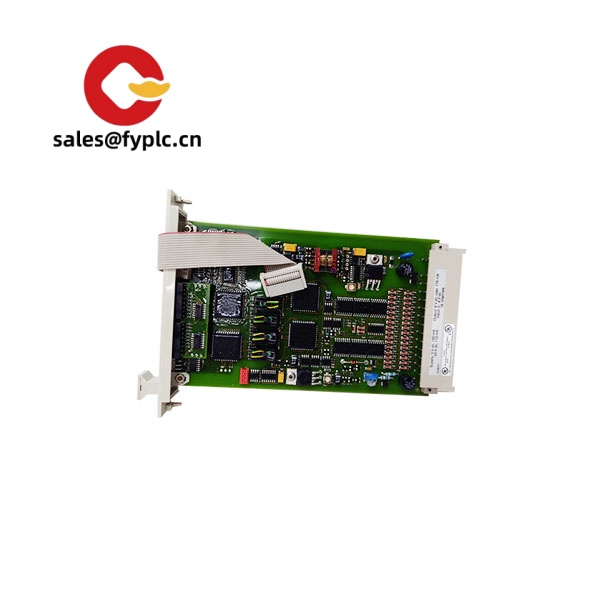
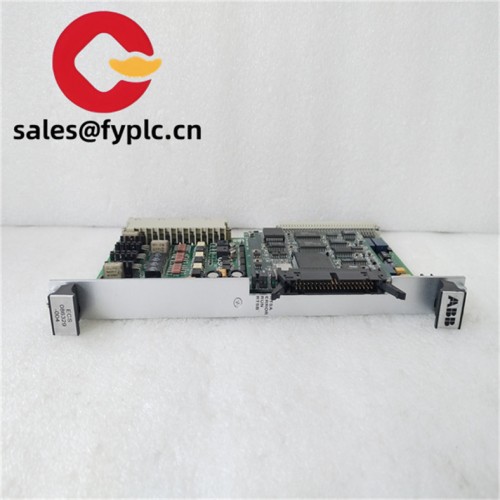
ABB CC-ESTD – Ethernet communication module for reliable plant network integration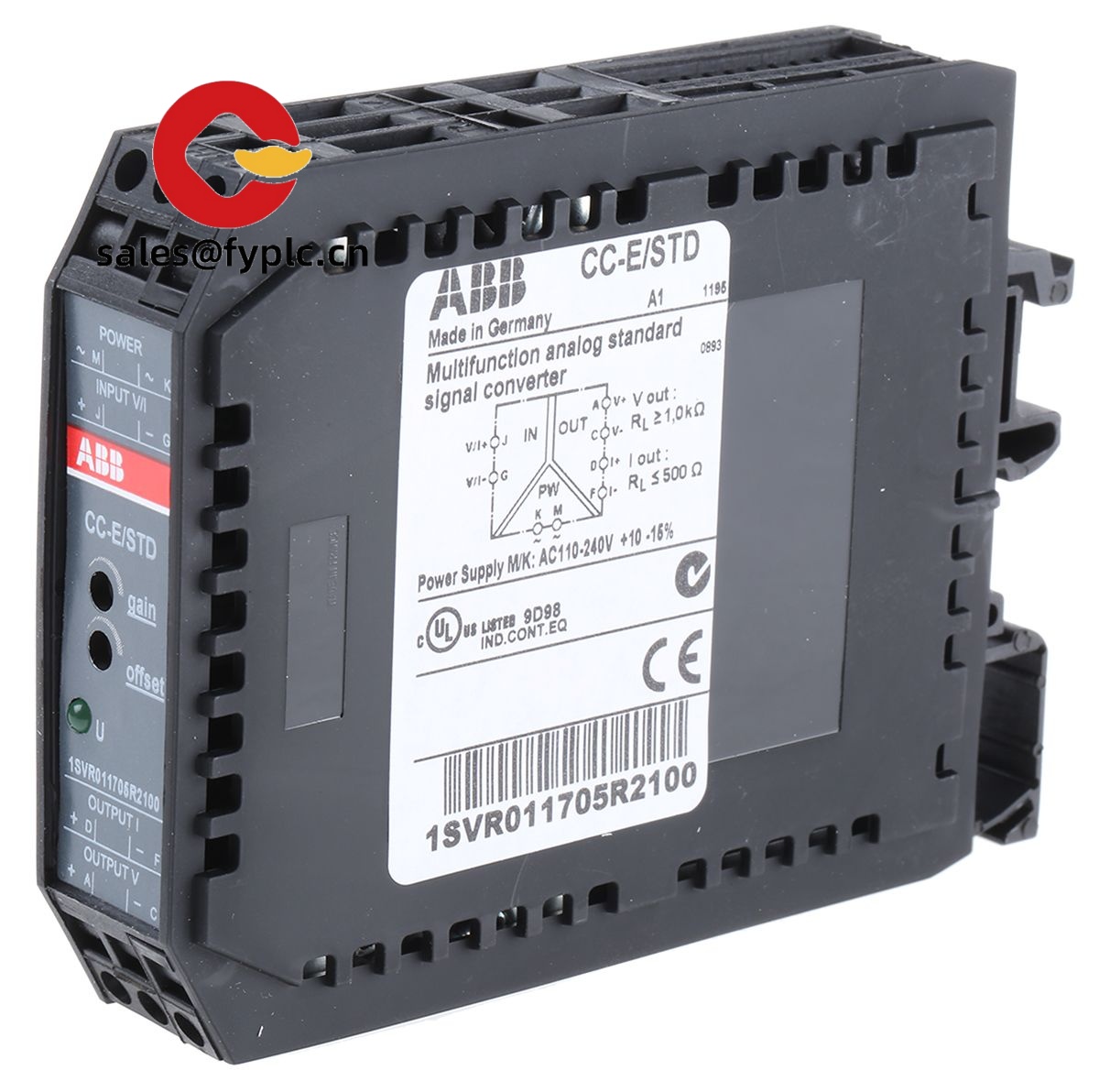
The ABB CC-ESTD is commonly used as an Ethernet communication interface within ABB process automation cabinets. From my experience, engineers pick it when they need a stable, cabinet‑mounted module to bridge controllers, operator stations, and historian/engineering servers over standard TCP/IP networks. You might notice that the “D” variant is typically associated with dual-port designs for network redundancy, which helps during planned upgrades or when you’re building ring or redundant star topologies to cut downtime risk.
Company’s Order Placement Process and Guarantees
- Warranty: 365 days
- Delivery: 1 week if in stock; no more than one month at the latest
- Payment: 50% advance payment; full payment before delivery
- Express delivery: FedEx, UPS, DHL
Key Features
- Industrial Ethernet interface – Provides TCP/IP connectivity between ABB controllers and higher-level systems, typically used in plant networks.
- Redundancy-friendly design – The CC-ESTD variant is commonly applied where dual-port or redundant paths are preferred, reducing single points of failure.
- Cabinet integration – Fits standard control cabinet layouts; wiring is straightforward with shielded Ethernet cabling and a 24 VDC control supply in most cases.
- Hot-swap workflow (system-dependent) – In many cases, technicians report shorter replacement times thanks to plug-in mechanics and clear status LEDs.
- EMC-conscious layout – Built for noisy industrial environments, which typically results in fewer communication retries and more stable trends.
- Lifecycle-friendly – Supports typical ABB maintenance practices such as firmware alignment and configuration backup through the control software suite.
Technical Specifications
| Brand / Model | ABB CC-ESTD |
| HS Code | 8538.90 (Parts suitable for use with industrial control equipment) |
| Power Requirements | 24 V DC nominal (typical control-cabinet supply) |
| Dimensions & Weight | Compact plug-in module; designed for ABB control cabinet/rack environments |
| Operating Temperature | 0 to +55 °C (typical cabinet-installed equipment range) |
| Signal I/O Types | Ethernet data only; no analog/digital field I/O |
| Communication Interfaces | 10/100BASE‑TX (RJ45); supports standard TCP/IP plant networking; redundancy use is common for the “D” variant |
| Installation Method | Mounted in a control cabinet; plugged into the designated slot/backplane or mounting base (system-dependent) |
Application Fields
Typically used in ABB-based DCS/PLC environments across oil & gas, chemical, power generation, water & wastewater, pulp & paper, and mining. One thing I appreciate is how it slots into brownfield plants where you’re standardizing on Ethernet for controllers and HMIs while keeping cabinet wiring tidy and maintainable.
- Controller-to-operator station networking in process units
- Data aggregation to historians and MES over segmented VLANs
- Redundant plant network rings to improve availability during maintenance
- Remote engineering access within secured zones
Advantages & Value
- Reliability – Built for industrial EMC conditions; in many cases this translates to fewer nuisance communication alarms.
- Compatibility – Plays well with ABB control ecosystems where standard Ethernet/TCP/IP is required for supervisory links.
- Cost efficiency – Supports cabinet-level redundancy without exotic networking gear, which can cut spares costs.
- Serviceability – Clear labeling and status indication make field replacement faster; technicians typically value the predictable form factor.
Installation & Maintenance
- Cabinet standards – Install in a clean, ventilated control cabinet; keep ambient within 0…55 °C and 5–95% RH non‑condensing.
- Power & grounding – Use a stable 24 VDC control supply; bond shields and cabinet ground properly to limit EMI.
- Wiring – Use industrial-grade, shielded Cat5e/Cat6; maintain bend radius and avoid parallel runs with high‑voltage cables.
- Network design – For redundancy, plan dual independent paths or a managed ring; label both links and document switch ports.
- Safety precautions – De-energize the cabinet or follow hot-swap procedures approved for your system; observe ESD protection.
- Routine maintenance – Periodically inspect connectors, clean dust filters, and verify link quality; align firmware/configuration with your control system baseline before commissioning.
Quality & Certifications
- Conformity: CE; RoHS compliant in most cases
- Safety/Agency: UL/CSA recognition typically applicable for cabinet-mounted modules
- Manufacturer support: Firmware release notes and lifecycle bulletins are usually available through ABB channels
- Warranty: 365 days (backed by our order terms above)
Commonly Paired Components (for planning)
These components are often found alongside CC-ESTD modules in ABB control cabinets. Exact compatibility depends on your specific system version and controller family.
- ABB AC 800M PM8xx controllers – Core CPU modules used in many ABB DCS/PLC architectures; the CC-ESTD is typically used to network these controllers with operator stations.
- ABB S800 I/O modules – Remote I/O on Ethernet-based topologies; stable when combined with managed industrial switches and segregated VLANs.
- Industrial managed switches (ABB-branded or equivalent) – For ring or redundant-star designs; enables diagnostics, port security, and QoS for control traffic.
Field note: A maintenance team recently swapped a CC-ESTD during a short window on a power plant demin system. They pre‑checked IP settings, labeled both Ethernet paths, and the unit came online in under 15 minutes with no alarms. It seems to be the small preparation steps—backups and link labeling—that make the biggest difference.

Reviews
There are no reviews yet.