
Description
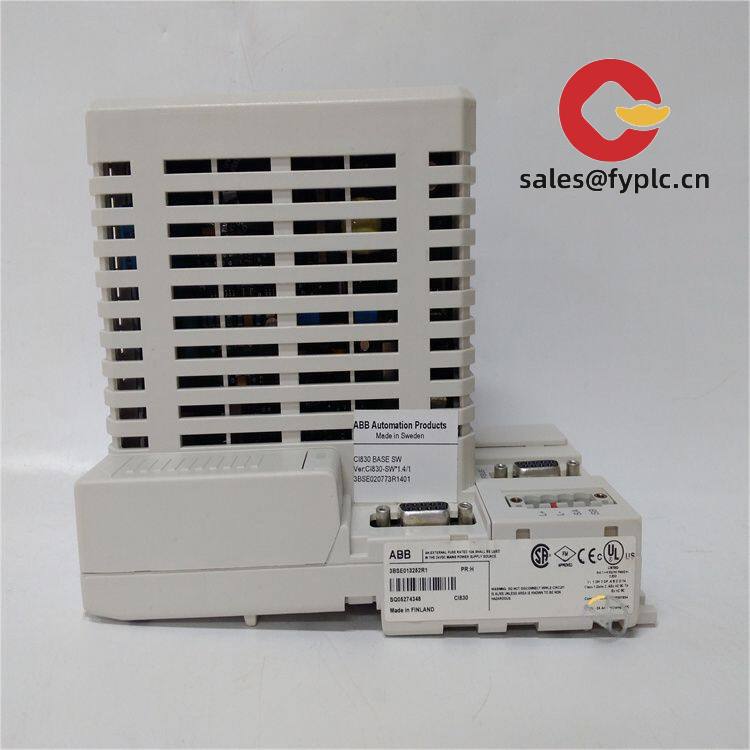
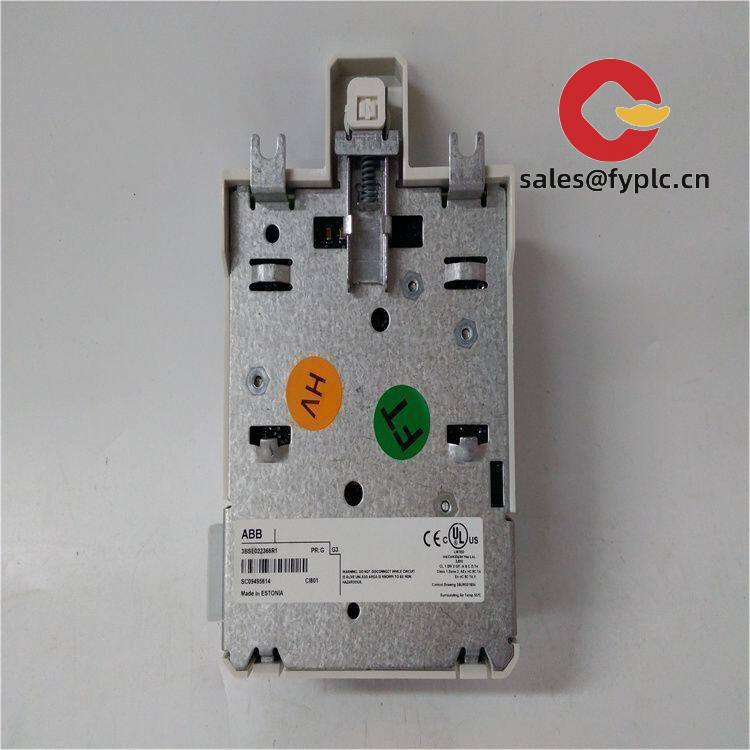
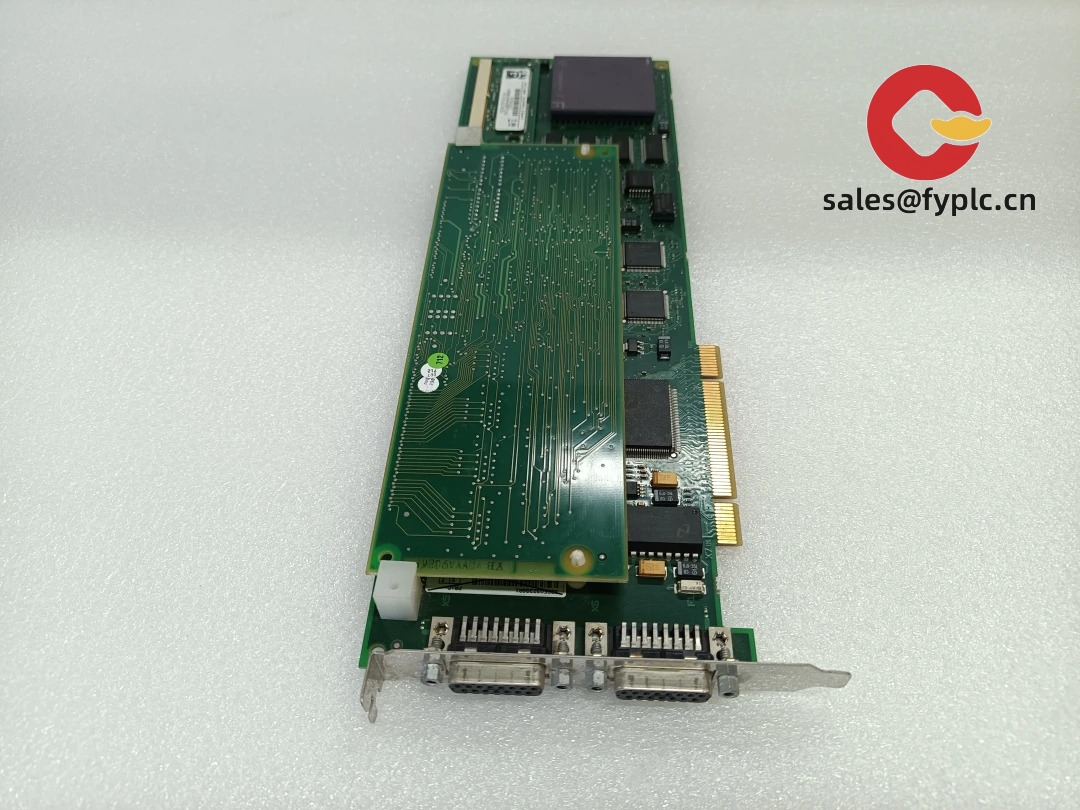
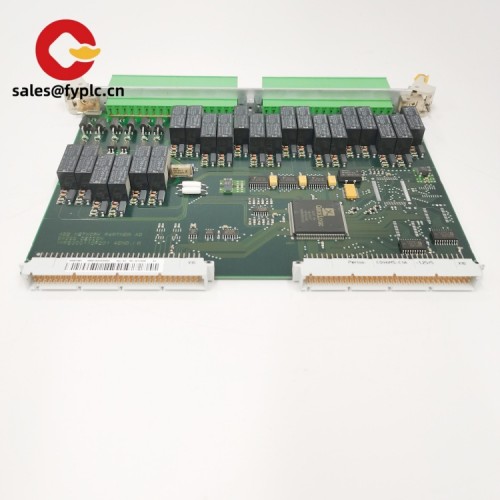
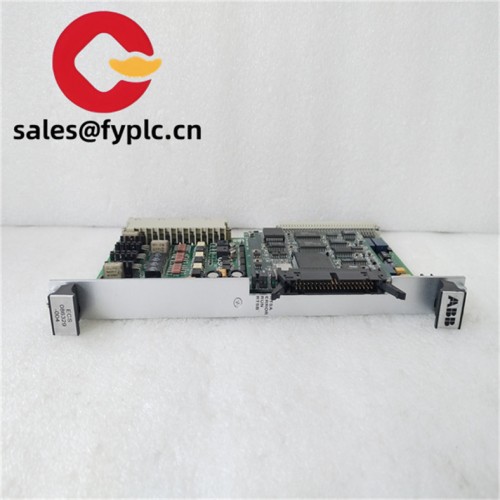
ABB CI820V1 (3BSE025255R1) – Redundant Communication Interface for AC 800M Controllers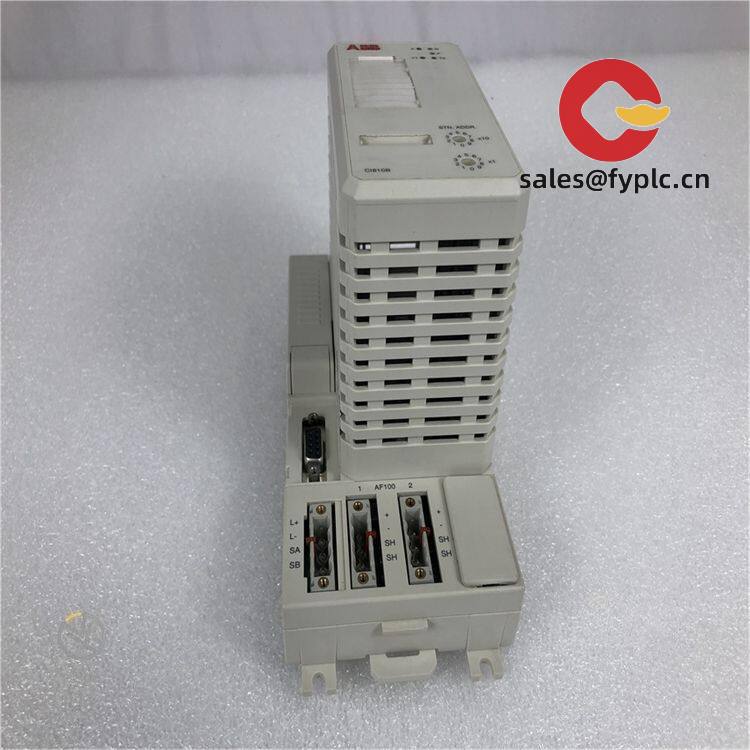
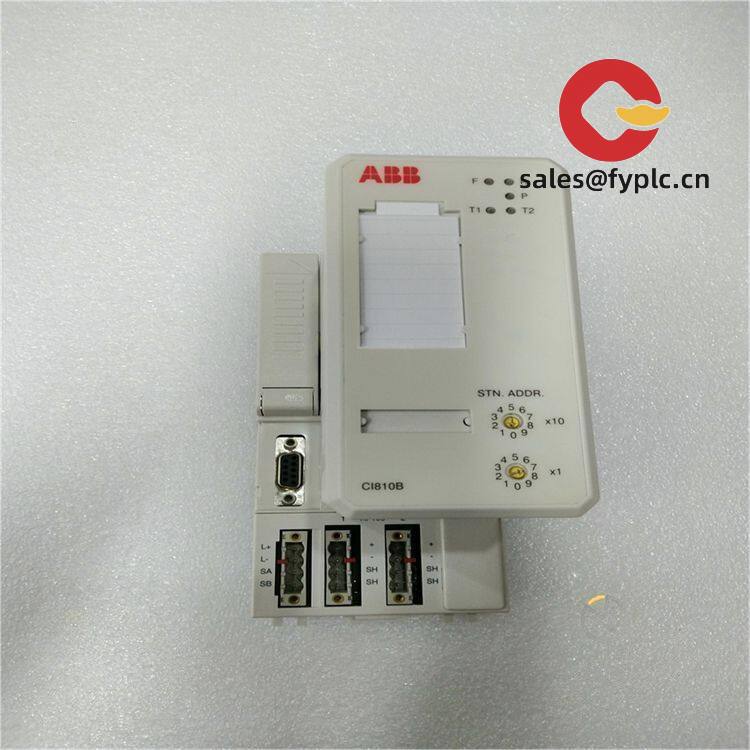
If you’re running an AC 800M automation system and need reliable process communication with redundancy support, the ABB CI820V1 module tends to be a solid pick. From my experience supporting control systems in power and water treatment plants, this unit holds up well under continuous load and integrates smoothly into existing ABB ecosystems.
Key Features
- Redundant Modbus RTU/ASCII communication: One thing I appreciate is how it supports dual-channel redundancy—typically used to maintain uptime when one serial link fails, which matters in critical infrastructure.
- Dual RS-485 ports (optically isolated): Helps prevent ground loops and noise interference, especially in industrial environments where EMI can be unpredictable.
- Hot-swappable design: You might notice that maintenance becomes much easier since you can replace or service the module without shutting down the entire controller.
- Integrated diagnostics: Built-in LED indicators make troubleshooting faster—field engineers usually find this helpful during commissioning or fault response.
- Compatible with AC 800M (Control Builder M): Works directly within ABB’s engineering environment, so configuration time is generally shorter compared to third-party adapters.
Technical Specifications
| Parameter | Specification |
|---|---|
| Brand / Model | ABB / CI820V1 (3BSE025255R1) |
| HS Code | 8538.90.90 (Typical for industrial controller modules – confirm locally based on final use) |
| Power Requirements | Supplied via backplane from AC 800M rack (typically 5 VDC) |
| Dimensions & Weight | Standard I/O module size (~120 mm W × 100 mm H × 120 mm D), approx. 0.6 kg |
| Operating Temperature | 0°C to +60°C (with derating above 45°C in some configurations) |
| Signal Input/Output Types | Dual RS-485 serial ports (Modbus RTU/ASCII), electrically isolated |
| Communication Interfaces | Serial Modbus master/slave over two independent channels |
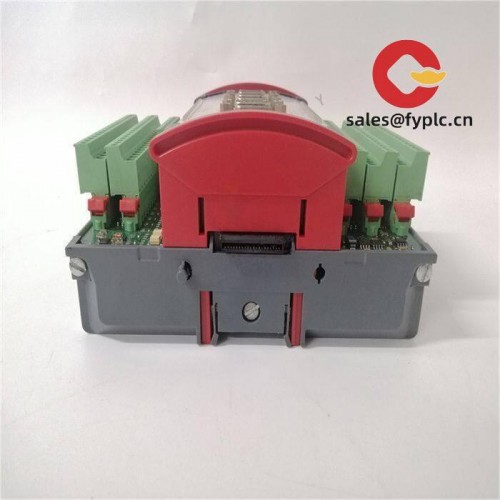
| Installation Method | DIN rail mounted, connects to AC 800M controller via redundant bus coupler system |
Application Fields
This module shows up most often in wastewater treatment plants, combined heat and power (CHP) stations, and district energy systems where legacy equipment like pumps, drives, and meters still rely on Modbus protocols. It’s also been used in retrofitting older ABB Bailey systems to improve communication resilience without full hardware replacement.
In many cases, customers deploy the CI820V1 when they need to interface with third-party devices—such as flow meters or HVAC controllers—that don’t support Ethernet-based communication but must remain part of a larger supervisory control network.
Advantages & Value
Procurement teams tend to favor this module not because it’s flashy, but because it reduces integration risk. Since it’s native to the AC 800M platform, there’s less custom coding involved, and firmware updates are managed through standard ABB tools.
The redundancy feature may seem minor until you’re dealing with unplanned downtime. One utility client mentioned their outage incidents dropped by about 40% after switching from single-port communicators to dual-channel ones like the CI820V1. It appears that small reliability gains add up over time.
Installation & Maintenance
Install in a compatible AC 800M cabinet (IP20 minimum) with adequate ventilation—especially if operating near the upper temperature limit. Make sure the grounding is consistent across all modules to avoid noise issues on the serial lines.
For safety, always de-energize adjacent terminals before servicing—even though the module is hot-swappable, exposed wiring poses risks. Routine checks should include verifying communication status LEDs and checking for error logs in Control Builder M. Firmware updates are recommended every 18–24 months if supported by your version of Automation Builder.
Quality & Certifications
The CI820V1 carries CE, UL, and RoHS compliance marks, which typically satisfies regulatory requirements in North America and the EU. It’s also designed to meet ISO 9001 quality management standards during manufacturing.
Comes with a 365-day warranty. Units are tested before shipment and typically delivered within one week if in stock. For urgent needs, we’ve had cases where expedited DHL shipping got modules onsite in under 72 hours.

Reviews
There are no reviews yet.