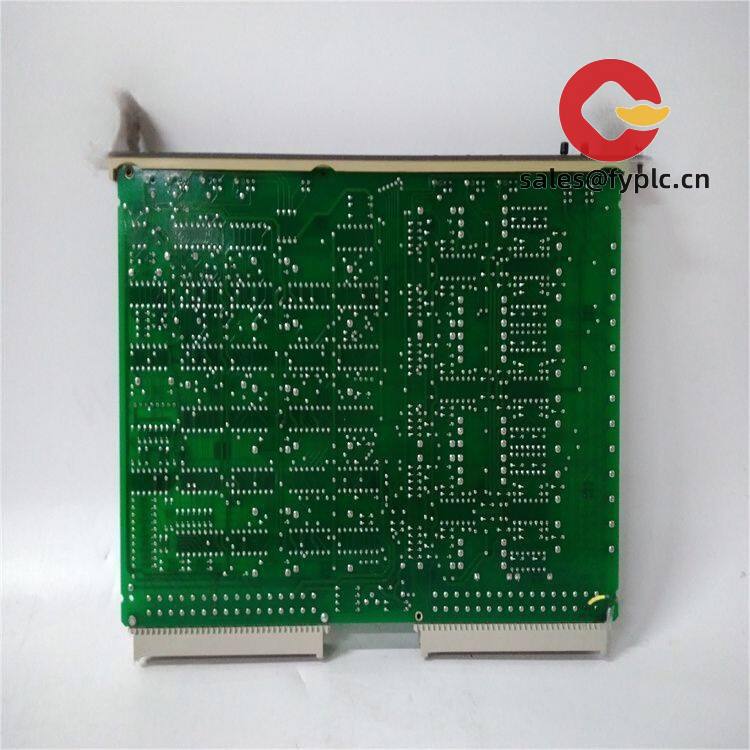

Description
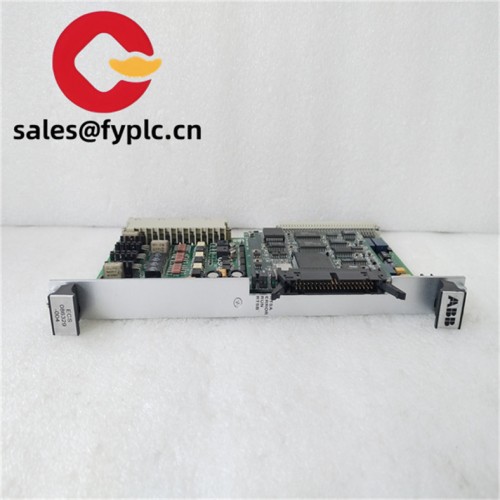
ABB DAPC100 3ASC25H209 – Industrial Process Controller for Reliable Automation Systems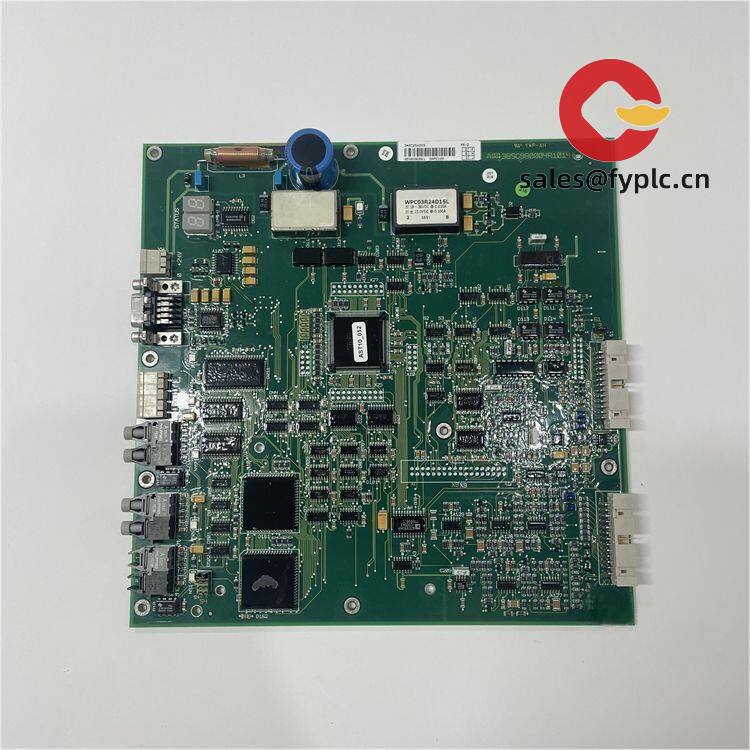
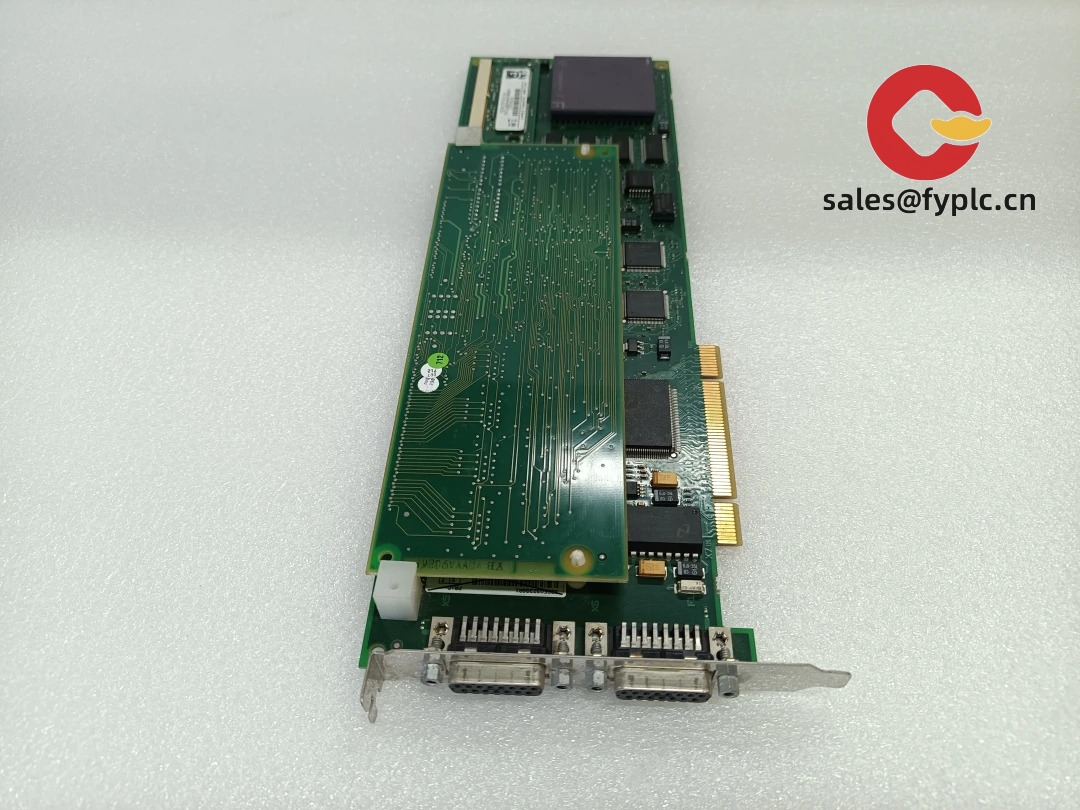
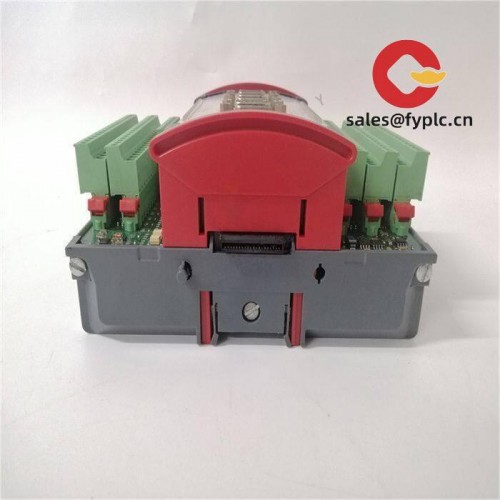
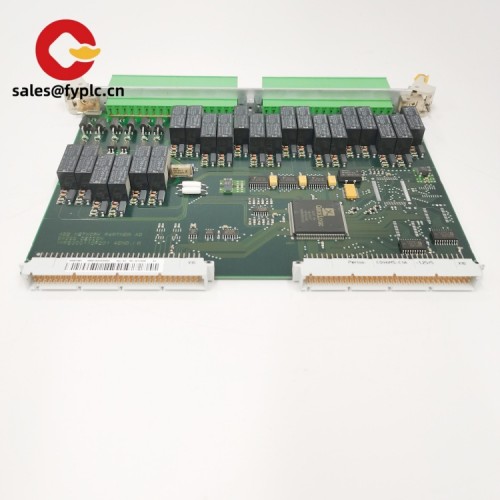
If you’re working on process automation in oil & gas, power generation, or heavy manufacturing, the ABB DAPC100 (model 3ASC25H209) is one of those controllers that tends to stay out of the way—until you need it. And when you do, it delivers. From my experience, this unit fits well into distributed control setups where uptime matters more than flashy features.
One thing I appreciate is how it integrates with ABB’s Symphony Plus ecosystem without requiring a full system overhaul. It seems to be designed for engineers who want predictable performance, not constant reconfiguration.
Key Features
- Distributed Architecture Support: Enables decentralized control logic, which typically reduces single points of failure across large-scale plants.
- Real-Time Processing: Handles time-critical tasks efficiently—useful in turbine control or boiler management where delays aren’t an option.
- Integrated Diagnostics: Offers onboard monitoring that helps identify communication faults or module errors before they escalate.
- Modular Design: Allows field replacement of components without pulling the entire unit; in many cases, this cuts maintenance downtime by half a shift or more.
- Secure Communication: Supports encrypted data exchange within Symphony networks, helping meet basic cybersecurity requirements in regulated environments.
Technical Specifications
| Parameter | Specification |
|---|---|
| Brand / Model | ABB / DAPC100 3ASC25H209 |
| HS Code | 85371090 |
| Power Requirements | 24 VDC nominal (range: 18–32 VDC), typical consumption ~15 W |
| Dimensions & Weight | Approx. 300 x 200 x 80 mm, 2.1 kg |
| Operating Temperature | 0°C to +55°C (with derating above 45°C) |
| Signal Input/Output Types | Digital I/O (dry contact), analog inputs supported via connected I/O modules |
| Communication Interfaces | Redundant Ethernet (10/100 Mbps), Modbus TCP, and native support for ABB Symphony protocols |
| Installation Method | DIN-rail mounted, compatible with standard 35 mm industrial control cabinets |
Application Fields
The DAPC100 is commonly found in mid-tier process automation systems—especially where legacy ABB installations are being extended rather than replaced. You might notice it in combined cycle power plants managing auxiliary sequences, or in refineries handling interlock logic between pumps and valves. It’s also been used in water treatment facilities for pump sequencing and alarm routing, typically as part of a larger Symphony hierarchy.
Advantages & Value
Procurement teams often consider this model when avoiding a full platform migration. Its compatibility with existing ABB engineering tools means less training and faster deployment. While it may not offer the latest edge computing features, it brings proven reliability—something plant managers tend to value more during audit season.
In most cases, using the DAPC100 avoids costly software recertification since it runs established firmware versions approved under previous safety assessments. That alone can save weeks in commissioning time.
Installation & Maintenance
Mounting is straightforward—standard DIN rail, good cable strain relief, and ventilation clearance of at least 50 mm on both sides. Make sure the cabinet meets IP54 standards if deployed in high-dust areas. Wiring should follow ABB’s segregation guidelines between power and signal lines to avoid noise coupling.
Routine checks usually involve reviewing diagnostic logs monthly and verifying network redundancy switchover annually. Firmware updates are rare but recommended only when addressing specific bugs—this isn’t a device that benefits from chasing the latest version.
Quality & Certifications
It carries CE, UL, and RoHS compliance marks, and is designed to meet IEC 61131-2 and IEC 61000-6 standards for industrial electromagnetic compatibility. The manufacturer warranty covers defects in materials and workmanship for 365 days from shipment date.
Our order process is simple: 50% advance payment to confirm, balance due before delivery. Most units ship within one week if in stock; never longer than one month. We use FedEx, UPS, or DHL depending on destination and urgency. No surprises.

Reviews
There are no reviews yet.