
Description
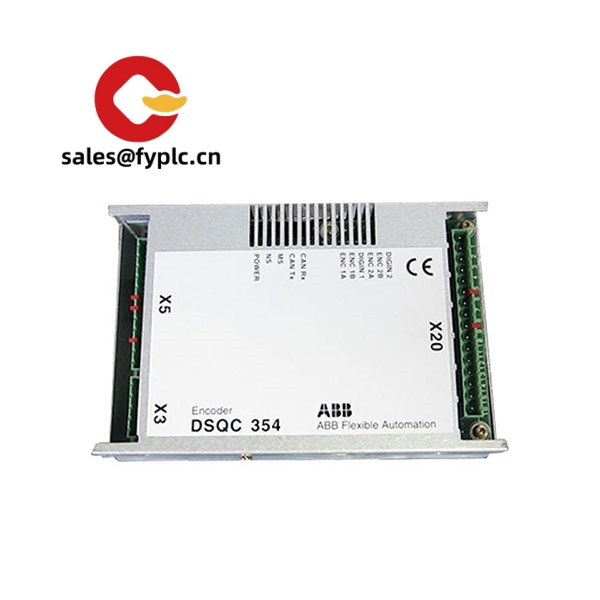
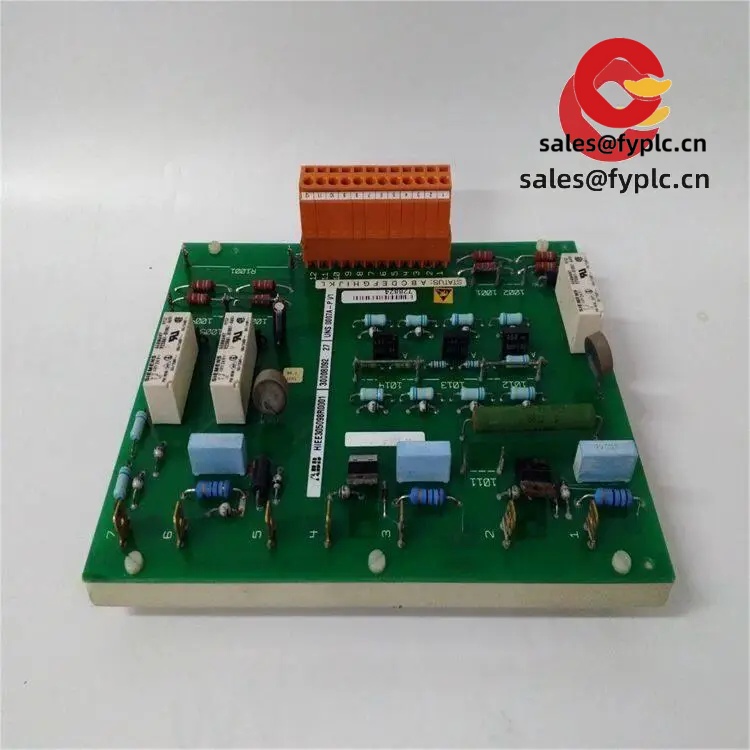
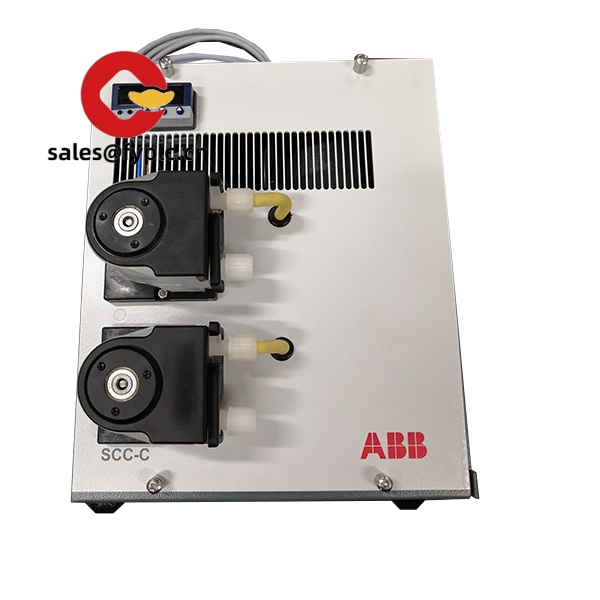
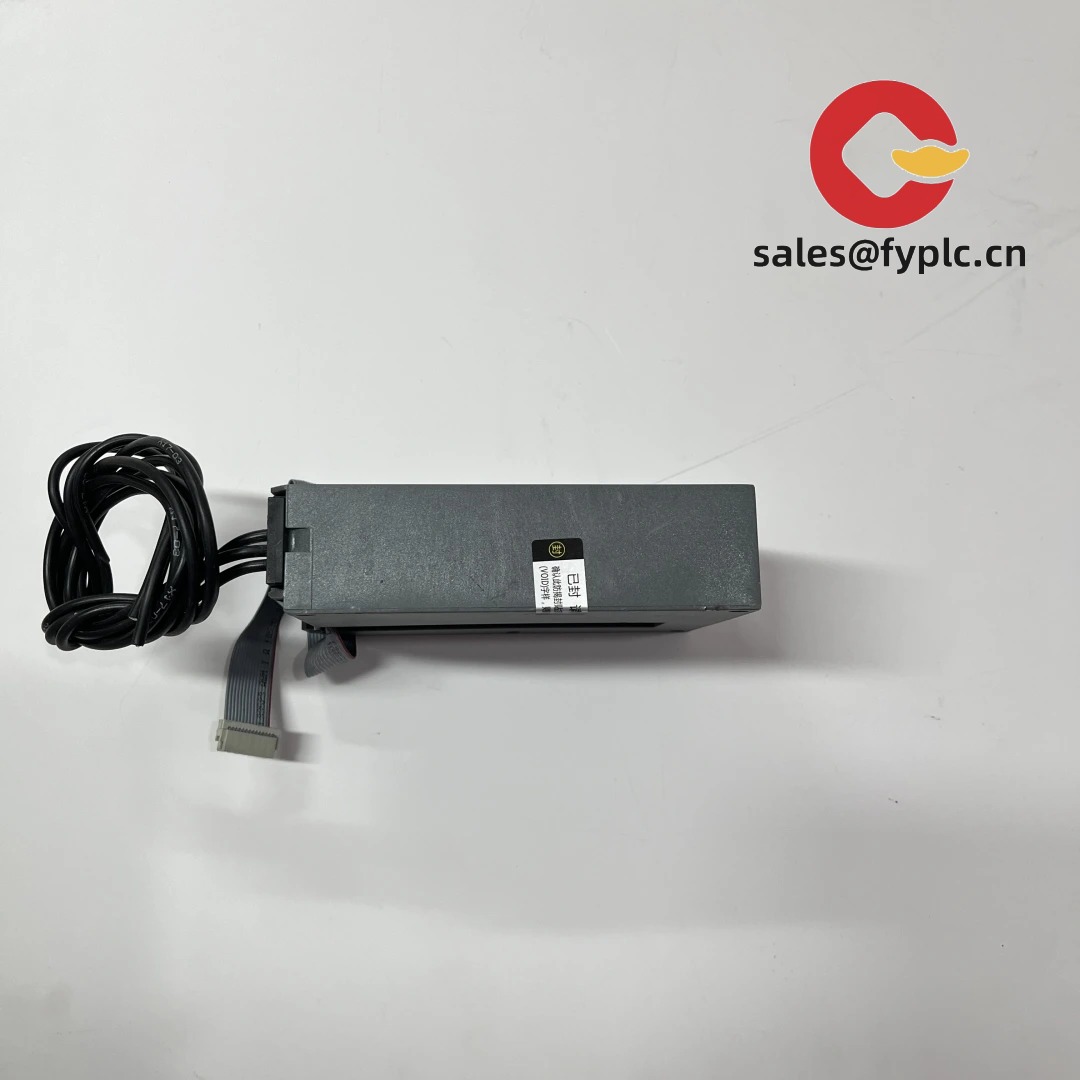
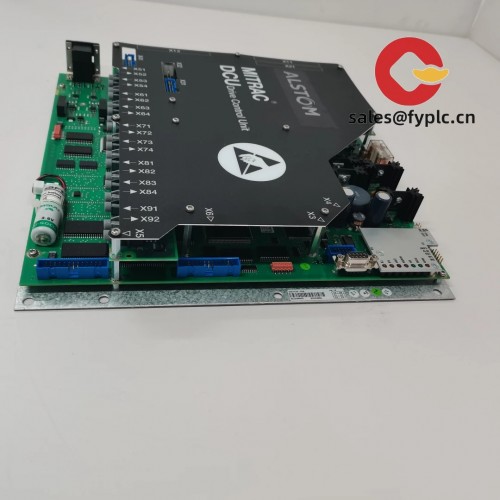
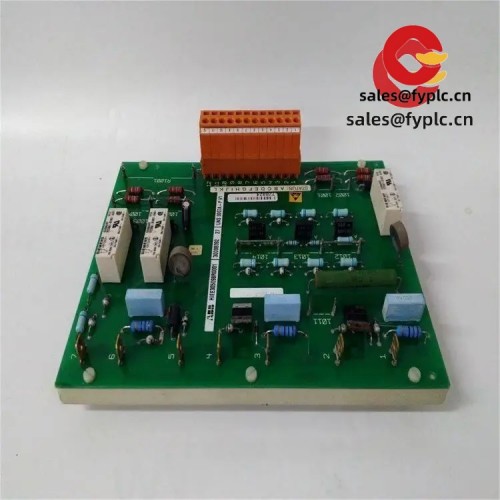
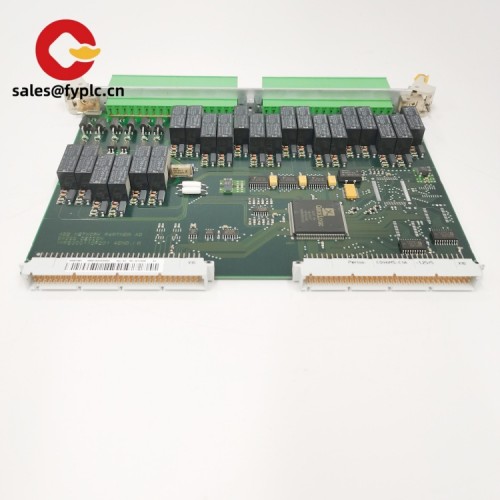
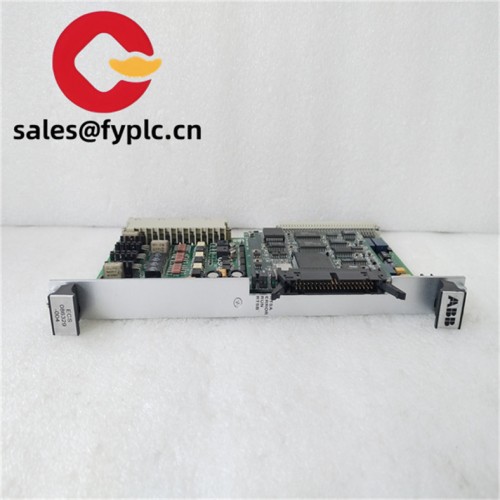
ABB DSQC602 – I/O Communication Module for Robot Controller Integration
If you’re working with ABB IRC5 robot controllers—especially in automotive assembly or material handling setups—the DSQC602 is one of those modules that quietly keeps things running. It’s not flashy, but it handles distributed I/O communication reliably between the controller and peripheral devices. From my experience, it shows up most often in palletizing cells and welding lines where signal integrity matters.
How We Support Your Order
Orders are processed with a 50% advance payment; full balance due before shipment. In-stock units ship within one week—typically faster if booked early in the week. For urgent deployments, we coordinate directly with FedEx, UPS, or DHL based on your site’s location and customs setup. All units carry a 365-day warranty from date of delivery. Even if it’s been nearly a month since dispatch (worst-case lead time), you’re still covered from arrival.
Key Features
- Digital I/O handling: Manages 16 digital inputs and 16 relay-based outputs—useful for interfacing with limit switches, solenoids, and safety interlocks without extra buffering.
- Fieldbus integration: Connects seamlessly into the DSQC series backplane within the IRC5 cabinet, reducing external cabling needs. One thing I appreciate is how cleanly it slots in—less wiring fatigue over time.
- Relay output durability: Outputs use mechanical relays rated for moderate cycling (typically up to 100k operations). Fine for infrequent actuation like part eject or gripper open/close signals.
- Diagnostic LEDs: Front-panel indicators show power status, communication activity, and per-channel I/O states. Helps during commissioning when ladder logic isn’t fully mapped yet.
- Modular expandability: Can be daisy-chained with other DSQC I/O modules on the same rack, allowing scalable configurations depending on station complexity.
Technical Specifications
| Parameter | Specification |
|---|---|
| Brand / Model | ABB / DSQC602 |
| HS Code | 8537.10 |
| Power Requirements | Supplied via backplane from IRC5 cabinet (typically 24 VDC) |
| Dimensions & Weight | Approx. 120 x 100 x 35 mm / 0.4 kg |
| Operating Temperature | 0°C to +55°C (standard industrial range) |
| Signal Input/Output Types | 16 DI (24 VDC), 16 DO (Relay contacts, max 2 A resistive) |
| Communication Interface | DSQC fieldbus backplane (proprietary ABB serial protocol) |
| Installation Method | DIN rail mountable module within IRC5 control cabinet |
Application Fields
The DSQC602 typically appears in robotic workcells where discrete control signals need to be managed locally. You’ll find it in body shops managing weld gun enable circuits, in packaging stations monitoring case presence sensors, or on CNC loading lines triggering part transfer mechanisms. It seems to be favored in legacy or mid-tier automation projects where Ethernet-based I/O isn’t justified by cost or complexity.
Advantages & Value
Procurement teams tend to look at this module as a repair-replace item rather than a design-in component. That said, its plug-and-play compatibility with existing DSQC racks reduces engineering time during retrofits. In many cases, swapping in a tested unit gets a line back online in under two hours. There’s also value in knowing the failure modes—relay wear being the main one—so spares planning becomes predictable. While not the fastest or smartest I/O available today, it’s dependable within its class.
Installation & Maintenance
Install only inside an IRC5-compatible cabinet meeting IP54 standards. Make sure there’s adequate ventilation—these modules don’t handle heat well above 50°C. When replacing, power down the entire rack; hot-swapping isn’t supported and could corrupt communications. Wiring should use shielded 1.5 mm² conductors, grounded at one end to avoid noise coupling. On maintenance, inspect relay contacts annually if used frequently. Also check terminal tightness every six months—vibration in production areas can loosen them over time. Firmware updates aren’t applicable here since it’s a passive I/O device, but ensure the robot controller firmware remains compatible after upgrades.
Quality & Certifications
Units shipped meet CE and UL certification standards as originally designed by ABB. RoHS compliance is confirmed through documentation tracing. Each module undergoes basic functionality testing before dispatch—input simulation and relay actuation cycles. The 365-day warranty covers defects in materials and workmanship, excluding damage from incorrect installation or electrical surges. No refurbished clones—only verified original ABB hardware.
Reviews
There are no reviews yet.