
Description
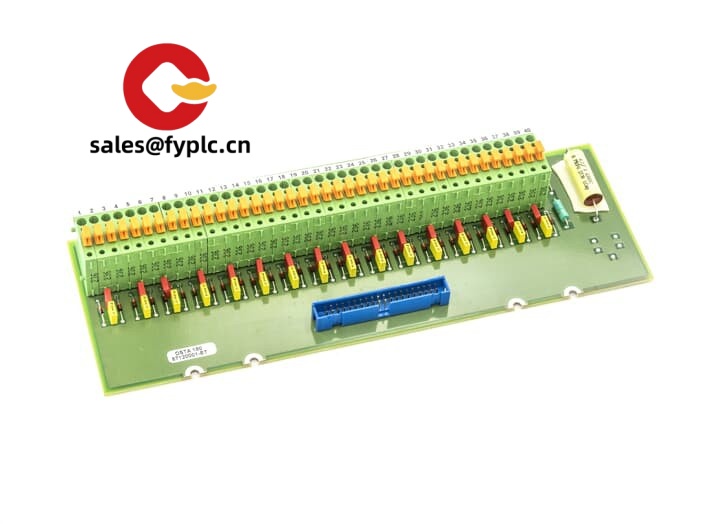
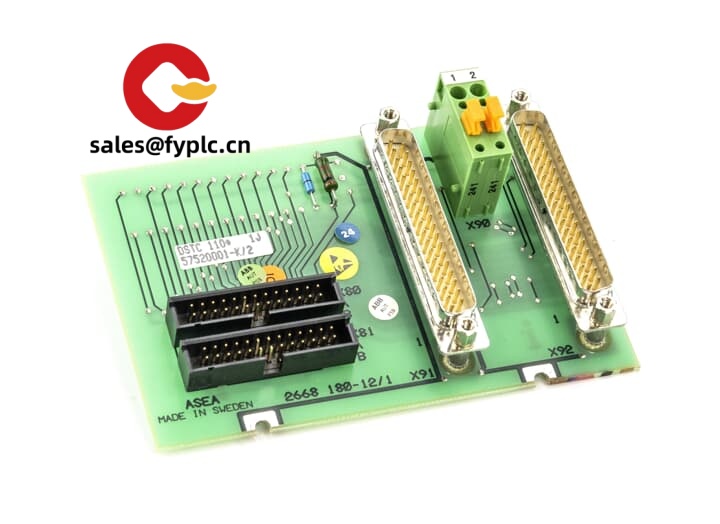
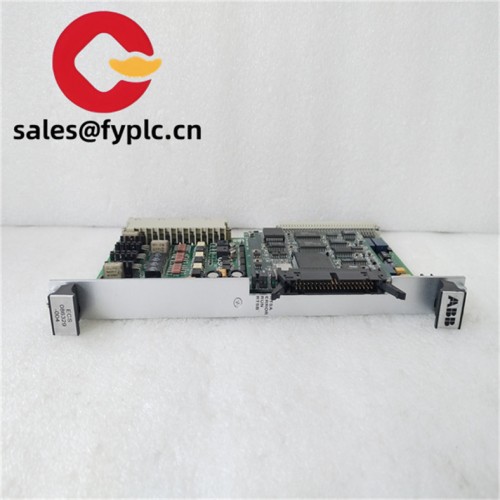
ABB DSTA181 (3BSE018312R1): Advanced Signal Conditioning Module for Industrial Automation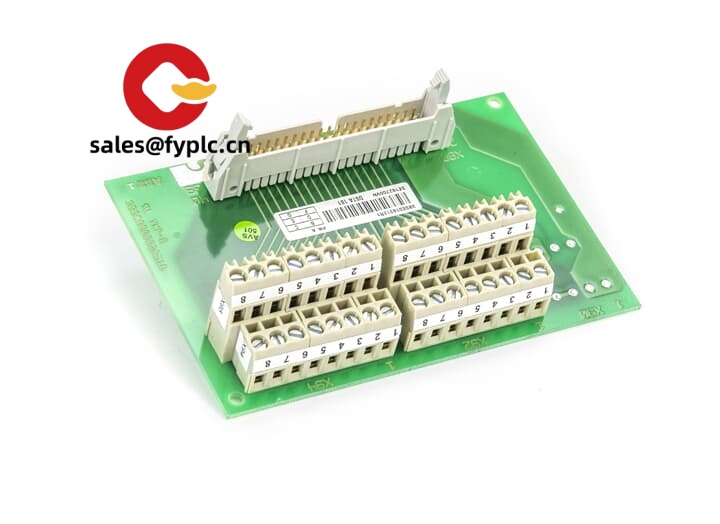
When precision and reliability are non-negotiable in signal conditioning, the ABB DSTA181 seems to be a go-to solution for many engineers. This module is designed to handle analog signals with exceptional accuracy, making it ideal for applications where even minor deviations can lead to costly errors.
Key Features
- High Signal Accuracy: The DSTA181 ensures precise signal conversion, which is critical for maintaining process integrity in industrial environments.
- Wide Input Range Compatibility: It supports various input types, including thermocouples, RTDs, and voltage signals, offering flexibility across different applications.
- Compact Design: With its space-saving form factor, this module fits seamlessly into control cabinets without overcrowding.
- Robust Communication Interfaces: Equipped with standard protocols like Modbus and Profibus, integration into existing systems feels straightforward.
- User-Friendly Configuration: Engineers typically appreciate the intuitive DIP switch settings that reduce setup time significantly.
Technical Specifications
| Specification | Details |
|---|---|
| Brand/Model | ABB DSTA181 (3BSE018312R1) |
| HS Code | 85371099 |
| Power Requirements | 24V DC ±10% |
| Dimensions & Weight | 90mm x 115mm x 60mm, ~300g |
| Operating Temperature | -20°C to +60°C |
| Signal Input/Output Types | Analog (Voltage, Current), Thermocouple, RTD |
| Communication Interfaces | Modbus RTU, Profibus DP |
| Installation Method | DIN Rail Mounting |
Application Fields
The ABB DSTA181 finds extensive use in industries requiring high-precision signal processing. For instance, chemical plants rely on it to monitor temperature variations during exothermic reactions. Similarly, food processing facilities often deploy this module to ensure consistent heating or cooling cycles. From my experience, oil refineries also prefer this model due to its robust performance under harsh conditions.
Advantages & Value
One thing I appreciate about the DSTA181 is how it simplifies procurement decisions. Its compatibility with multiple signal types reduces the need for additional hardware, saving both costs and cabinet space. Additionally, ABB’s reputation for reliability means fewer unexpected failures, while their global technical support network provides peace of mind. In most cases, customers notice improved system uptime after integrating this module.
Installation & Maintenance
For installation, you’ll want to ensure proper DIN rail alignment and adequate ventilation within the control panel. Wiring should comply with local electrical codes, and shielded cables are recommended to minimize interference. Routine maintenance includes periodic calibration checks—typically once every six months—and firmware updates if applicable. Cleaning the exterior occasionally helps prevent dust accumulation, which could affect heat dissipation.
Quality & Certifications
This product carries certifications such as CE, UL, and RoHS compliance, ensuring it meets international safety and environmental standards. ABB backs the DSTA181 with a one-year warranty, though issues are rare given the build quality. Many users report satisfaction not just with the product itself but also with the manufacturer’s responsive post-sales service.





Reviews
There are no reviews yet.