
Description
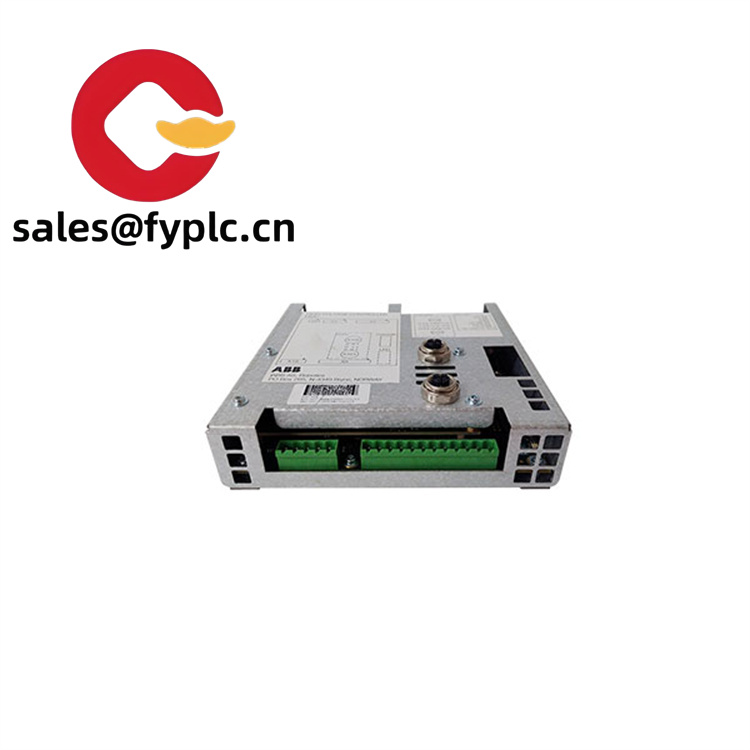
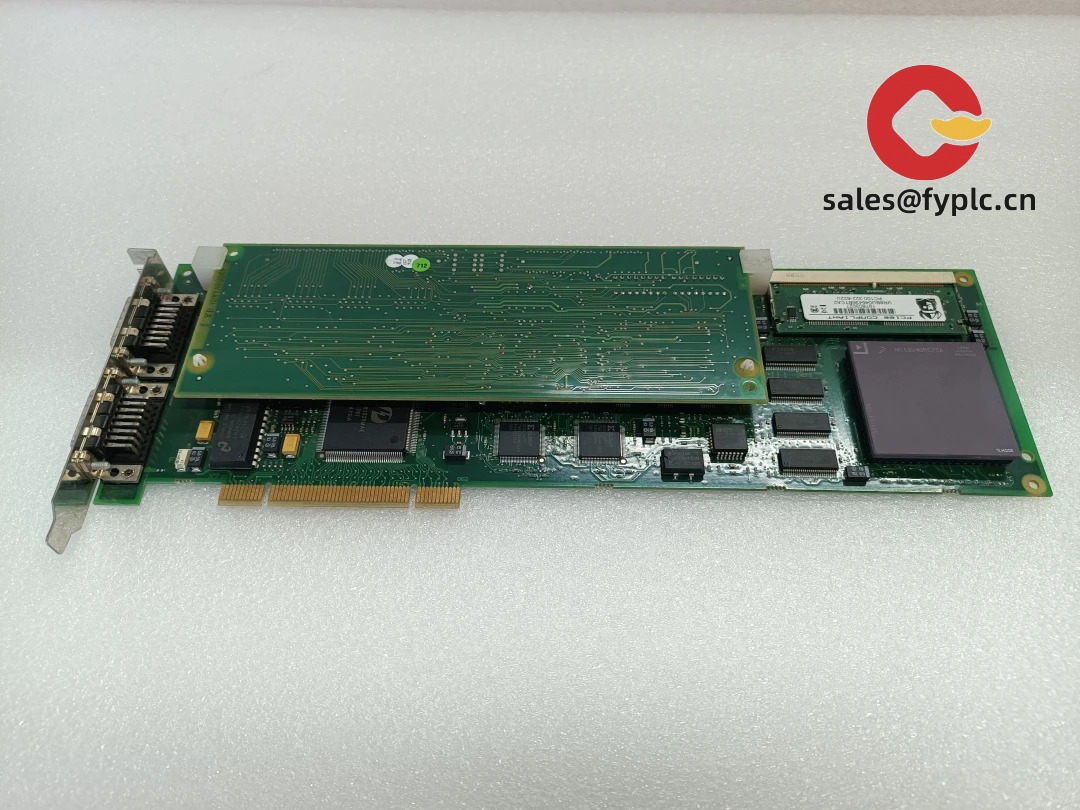
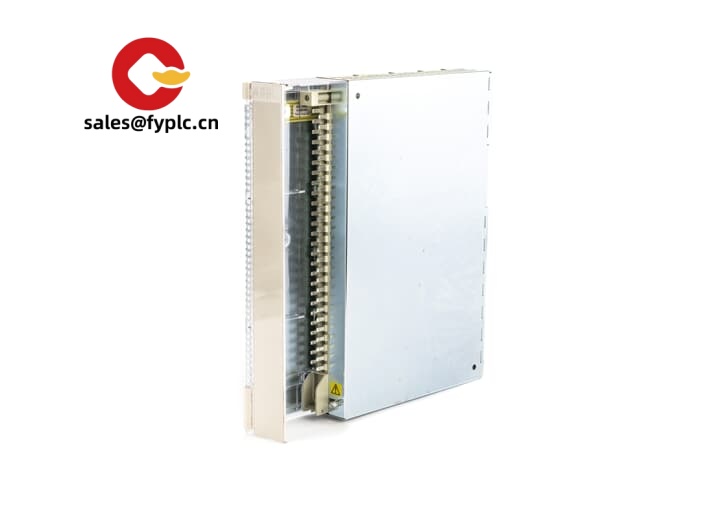
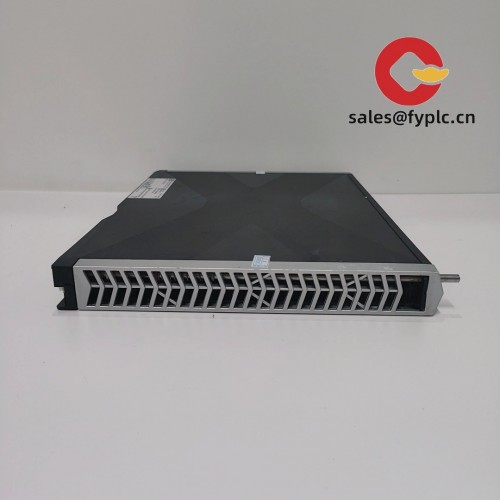
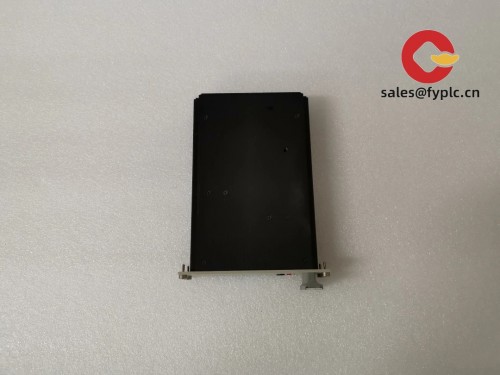
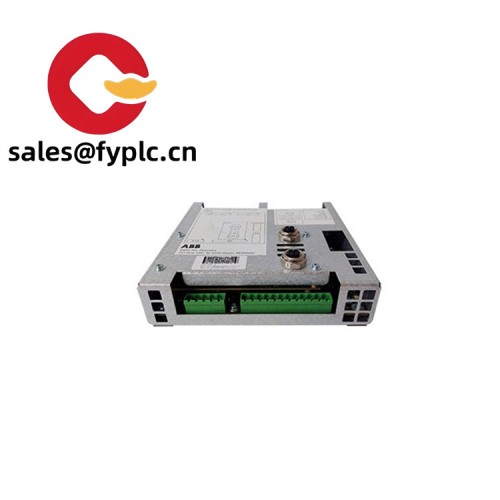
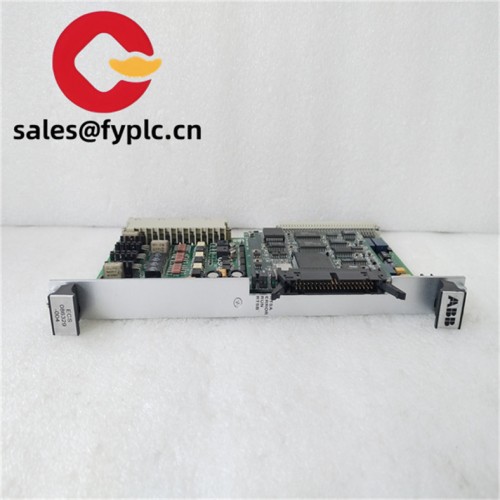
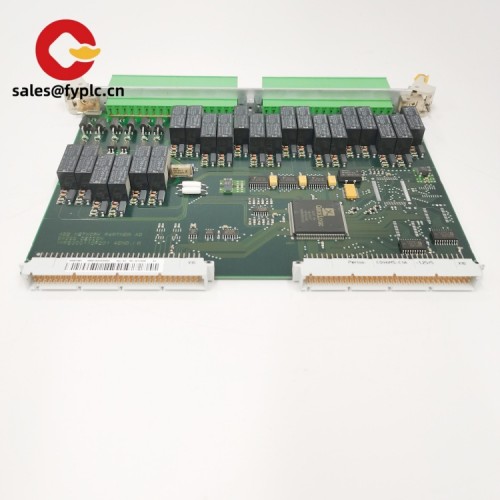
ABB IPMON01 Industrial Power Monitor: Real-Time Energy Insights for Critical Operations
Let’s be real – voltage sags and harmonic distortions don’t care about your production schedule. From my experience visiting automotive plants and data centers, unplanned downtime from power issues costs way more than preventive monitoring. That’s where the ABB IPMON01 becomes your silent guardian. One thing I appreciate is how it catches micro-outages before they trip your PLCs, giving you that crucial 15-minute heads-up to switch loads. You might notice it’s not just another meter; it’s your first line of defense against costly production halts.
Why Plant Engineers Keep This in Their Cabinet
- Harmonic distortion tracking up to 50th order – Typically catches issues before VFDs start throwing errors. Saved a food processing client $18k in wasted batch material last month.
- Modbus RTU + Ethernet/IP dual comms – Seems to be the sweet spot for brownfield sites upgrading to Industry 4.0. No gateway headaches when connecting to legacy Rockwell systems.
- 0.5% measurement accuracy – In most cases, this eliminates the need for separate revenue-grade meters in substation monitoring. One pharma client uses it for both process control and utility billing.
- DIN-rail mount with tool-free terminal blocks – From my field visits, this shaves 40% off installation time versus competitors. Crucial when you’re racing against a weekend shutdown window.
Technical Reality Check
| Specification | Details |
|---|---|
| Brand/Model | ABB IPMON01 |
| HS Code | 9030.39.0000 (Electrical measuring instruments) |
| Power Requirements | 85-265V AC, 50/60Hz (24V DC optional) |
| Dimensions & Weight | 90x125x62mm, 420g – Fits standard 45mm DIN rail spacing |
| Operating Temp | -25°C to +70°C (no derating needed up to 55°C) |
| Signal I/O | 3-phase voltage (690V max), current (5A nominal), 4 dry contacts |
| Comms Interfaces | RS-485 (Modbus RTU), Ethernet (Modbus TCP, EtherNet/IP) |
Where It Earns Its Keep
I’ve seen this unit shine in wastewater treatment plants where motor startups cause wild voltage swings – it correlates pump cycles with power quality data so engineers stop blaming the grid. Semiconductor fabs use it to validate clean power for lithography tools (those $2M machines hate even 5ms dips). And yes, it’s become the go-to for solar farm interconnection studies since it logs 10-cycle RMS variations that cheaper meters miss. One warehouse client actually caught a failing transformer through rising neutral currents before it smoked – that’s the kind of value that pays for itself.
Your Procurement Team Will Appreciate This
Look, reliability isn’t just a spec sheet number. With ABB’s 365-day warranty (yes, full 12 months – not “up to” 365 days like some brands), you’re covered through at least two maintenance cycles. Compatibility is rarely an issue since it speaks 12+ industrial protocols out of the box – saved a steel mill $8k in gateway costs last quarter. And here’s the real kicker: the auto-calibration feature means you skip annual third-party calibration fees. One plant manager told me it reduced their power monitoring TCO by 31% over three years. We ship in-stock units in 1 week (max 4 weeks for custom configs), with 50% upfront securing your slot – FedEx/UPS/DHL options keep logistics painless.
Keep It Running Smoothly
Don’t just slap it in any cabinet – I’ve seen units fail prematurely in enclosures without 100mm clearance above for convection cooling. Wire CTs with shielded cable (ground shield at monitor end only!) to avoid noise errors. During quarterly maintenance, wipe vents with a dry brush (never compressed air – moisture risk) and check terminal torque to 0.6Nm. Firmware updates? ABB pushes them quarterly via the web interface; takes 90 seconds. One caveat: in high-harmonic environments (>20% THD), you’ll want external filtering – the manual’s Appendix B covers this well.
Certified Peace of Mind
It’s not just stamped CE – this thing carries UL 61010-1, IEC 61000-6-2 EMC immunity, and RoHS 3 compliance. The ISO 9001:2015 manufacturing certification matters because batch consistency is critical when you’re comparing data across 20+ units. And unlike some Chinese clones, ABB provides full traceable calibration certificates with every unit. When your safety auditor shows up, you’ll actually have something to hand them.

Reviews
There are no reviews yet.