
Description
ABB NDBU-95C – Dual-bus communication module for Symphony/INFI 90 system reliability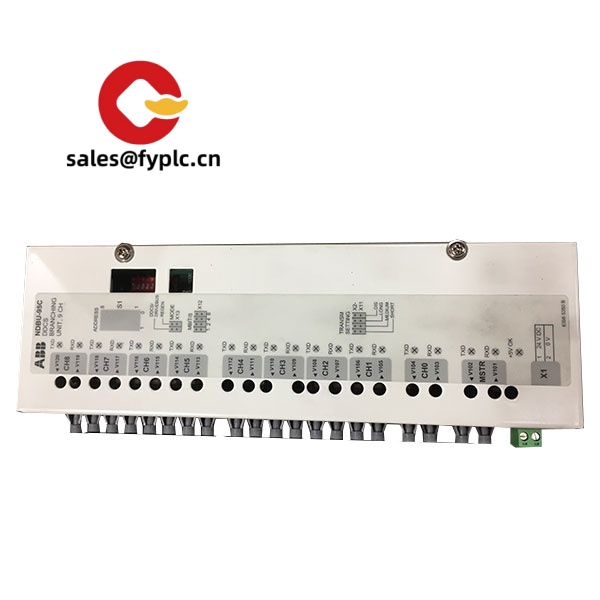
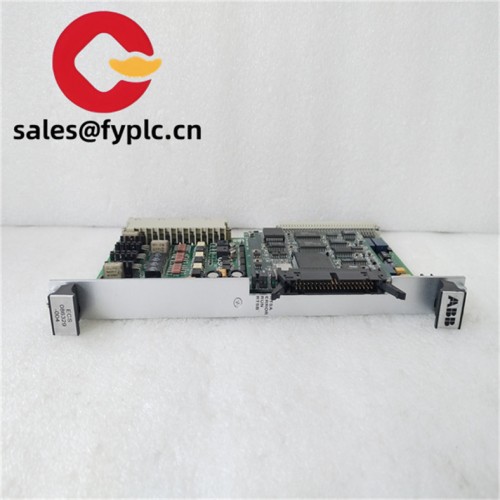
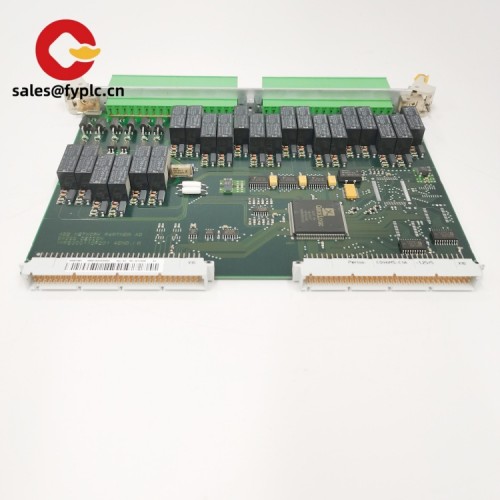
The ABB NDBU-95C is a plug-in communication module designed for Symphony/INFI 90-based systems where redundant system bus connectivity is a must. From my experience, plants typically use it to keep controller communications stable under heavy traffic or when one bus leg has a fault. It seems to be a solid fit for upgrades and spares programs: drop it into the existing rack, connect the redundant bus lines, and you’re back to a predictable, low-latency link between controllers and nodes.
Typical use cases include recovering a node after bus errors, adding redundancy to an older cabinet before a shutdown, or replacing a failing board to clear intermittent communication alarms. One thing I appreciate is how straightforward it is for maintenance teams—minimal wiring changes, clear status indication, and compatibility with common Symphony/INFI 90 topologies.
Order Placement Process and Guarantees
- Warranty: 365 days
- Delivery: 1 week if in stock; no more than one month at the latest
- Payment: 50% advance payment; full payment before delivery
- Express options: FedEx, UPS, DHL
Key Features
- Dual-redundant bus channels – Maintains communications if one bus path is impaired; automatic switchover in most cases.
- Backplane-powered – No external power wiring; draws power from the Symphony/INFI 90 rack backplane for a clean install.
- Clear status & diagnostics – Front-panel indicators help technicians pinpoint link health and board status quickly.
- System-compatible design – Works within Symphony/INFI 90 architectures; typically pairs with standard controllers and node racks without special adaptors.
- Field-replaceable – Board swap can be done during a planned window; hot-swap is usually feasible in redundant systems when procedures are followed.
- Robust signaling – Redundant bus ports suited for legacy cabling media commonly seen in mature ABB DCS cabinets.
Technical Specifications
| Brand / Model | ABB NDBU-95C |
| HS Code | 8538.90 (Parts suitable for apparatus of 85.37 – industrial control equipment) |
| Power Requirements | Backplane powered (no external supply required) |
| Operating Temperature | Typically 0 to 55°C, non-condensing environment |
| Signal I/O Types | Dual-redundant system bus ports; physical media per Symphony/INFI 90 node standards (commonly legacy coax on older nodes) |
| Communication Interfaces | System bus on front connectors; controller/rack interface via backplane |
| Dimensions & Weight | Plug-in card form factor for Symphony/INFI 90 rack; light-weight (typically < 1 kg) |
| Installation Method | Slides into rack card guides; front-access bus connections; secure with standard module fasteners |
Related or Supporting Products
- ABB INNIS01 – INFI-NET to serial/network interface often used alongside bus modules for system interlinks.
- ABB INNPM12 – Network processing module; typically used for higher-level system communications and diagnostics.
- ABB BRC-100 / BRC-01 – Symphony/INFI 90 controllers that commonly reside on the same system bus as NDBU-95C.
- ABB NTAI05 / NTDI01 – Analog and digital I/O modules that depend on stable system bus communications.
- Earlier NDBU revisions (e.g., NDBU-95A/B) – In many cases functionally compatible; check firmware and connector details before mixing revisions.
Quick field note from a maintenance engineer we support: “Swapping to NDBU-95C cleared the bus fail intermittency on our east cabinet. Install took 15 minutes, and diagnostics were easier to read than our older board.”
Installation & Maintenance
- Environment – Mount in a clean, ventilated control cabinet. Keep ambient within the stated industrial range; avoid condensation and corrosive atmospheres.
- Cabinet & rack – Use standard Symphony/INFI 90 racks with intact card guides and grounding. Ensure proper spacing for airflow.
- Wiring – Use the specified bus cable type and impedance for your node (legacy systems often use matched coax). Maintain shield continuity and proper terminations.
- ESD handling – Wear a wrist strap, handle the board by edges, and de-energize per site procedures unless the system redundancy allows an on-line swap.
- Commissioning – Verify bus LED status, check redundancy switchover, confirm node visibility in the DCS, and archive the configuration/firmware info.
- Routine maintenance – Inspect connectors and terminations quarterly, clean dust with dry air, and log any transient bus errors for trending. Firmware baseline should be reviewed during shutdowns.
- Spares strategy – Keep at least one tested spare per cabinet cluster; it shortens recovery time for intermittent bus faults.
Quality & Certifications
- Certifications – CE (industrial EMC). UL recognition may vary by revision and region; verify label on the specific unit.
- RoHS – Legacy product status; exemptions may apply depending on production date.
- Manufacturing system – Produced under ISO 9001 quality management at the OEM level.
- Warranty – 12 months (365 days) from shipment as stated above.

Reviews
There are no reviews yet.