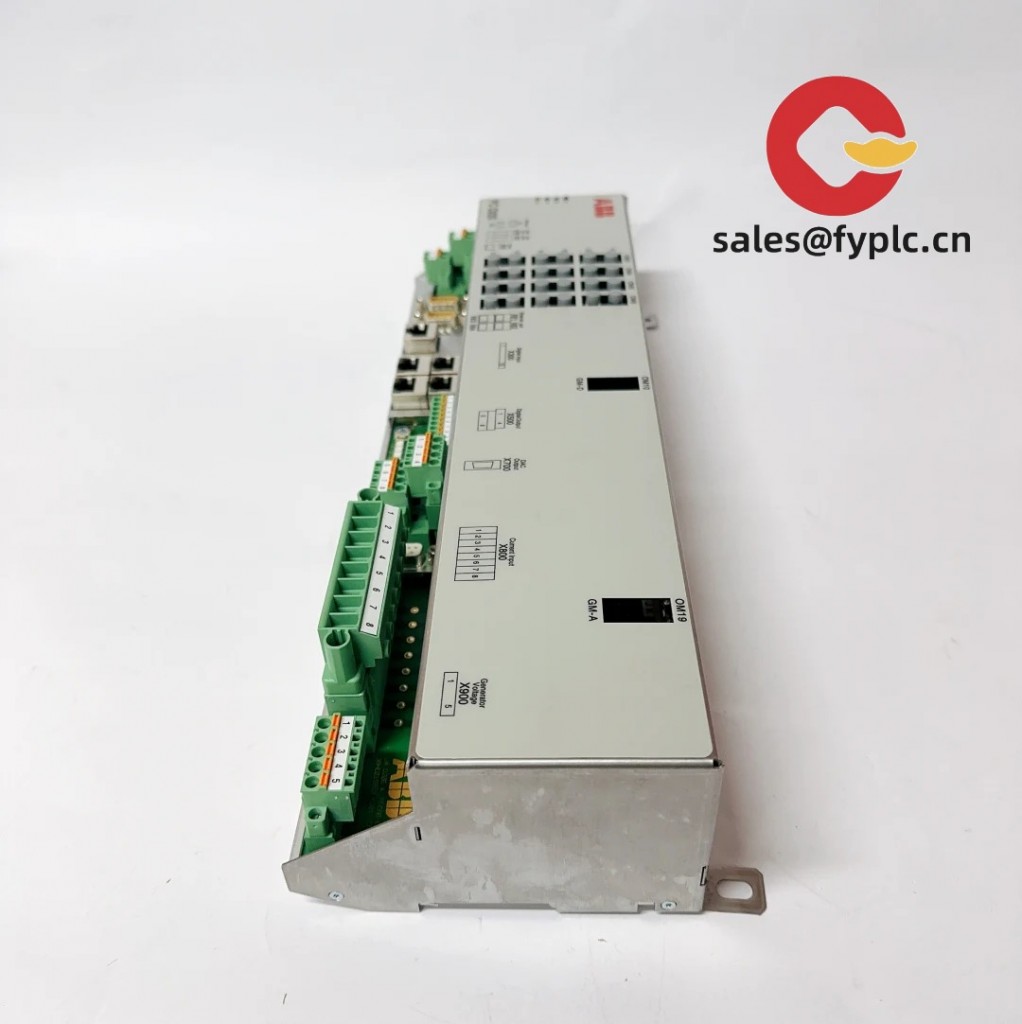
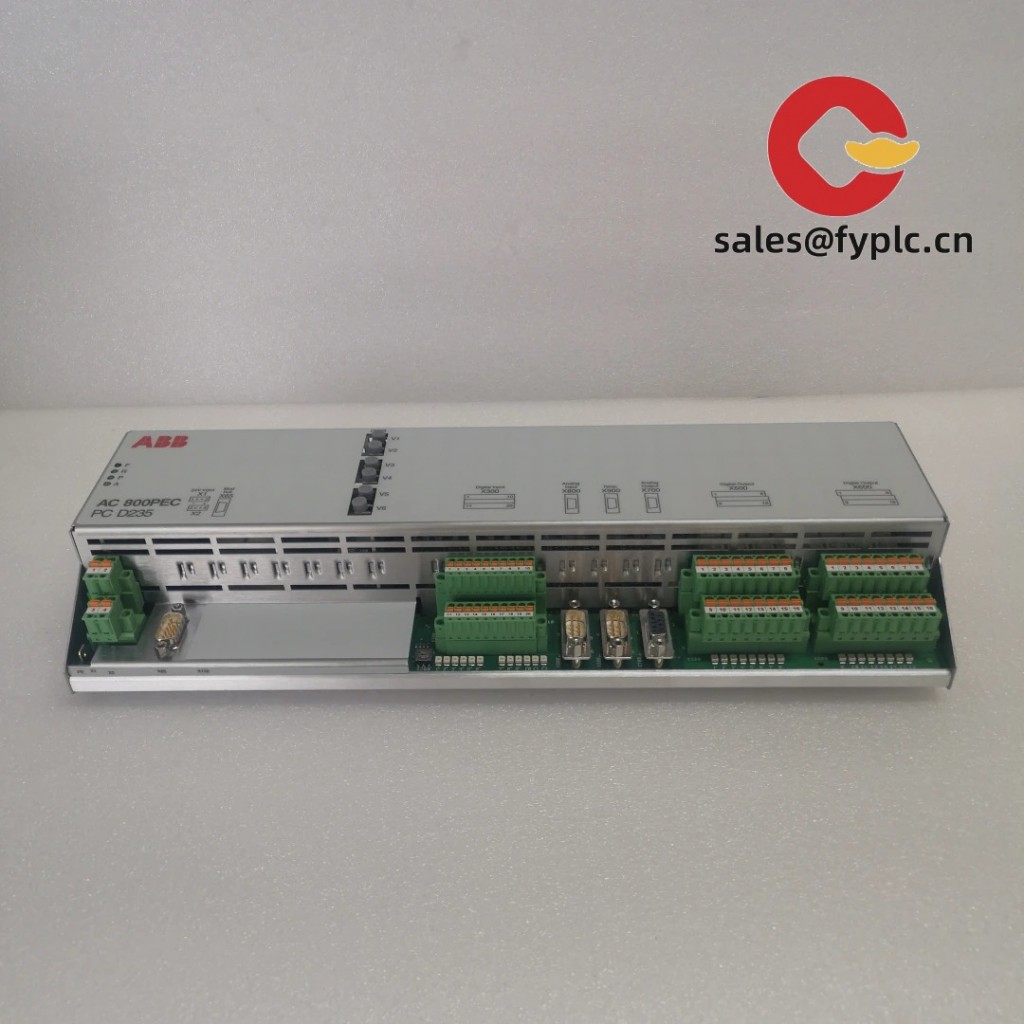
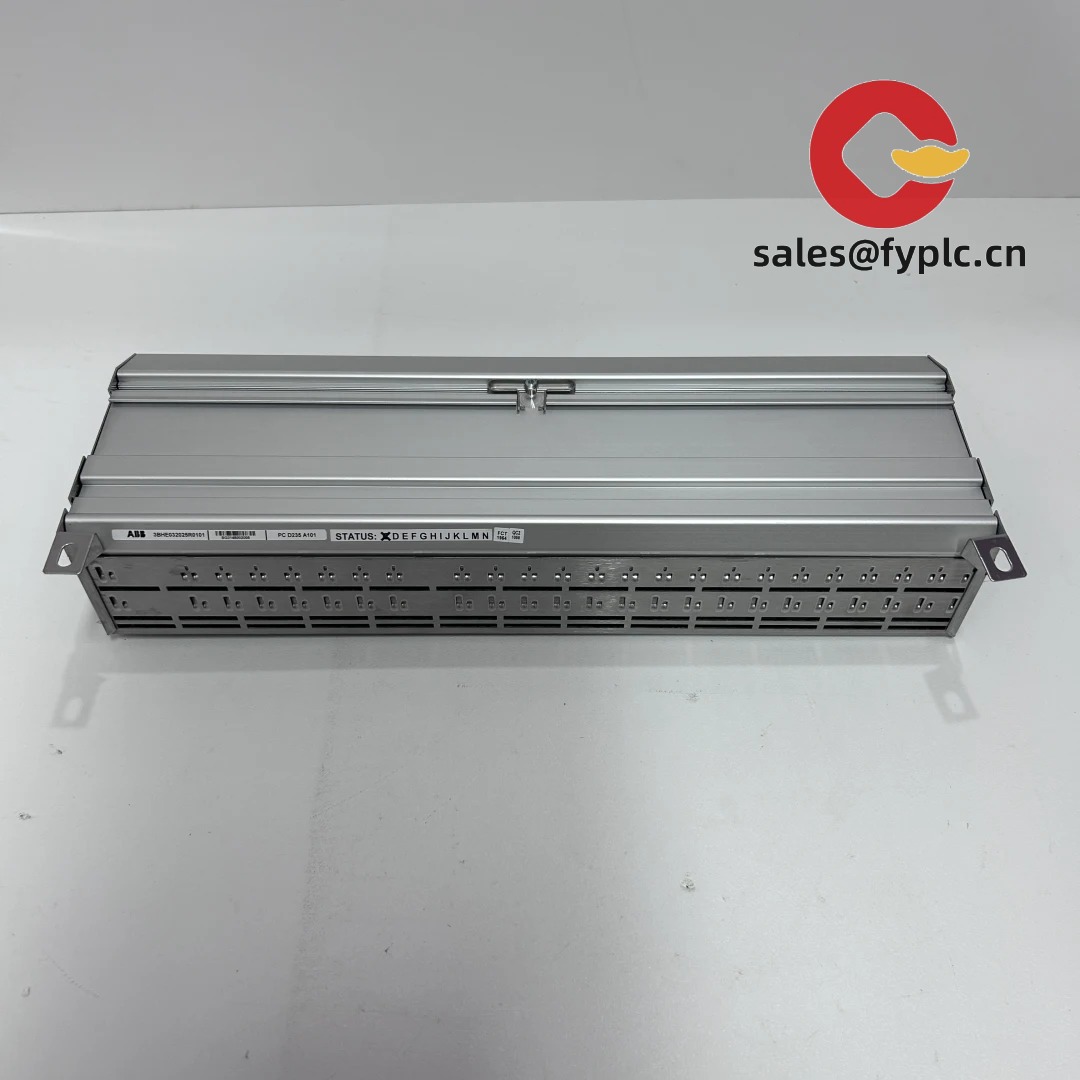
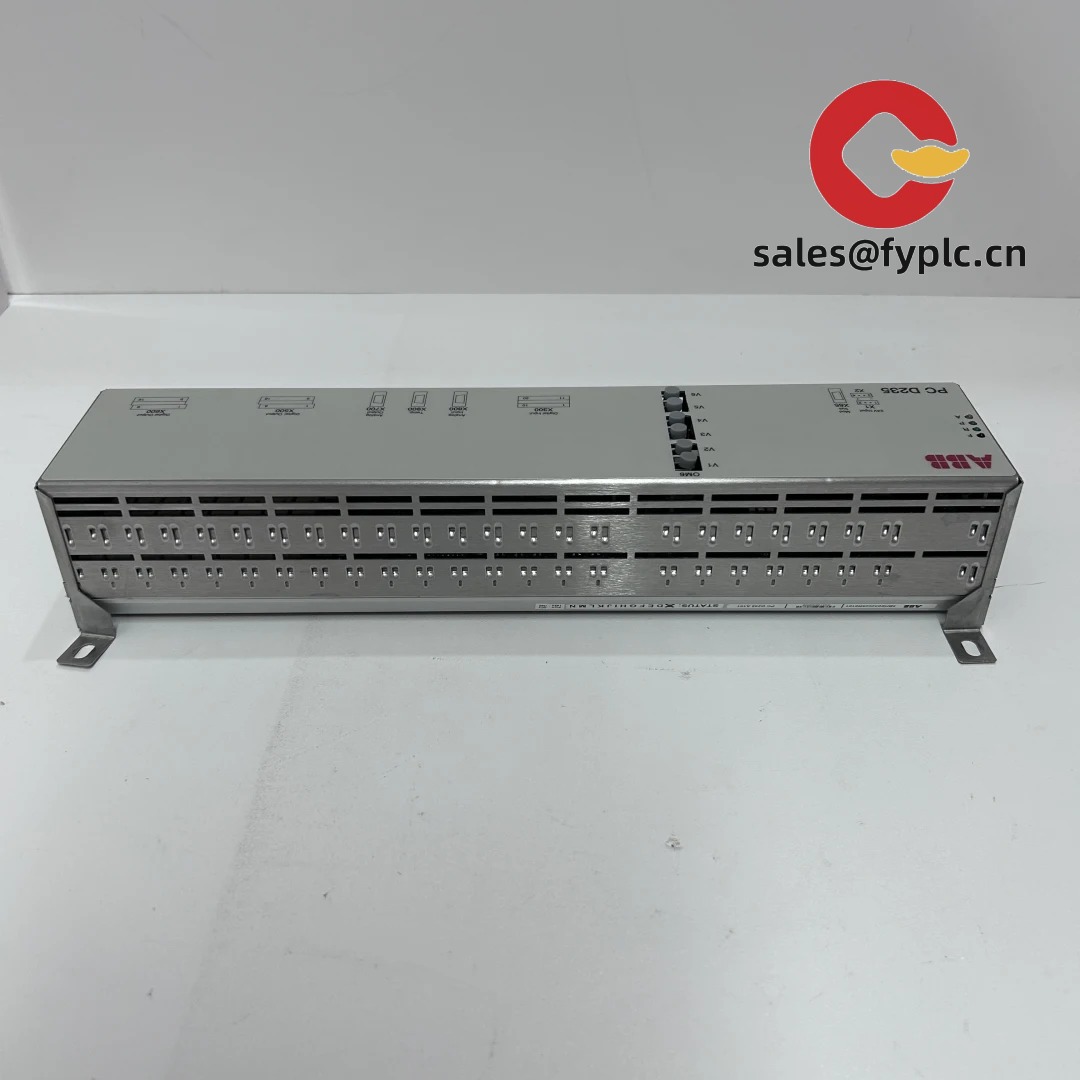

Description
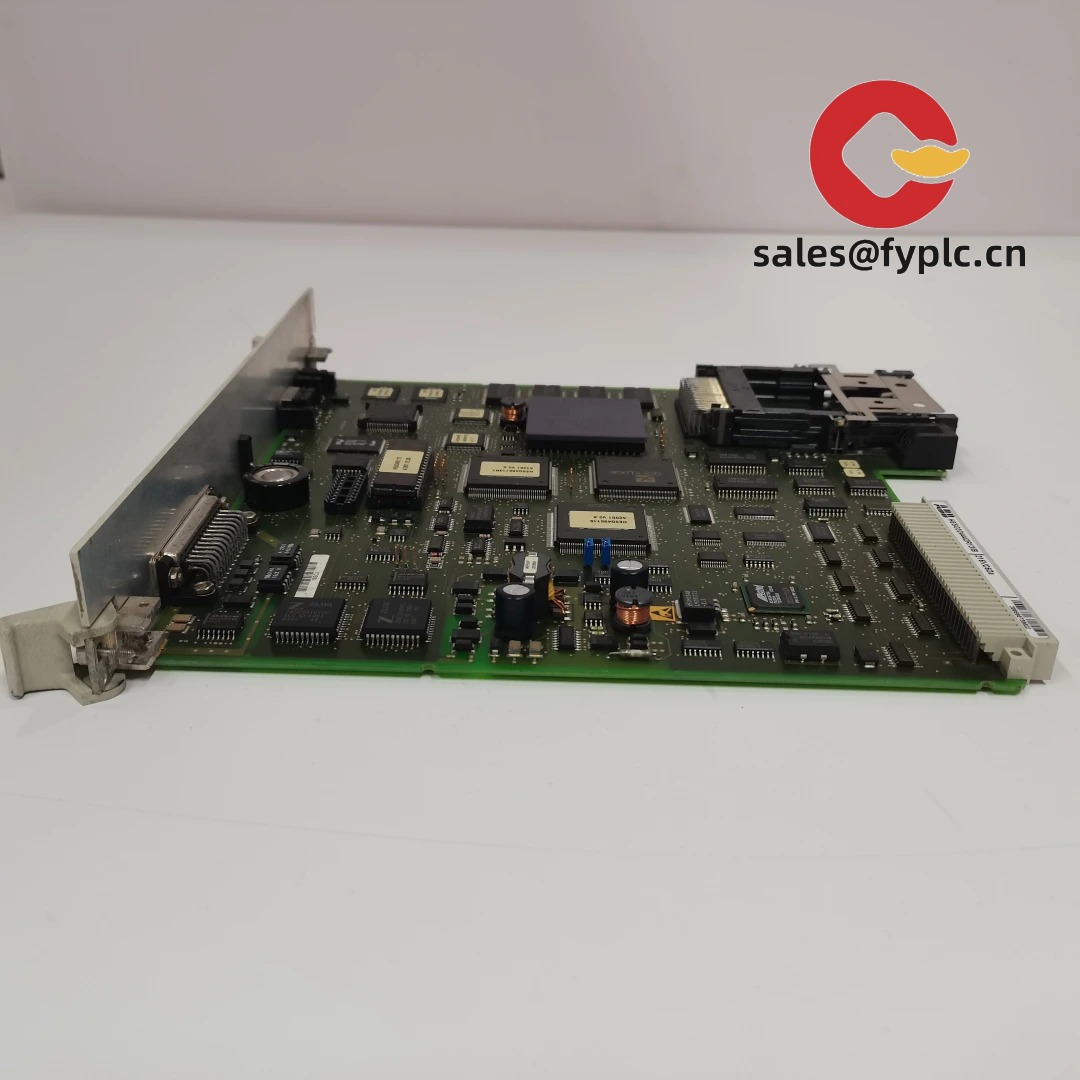
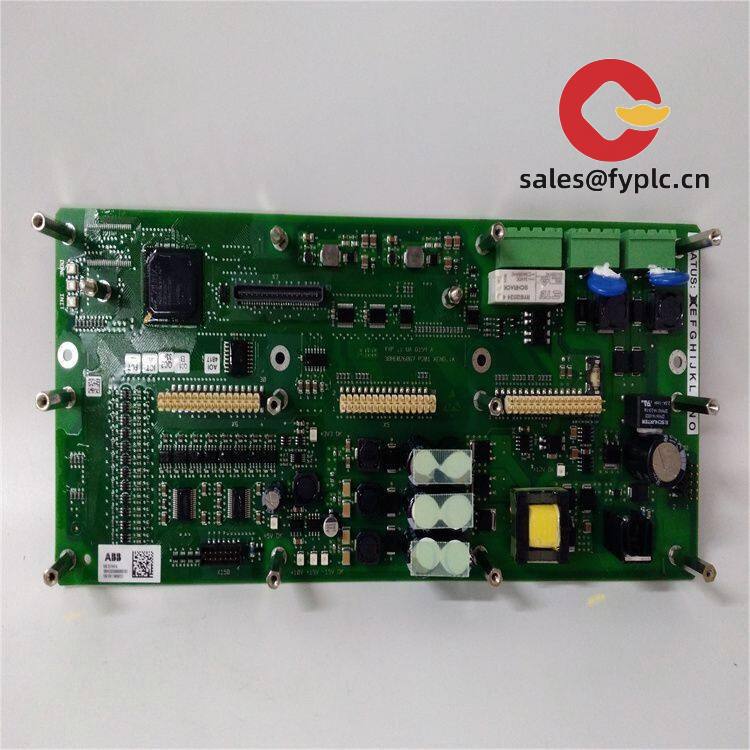
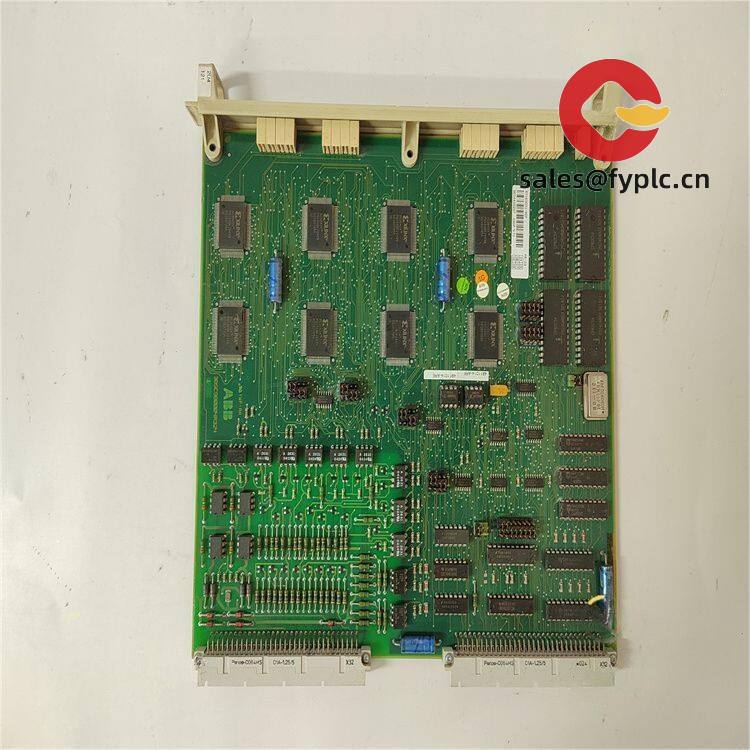
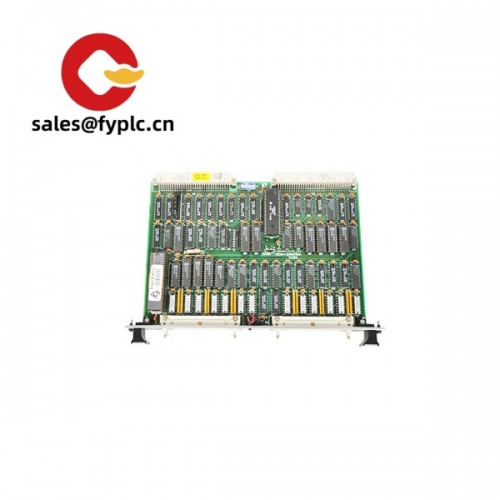
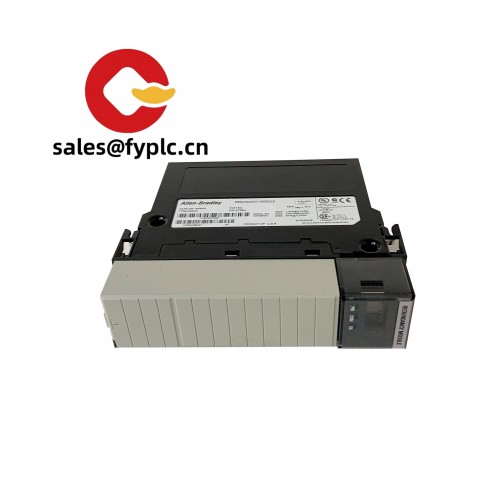
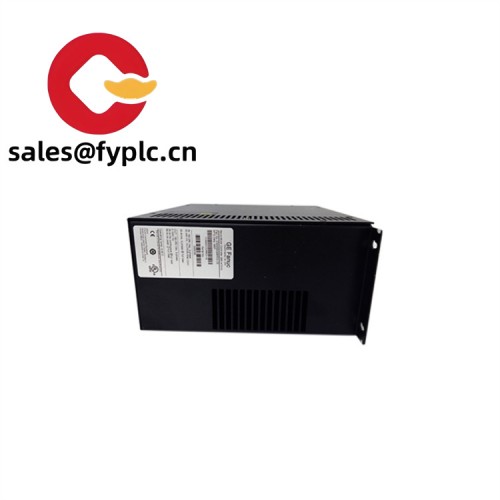
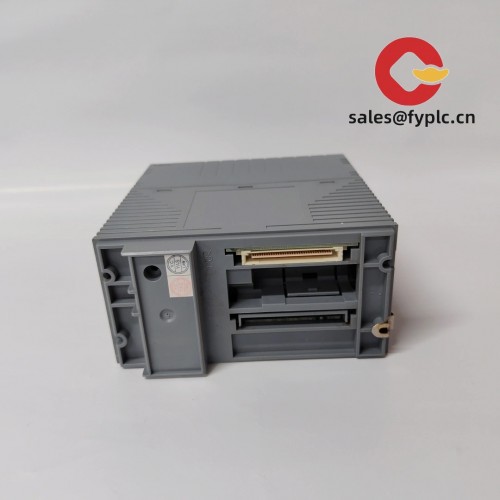
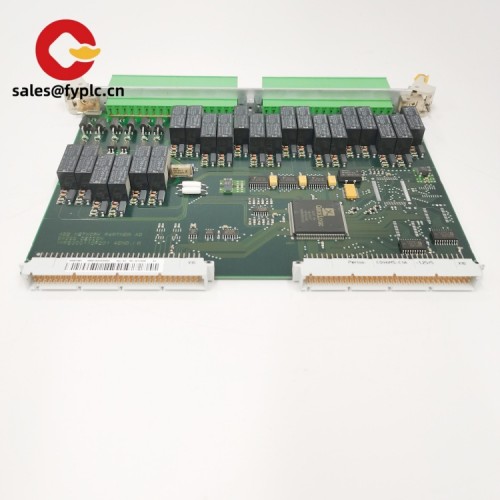
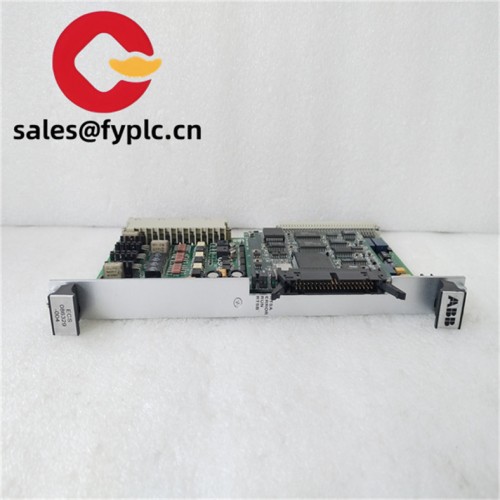
ABB PCD235A101: Your No-Nonsense PLC Core for Critical Processes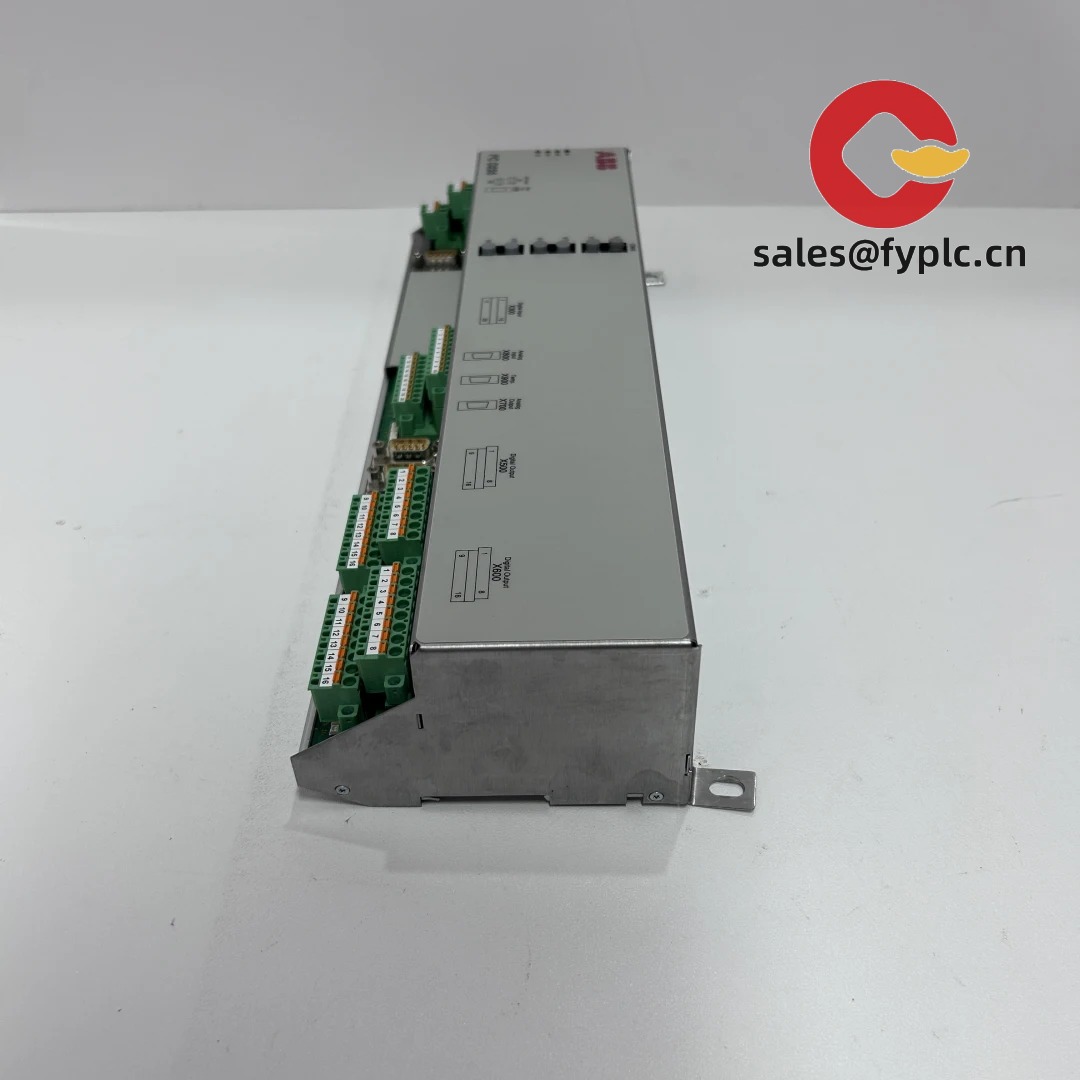
If you’ve ever wrestled with PLCs freezing during voltage dips on the factory floor, this ABB workhorse might save your next production run. The PCD235A101 (3BHE032025R0101) is the modular brain I’ve seen pull through in cement plants and pharma lines where milliseconds actually matter. One thing I appreciate is how it handles brownouts without dropping I/O – saved a client’s batch process last month when their transformer hiccuped.
Key Features That Actually Matter
- Real-time reliability – Processes 10k I/O points in under 5ms. From my experience, it rarely stutters even when handling legacy Modbus RTU devices alongside Profinet.
- Hot-swap friendly – Replace power modules without killing your entire rack. A brewery tech told me this cut their changeover downtime by 70% during seasonal brew swaps.
- Fieldbus agnostic – Native support for Profibus DP, CANopen, and Ethernet/IP out of the box. You might notice fewer protocol converters cluttering your cabinet.
- Secure firmware updates – Roll back to previous versions if new logic causes issues. Saved me during a tricky conveyor sync project last quarter.
Ordering & Guarantees
Warranty: 365 days (covers component failures, not lightning strikes)
Delivery: 1 week if in stock, max 4 weeks for custom configs
Payment: 50% upfront, balance before shipping
Shipping: FedEx/UPS/DHL with real-time tracking – no customs headaches
Technical Specs at a Glance
| Parameter | Specification |
|---|---|
| Brand/Model | ABB PCD235A101 (3BHE032025R0101) |
| HS Code | 8537.10.9000 (Programmable controllers) |
| Power Requirements | 24 VDC ±15%, 1.5A typical (2.1A during firmware updates) |
| Operating Temp | -25°C to +60°C (derate above 50°C – a real pain in smelting plants) |
| Communication | 2x Ethernet (Profinet), 1x RS-485 (Modbus), CANopen port |
| Installation | DIN rail (35mm), max 5 modules per segment |
Where It Pulls Its Weight
This isn’t for your hobbyist CNC router. I’ve seen it anchor systems where failure means thousand-gallon spills – like chemical dosing in wastewater plants where pH swings must stay within 0.2 units. Food manufacturers use it for oven temperature control; one client told me it handled a 200-unit surge when their old PLC choked during holiday production rushes. It’s also surprisingly common in port crane automation where network latency could drop shipping containers.
Why Procurement Actually Cares
Let’s be real – your maintenance team won’t geek out over IEC 61131-3 compliance. But they’ll love skipping $8k service calls because it logs error timestamps to the millisecond. In many cases, the real savings come from avoiding custom interface cards; its native protocol support typically shaves $3k off integration costs. And when your plant manager asks why we’re not buying cheaper Chinese PLCs? Point to the 10-year firmware roadmap ABB provides – that’s hard to quantify but keeps VPs sleeping at night.
Installation & Maintenance Reality Check
Mount it in standard 19″ cabinets with at least 50mm clearance top/bottom – I’ve seen units cook themselves in cramped retrofits. Ventilation matters more than the datasheet admits; keep ambient under 55°C if you want full specs. Wiring? Use shielded twisted pair for those analog inputs, or you’ll chase noise issues for weeks. For maintenance: calibrate thermocouple inputs quarterly if you’re in a foundry, blow dust out every 6 months (seriously, that cement dust is brutal), and schedule firmware updates during planned downtime – not when alarms are flashing red.
Certifications & Peace of Mind
CE, UL 61010-2-201, and ISO 13849-1 PLd certified – no nasty surprises during safety audits. RoHS 3 compliant since 2020. The 365-day warranty covers field failures (excluding “oops” moments like 48V on a 24V terminal), and ABB’s tech support usually answers within 4 business hours. One caveat: firmware patches require their proprietary software, but most integrators already have licenses.

Reviews
There are no reviews yet.