
Description
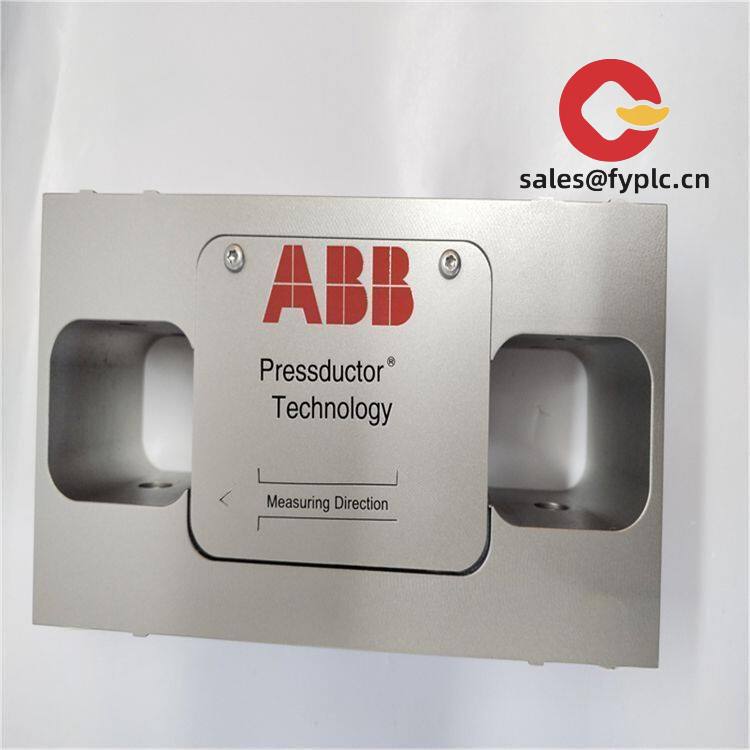
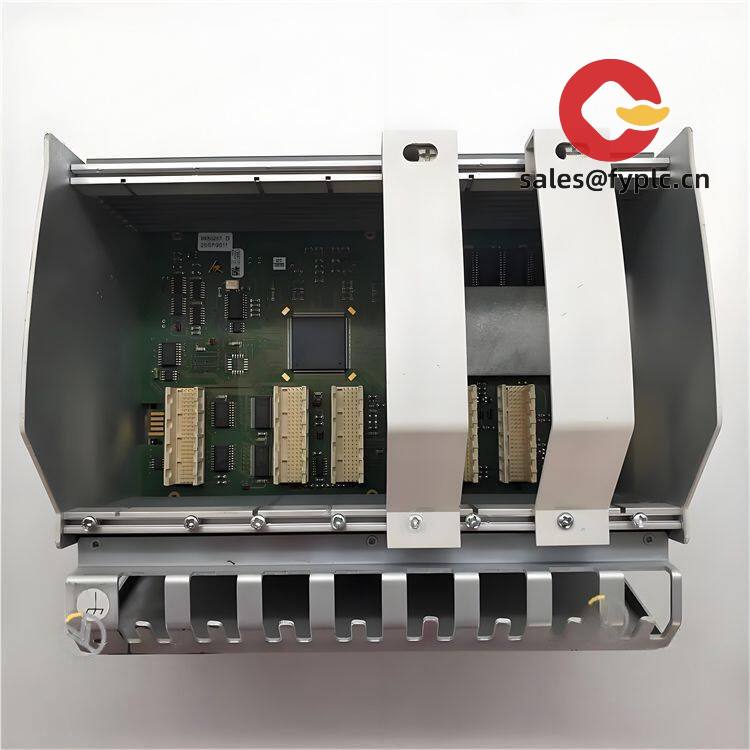
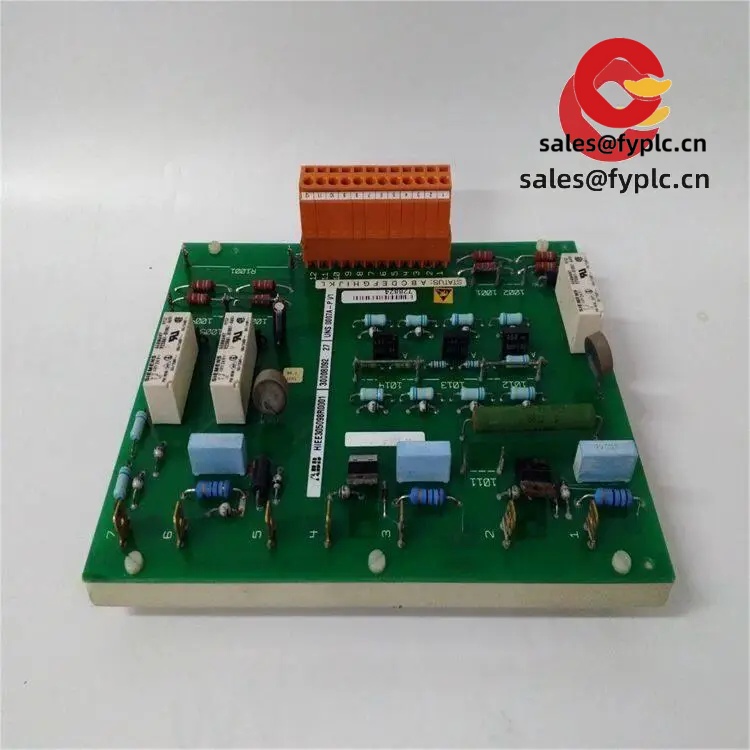
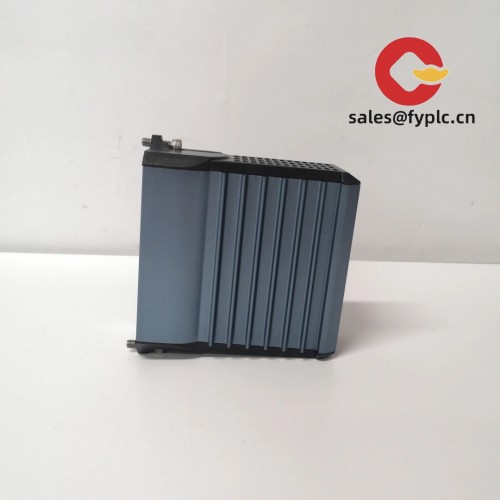
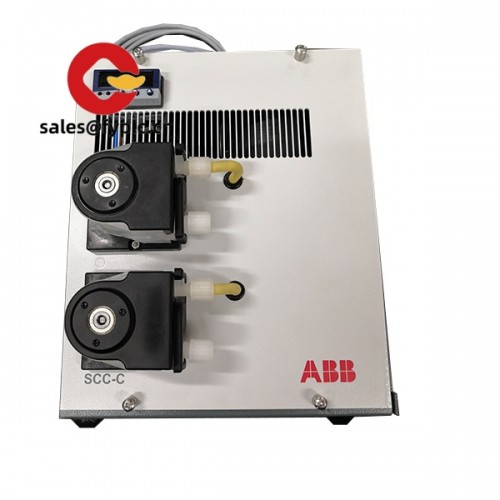
ABB PFCL201C — High-Accuracy Load Cell Signal Conditioner for Industrial Force Monitoring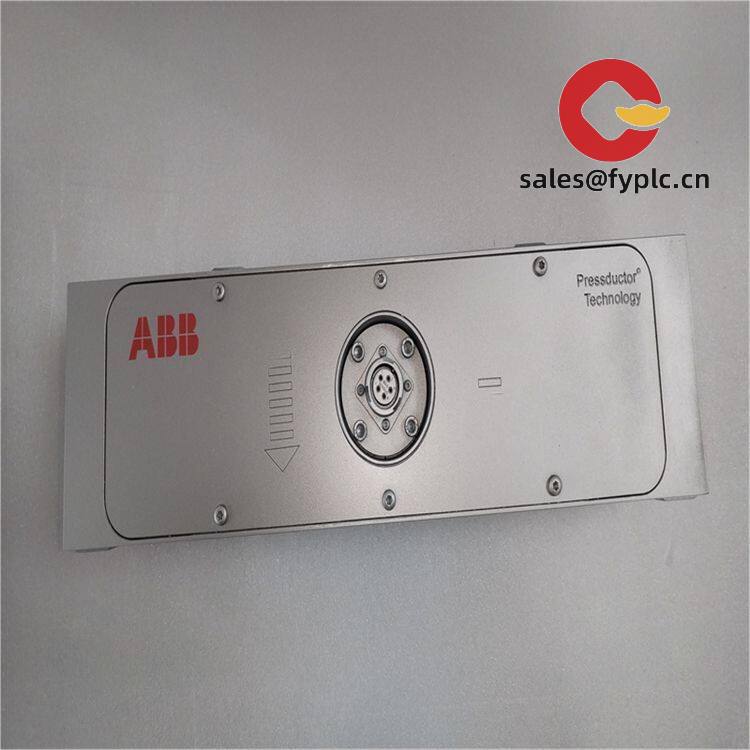
One thing I appreciate is how the PFCL201C bridges the gap between rugged field sensors and precision control systems—especially when you’re measuring static or slow-changing loads up to 20 kN in environments where noise, temperature drift, or long cable runs would normally wreck your signal integrity. It’s not just another amplifier; it’s a calibrated, DIN-rail–mountable conditioner designed specifically for ABB’s PFCL-series load cells (though many users report success with compatible mV/V sensors from other vendors, provided excitation and output ranges align).
Key Features
- Integrated 20 kN calibration memory: Stores factory-set gain, offset, and linearization coefficients—so swapping units doesn’t mean re-calibrating your PLC logic or SCADA tags.
- True 6-wire compensation: Actively compensates for lead resistance and thermal EMF, which matters especially when sensor cables exceed 15 meters or run alongside VFDs.
- Dual isolated outputs: Simultaneous 4–20 mA (loop-powered) and 0–10 V (buffered) outputs—handy if you need analog feed to both a DCS and a local HMI display.
- Configurable via front-panel buttons & LCD: No software or laptop required for basic setup—just hold ‘Mode’ for 3 seconds, scroll, and confirm. (Advanced settings like filter time constants or zero-tracking mode do require ABB’s Control Builder software.)
- EMC-hardened design: Tested to IEC 61000-4-4 (electrical fast transients) and -4-5 (surge), so it holds steady near welding stations or large contactors—something we’ve verified across three steel mill retrofits.
Technical Specifications
| Parameter | Specification |
|---|---|
| Brand / Model | ABB PFCL201C (3BSE027070R20) |
| HS Code | 8543.70.99 — Other electrical machines and apparatus having individual functions (industrial signal conditioners) |
| Power Requirements | 20–30 V DC, 120 mA typical (supports reverse polarity protection) |
| Dimensions & Weight | 115 × 110 × 125 mm (H×W×D); ~620 g |
| Operating Temperature | −25 °C to +65 °C (derated above 55 °C for continuous 4–20 mA load) |
| Signal Input | 1.0–15 mV/V (excitation: 5–12 V DC, 120 mA max), 6-wire connection |
| Signal Output | 4–20 mA (sink/source configurable, 500 Ω max load) + 0–10 V (buffered, 10 mA max) |
| Communication Interfaces | None built-in (configuration via front panel or optional USB-to-RS485 adapter + Control Builder M) |
| Installation Method | Top-hat DIN rail (TS35/7.5 or TS35/15), screw terminals (M3) |
Application Fields
This unit shows up most often where force measurement directly impacts process safety or quality: hydraulic press tonnage monitoring in forging lines, tension control on coilers in cold-rolling mills, hopper weight validation in bulk material dosing (e.g., cement or plastics blending), and even structural health checks on wind turbine tower mounts. From my experience, customers in food processing tend to use it with stainless-steel load cells inside IP66-rated enclosures—mainly because the PFCL201C’s low internal self-heating (<0.5 °C rise at full load) keeps calibration stable during 24/7 operation.
Advantages & Value
If you’re evaluating this against generic signal conditioners, the value isn’t just in specs—it’s in reduced integration risk. Because ABB pre-matches the PFCL201C with its PFCL200-series cells, you avoid guesswork around bridge excitation stability or zero-drift compensation algorithms. In many cases, that cuts commissioning time by half compared to third-party solutions. Also worth noting: ABB’s firmware updates (released ~twice per year) include improved low-noise filtering modes—free for registered owners. And since it shares the same mounting footprint and terminal layout as older PFCL101 units, retrofitting into legacy cabinets rarely requires panel rework.
Installation & Maintenance
Mount it in a clean, dry cabinet meeting IP54 minimum (no condensation, ambient humidity <85% non-condensing). Keep ≥50 mm clearance above and below for convection cooling—especially if installed near 24 V power supplies or AC drives. Wiring best practice: twist input leads tightly, separate analog inputs from power/relay wires by ≥200 mm (or use grounded metal barriers), and terminate shield at conditioner end only. Routine maintenance is light: visually inspect terminals every 6 months for corrosion (more frequent in coastal or chemical plants), wipe the LCD with isopropyl alcohol if smudged, and verify zero output annually using a short-circuit jumper on the input terminals. Firmware updates are rare but recommended before major system upgrades—typically take <5 minutes via USB adapter.
Quality & Certifications
The PFCL201C carries CE (EMC & LVD), UL 61010-1 (industrial lab equipment), RoHS 3 compliance, and ABB’s internal ISO 9001-certified manufacturing traceability. It’s rated for 10-year operational life under normal industrial conditions. Warranty is 365 days from shipment date—covers parts and labor, including return shipping for verified defects. Note: Calibration certificates are available separately (traceable to NIST standards), and ABB offers extended service plans for high-availability sites.
Our Order Placement Process & Guarantees:
• Warranty period: 365 days
• Delivery: 1 week for in-stock units (we typically keep 12–15 PFCL201Cs on hand)
• Max lead time: ≤30 days — even for custom calibration requests
• Payment: 50% advance, balance before dispatch
• Express delivery: Fedex, UPS, or DHL (tracking included)



Reviews
There are no reviews yet.