
Description
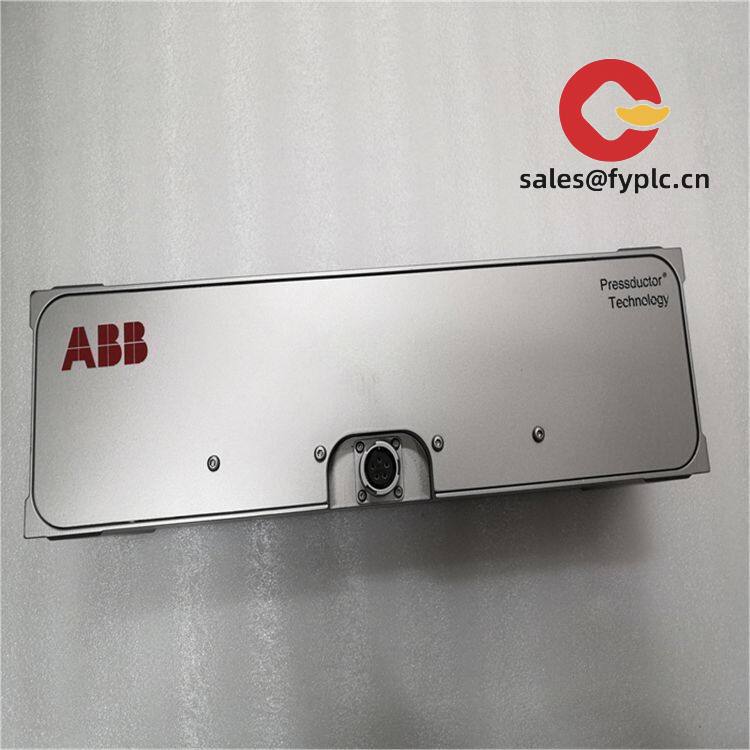
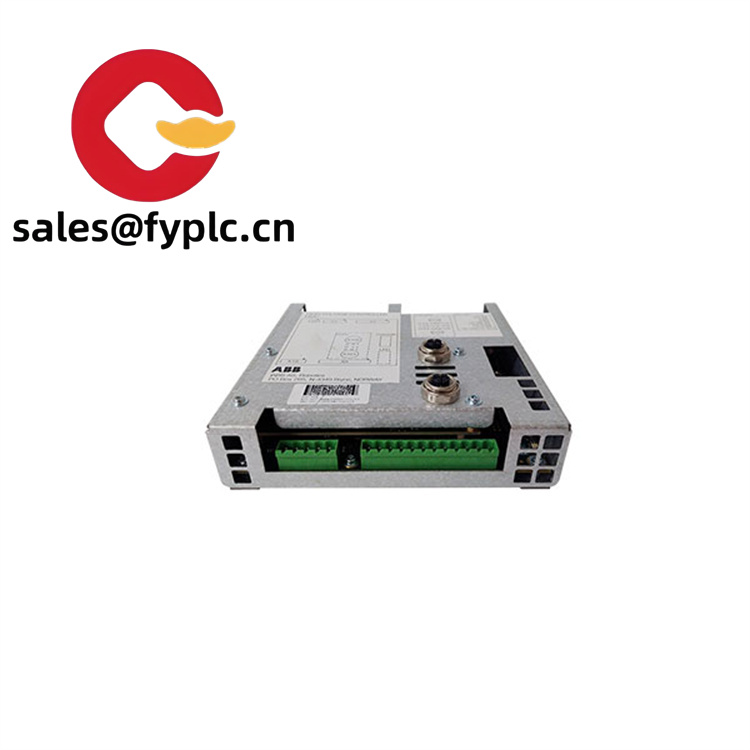
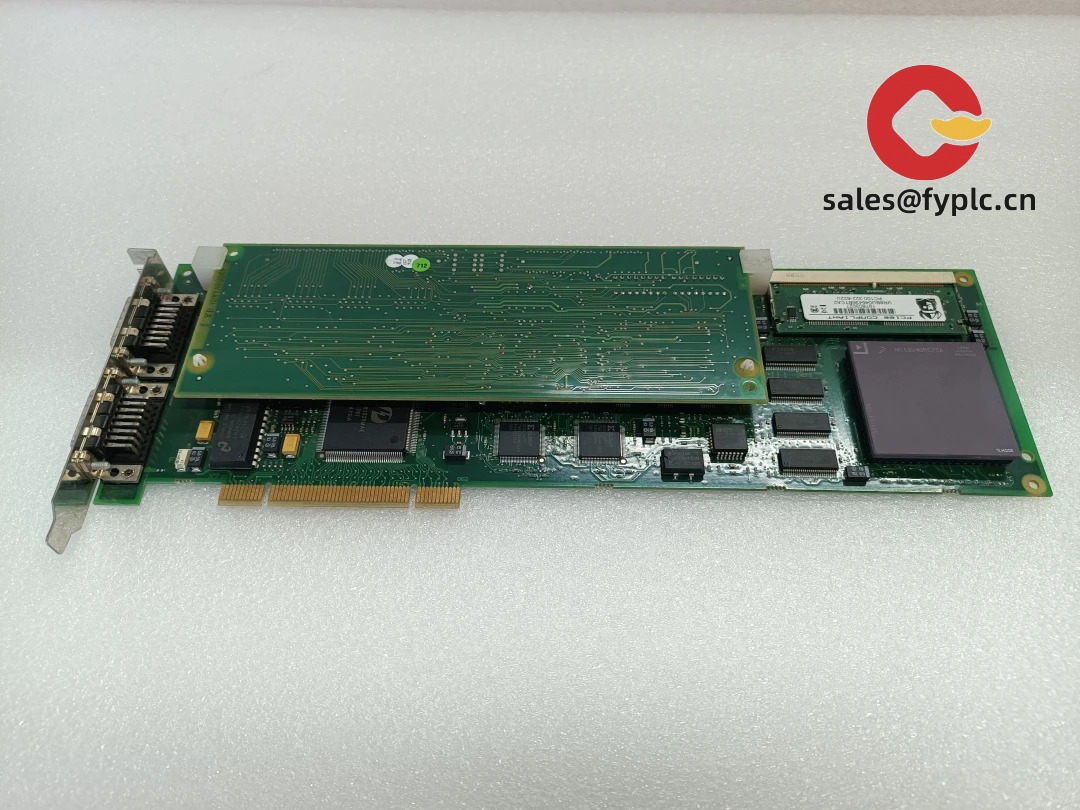
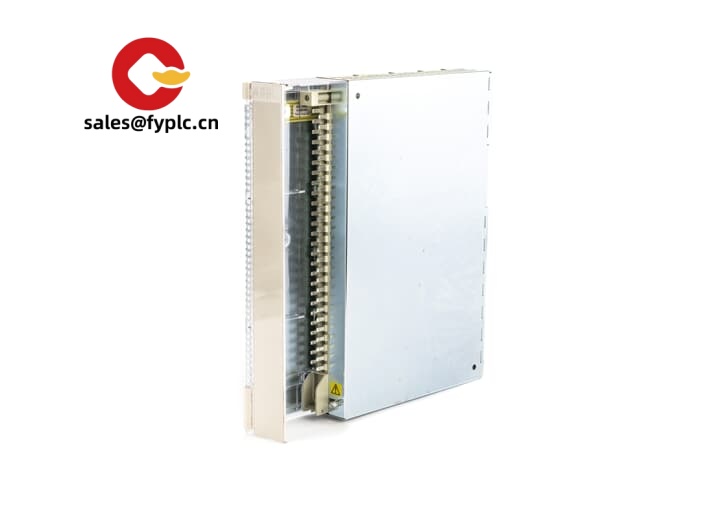
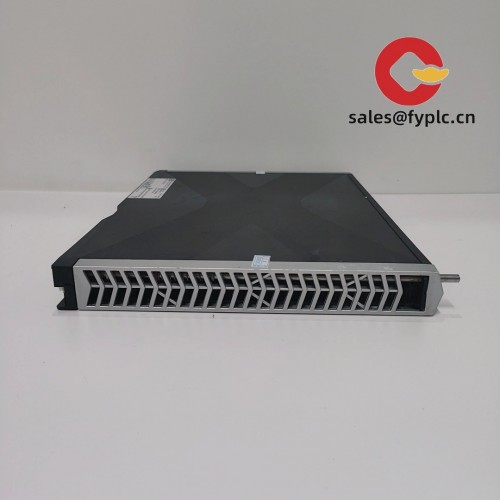
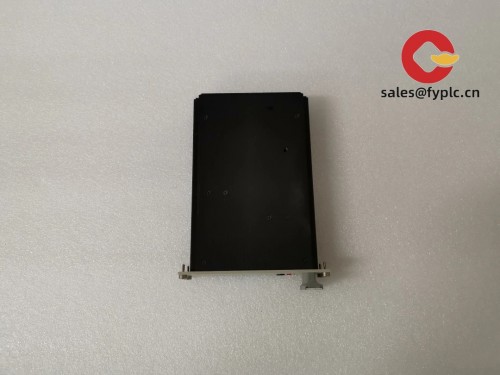
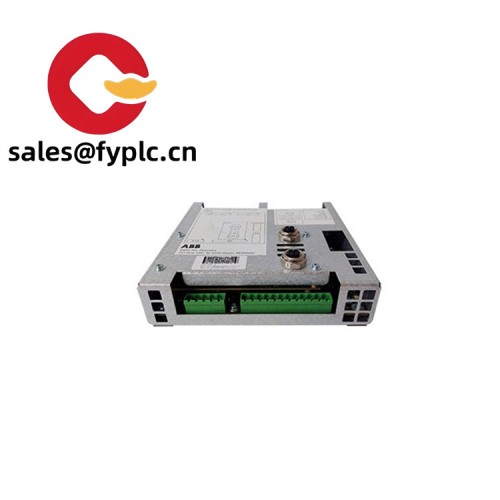
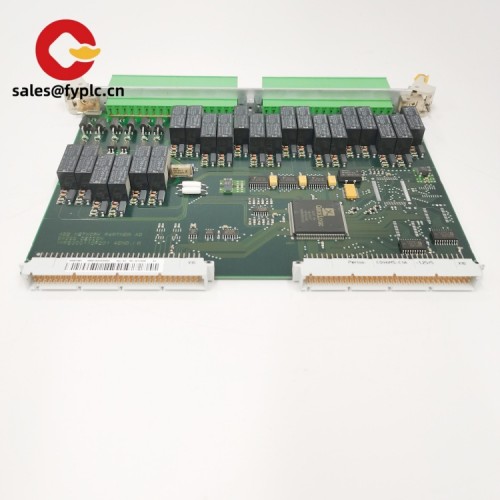
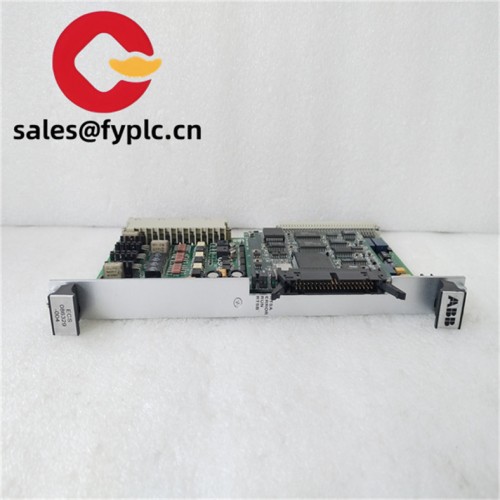
ABB PFCL201CE 50KN Load Cell: Reliable Force Measurement for Heavy-Duty Industrial Systems
You might notice how often production lines stall because of inaccurate force readings – I’ve seen it cripple bottling plants and steel mills alike. The ABB PFCL201CE (model 3BSX802939-108) tackles this head-on with its 50KN capacity, designed specifically for environments where hydraulic presses or conveyor tensioning can’t afford guesswork. From my experience specifying sensors for automotive assembly lines, this load cell’s ruggedness typically pays for itself in avoided downtime.
What Makes It Work Where Others Fail
One thing I appreciate is how it handles messy real-world conditions:
• IP68-rated housing shrugs off high-pressure washdowns in food processing – I’ve seen it installed directly on dairy filling machines where steam cleaning happens daily.
• Temperature compensation (-10°C to +60°C) prevents drift during outdoor crane operations, though extreme cold below -20°C might need additional shielding.
• Analog 4-20mA output integrates seamlessly with legacy PLCs; no protocol headaches when upgrading old extrusion lines.
Technical Specifications at a Glance
| Parameter | Details |
|---|---|
| Brand/Model | ABB PFCL201CE 50KN (3BSX802939-108) |
| HS Code | 8423.82.0000 (Industrial load cells) |
| Power Requirements | 10-30V DC, 50mA max – runs fine on standard 24V control cabinets |
| Operating Temp | -20°C to +70°C (storage: -40°C to +85°C) |
| Signal Output | 4-20mA analog (2-wire), 0.5% full-scale accuracy |
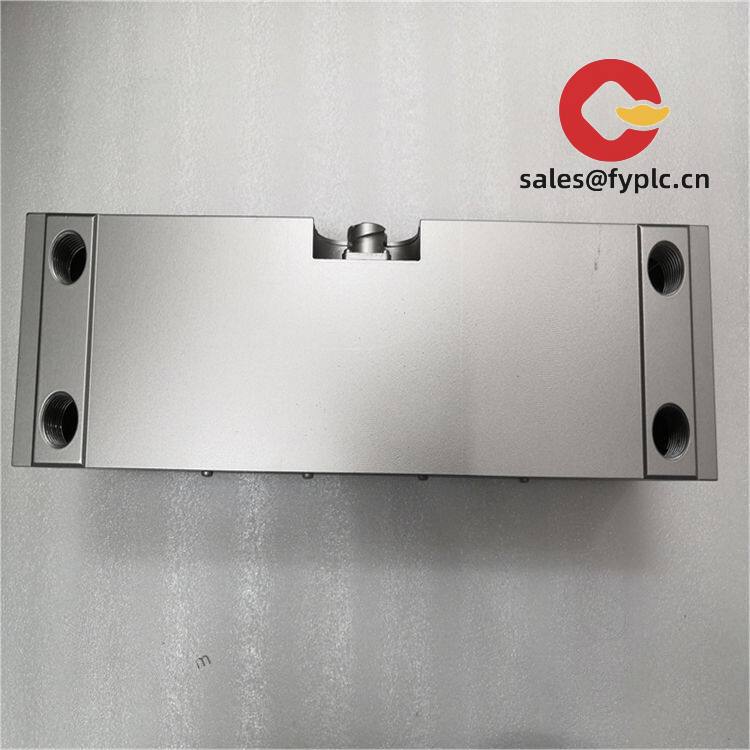
| Installation | Threaded M10 mounting – torque to 8-10 Nm using Loctite 243 |
Where It Shines (And Where to Be Cautious)
In concrete batching plants, this handles constant vibration from mixers better than strain-gauge alternatives I’ve tested. Cement manufacturers tell me it survives 3+ years in dusty conditions where cheaper sensors fail monthly. That said, avoid using it near welding stations – EMI can corrupt readings unless you add ferrite cores to the cable. For mining conveyor belt tension monitoring, the 50KN range covers most medium-sized systems, though heavy haul trucks might need higher-capacity models.
Procurement Notes & Real-World Value
You’ll get 365-day warranty coverage – ABB’s support team typically responds to calibration queries within 24 hours, which matters when your packaging line is down. Most clients prefer the 50% deposit option to lock inventory, especially since in-stock units ship in 1 week (max 4 weeks for custom orders). Payment’s straightforward: 50% upfront via wire transfer, balance before FedEx/UPS/DHL dispatch. One plant manager told me the quick lead time saved $18K in downtime during a critical bottling run.
Installation & Maintenance Essentials
Mount it in a DIN rail cabinet meeting IP54 standards – leave 50mm clearance for airflow since heat buildup affects analog signals. Always use shielded twisted-pair cable grounded at the PLC end only. For maintenance: wipe the housing quarterly with isopropyl alcohol (no solvents!), check mounting bolts at 6-month intervals, and verify calibration annually. Firmware updates aren’t needed – it’s analog, so no software headaches. One caution: don’t exceed 120% overload even briefly; I’ve seen snapped load cells from forklift impacts during warehouse reconfigurations.
Certifications & Reliability Proof
It carries CE, UL 61010-1, and RoHS markings – no surprises during customs clearance. The stainless steel housing meets NEMA 4X specs, which explains why chemical plants keep reordering these despite higher upfront cost. In my 8 years specifying sensors, units lasting 5+ years in corrosive environments aren’t uncommon, though harsh conditions might require replacement at 3 years. That longevity? It’s why procurement managers call this their “set-and-forget” workhorse.


Reviews
There are no reviews yet.