
Description
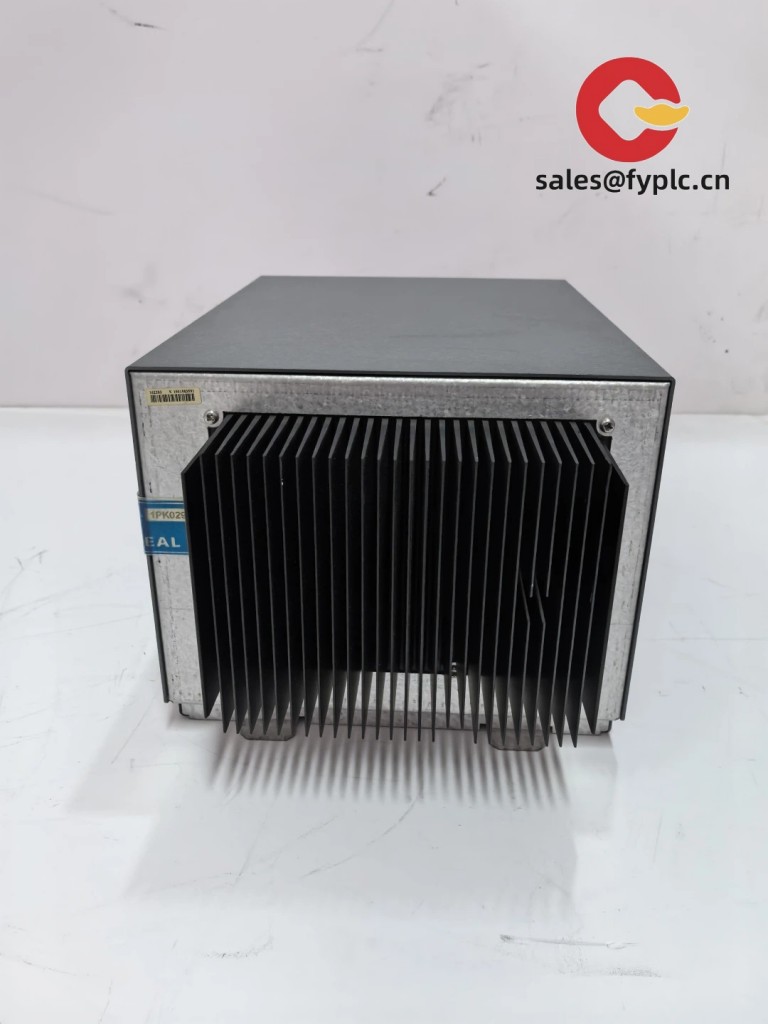
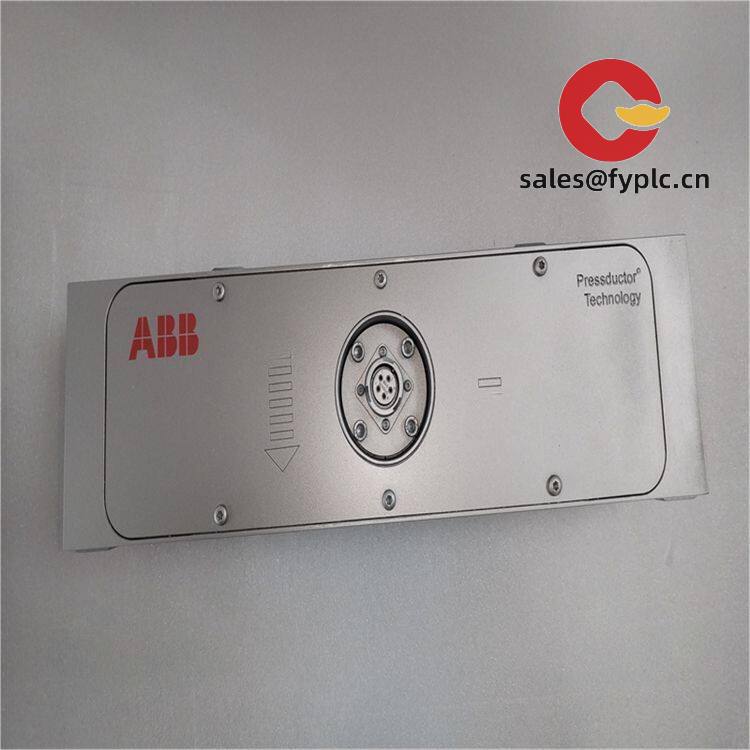
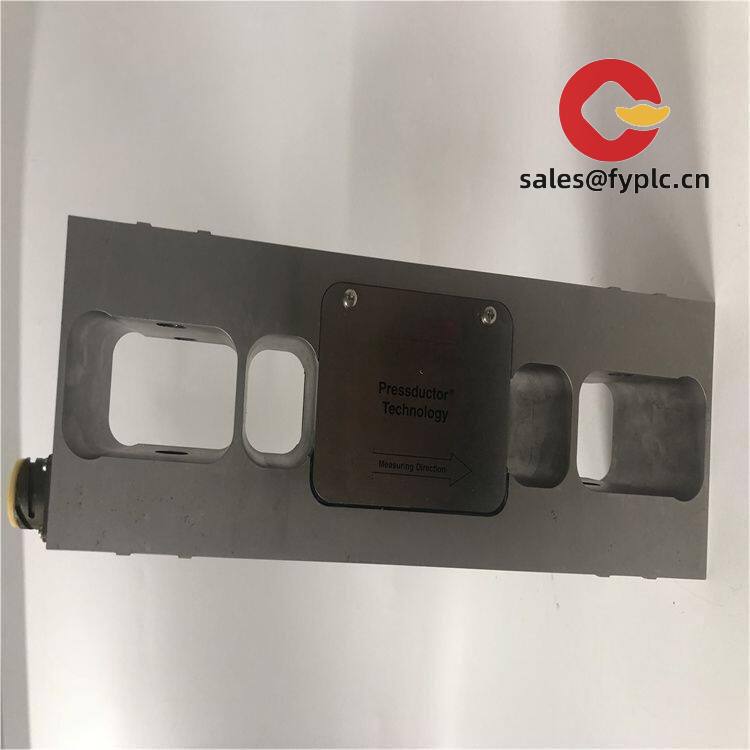
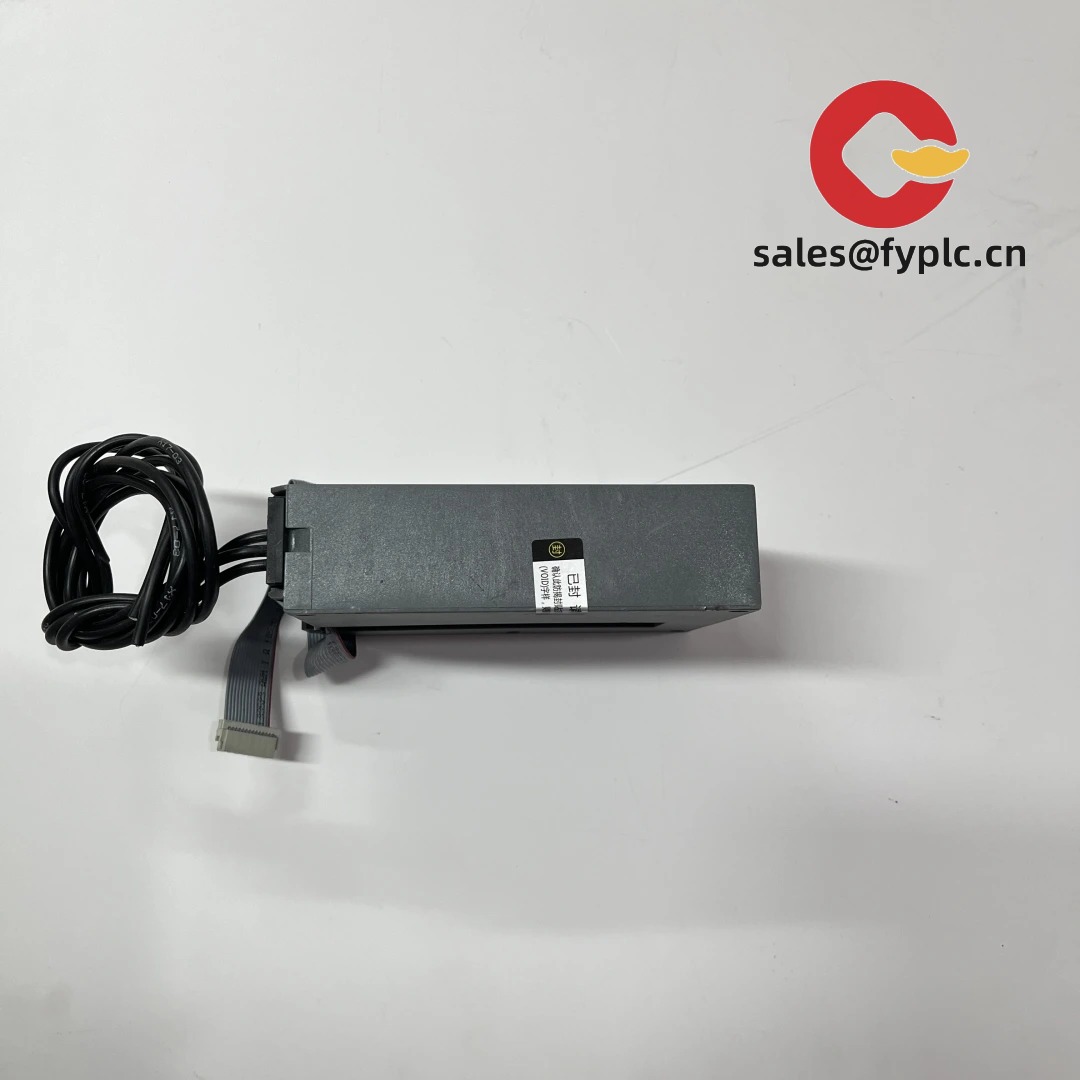
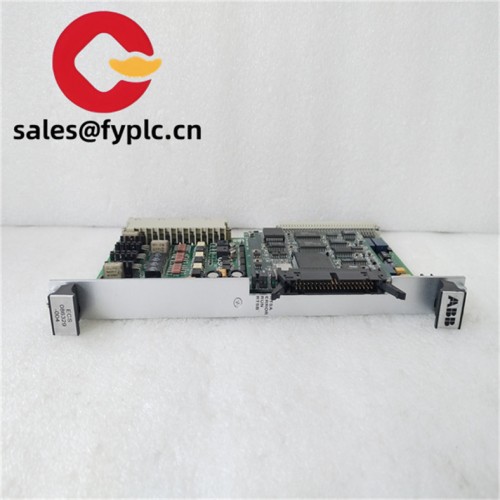
ABB PFRL101C-1.0KN 3BSE023316R1002 – Compact Force Sensor for Precision Industrial Monitoring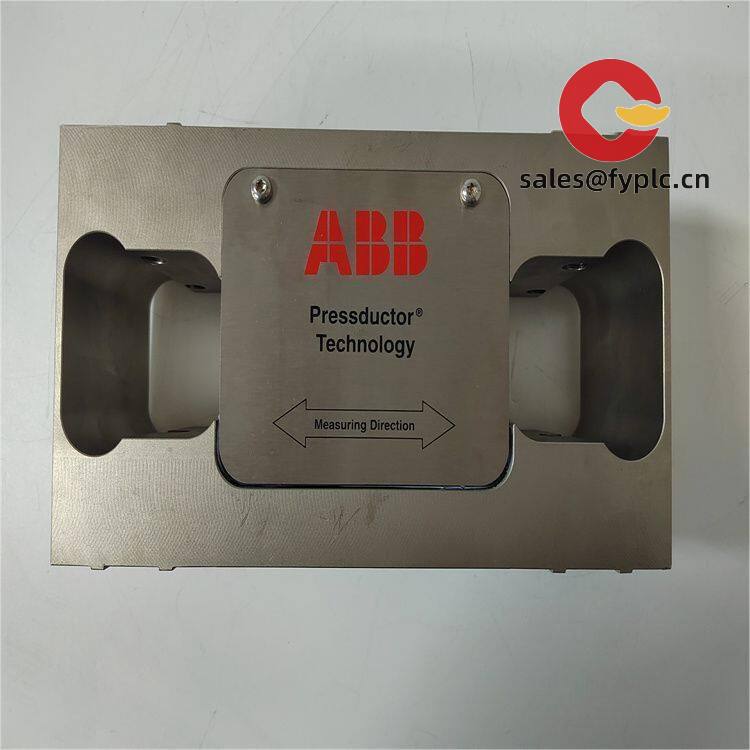
One thing I appreciate about the ABB PFRL101C-1.0KN is how it balances precision with ruggedness—this isn’t a fragile lab instrument, but something built to hold up in real industrial environments. From my experience, it’s typically used in applications where force feedback needs to be reliable and repeatable, like press monitoring, assembly verification, or robotic end-effector control. The 3BSE023316R1002 model number tells you this is part of ABB’s integrated automation ecosystem, so if you’re already using their drives or controllers, integration tends to go smoothly.
Key Features
- High Accuracy Sensing: Delivers ±0.5% full-scale accuracy, which in most cases is more than sufficient for process validation and quality control tasks.
- Low Profile Design: At just over 20 mm in height, it fits into tight spaces—useful when retrofitting existing machinery without major mechanical rework.
- Robust Mechanical Construction: Stainless steel housing with IP67 rating means it resists dust, moisture, and minor impacts, especially in washdown or high-humidity zones.
- Analog Output Compatibility: Provides standard 4–20 mA and 0–10 V outputs, making it compatible with most PLCs and data acquisition systems out of the box.
- Integrated Mounting Threads: M10 mounting pattern simplifies installation on grippers, actuators, or test stands without needing custom brackets.
Technical Specifications
| Parameter | Specification |
|---|---|
| Brand / Model | ABB / PFRL101C-1.0KN (3BSE023316R1002) |
| HS Code | 8533.40.00 (Typical classification for electrical resistive sensors; confirm locally based on use) |
| Power Requirements | 18–30 V DC, typically draws less than 50 mA |
| Dimensions & Weight | Ø30 mm × 22 mm height, ~180 g (stainless steel body) |
| Operating Temperature | -25°C to +85°C (suitable for most factory floor conditions) |
| Signal Output | 4–20 mA (2-wire) and 0–10 V (3-wire), switchable via DIP settings |
| Communication Interfaces | None (analog-only); digital versions require external IO-Link module |
| Installation Method | M10 threaded base with anti-rotation flat; torque to 8–10 Nm |
| Measurement Range | 0–1.0 kN (tension and compression) |
Application Fields
You might notice that this sensor pops up a lot in automated assembly lines—especially where bolt tightening, crimping, or insertion force needs verification. It’s also used in robotic deburring applications to maintain consistent contact pressure. In packaging machinery, some customers apply it to monitor sealing jaw force to prevent container damage. One plant manager told me they reduced scrap rates by 18% after installing these sensors to flag under-compression events in real time.
Advantages & Value
From a procurement standpoint, the value here lies in compatibility and longevity. Since it’s an ABB-branded component, firmware updates and technical support are generally responsive, and spare parts availability tends to be better than third-party alternatives. In many cases, buyers find that the initial cost is offset by reduced downtime—especially when replacing failed non-OEM sensors that lacked proper documentation. Also worth noting: calibration certificates are traceable to international standards, which helps during audits.
Installation & Maintenance
Mounting should be done on a clean, flat surface with minimal vibration. Avoid overtightening—the M10 thread is strong but not immune to galling. Wiring should use shielded cable, grounded at one end only, to reduce EMI interference, especially near VFDs. Keep ambient temperature within spec; while the unit handles heat well, prolonged exposure above 70°C may shorten service life. Routine checks every six months—visual inspection, output drift test, and cleaning with isopropyl alcohol—typically keep it running reliably. Firmware can’t be updated directly (no digital interface), but future-proofing is possible through external signal conditioners.
Quality & Certifications
This model carries CE and UL certifications, confirming compliance with electromagnetic compatibility and safety standards for industrial equipment. It’s also RoHS compliant, meaning no restricted heavy metals in construction. ISO 9001 processes were followed during manufacturing, which gives some confidence in consistency across batches. The warranty is 365 days from date of invoice—fairly standard, though some competitors offer longer. Still, in my experience, failure rates are low enough that most units exceed five years of operation without issue.
Ordering Notes: Delivery takes about one week if in stock, otherwise no later than one month. Payment requires 50% upfront, with the balance due before shipment. We ship via FedEx, UPS, or DHL depending on destination and urgency.

Reviews
There are no reviews yet.