
Description
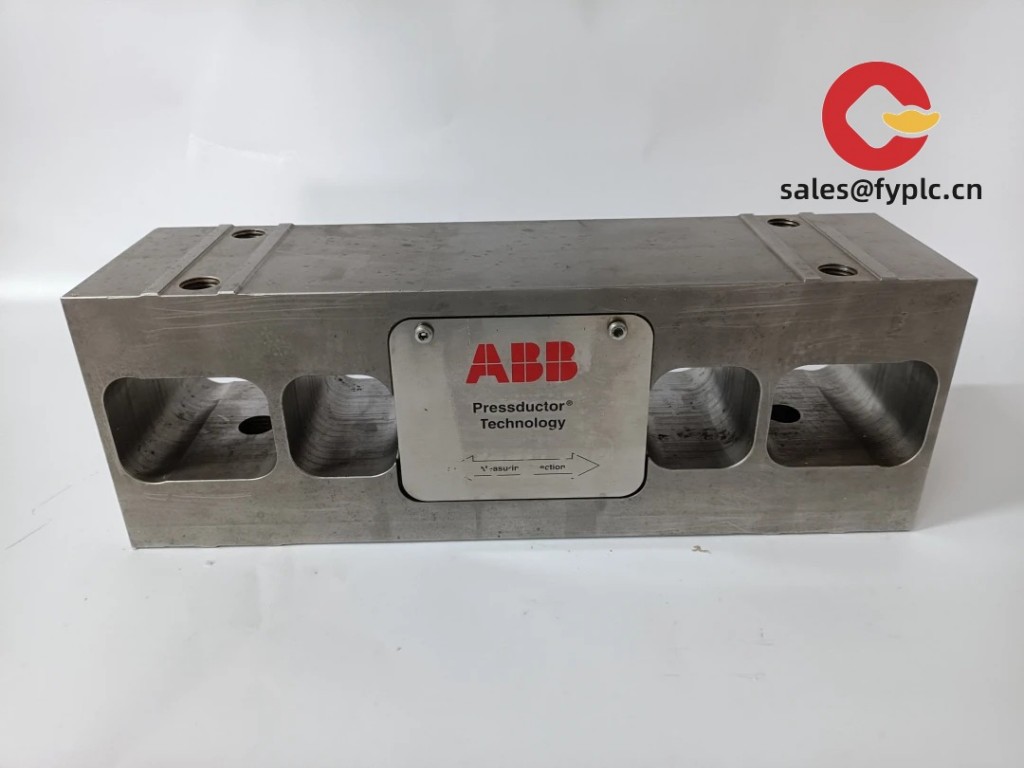
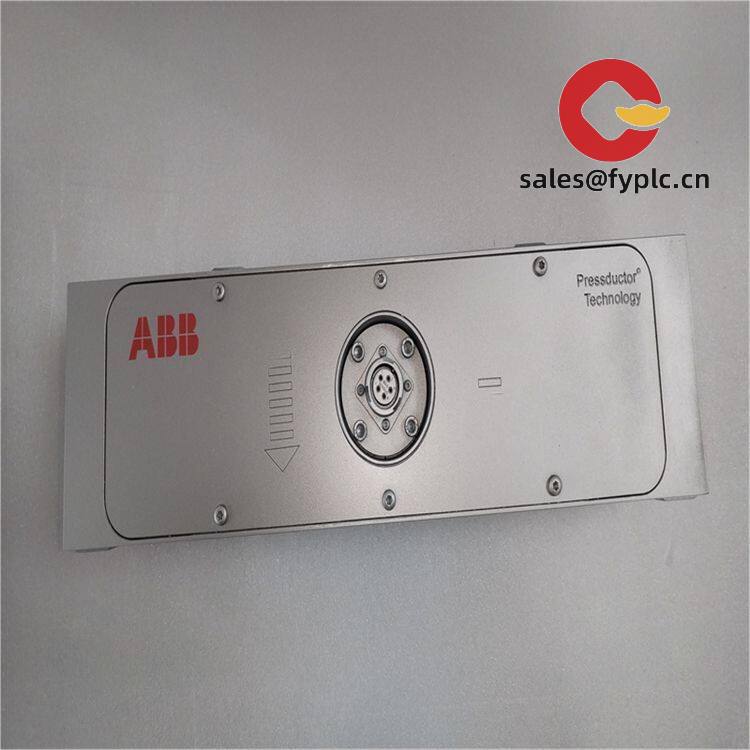
ABB PFTL101B 2.0kN (3BSE004185R1) – Compact Electric Linear Actuator for Precision Control Applications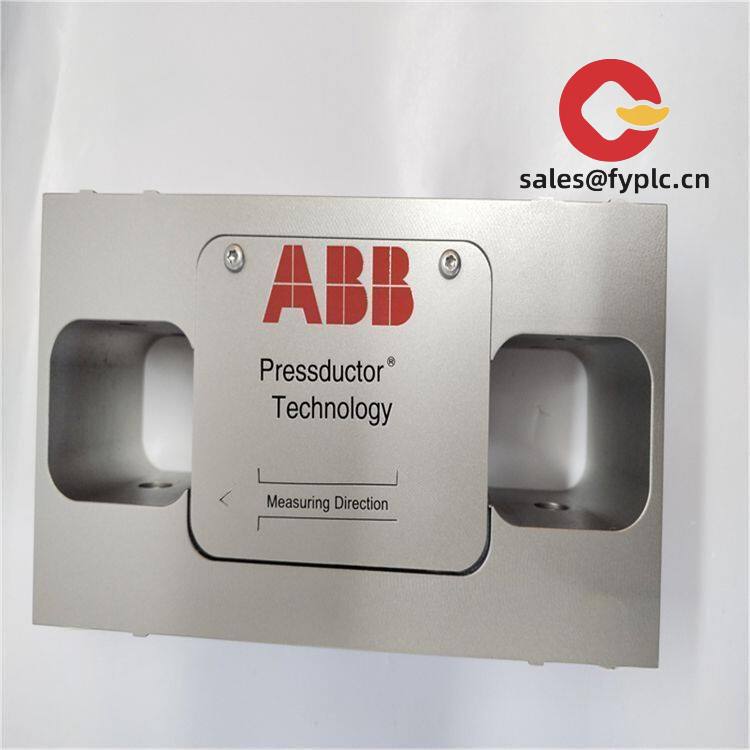
If you’re working on automation systems that require reliable linear motion with moderate force output, the ABB PFTL101B is one option that typically comes up in discussions—especially in packaging lines or valve actuation setups. It’s part of ABB’s PFTL series of electric actuators designed to replace pneumatic systems where precision and lower maintenance matter more than raw speed.
One thing I appreciate about this model is how it balances simplicity with industrial durability. From my experience, it integrates well into control cabinets without demanding excessive space or cooling. You might notice that it doesn’t have the fastest stroke time compared to servo-driven alternatives, but in many cases, its repeatability and built-in position feedback make up for that.
Key Features
- 2.0 kN thrust capacity – Suitable for light-duty automation tasks like damper control or small valve operation.
- Integrated position sensing – Provides analog feedback (typically 0–10 V or 4–20 mA), allowing closed-loop control without external sensors.
- Modular mounting design – Can be installed in multiple orientations; often used with ISO-standard mounting brackets.
- Self-locking mechanism – Holds position when powered down, which improves safety in fail-safe scenarios.
- Low power consumption – Operates efficiently from a standard 24 VDC supply, reducing load on control cabinet PSUs.
- IP66-rated housing – Resists dust and water ingress, making it suitable for washdown environments or outdoor enclosures.
Technical Specifications
| Parameter | Specification |
|---|---|
| Brand / Model | ABB / PFTL101B (3BSE004185R1) |
| HS Code | 8537.10.90 (Electrical control boards & apparatus for industrial use) |
| Power Requirements | 24 VDC nominal (operational range: 20–30 VDC) |
| Thrust Force | 2.0 kN (static), 1.6 kN (dynamic) |
| Stroke Length | Standard: 100 mm (custom options available up to 250 mm) |
| Signal Input/Output | Analog input: 0–10 V / 4–20 mA (position command) Digital output: Position reached signals (NO/NC relay) |
| Communication Interface | None onboard (fieldbus modules optional via add-on units) |
| Installation Method | DIN rail or flange mount; compatible with ISO VDI/VDE 3845 |
| Operating Temperature | -10°C to +55°C (non-condensing) |
| Dimensions & Weight | Approx. 320 x 80 x 80 mm / 2.1 kg |
Application Fields
This actuator shows up most often in food and beverage processing plants—particularly controlling flow valves or diverters on filling lines. It’s also been used in HVAC dampers within cleanroom facilities where precise airflow modulation is needed. Some wastewater treatment sites have deployed these units for gate valve positioning because they tolerate humidity better than basic electromechanical models.
A customer in Germany recently mentioned using three PFTL101Bs on a retrofit project replacing failed pneumatic cylinders. They appreciated not having to run new air lines and reduced noise levels after switching to electric.
Advantages & Value
While not the cheapest linear actuator on the market, the PFTL101B tends to justify its cost through longevity. In environments with frequent washdowns or vibration, its sealed construction helps avoid premature failures. Compatibility with existing ABB control systems (like AC500 PLCs) simplifies integration, especially if your team already uses Automation Builder software.
From a procurement standpoint, stocking this unit can reduce spare part sprawl if you’re already using other PFTL-series actuators. Firmware updates are minimal—mostly handled at commissioning—so long-term support overhead stays low.
Installation & Maintenance
Install in a standard IP54+ rated control cabinet or protected enclosure. Avoid direct exposure to sunlight or condensation—even though the housing is robust, thermal cycling can affect internal electronics over time. Wiring should follow standard practices: twisted pair for analog signals, separate routing from high-voltage lines.
Routine checks every six months usually suffice—look for binding during movement, verify feedback signal stability, and wipe down the rod if exposed. No lubrication required under normal conditions. Firmware rarely needs updating unless there’s a known bug affecting homing sequences.
Quality & Certifications
Certified to CE, UL Listed (File E117758), RoHS compliant, and conforms to EN 61326-1 for EMC in industrial environments. The manufacturer offers a standard warranty period of 365 days from date of shipment—covering defects in materials and workmanship under proper usage.
We’ve seen very few field returns on this model—most issues trace back to incorrect voltage supply or mechanical overload during setup. As long as it’s applied within spec, it seems to be one of those components you install and forget.

Reviews
There are no reviews yet.