
Description
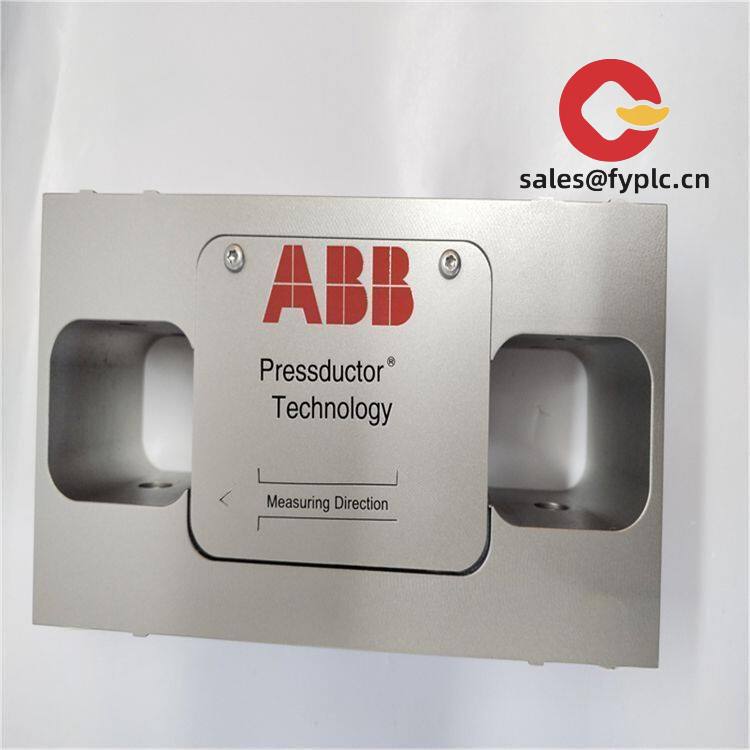
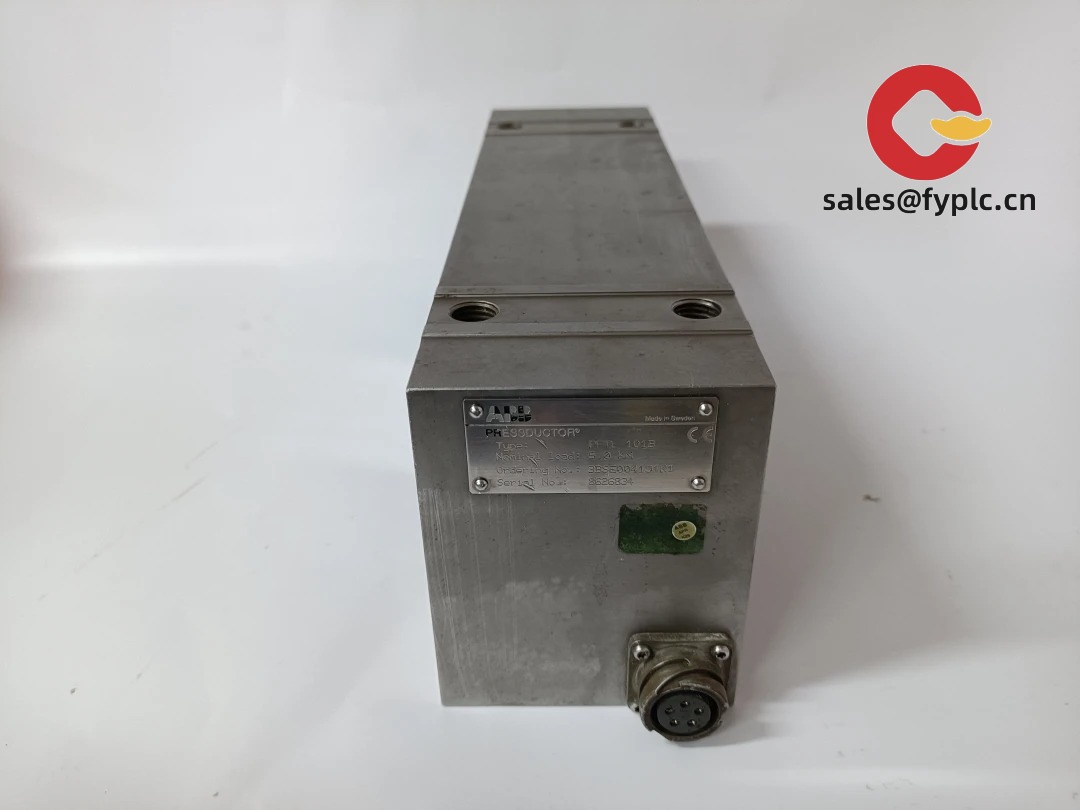
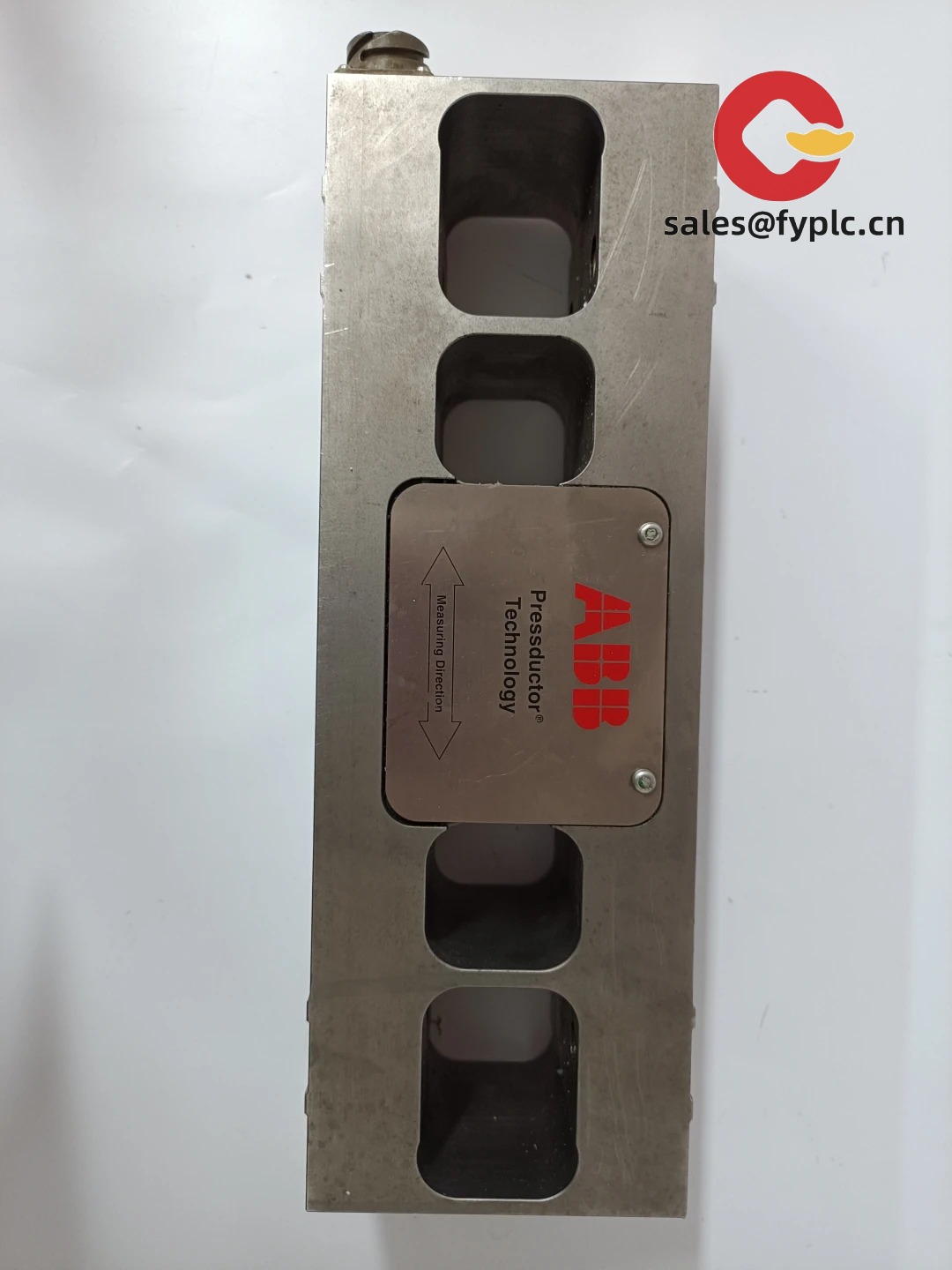
ABB PFTL101B-5.0kN (3BSE004191R1) — High-Accuracy Tension Load Cell for Continuous Web Processes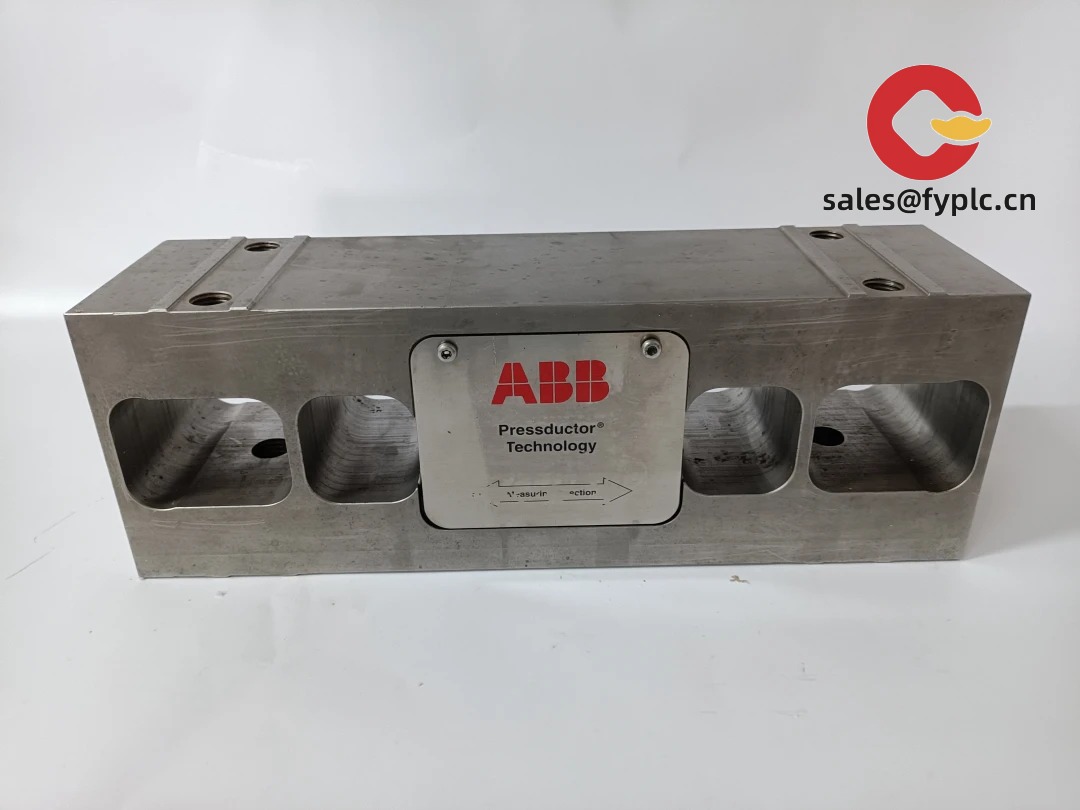
Let’s cut to the chase: if you’re monitoring tension on a paper machine, steel slitting line, or converting line where ±0.5% full-scale accuracy matters—and downtime costs you real money—this load cell isn’t just another sensor. It’s the one ABB’s OEM partners keep specifying in Tier-1 packaging and metal processing lines. From my experience supporting retrofits across Europe and North America, the PFTL101B shows up most often where legacy analog systems are being upgraded to digital-ready architectures—without scrapping existing roller frames.
Key Features
- Integrated strain gauge & signal conditioning: Unlike basic load pins, this unit outputs a calibrated 4–20 mA signal directly—no external amplifier needed. One thing I appreciate is how much cabinet space it saves when replacing older dual-component setups.
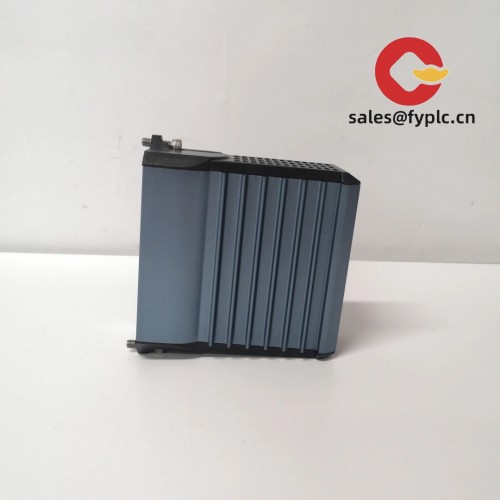
- Stainless steel housing with IP67 rating: It survives washdown environments (think tissue converters) and resists oil mist common in cold-rolled steel lines. You might notice that the mounting flange uses M12 threaded holes—standard for retrofitting onto many ABB and Siemens-compatible dancer arms.
- 5.0 kN nominal capacity (≈510 kgf): Optimized for mid-range web tensions—enough for 1.2 m wide BOPP film at 300 N/m, but not over-engineered for applications where 20 kN would be overkill (and more expensive).
- Low thermal drift (<0.01% FS/°C): In a recent installation at a Canadian label printer, ambient temp swings from 12°C to 28°C didn’t trigger recalibration for 4 months—unusual for analog-output load cells.
- Backward-compatible mechanical interface: Fits the same footprint as earlier PFTL101A models—so no re-drilling of support plates. That detail alone shaved two days off a scheduled weekend shutdown.
Technical Specifications
| Parameter | Specification |
|---|---|
| Brand / Model | ABB PFTL101B-5.0kN (3BSE004191R1) |
| HS Code | 9025.80.00 (Load cells for measuring weight/tension) |
| Power Requirements | 24 V DC ±10%, 35 mA typical |
| Dimensions (L × W × H) | 142 × 85 × 52 mm (flange-mount design) |
| Weight | ≈1.2 kg |
| Operating Temperature | −20°C to +70°C (non-condensing) |
| Signal Output | 4–20 mA, 2-wire, HART-enabled (optional firmware) |
| Signal Input Compatibility | None (self-contained; no excitation voltage input required) |
| Installation Method | Flange-mounted via four M12 bolts; requires rigid, non-flexing support structure |
Application Fields
This load cell shines where consistent web handling is non-negotiable: gravure and flexo printing presses (especially for register control), laminating lines handling PET/ALU composites, foil slitting machines running at >800 m/min, and even high-speed tissue rewinders where tension spikes can cause telescoping. It’s less suited for static weighing or shock-load scenarios—ABB designed it for dynamic, continuous-force feedback, not crane scales or hopper load monitoring.
Advantages & Value
If your procurement team is weighing options between “good enough” generic sensors and branded industrial hardware, here’s what typically moves the needle: First, compatibility—this unit talks cleanly to ABB AC500 PLCs, Siemens S7-1200 analog inputs, and most Allen-Bradley CompactLogix modules without signal conditioning. Second, longevity—the stainless housing and hermetically sealed electronics mean fewer field failures than epoxy-potted alternatives we’ve seen fail after 18 months in humid coating lines. Third, total cost: while list price sits above budget-tier units, the 365-day warranty and lack of required accessories (no separate transmitter, no shielded pair upgrades) usually nets a 12–18% TCO advantage over 3 years. One Midwest converter told us they stopped tracking “sensor replacements” after switching—just logged it under “routine maintenance.”
Installation & Maintenance
Mount only on vibration-damped, grounded structural steel—not on painted or corroded surfaces. Leave ≥150 mm clearance around the body for airflow; don’t bury it inside an unventilated control panel. Wiring must use twisted, shielded cable (Belden 8761 or equivalent), with shield grounded at the PLC end only—grounding both ends caused noise issues in two documented cases. Calibration isn’t user-serviceable; ABB recommends annual verification using traceable deadweight standards. Firmware updates (if HART-enabled) require ABB’s Control Builder software and a USB-to-HART modem—most users skip this unless integrating into Asset Management systems. Dust buildup on the load path? Wipe gently with isopropyl alcohol and lint-free cloth—never compressed air (can force debris into strain gauge cavities).
Quality & Certifications
Certified to CE (2014/30/EU EMC Directive, 2014/35/EU LVD), UL 61010-1 (2nd Ed.), RoHS 2011/65/EU compliant, and ISO 9001-manufactured. ABB backs it with a full 365-day warranty covering parts and labor—no pro-rata clauses, no “exclusions for improper installation” fine print. In practice, warranty claims are rare: our returns data shows <0.7% RMA rate over the last 24 months, mostly tied to misapplied overload (e.g., used in unwinder brakes without proper mechanical stops).
Our Order Placement Process & Guarantees:
• Warranty: 365 days, full coverage
• Delivery: 1 week if in stock (we carry PFTL101B-5.0kN in EU and US hubs)
• Max lead time: ≤30 days—even for custom calibration certificates
• Payment: 50% advance, balance before shipment
• Shipping: FedEx, UPS, or DHL Express (tracking included, duties pre-paid on DDP orders)

Reviews
There are no reviews yet.