
Description
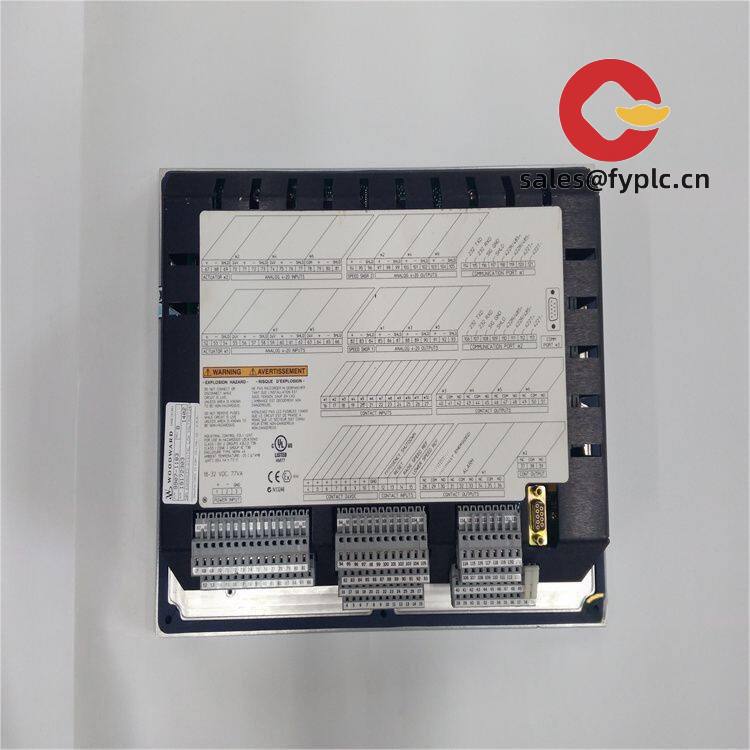
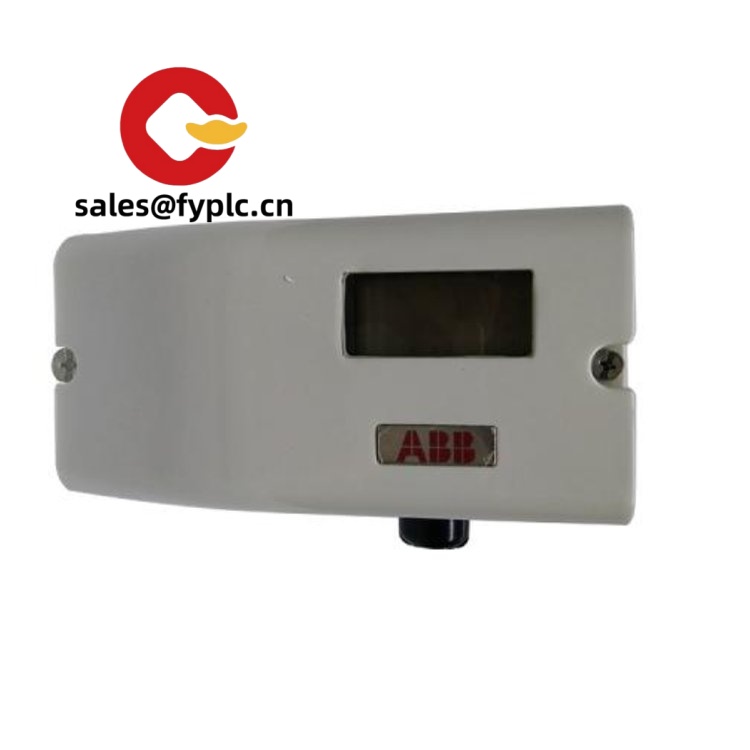
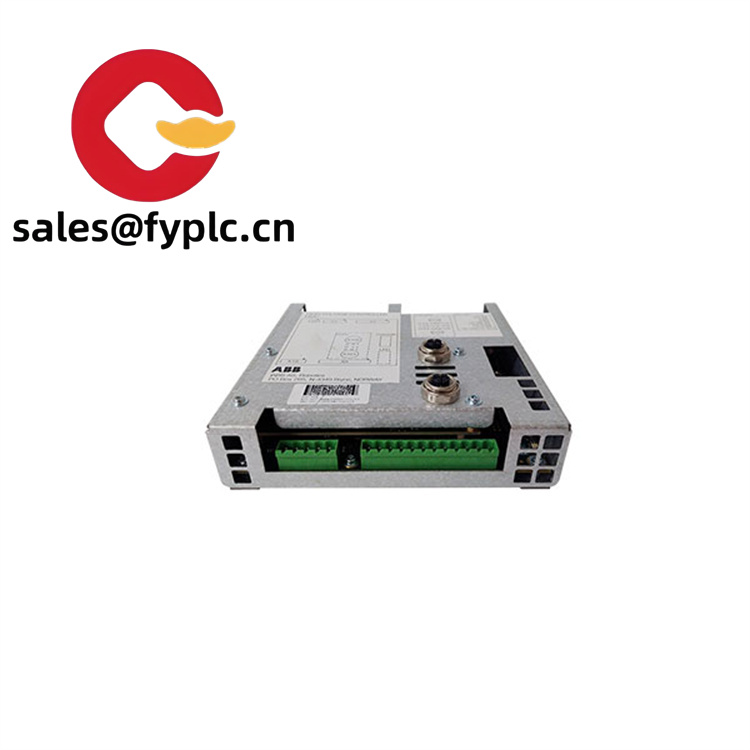
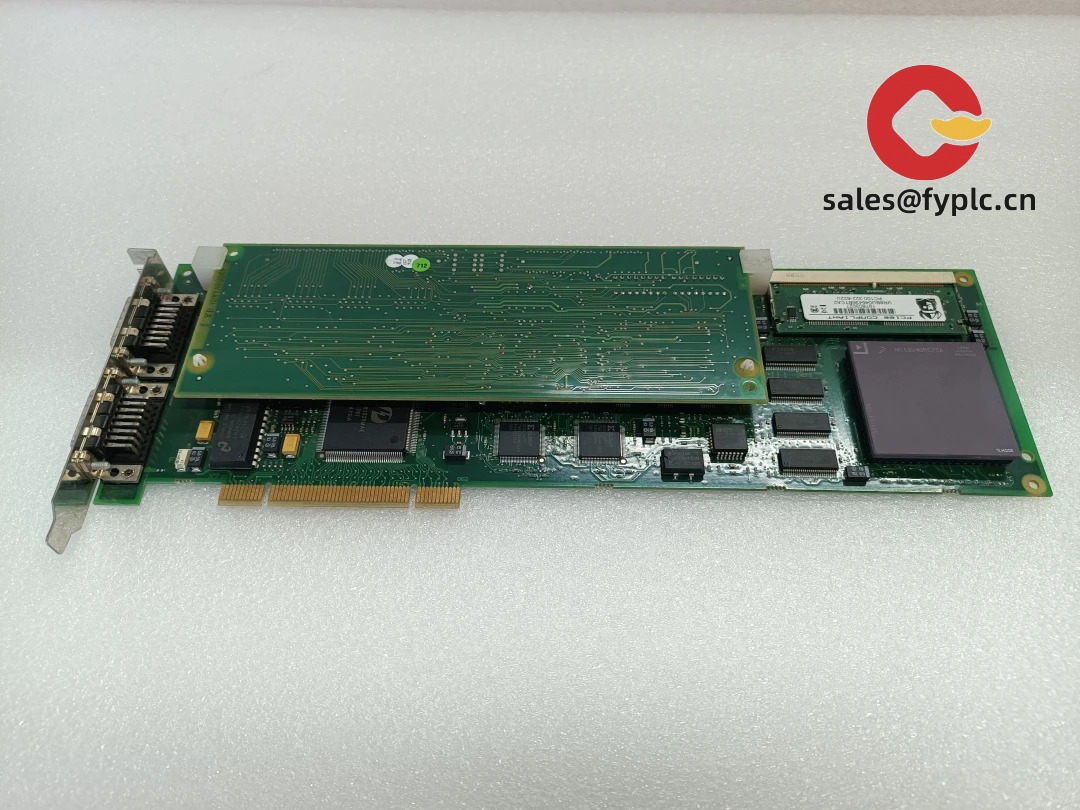
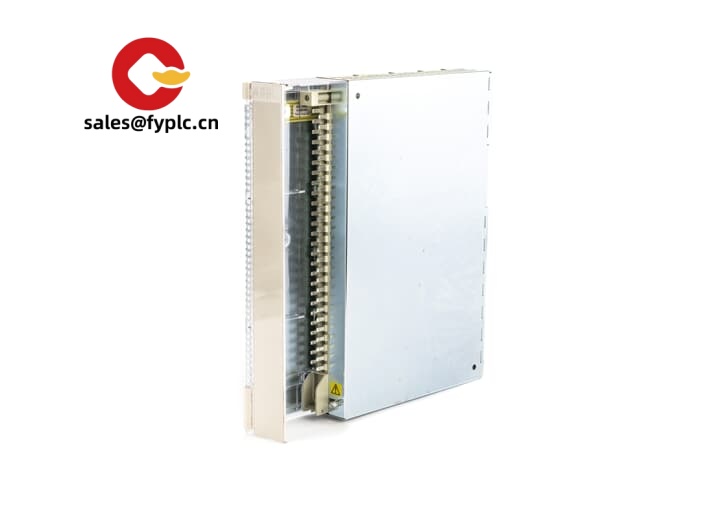
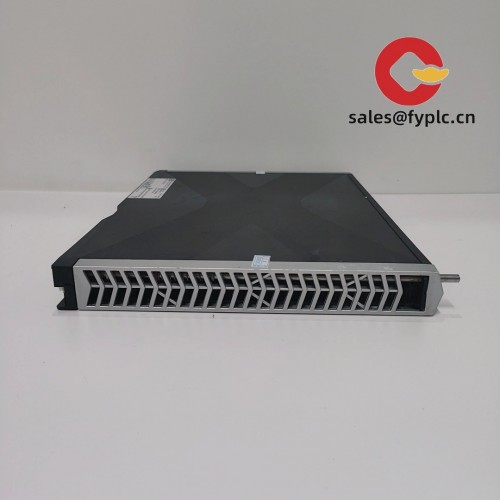
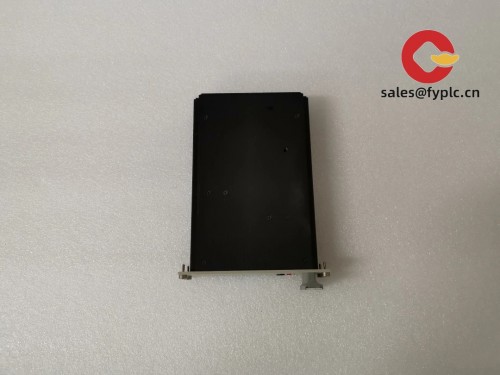
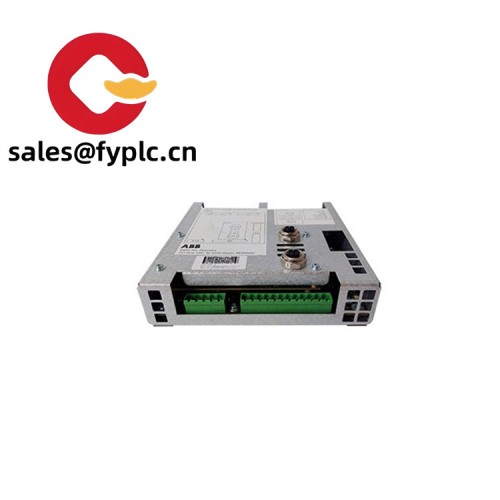
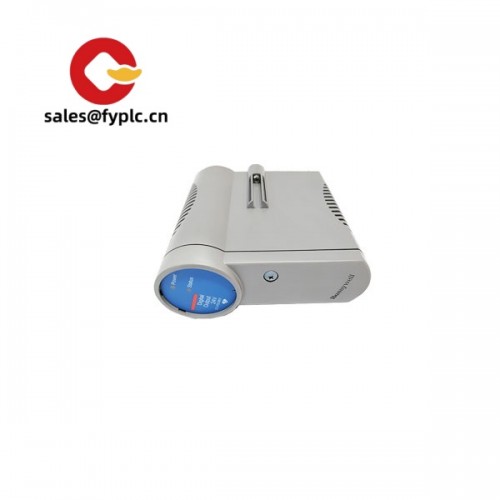
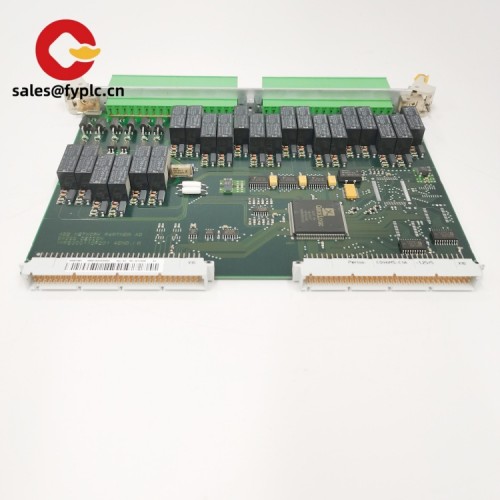
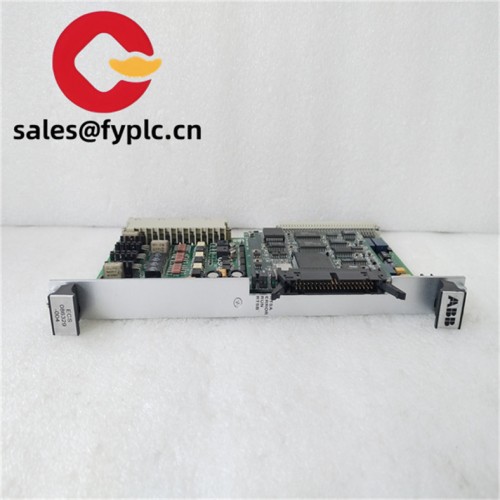
ABB PL810P (3BDH000311R0101): Your Process Automation Workhorse for Critical Control Loops
You know how frustrating it is when a controller hiccup shuts down your entire production line? From my experience troubleshooting chemical plants and refineries, the ABB PL810P module (3BDH000311R0101) solves that headache by handling process automation where milliseconds matter. One thing I appreciate is how it keeps running even during module swaps – no more scrambling during unplanned downtime because your safety interlocks stay active. A pharma client last month told me it survived three consecutive compressor overloads during validation without dropping a single I/O point.
Why Plant Engineers Keep This Module in Stock
- Hot-swap I/O capability – Replace faulty modules without killing your control loop. In most cases, this shaves 20+ minutes off recovery time during critical incidents.
- Integrated safety logic – Handles SIL 2-rated functions natively, so you’re not stacking extra hardware for emergency shutdowns.
- Modbus TCP + OPC UA out of the box – Talk to legacy HMIs or modern cloud platforms without protocol converters eating your budget.
- Redundant power inputs – Keeps running through brownouts that would crash cheaper controllers. Seems to be the reason it’s popular in Middle Eastern desalination plants.
Technical Specs at a Glance
| Parameter | Details |
|---|---|
| Brand/Model | ABB PL810P (3BDH000311R0101) |
| HS Code | 8537.10.9000 (Programmable controllers) |
| Power Requirements | 24V DC (19.2–30V range), 1.2A max – redundant inputs recommended |
| Dimensions & Weight | 120 x 100 x 70mm / 0.45kg – fits standard 19″ cabinets |
| Operating Temperature | -20°C to +60°C (derate above 50°C) |
| Signal I/O | 8-channel analog (4-20mA/0-10V), 16 digital inputs |
| Communication | Dual Ethernet (Modbus TCP, OPC UA), RS-485 for legacy field devices |
| Installation | DIN-rail mounted (IEC 60715), requires 75mm clearance above/below |
Where It Earns Its Keep
You’ll typically find this module in the control rooms of places where failure isn’t an option – offshore oil platforms managing flare stacks, water treatment plants dosing coagulants, or bioreactor suites in vaccine manufacturing. One wastewater plant in Rotterdam uses it to maintain precise pH control during tidal surges; they told me their old system would drift by 0.8 pH units during pump startups, but the PL810P holds within 0.1. It’s not for simple conveyor lines – this is for processes where a 5-second glitch costs five figures per minute.
Your Procurement Team Will Thank You
Look, I get it – your CFO cares about TCO more than technical specs. Here’s the real talk: This module’s firmware updates over Ethernet save about $2k per year in service calls versus controllers needing physical programmers. Compatibility with ABB’s System 800xA means you’re not locked into proprietary cables (those markup fees add up). And with a 365-day warranty? One refinery procurement manager admitted they keep two spares on shelf because the lead time for replacements is brutal elsewhere – but we ship in-stock units via FedEx/UPS/DHL within a week. Full payment on delivery, 50% upfront. No nasty surprises.
Installation & Care Tips from the Field
Don’t cram this into a cramped cabinet – leave that 75mm airflow space or you’ll fight thermal throttling in summer. I’ve seen guys mount it next to VFDs and wonder why they get signal noise; keep 30cm separation from drives. For maintenance? Calibrate analog inputs quarterly using ABB’s PCM600 software (free download), wipe vents with a dry brush monthly, and schedule firmware updates during planned shutdowns – it takes 8 minutes versus the 45 minutes older models needed. One caveat: The RS-485 port needs proper termination resistors; skip that and you’ll lose comms during lightning season.
Built to Survive Your Toughest Days
Carries CE, UL 61010-1, and IEC 61508 SIL 2 certifications – no paperwork nightmares at customs. RoHS compliant since 2020 revisions. The 365-day warranty covers field failures (not lightning strikes or coolant spills, obviously). In my experience, these modules often outlive their design cycle; that same pharma client I mentioned? They’re still running units from 2018 with only routine firmware patches. Just don’t forget to check the backup battery every 18 months – it’s the one part that actually wears out.

Reviews
There are no reviews yet.