
Description
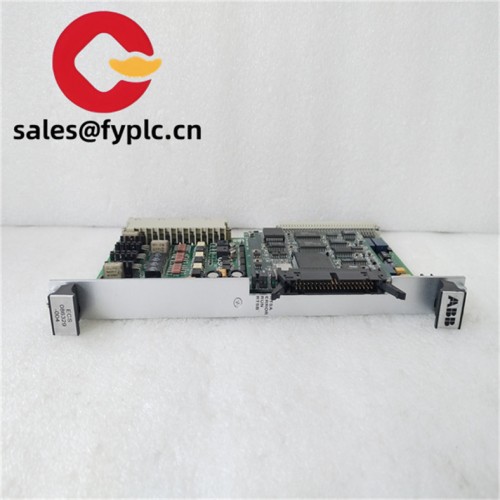
ABB PM632 – Precision Power Monitoring for Industrial Automation Systems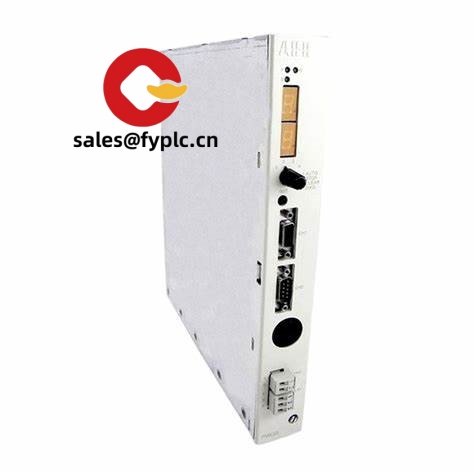
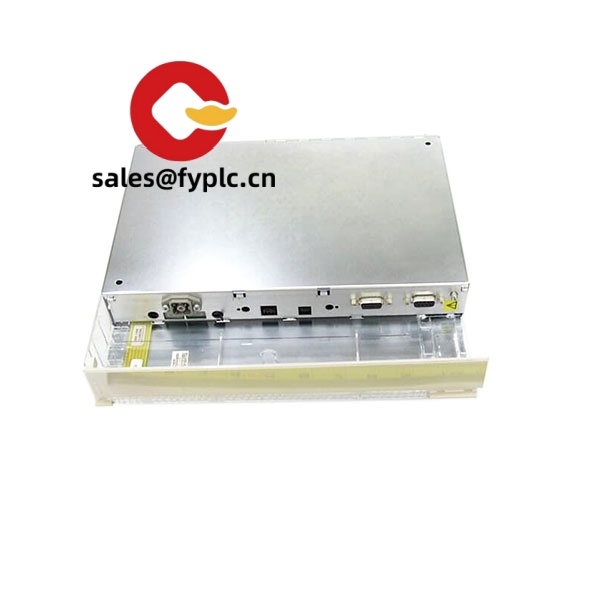
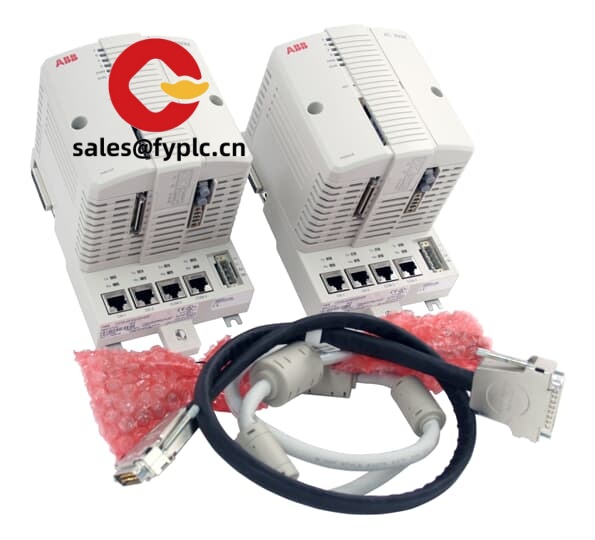
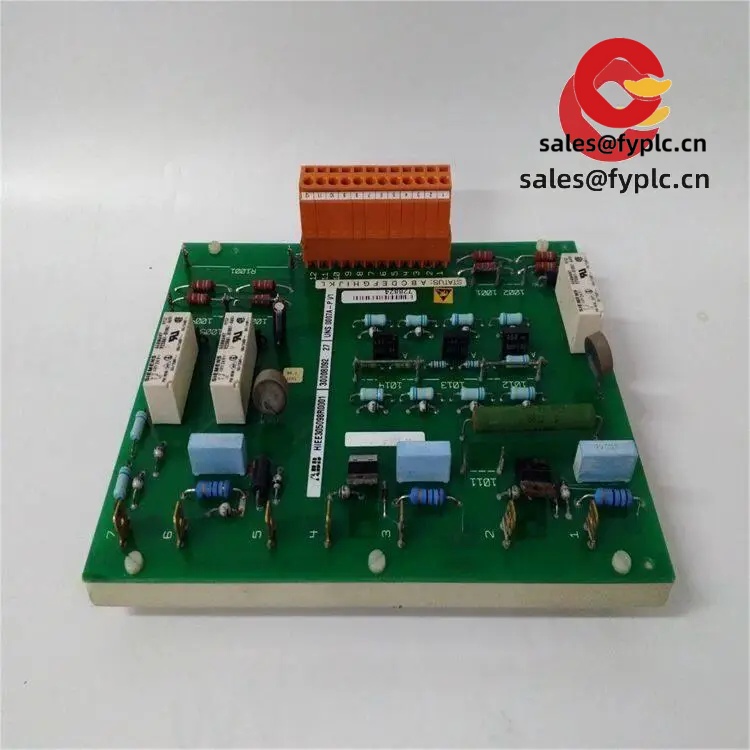
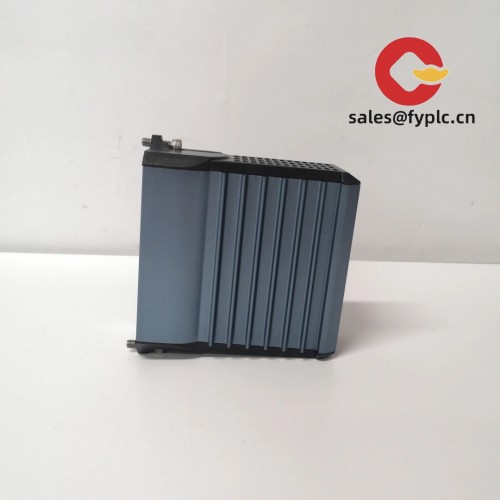
The ABB PM632 is a compact yet robust power meter designed for real-time energy monitoring in industrial control panels and automation setups. From my experience, it’s typically found in mid-tier SCADA integrations where accurate voltage, current, and power factor tracking matter—especially in facilities aiming to optimize energy usage without overspending on high-end analytics.
Key Features
- Three-phase power measurement: Tracks voltage, current, frequency, active/reactive power, and energy consumption with ±0.5% accuracy—useful for billing-grade submetering in shared industrial spaces.
- Modbus RTU interface: Enables seamless integration with PLCs and building management systems over RS-485, which seems to be the standard in most retrofit projects I’ve seen.
- DIN rail mounting: Saves panel space and simplifies installation in crowded cabinets—especially when deployed alongside other ABB protection relays or motor controllers.
- LED status indicators: One thing I appreciate is the clear visual feedback for communication activity and power-on state, which helps during commissioning and troubleshooting.
- Wide auxiliary power range: Operates on 24–230 V AC/DC, making it compatible with both older DC control systems and modern AC-powered installations.
Technical Specifications
| Brand / Model | ABB / PM632 |
| HS Code | 9030.89.6040 |
| Power Requirements | 24–230 V AC/DC ±10% |
| Dimensions & Weight | 100 mm (H) × 70 mm (W) × 65 mm (D), ~320 g |
| Operating Temperature | -25°C to +60°C |
| Signal Input/Output Types | Voltage (100–415 V), Current (via external CTs), Pulse output (S0) |
| Communication Interfaces | RS-485 (Modbus RTU) |
| Installation Method | Top-hat DIN rail (EN 60715 TH35) |
Application Fields
The PM632 shows up often in manufacturing plants, water treatment stations, and commercial HVAC systems where granular energy data supports cost allocation or efficiency audits. In many cases, it’s used as a secondary meter downstream of main breakers to monitor individual production lines or large motors. It doesn’t replace full energy analyzers, but it delivers reliable readings for trend logging and basic diagnostics.
Advantages & Value
Procurement teams tend to favor this model because it balances performance and price. If you’re standardizing on ABB controls, compatibility across wiring, documentation, and configuration tools reduces training time. You might notice that firmware updates are handled through simple service tools rather than cloud platforms—this can be a plus in air-gapped environments. Also, sourcing spares is usually fast since it’s still actively supported—not one of those legacy items hanging on by a thread.
Installation & Maintenance
Install in a climate-controlled cabinet meeting IP54 or better—avoid direct exposure to dust or moisture. Ensure proper ventilation around the unit, especially if operating near the upper temperature limit. Wiring should follow standard industrial practices: twisted pair for RS-485, shielded cables grounded at one end. For maintenance, check terminal tightness annually and verify calibration every 2–3 years depending on criticality. No routine cleaning needed beyond standard panel vacuuming.
Quality & Certifications
Certified to CE, UL Class I Div 2 (when installed per guidelines), and RoHS compliant. Built under ISO 9001 quality standards. Comes with a 365-day warranty—typical for ABB’s current lineup. Repairs or replacements are processed quickly through authorized channels, assuming original purchase verification.
Order Placement & Guarantees
- Delivery time: 1 week for in-stock units; no more than one month if backordered.
- Payment method: 50% advance payment, balance before shipment.
- Express delivery: FedEx, UPS, or DHL—tracking provided upon dispatch.

Reviews
There are no reviews yet.