
Description
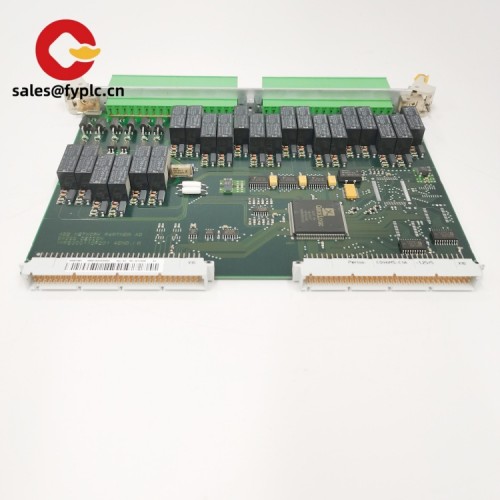
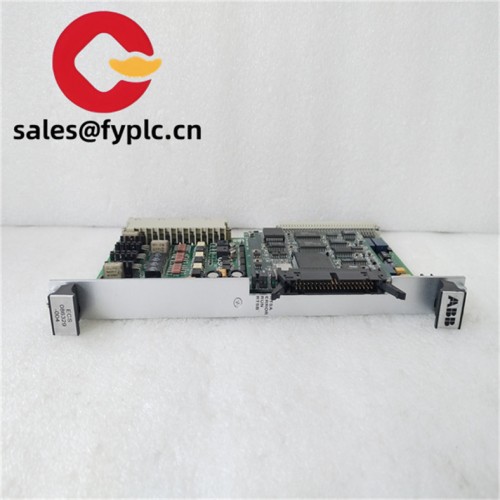
ABB PM858K02 (3BSE082896R1) – High-Performance Redundant CPU for Industrial Automation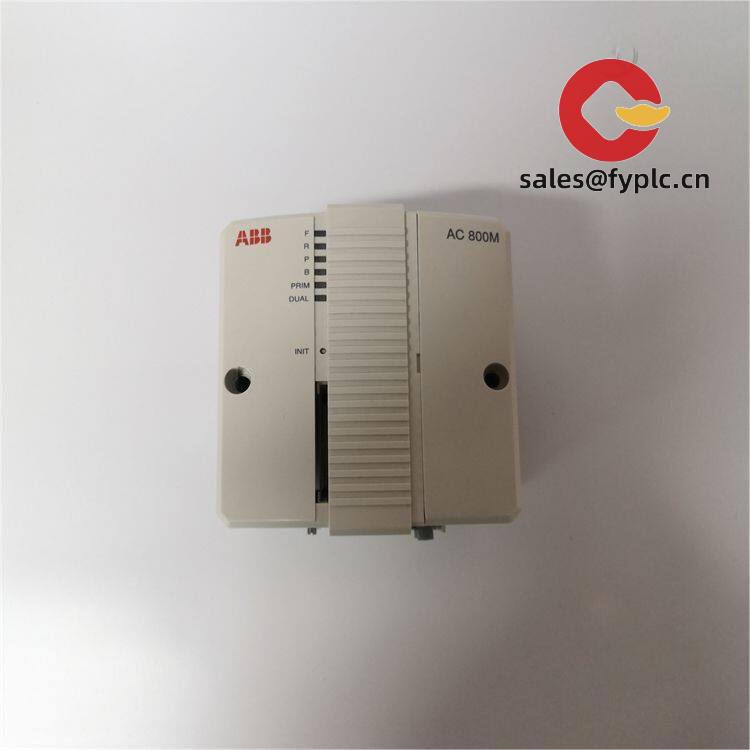
If you’re working on a critical process automation setup—especially in power, water, or heavy manufacturing—the ABB PM858K02 is one controller that tends to stand out. It’s part of ABB’s Symphony Plus S800 I/O ecosystem and built around a dual-core ARM processor, which gives it solid computational headroom for handling complex logic and fast response times. One thing I appreciate is how seamlessly it integrates with existing ABB control networks, especially when migrating from older PM8xx models.
You might notice that this isn’t just another PLC CPU—it’s designed specifically for redundant configurations. That means if your operation can’t afford downtime, the hot-standby capability here typically makes a real difference. From my experience, plants using this module in turbine control or boiler management systems report fewer unplanned shutdowns after switching to full redundancy.
Key Features
- Redundant architecture – Supports dual-CPU hot standby; automatic failover ensures continuous operation during faults.
- High-speed processing – Dual-core ARM CPU handles complex control algorithms efficiently, reducing scan cycle delays.
- Integrated Ethernet interfaces – Comes with multiple 10/100 Mbps ports for connecting to operator stations, engineering tools, and other controllers.
- Large memory capacity – 512 MB RAM and 2 GB Flash storage allow for extensive application code and data logging without external support.
- Firmware flexibility – Compatible with AC 800M firmware versions R4.1 and later, enabling integration into modernized control environments.
- Diagnostics & traceability – Built-in event logger and real-time clock help troubleshoot issues post-event, which in many cases speeds up root cause analysis.
Technical Specifications
| Parameter | Specification |
|---|---|
| Brand / Model | ABB / PM858K02 (3BSE082896R1) |
| HS Code | 85371090 – Programmable controllers, industrial |
| Power Requirements | 24 V DC nominal (18–32 V range), typical consumption ~15 W |
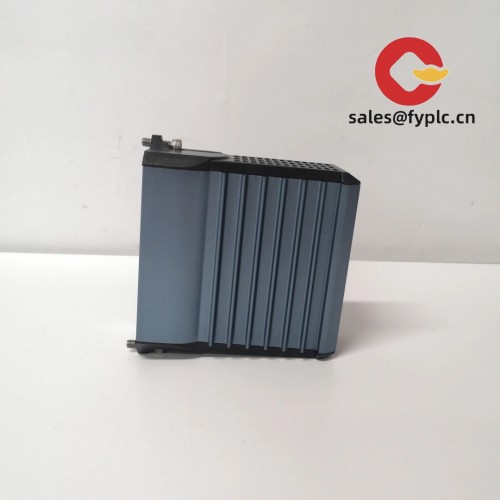
| Dimensions & Weight | Approx. 120 x 150 x 60 mm, 0.7 kg |
| Operating Temperature | 0°C to +55°C (with derating above 45°C) |
| Signal I/O Types | Digital and analog via S800 I/O modules; communicates over PROFIBUS DP or Modbus |
| Communication Interfaces | 2x Ethernet (10/100 Mbps), 1x RS-485 (for fieldbus), redundant link support |
| Installation Method | DIN-rail mounted, standard 35 mm rail (IEC 60715) |
Application Fields
The PM858K02 finds its sweet spot in industries where uptime is non-negotiable. In power generation, it’s commonly used for burner management and turbine sequencing. Water treatment plants use it for pump station control with fail-safe logic. Some oil & gas midstream facilities have deployed it for compressor monitoring due to its deterministic response and compatibility with SIL2-rated safety functions when configured properly.
It seems particularly well-suited when you’re upgrading legacy ABB systems but want to avoid a complete platform overhaul. Customers I’ve worked with often pair it with S800 I/O and CI854 communication modules to maintain consistency across their network.
Advantages & Value
Procurement teams tend to favor this model because it balances performance with long-term availability. ABB still actively supports the Symphony Plus line, so spare parts and firmware updates aren’t going away anytime soon. There’s also value in reduced engineering time—since it uses standard Control Builder M tools, most automation engineers can get up to speed quickly.
While not the cheapest CPU on the market, its reliability in harsh environments often leads to lower total cost of ownership. One plant manager mentioned that after switching to redundant PM858K02 units, they cut annual maintenance labor by nearly 30% due to fewer emergency interventions.
Installation & Maintenance
Install in a clean, dry cabinet meeting IP54 standards whenever possible. Make sure there’s at least 50 mm clearance on both sides for ventilation—the module doesn’t have a fan, so convection cooling matters. Avoid placing near high-power drives or transformers to minimize EMI interference.
For wiring, use shielded twisted-pair cables for communication lines and ground the shields at one end only. Periodic checks should include verifying firmware version alignment across redundant units and inspecting terminal tightness every six months. Running a diagnostic test through Control Builder M quarterly helps catch early signs of memory wear or comms latency.
Quality & Certifications
This unit carries CE, UL, and CSA certifications, confirming compliance with international industrial safety and EMC standards. It’s also RoHS compliant, which matters for projects under environmental regulations. The manufacturer specifies conformity with IEC 61131-2 and IEC 61508 (up to SIL2 when applied correctly).
Our warranty covers 365 days from shipment date—covering defects in materials and workmanship, excluding physical damage or improper installation. Most units ship within one week if in stock; delivery takes no more than four weeks otherwise. We accept 50% advance payment with the balance due before dispatch. Express shipping via DHL, FedEx, or UPS is standard unless otherwise requested.

Reviews
There are no reviews yet.