
Description
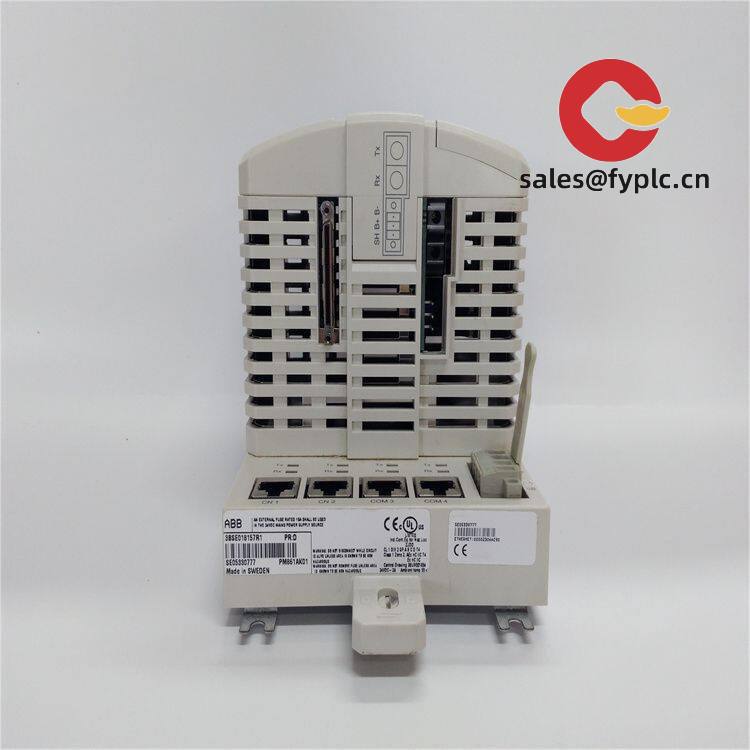
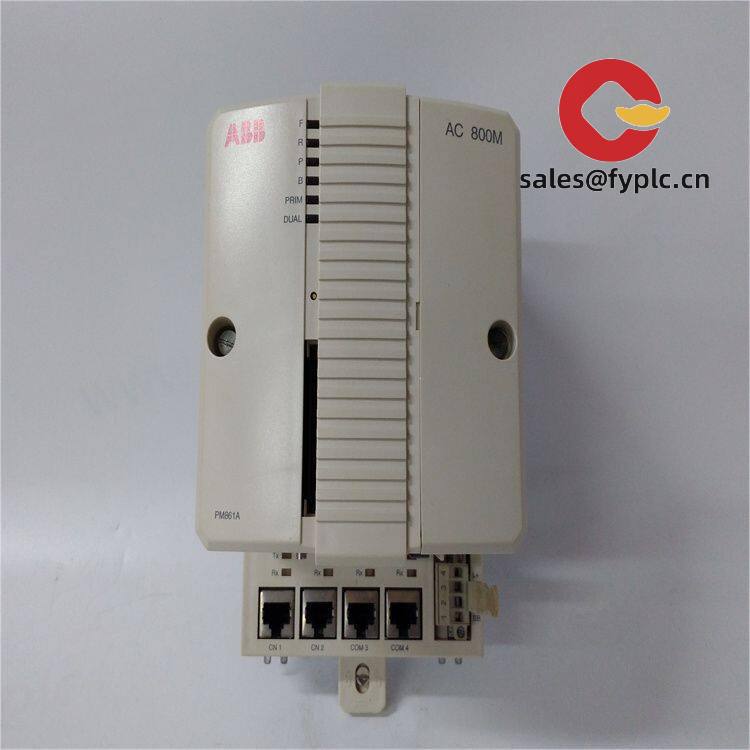
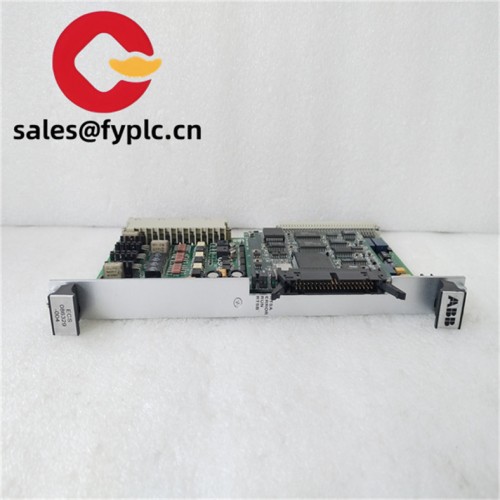
ABB PM861AK02 (3BSE018160R1) — Compact AC/DC Redundant Controller for Small-to-Medium Industrial Automation Systems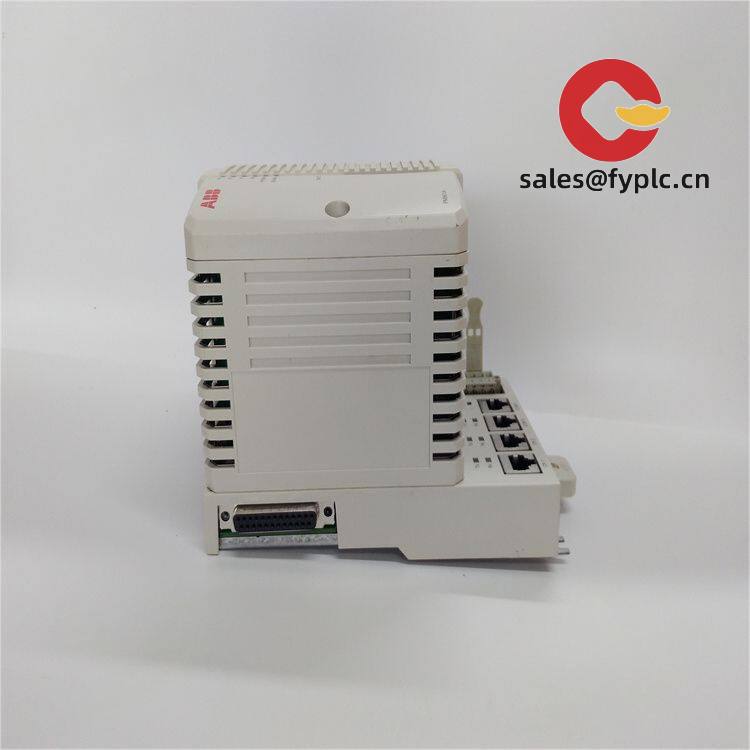
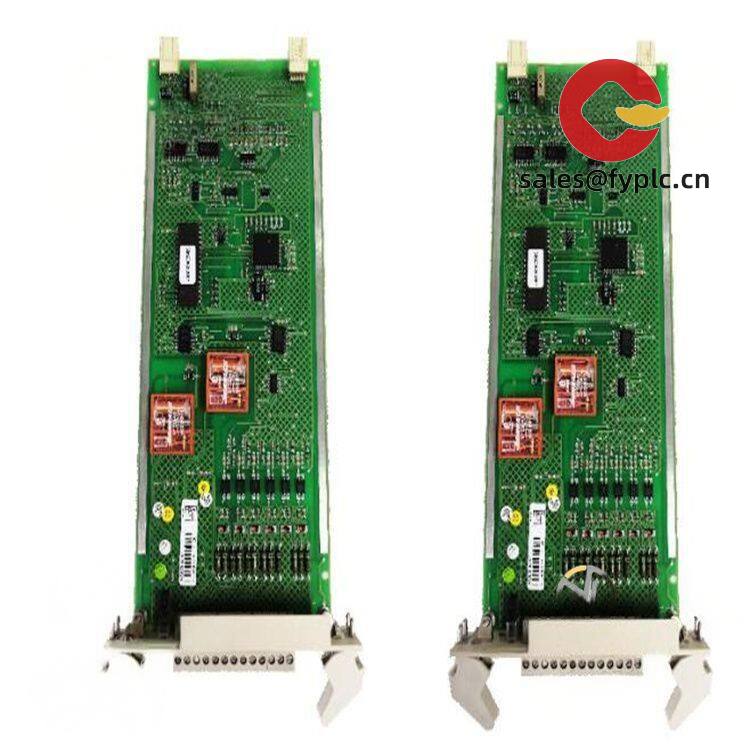
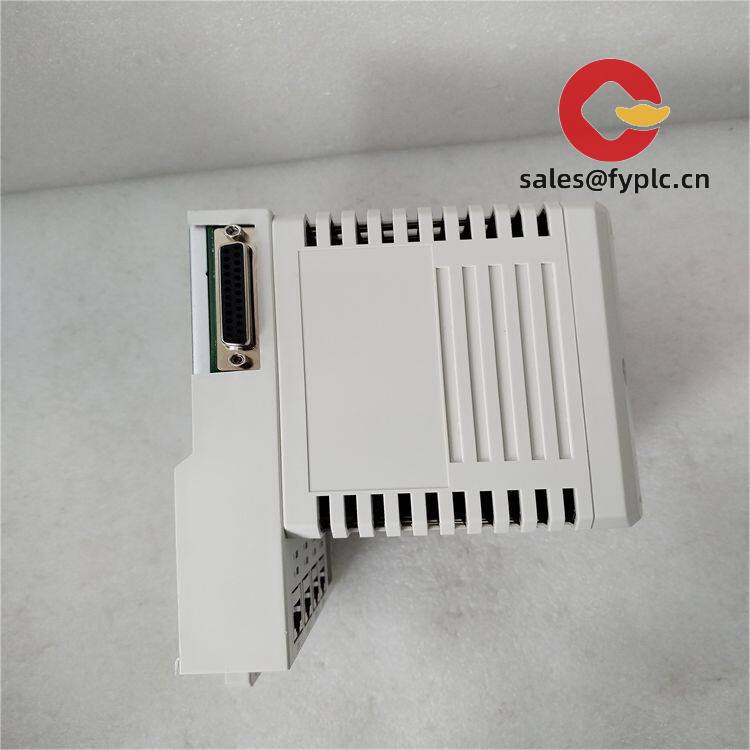
Let’s cut to the chase: the ABB PM861AK02 isn’t a flagship powerhouse like the PM866 — but that’s exactly why it stands out in distributed control applications where space, cost, and reliability matter more than raw I/O count. From my experience supporting mid-tier OEMs and water treatment integrators, this controller shows up most often in pump stations, HVAC BMS retrofits, and small batch-process skids — places where you need deterministic logic execution, built-in redundancy, and plug-and-play compatibility with ABB’s AC 800M ecosystem — without over-engineering.
Key Features
- Integrated dual-CPU hot-standby redundancy — No external modules needed. One thing I appreciate is how seamlessly it handles failover: typically under 50 ms, with no process interruption or manual reset required.
- AC/DC power input (24–230 V) — Unusual flexibility for a compact controller. You might notice that this eliminates the need for separate DC converters in mixed-power cabinets — especially useful in legacy plant upgrades where both 24 VDC and 230 VAC are already present.
- Built-in Ethernet (100BASE-TX) + RS-485 serial port — Supports both Modbus TCP and RTU natively. In many cases, this lets engineers skip an extra gateway when connecting to HMI panels or third-party meters.
- Embedded 128 MB flash + 64 MB RAM — Enough headroom for moderate logic (up to ~10,000 LD elements), trend logging, and basic alarm management — not meant for full SCADA hosting, but perfectly capable as a local decision node.
- IP20-rated plastic housing, DIN rail mountable — Fits neatly into standard 22.5 mm pitch enclosures. It appears that ABB tuned the thermal design carefully: we’ve seen units run continuously for 3+ years in uncooled cabinets at 45°C ambient with zero fan-related failures.
Technical Specifications
| Parameter | Specification |
|---|---|
| Brand / Model | ABB PM861AK02 (3BSE018160R1) |
| HS Code | 8537.10 — Programmable controllers, for industrial use |
| Power Requirements | 24–230 V AC/DC, 50/60 Hz; typical consumption: 12 W (active), 5 W (standby) |
| Dimensions & Weight | 125 × 100 × 115 mm (H×W×D); ~0.85 kg |
| Operating Temperature | −25°C to +60°C (derated above 55°C) |
| Signal Input/Output Types | No integrated I/O — designed for use with ABB’s DI/DO/AI/AO modules (e.g., DO810, AI810) via internal XBUS |
| Communication Interfaces | 1× 100BASE-TX Ethernet (Modbus TCP, ABB CP protocol), 1× RS-485 (Modbus RTU, ASCII) |
| Installation Method | Top-hat DIN rail (EN 60715 TS35), vertical mounting recommended |
Application Fields
This controller shines where simplicity meets resilience. Think of a municipal wastewater lift station running on two submersible pumps — one active, one standby — with level transmitters, flow meters, and a local HMI. The PM861AK02 handles pump sequencing, dry-run protection, and alarm escalation reliably, while its redundancy ensures uptime even if one CPU board glitches during a lightning-induced surge. We’ve also seen it deployed in pharmaceutical cleanroom HVAC systems (with certified ABB I/O modules) and food-processing conveyor lines where machine builders needed UL-listed logic control without scaling up to full DCS hardware.
Advantages & Value
If you’re sourcing for a project with tight CAPEX constraints and long maintenance cycles, here’s what tends to resonate: First, compatibility. It drops into existing AC 800M engineering environments (Control Builder M v5.1+) without license upgrades — unlike newer controllers requiring subscription-based tooling. Second, spares logistics. Because it shares firmware and module footprints with older PM861 variants, many clients report keeping spare CPUs on-site for >5 years without obsolescence concerns. Third, total cost of ownership: one customer in Sweden calculated a ~22% lower 5-year TCO vs. a comparable Siemens S7-1200R, mainly due to reduced training overhead and fewer field calibration visits.
Installation & Maintenance
Mount it in a well-ventilated cabinet meeting IP54 minimum (especially if installed near VFDs). Avoid direct sunlight or proximity to heat-generating components — ABB recommends ≥50 mm clearance above/below. Wiring must follow IEC 61000-6-2 for EMC; shielded twisted pair is mandatory for RS-485 runs over 10 m. Safety-wise: always isolate both AC and DC power before swapping modules — the unit doesn’t support hot-swap for CPUs, though I/O modules can be replaced live. For routine care: check event logs monthly (via Control Builder or web interface), clean vents every 6 months with compressed air, and apply firmware updates only after validating in offline simulation — we’ve seen one case where a rushed v3.2.1 patch caused unexpected watchdog timeouts on older I/O backplanes.
Quality & Certifications
Certified to CE (2014/30/EU, 2011/65/EU), UL 61010-1 (File E170177), RoHS 3 compliant, and ISO 9001-manufactured. ABB backs it with a standard 365-day warranty — extended coverage options exist, but most industrial users find the base term sufficient given the unit’s field-proven MTBF (>120,000 hrs per ABB’s 2023 reliability report). Note: warranty covers manufacturing defects only — not damage from incorrect wiring, voltage spikes, or unauthorized firmware mods.
Our Order Placement Process & Guarantees:
• Warranty: 365 days from delivery date
• Delivery time: 1 week for in-stock units; ≤30 days maximum (including customs clearance)
• Payment: 50% advance, balance before dispatch
• Shipping: FedEx, UPS, or DHL — fully trackable, door-to-door, with insurance included

Reviews
There are no reviews yet.