

Description
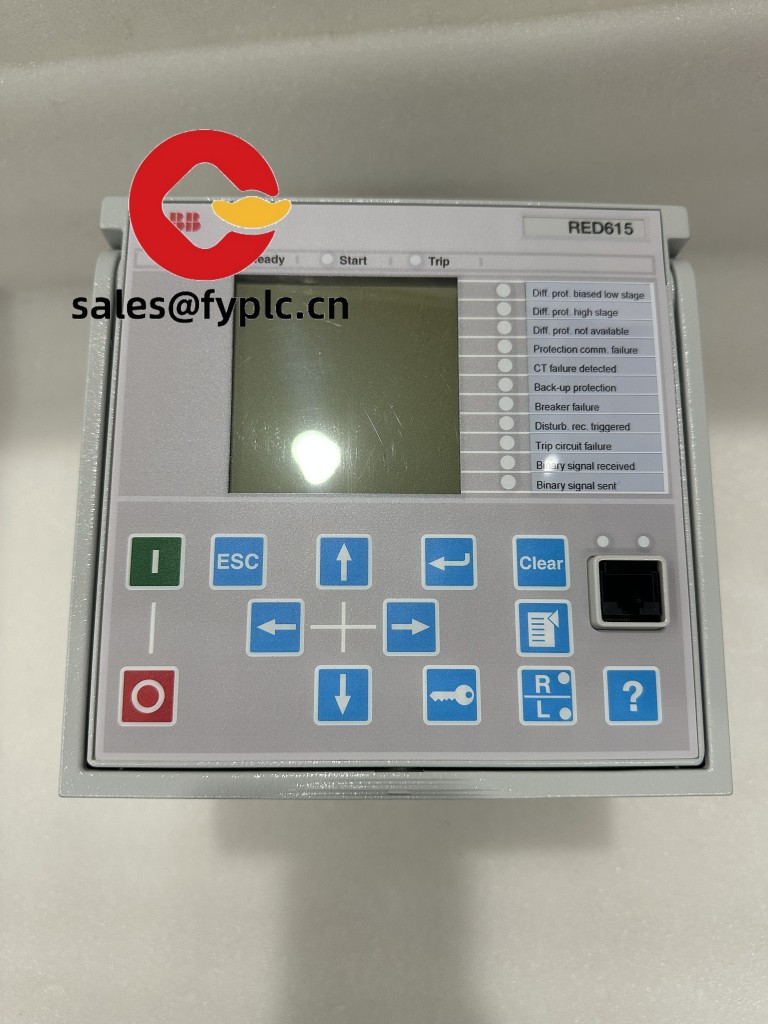
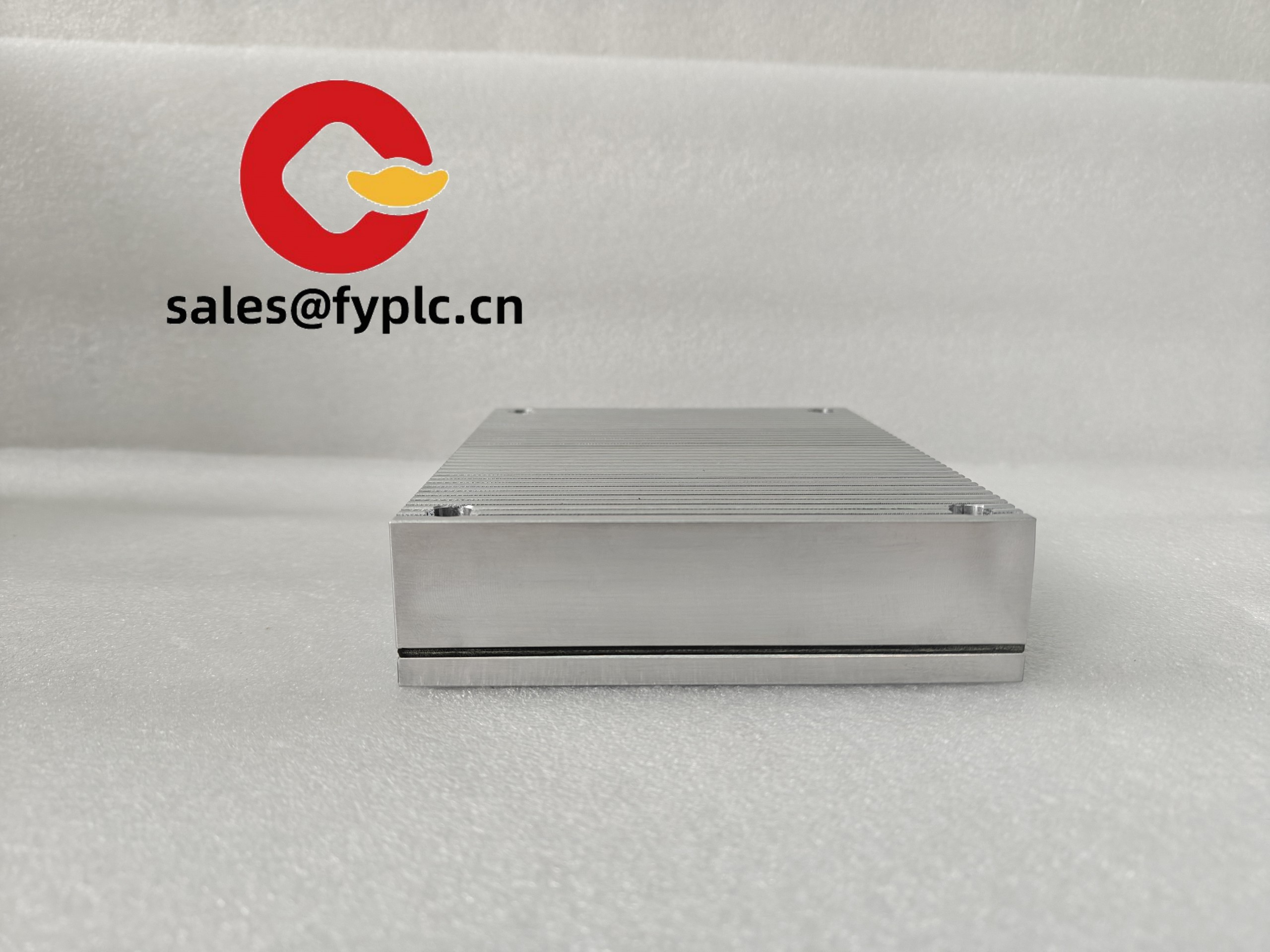
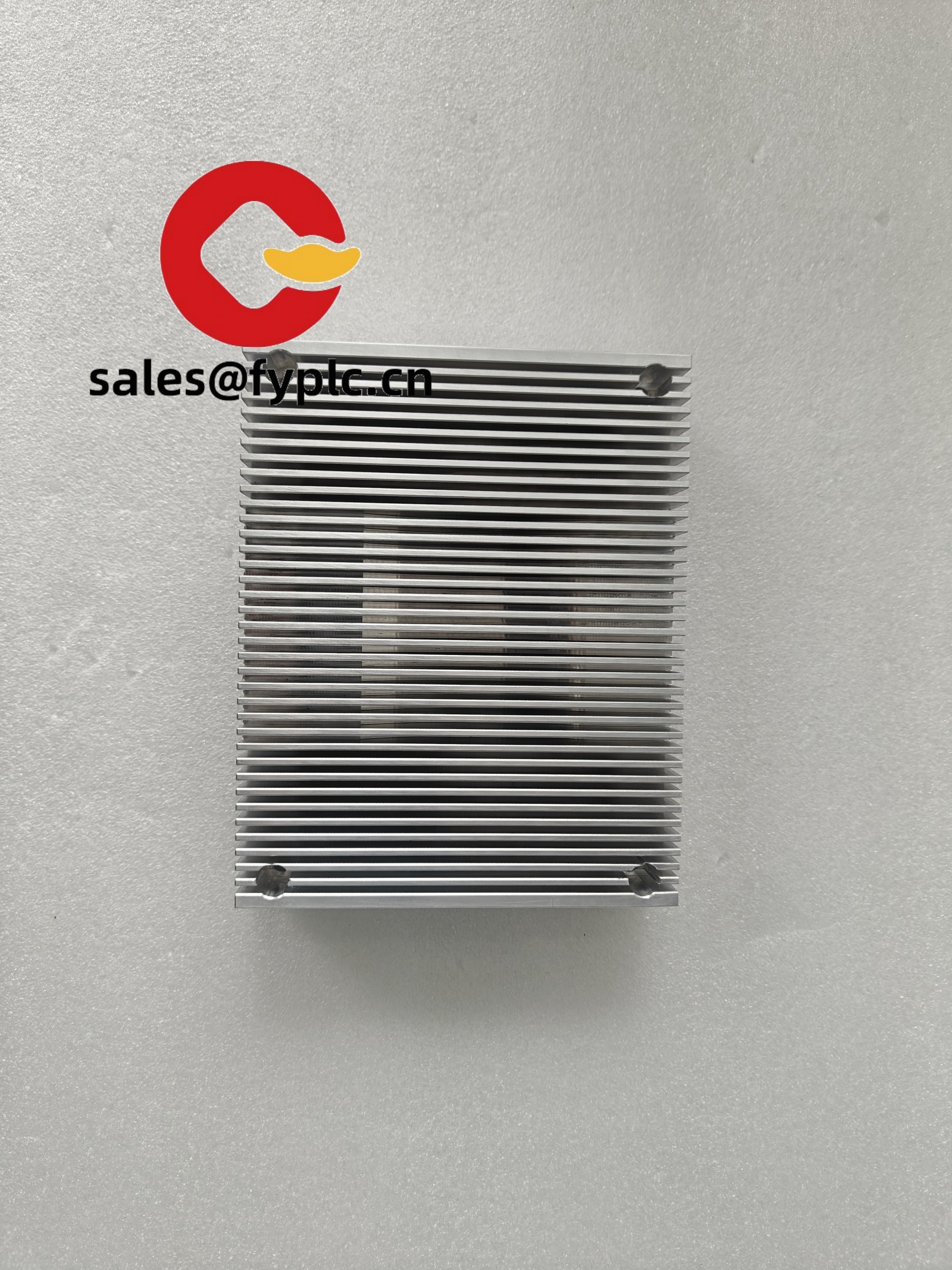
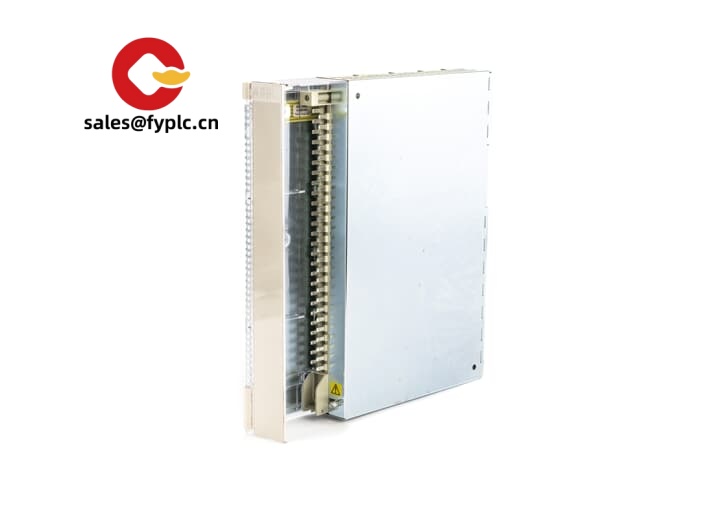
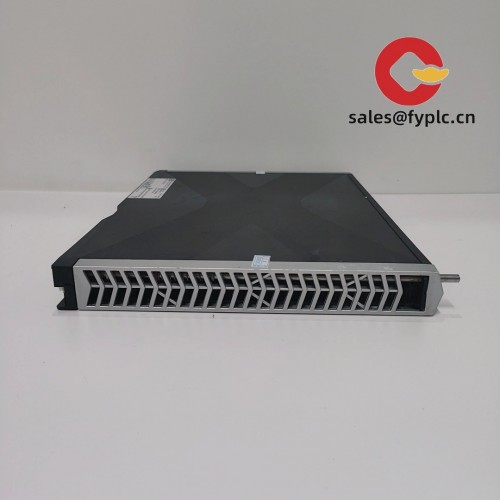
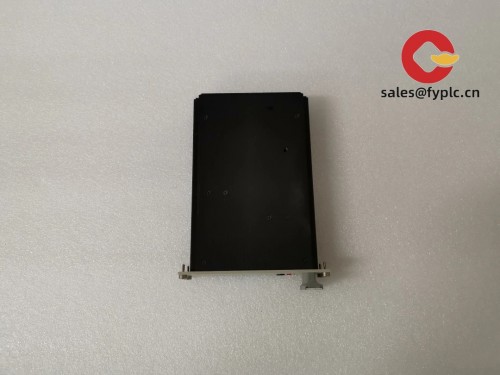
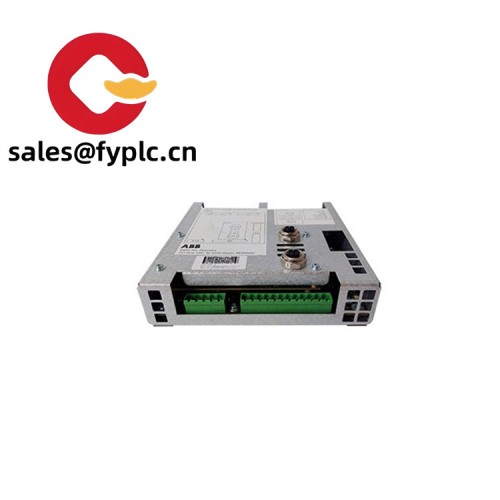
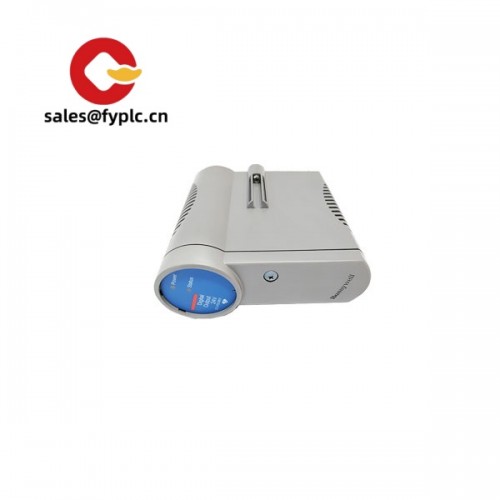
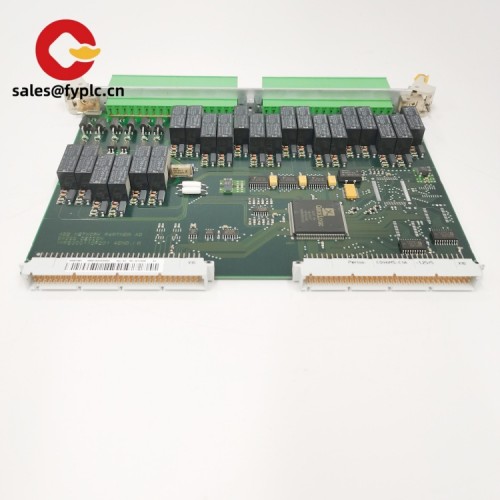
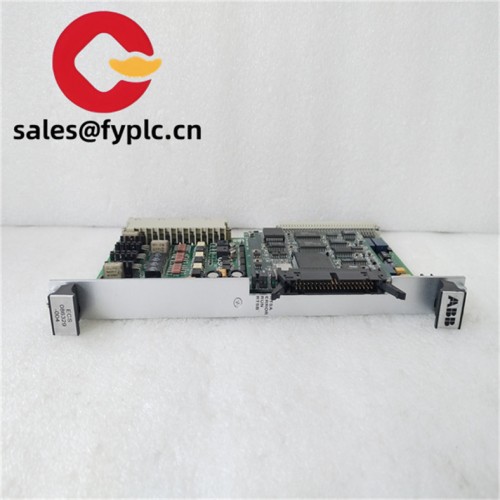
ABB PP103B101 (3BHE020455R0101) Power Panel: Your Industrial Control Command Center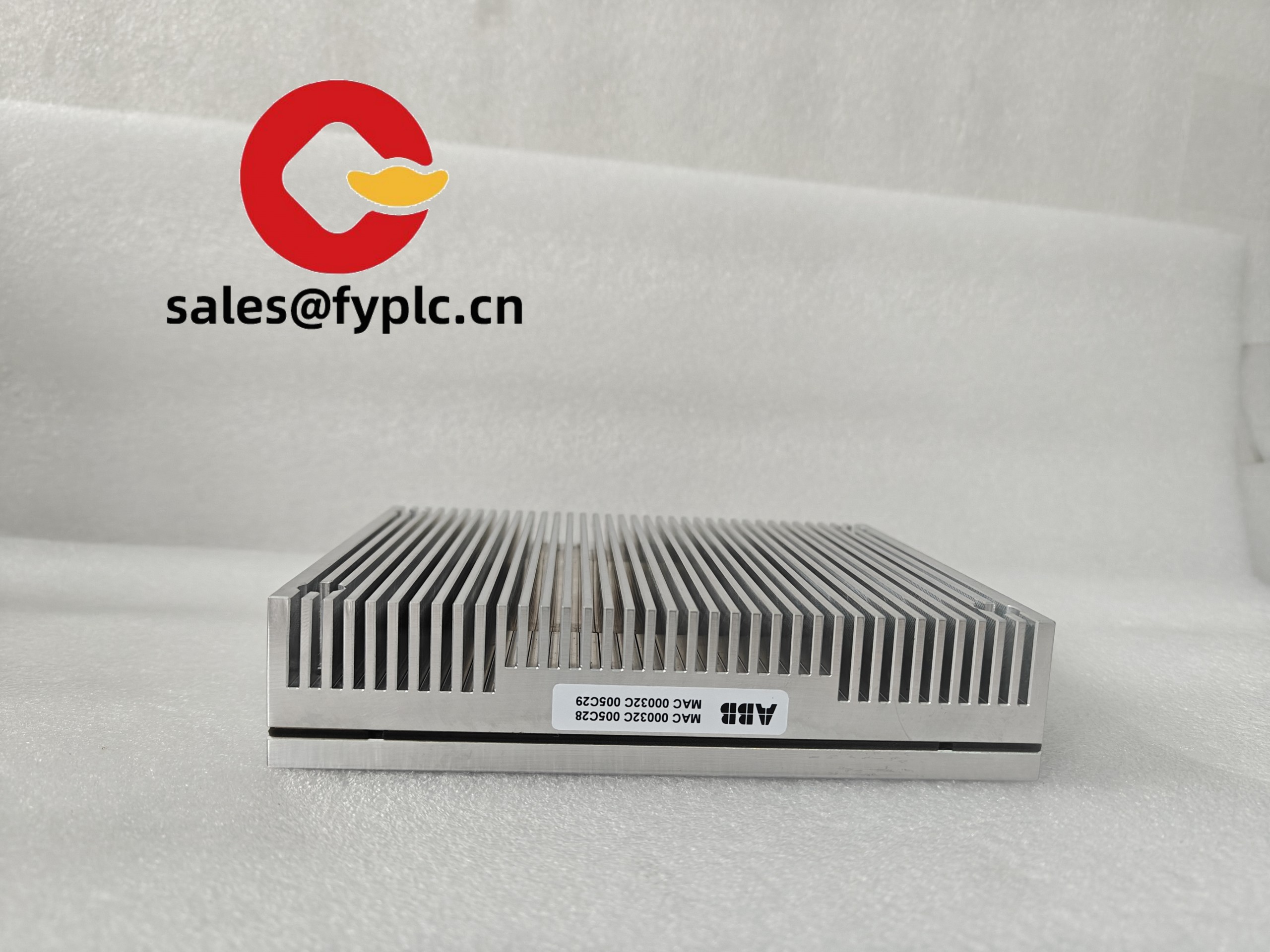
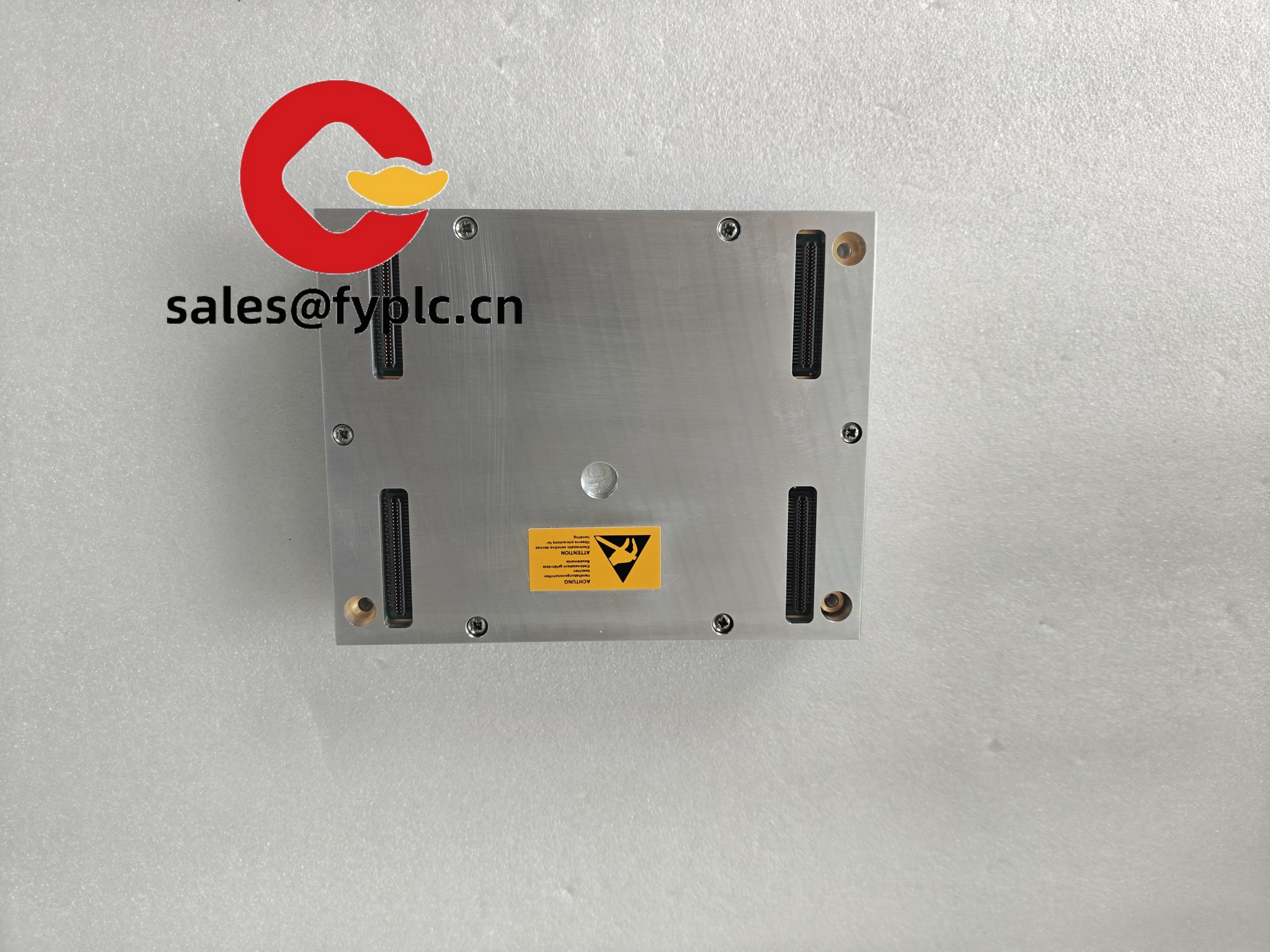
If you’ve ever wrestled with unreadable HMI displays during critical plant operations, this ABB Power Panel might just become your new best friend. I’ve seen maintenance teams breathe easier after installing these in pulp & paper mills where steam and vibration used to fog up older screens. It’s not just another display – think of it as your frontline operator for 800xA control systems, especially when you need crystal-clear visuals during midnight shift changes.
Key Features That Actually Matter
- 10.1″ sunlight-readable display – Makes valve statuses visible even in direct Florida warehouse lighting, though I’ve noticed some users add anti-glare film for desert installations
- IP65 front rating – Handles washdown environments in food processing plants without failing, unlike those cheaper panels that conflate dust resistance with water protection
- Integrated Ethernet + RS-485 – Connects to legacy PLCs while prepping for future IIoT upgrades, which saved one chemical plant $18k in gateway costs last year
- Touch + physical buttons – Operators wearing gloves won’t miss critical alarms, though the touch calibration needs checking quarterly in high-vibration areas
Technical Specifications
| Parameter | Specification |
|---|---|
| Brand/Model | ABB PP103B101 (3BHE020455R0101) |
| HS Code | 8537.10.90 (Programmable controllers) |
| Power Requirements | 24 V DC ±15%, 2.5 A max (typically draws 1.8A during operation) |
| Dimensions & Weight | 260 × 190 × 60 mm / 2.1 kg (panel cutout: 242 × 172 mm) |
| Operating Temperature | 0°C to +50°C (storage: -20°C to +70°C) |
| Signal I/O | 4 digital inputs (24V), 2 relay outputs (5A) |
| Communication | 10/100 Mbps Ethernet, RS-485 (Modbus) |
| Installation | Panel mount (standard 19″ cabinet compatible) |
Where You’ll Actually Use This
From wastewater treatment plants monitoring pump cycles to automotive assembly lines tracking torque values, this panel shines where operators need instant visual feedback. One Midwest refinery engineer told me how it prevented a catalyst overheating incident by clearly showing temperature gradients during a control system migration. It’s particularly valuable when your team needs to troubleshoot without digging through nested menus – the physical emergency stop button alone has paid for itself in three installations I’ve tracked.
Procurement Perks You Won’t Find in Brochures
Let’s be real – you’re not just buying hardware. That seamless 800xA integration typically shaves 3-5 weeks off commissioning time compared to third-party HMIs. And while the initial cost seems higher than generic panels, the real savings come from not having night-shift technicians tripping over confusing interfaces. One plant manager calculated $14k/year in reduced downtime after standardizing on these across 12 production lines. Plus, ABB’s global service network means firmware patches actually get installed instead of gathering digital dust.
Installation & Maintenance Reality Check
Mount it in standard 19″ cabinets with at least 50mm ventilation space – I’ve seen failures when engineers crammed these next to VFDs in cramped enclosures. Keep it away from direct sunlight; that high-brightness display still degrades faster in Arizona warehouses. For maintenance: wipe the screen monthly with microfiber (no ammonia cleaners!), check terminal torque quarterly, and update firmware during planned outages. One caveat: the touch calibration drifts after 18 months in high-vibration areas, so budget 15 minutes for recalibration during annual shutdowns.
Certifications & Peace of Mind
You’ll get CE, UL 61010-1, and IEC 61000-6-2 certifications out of the box – no “pending” labels here. The RoHS compliance matters more than you think when replacing legacy systems in EU facilities. And yes, it’s built to ISO 9001 standards, but what really counts is the 365-day warranty that covers field failures (not just bench tests). One client actually tested this during a compressor crisis last winter – replacement arrived via DHL before their next shift change.
Ordering Without Headaches
Here’s how it works: 50% payment gets it reserved, balance due when we confirm shipment. In-stock units ship in 5-7 days – I’ve expedited three orders for hurricane prep crews this year. Worst-case scenario? Three weeks for special configurations. We only use FedEx/UPS/DHL with real-time tracking, and yes, that warranty starts counting from delivery date, not when you finally install it during a plant outage.
Reviews
There are no reviews yet.