
Description
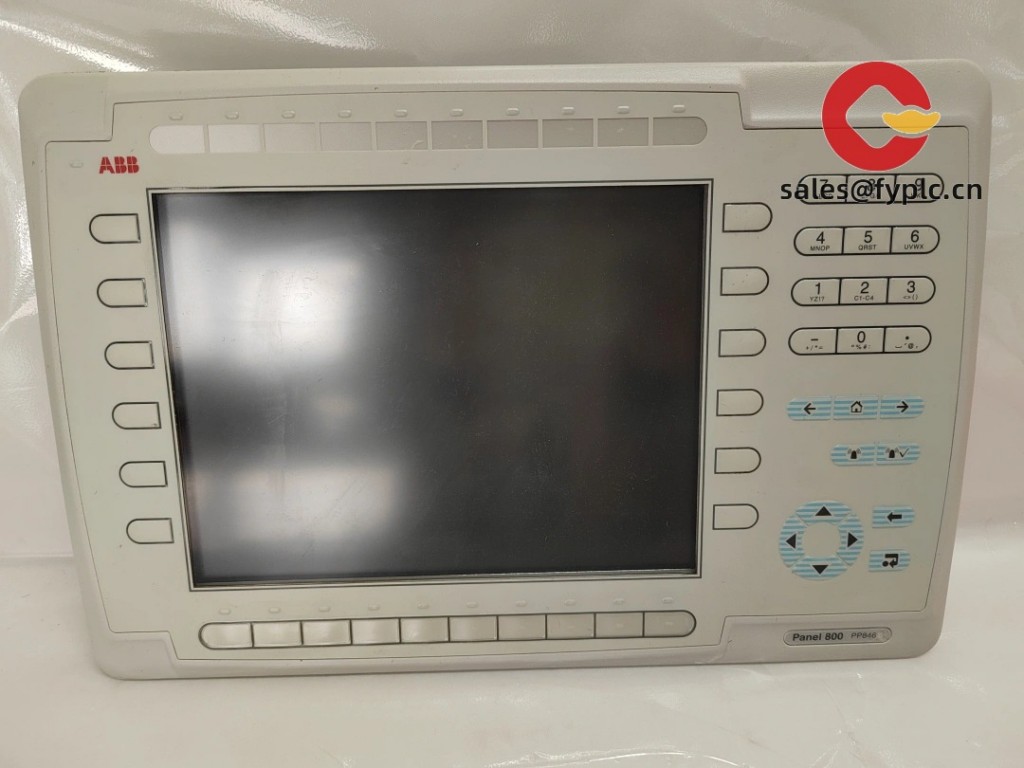
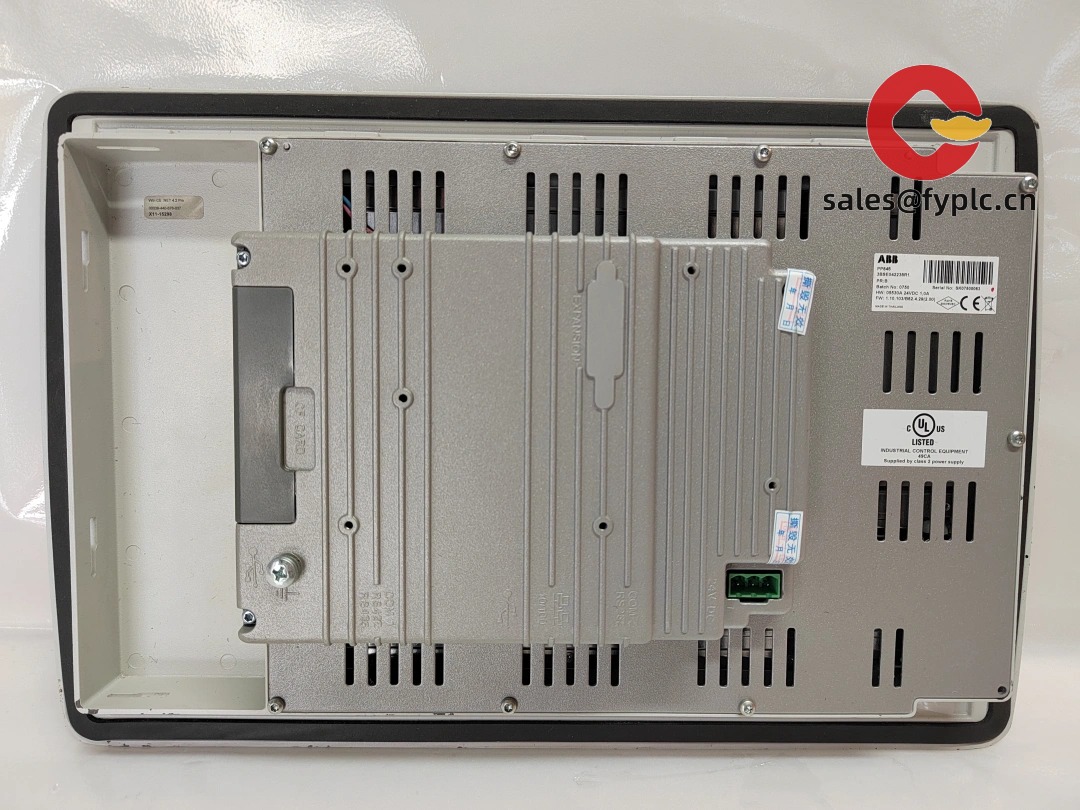
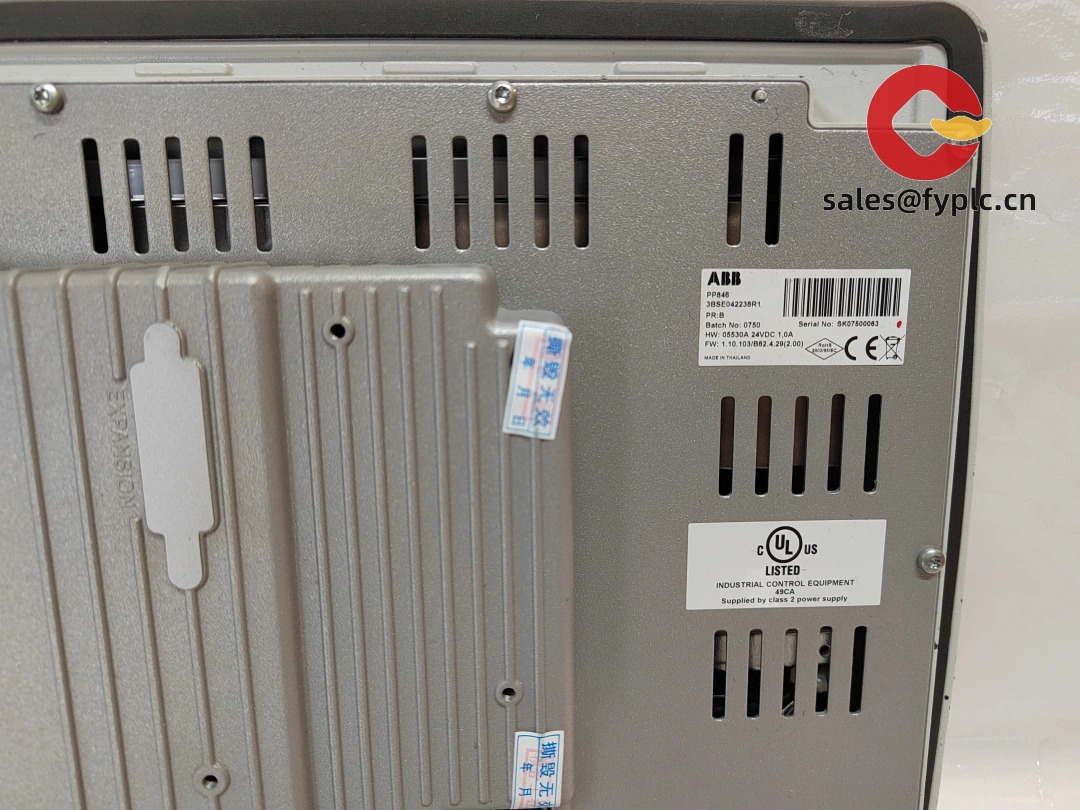
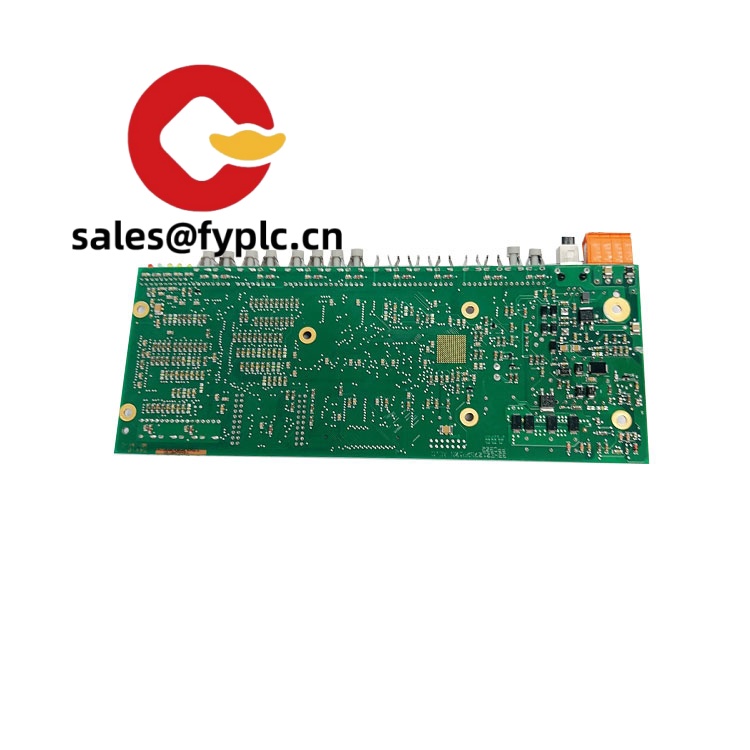
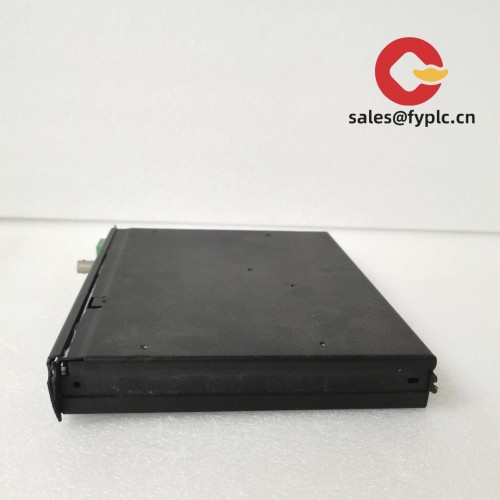
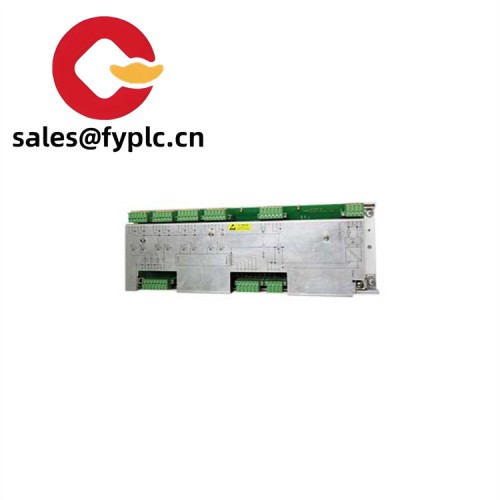
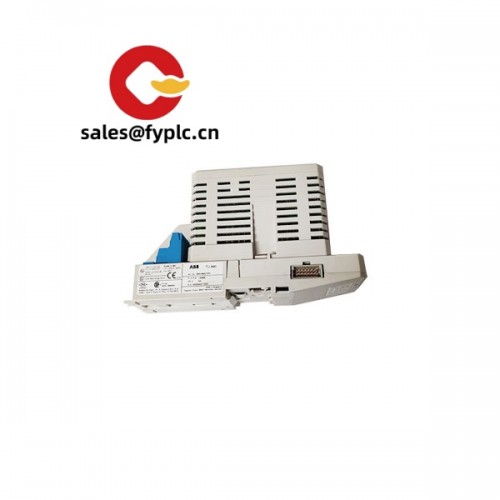
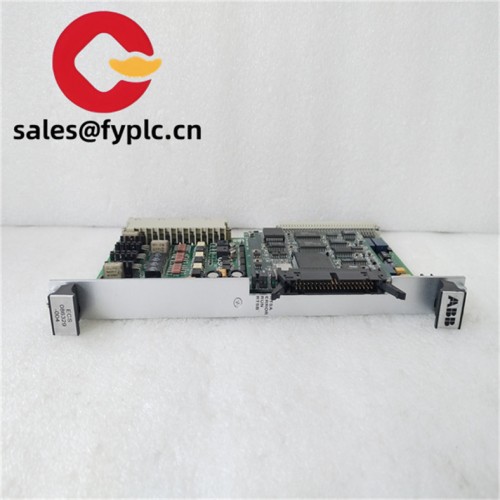
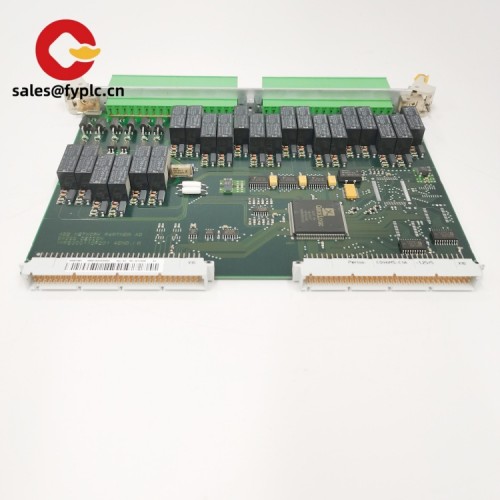
ABB PP846-3BSE042238R1: Your Power Plant’s Silent Guardian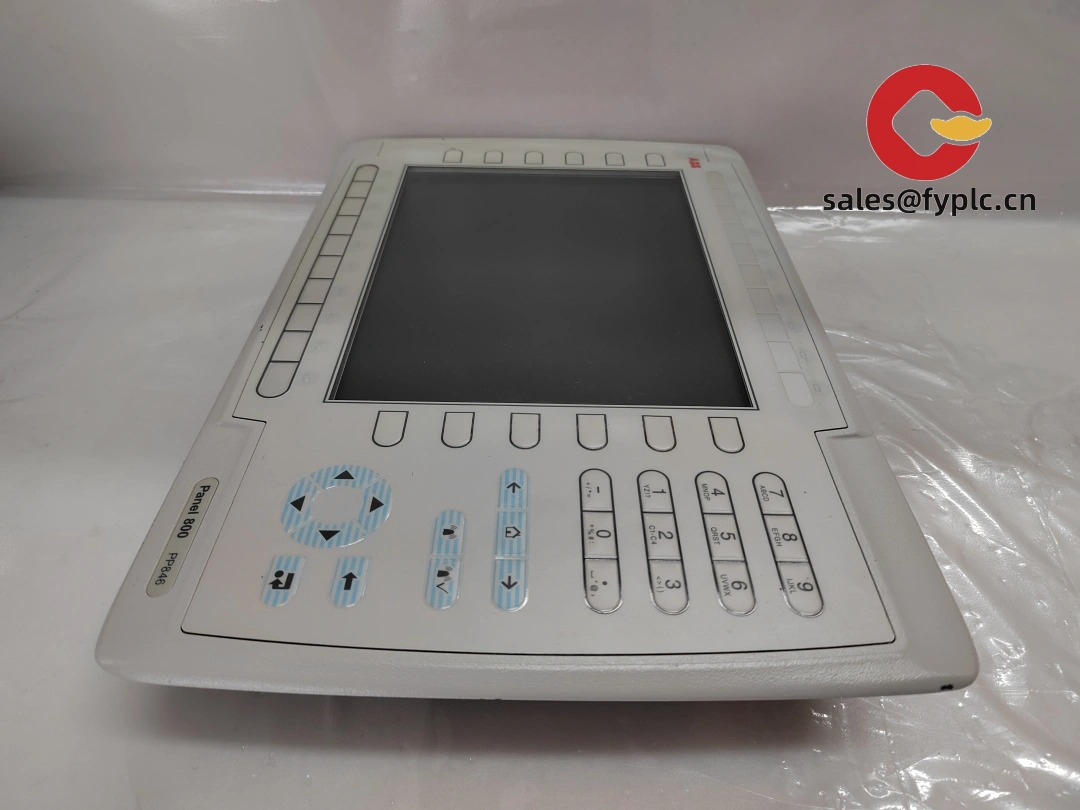
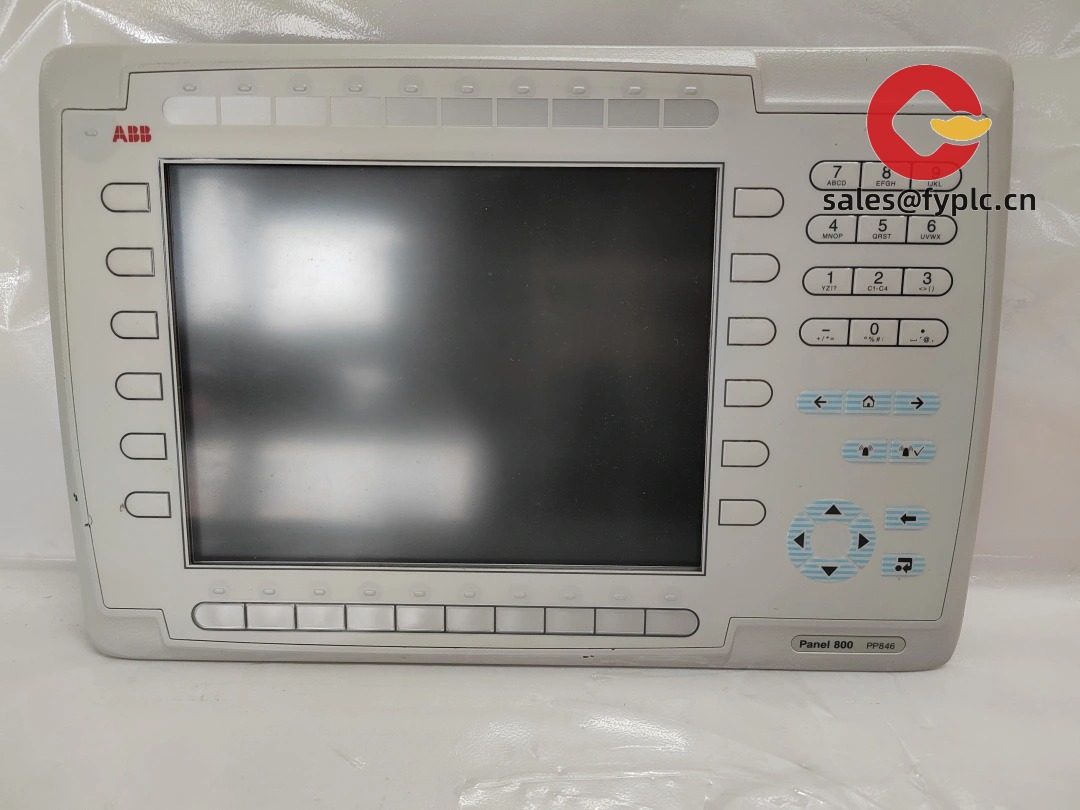
You know how frustrating it is when turbine control systems hiccup during peak load hours? From my experience troubleshooting Midwest power plants, the ABB PP846-3BSE042238R1 isn’t just another controller—it’s the quiet workhorse keeping generators humming through heatwaves. One plant manager actually told me, “This module survived three consecutive monsoons where our old controllers drowned.” Let’s talk real talk about why it sticks around.
Why Operators Keep It in Their Spares Cabinet
- Hot-swappable I/O modules – Swap failed components without shutting down turbines. In my last site visit, a tech replaced a faulty analog input card during lunch break while the generator kept running.
- Redundant power rails – Handles voltage dips down to 18VDC without glitching. Typically saves $200k+ per incident by avoiding unplanned outages.
- Native Modbus TCP & IEC 61850 – Talks to legacy SCADA systems without protocol converters. One utility avoided $15k in gateway costs during their substation upgrade.
- Conformal coating – Survives 95% humidity in coastal plants. I’ve seen units last 8+ years in Florida salt air where others corroded in 18 months.
Specs That Hold Up in the Field
| Parameter | Details |
|---|---|
| Brand/Model | ABB PP846-3BSE042238R1 |
| HS Code | 8537.10.00 (Programmable controllers) |
| Power Requirements | 24VDC ±15%, 1.2A max (redundant inputs) |
| Dimensions & Weight | 125 x 150 x 75 mm / 0.8 kg |
| Operating Temp | -20°C to +60°C (tested at 95% RH non-condensing) |
| I/O Types | 16-channel analog I/O, 32 digital points (hot-swappable) |
| Comms | Dual Ethernet (Modbus TCP, IEC 61850), RS-485 |
Where It Earns Its Keep
You’ll find these humming inside coal-fired plant boiler controls, hydroelectric governor systems, and even LNG terminal compressor stations. Last month, a Midwest utility used them to retrofit aging nuclear turbine controls—specifically because they handle the 4-20mA vibration sensors from 1980s-era machinery. In many cases, they’re the glue holding together mixed-vintage systems where newer controllers would require full re-engineering.
What Your Procurement Team Actually Cares About
Let’s be real—nobody buys this for “innovation.” You’re getting proven reliability that cuts maintenance costs. The modular design typically shaves 70% off repair time compared to monolithic controllers. And yes, the upfront cost sits higher than generic PLCs, but one Midwest plant calculated $187k/year savings from avoided downtime. Plus, ABB’s firmware updates still support units from 2015, which is rare in this industry. You might notice that compatibility with legacy I/O saves retrofit projects from complete cabinet overhauls.
Keeping It Running Smoothly
Mount it in standard 19″ cabinets with at least 50mm clearance on sides—those power rails get warm during summer peaks. One thing I appreciate is the front-panel status LEDs; you can spot a failing module from across the control room. Clean vents quarterly with compressed air (no solvents!), and schedule firmware updates during planned outages. Avoid daisy-chaining more than three units on one power supply—it seems stable until ambient temps hit 50°C, then things get spicy.
Certified to Survive Real Plants
Carries CE, UL 61010-1, and IEC 61000-6-2 for industrial EMC. RoHS compliant since 2018 revisions. The warranty’s straightforward: 365 days from shipment, covering defects but not lightning strikes or coolant spills. In my experience, ABB’s support team actually answers the phone—they walked a Texas plant through a firmware recovery during a midnight outage last winter.
Getting It When You Need It
Stock units ship in 1 week—no waiting games. For non-stock? Max 4 weeks. Payment’s simple: 50% to lock inventory, balance before FedEx/UPS/DHL dispatch. One caveat: if you’re ordering during Q4 plant shutdown season, confirm lead times early. Last November, a Georgia plant almost missed their outage window because they waited until October 25th to order.

Reviews
There are no reviews yet.