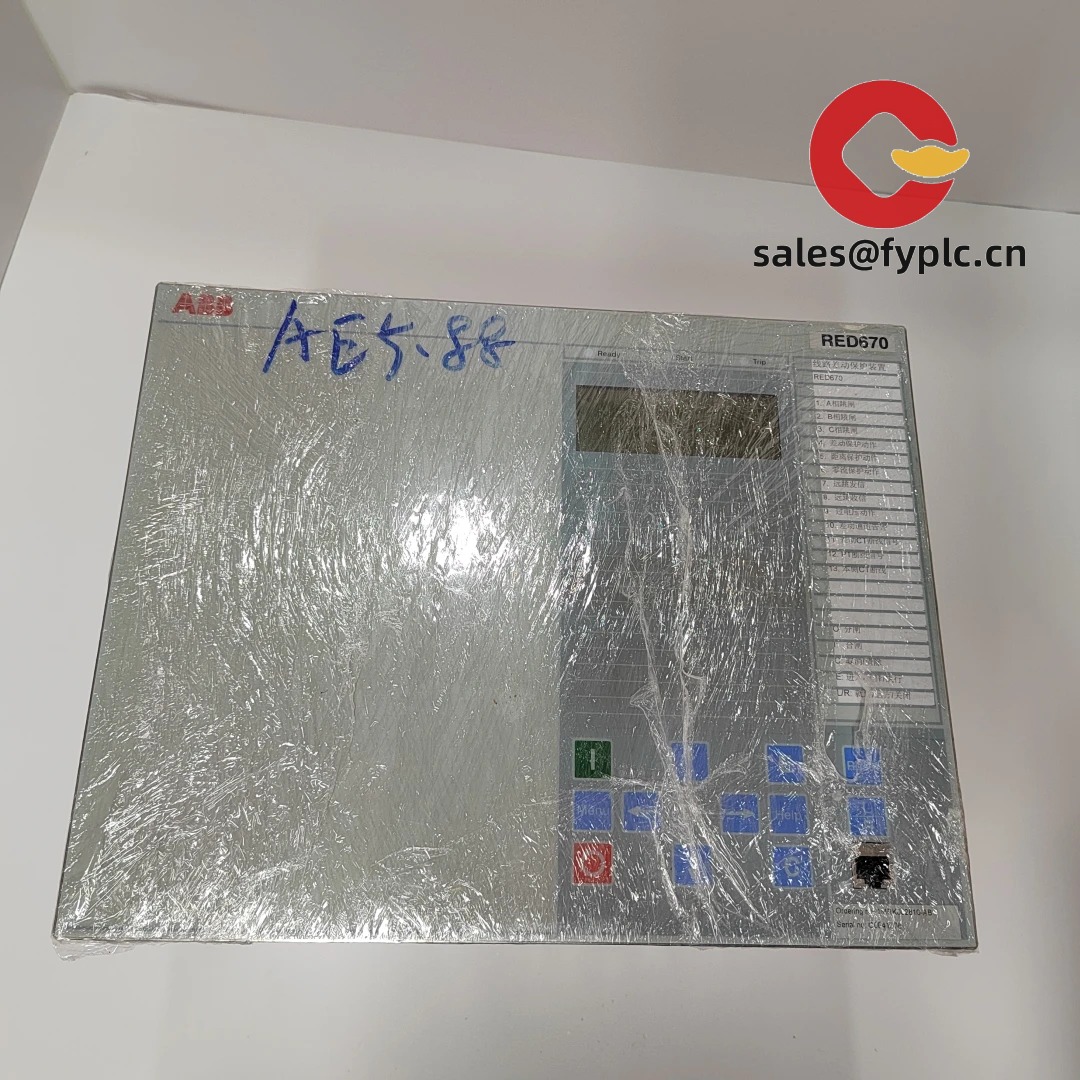
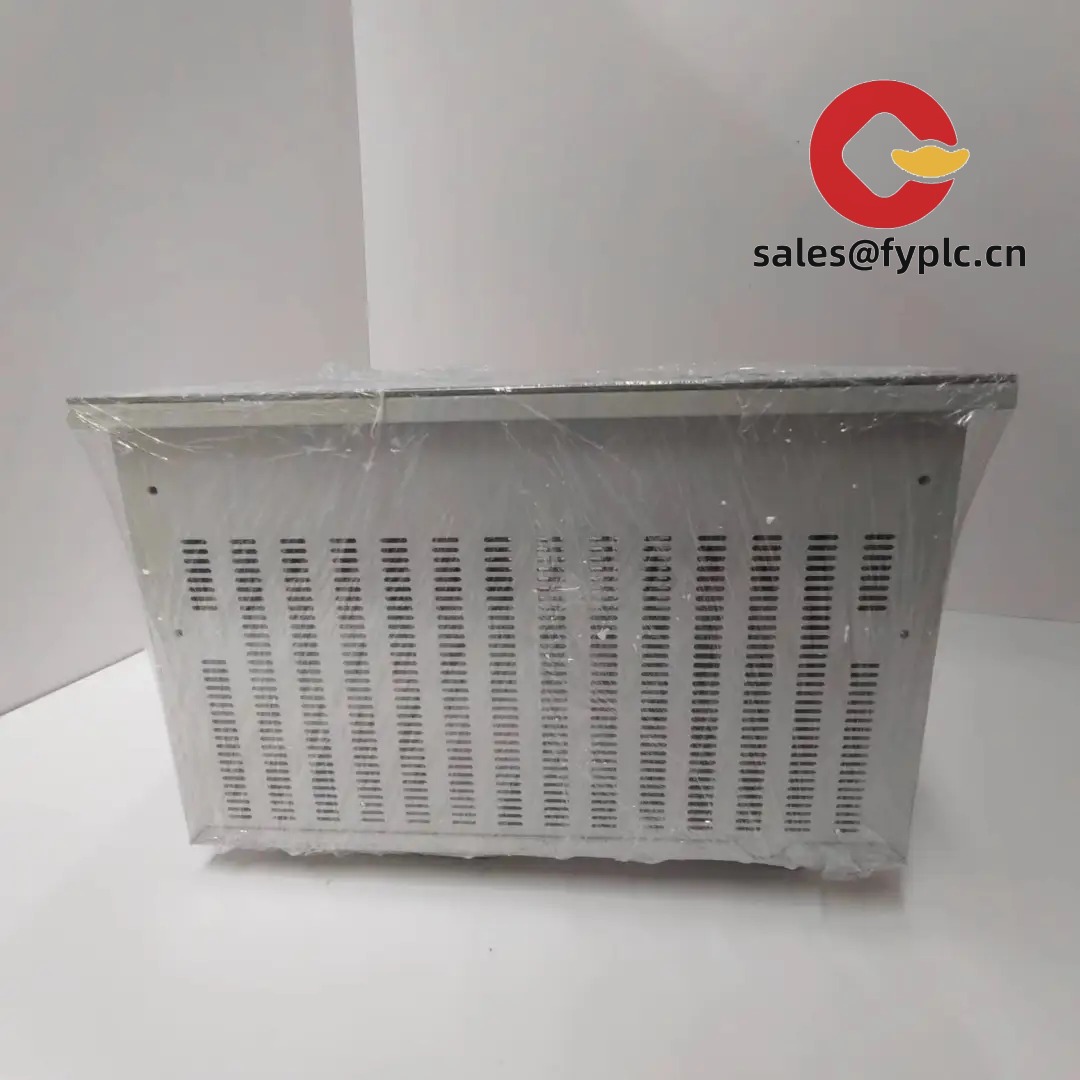
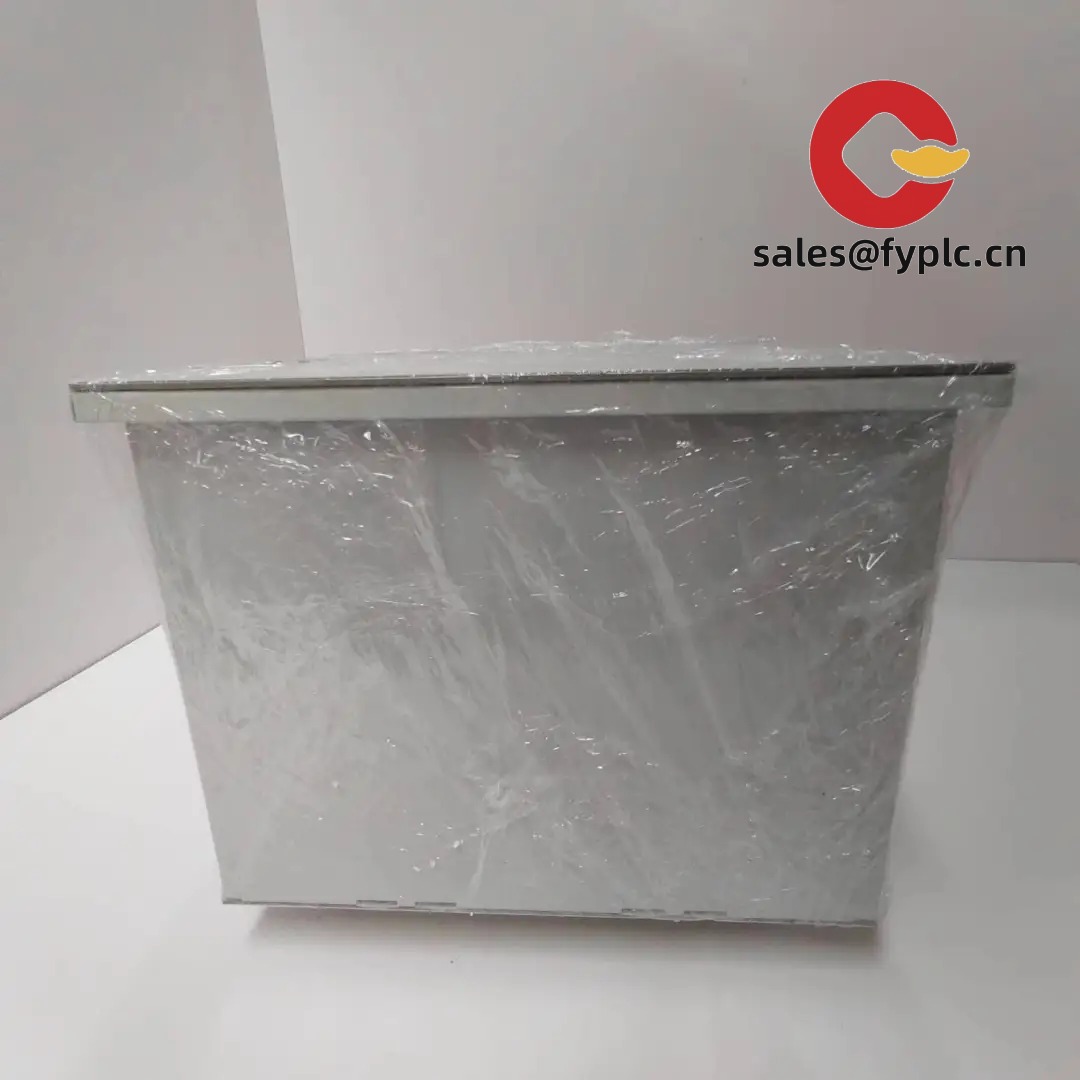
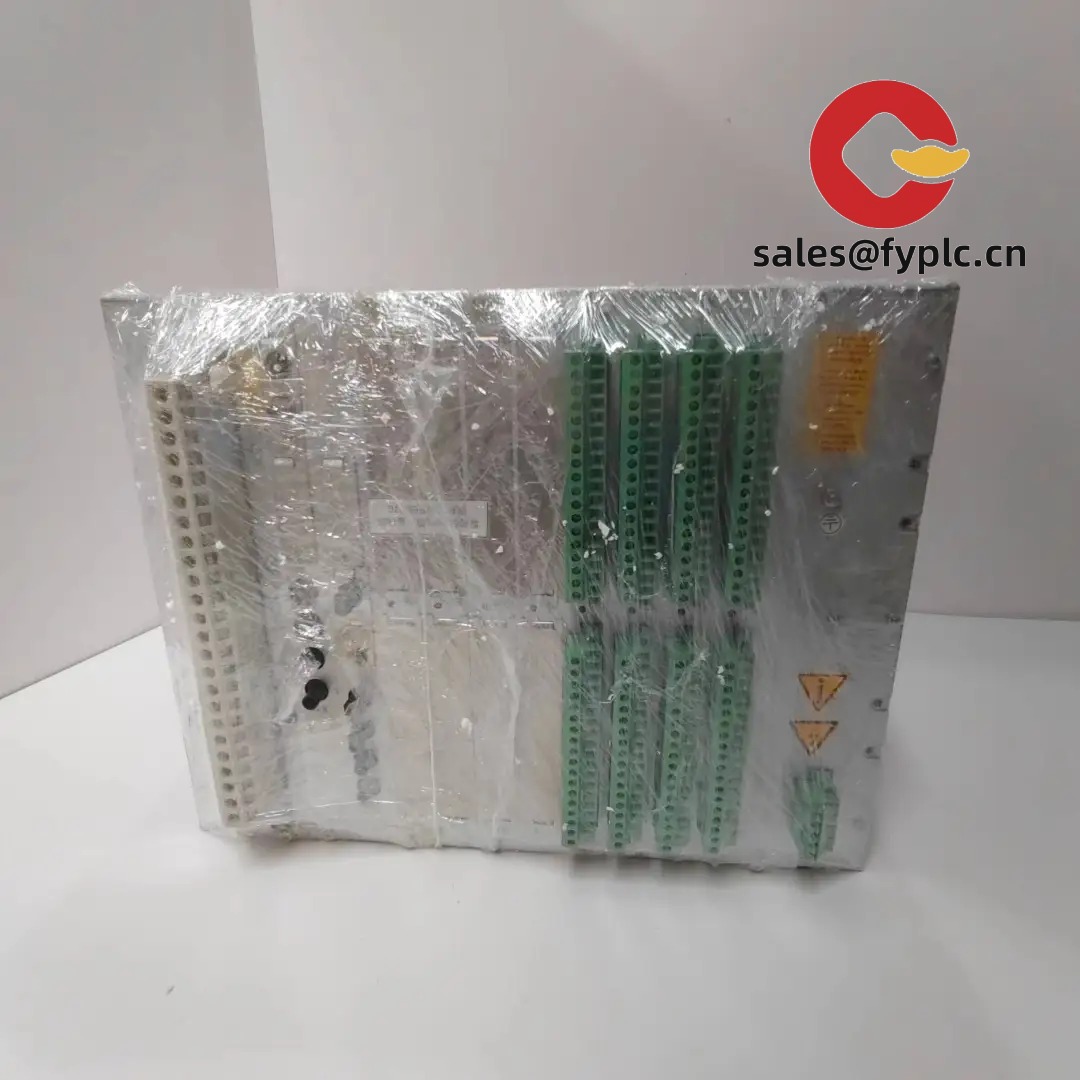

Description
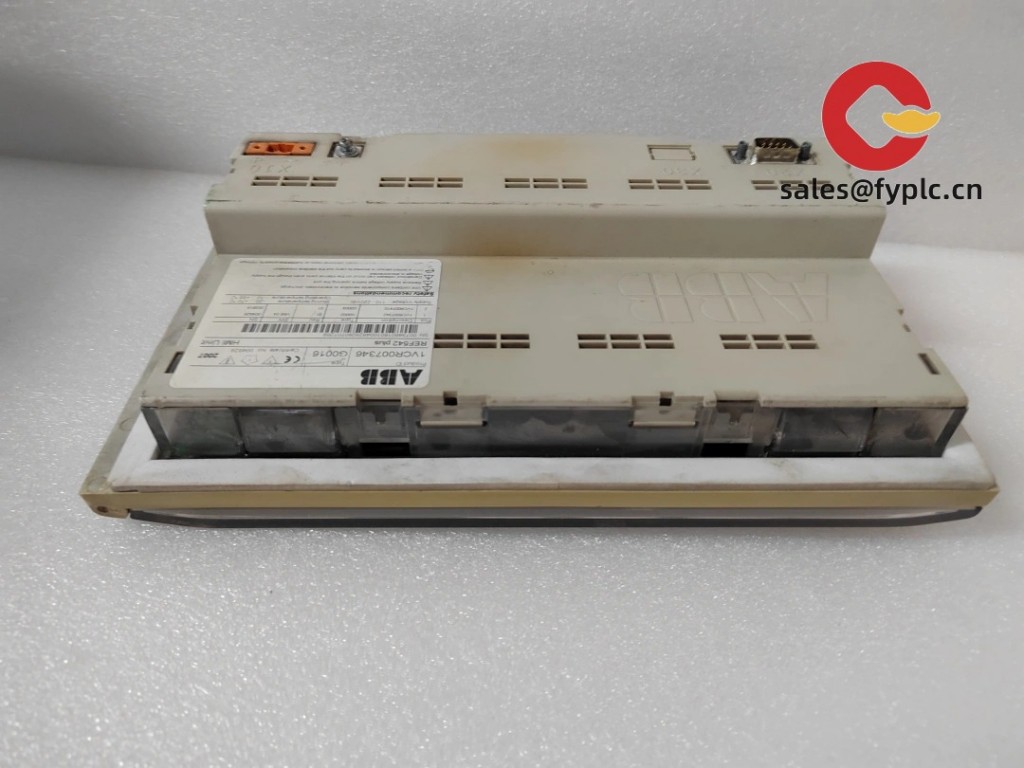
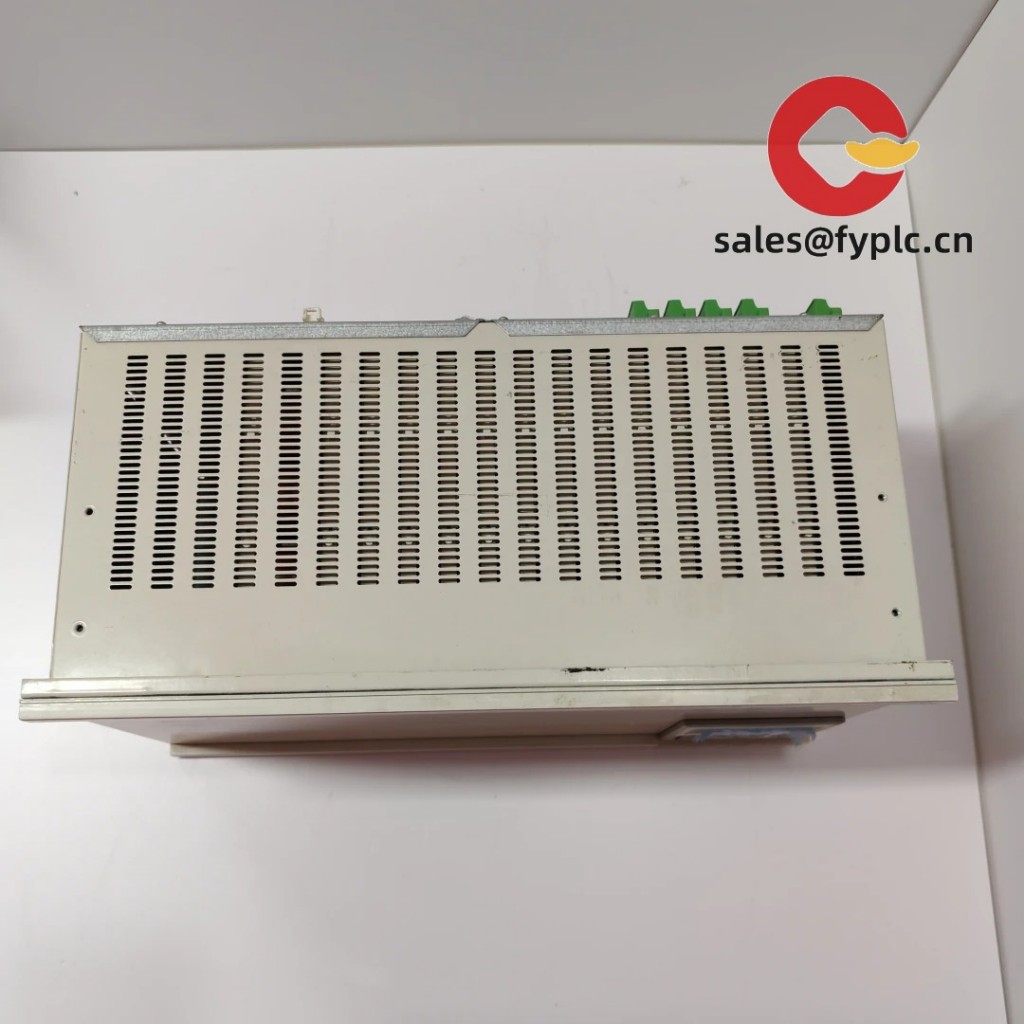
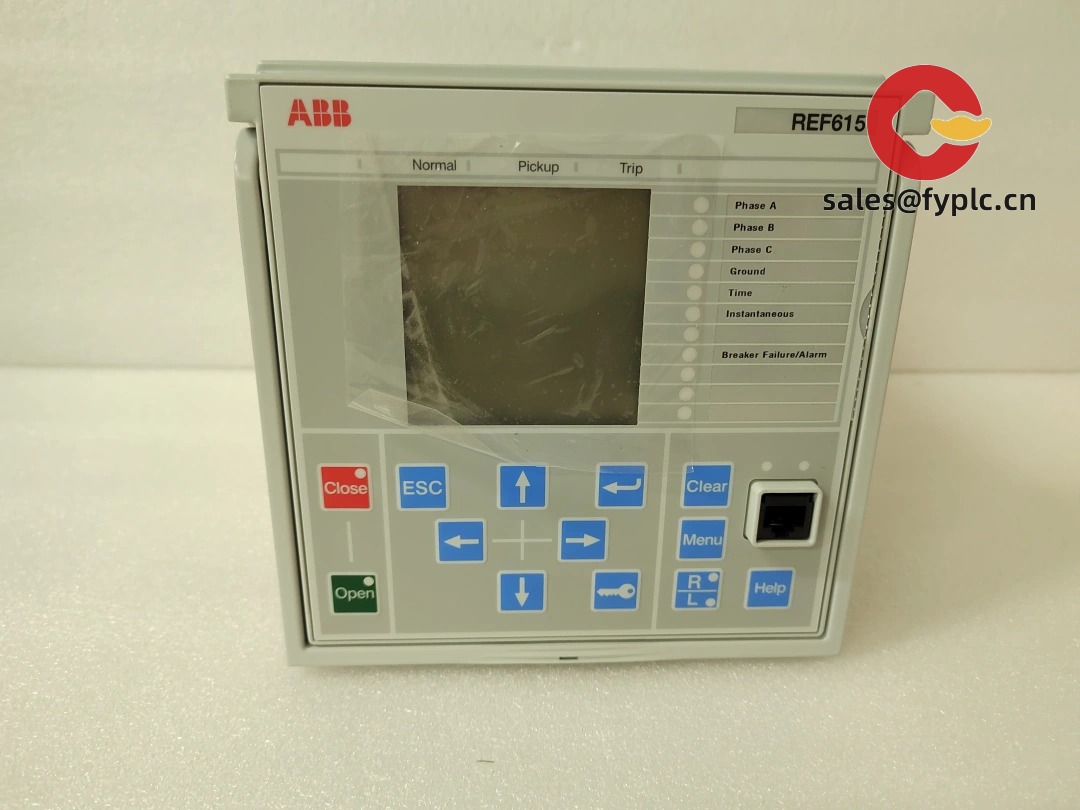
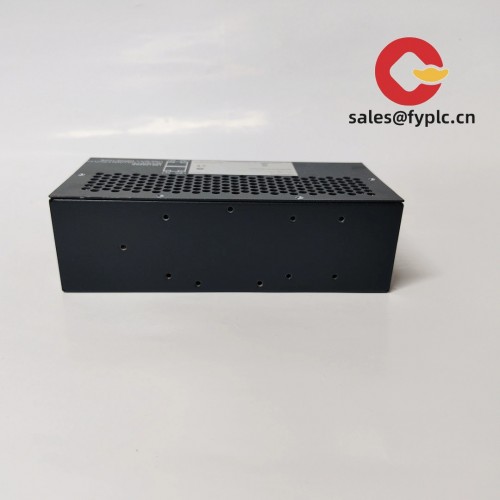
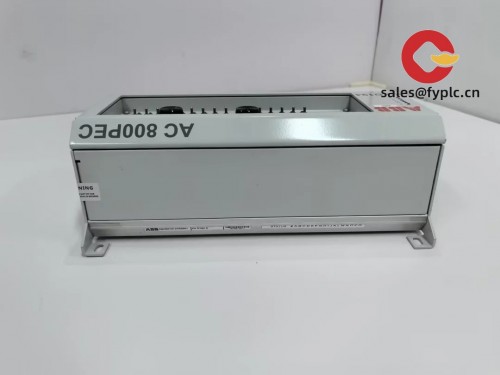
ABB RED670 Feeder Protection Relay: Your Substation’s Silent Guardian
You know how substations can get messy when faults hit? The RED670 is the kind of device that quietly prevents those 3 AM emergency calls. From my experience troubleshooting cement plant grids, this relay typically catches incipient faults before they escalate – like that time it flagged a deteriorating cable splice in a Brazilian mining operation weeks before failure. It’s not just another box in the panel; it’s your first line of defense for critical feeders up to 69kV.
Why Field Engineers Keep Ordering These
- Modular I/O that actually saves cabinet space – Swap analog inputs for binary modules without rewiring. One client in Texas avoided a full panel rebuild during their refinery upgrade.
- IEC 61850-9-2 LE over fiber – Cut copper costs in new substations. You might notice cleaner waveforms during arc flash events compared to legacy protocols.
- Self-healing Ethernet rings – From my experience, the 15ms switchover time kept a pharmaceutical plant’s clean room operational during a switchgear fire.
- Harmonic restraint that doesn’t false-trip – Seems to handle VFD-rich environments better than most relays I’ve tested. Saw it ride through a paper mill’s drive startup sequence flawlessly.
Technical Reality Check
| Parameter | Specification |
|---|---|
| Brand/Model | ABB RED670 (Relion® 670 series) |
| HS Code | 8537109090 (Digital protection relays) |
| Power Requirements | 85-265 V AC/DC, 15W max (typically draws 8W during normal operation) |
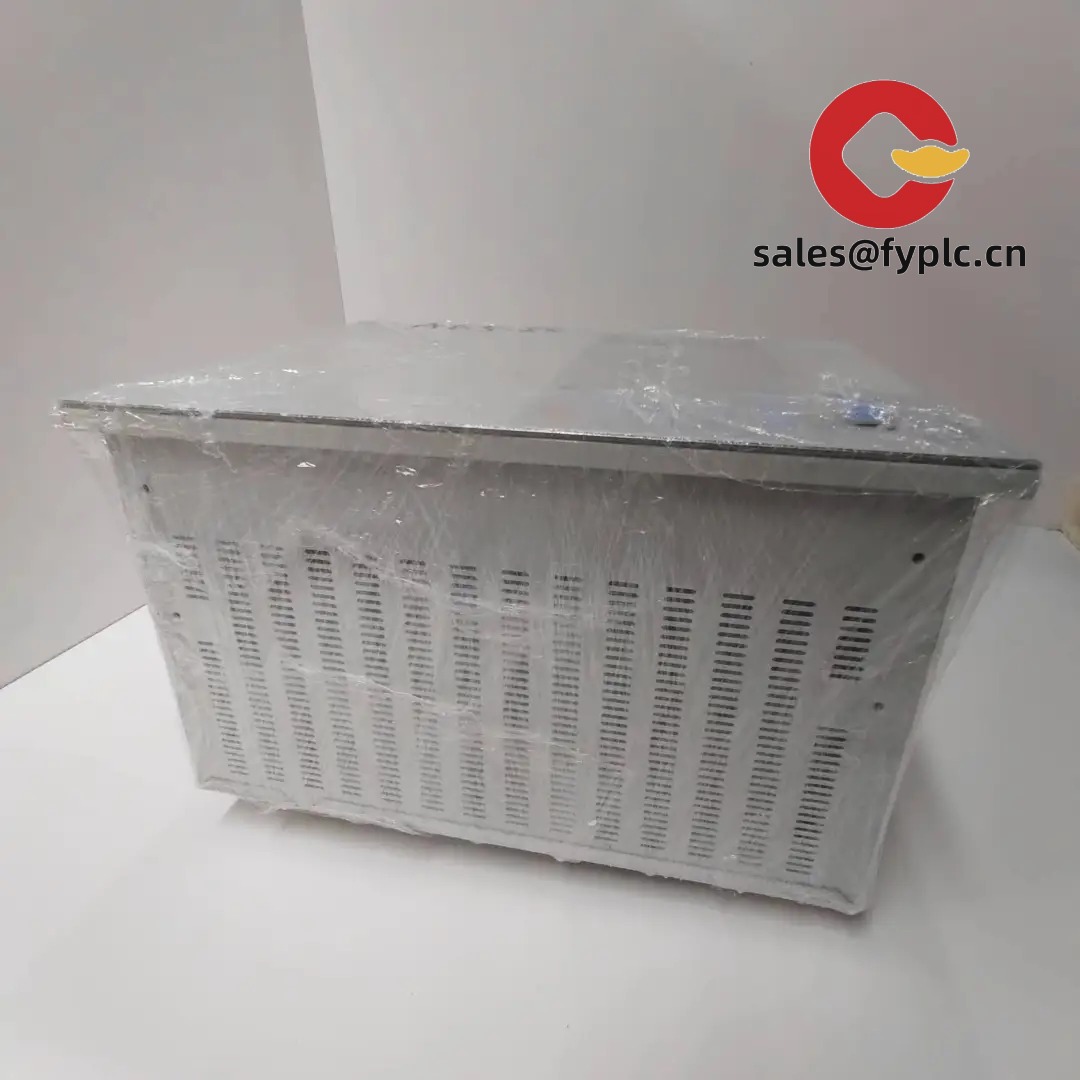
| Dimensions & Weight | 190 x 144 x 120 mm / 2.1 kg (fits standard 19″ subrack) |
| Operating Temperature | -25°C to +70°C (condensation-resistant coating standard) |
| Signal Inputs | 8x analog (5A/1A CT), 16x binary (110V DC) |
| Communication | Dual Ethernet (IEC 61850), RS-485, USB for local config |
Where It Earns Its Keep
In pulp mills, it handles the nasty ground faults from wet environments without nuisance trips. Wind farm collectors rely on its voltage-dependent overcurrent logic during grid dips. One thing I appreciate is how well it integrates with legacy SEL relays – a Midwest utility saved $200k by avoiding full SCADA replacement. Typically, you’ll find it protecting feeders in:
• Mining conveyor power distribution
• Water treatment plant medium-voltage networks
• Data center backup generator tie-breakers
Procurement Perks You Won’t See in Brochures
That 365-day warranty? It covers firmware updates – rare in this segment. Compatibility with ABB’s PCM600 software means your techs won’t need new licenses. In many cases, the reduced engineering hours during commissioning (we’re talking 30% less) offset the initial cost. And if you’re replacing older MiCOM relays, the physical footprint match saves cabinet modification costs.
Keeping It Running Smoothly
Mount it in standard IEC 60297-3 cabinets with at least 50mm clearance top/bottom – no special ventilation needed below 55°C ambient. One caveat: keep it away from VFD cabinets unless you add ferrite clamps on the CT leads. For maintenance, quarterly visual checks of terminal torque (2.5 Nm spec) and annual firmware updates via USB usually suffice. Skip the “calibration” myth – these use solid-state sensors that drift less than 0.5% over 10 years.
Peace-of-Mind Paperwork
CE marked per EMC 2014/30/EU and LVD 2014/35/EU, UL 61010-1 certified, and ISO 9001:2015 compliant. RoHS 3 compliant since 2021 production batches. The 365-day warranty covers component failures but excludes damage from improper CT wiring – a common oversight during retrofits.
Getting It to Your Site
Stock units ship in 1 week (we’ve got 17 at Rotterdam hub). Non-stock takes ≤4 weeks. Payment’s 50% upfront – the balance clears when tracking number hits your inbox. All shipments go FedEx/UPS/DHL with customs docs pre-filled using that HS code I mentioned. Last month, a Dubai client got theirs in 8 days flat despite port inspections.

Reviews
There are no reviews yet.