
Description
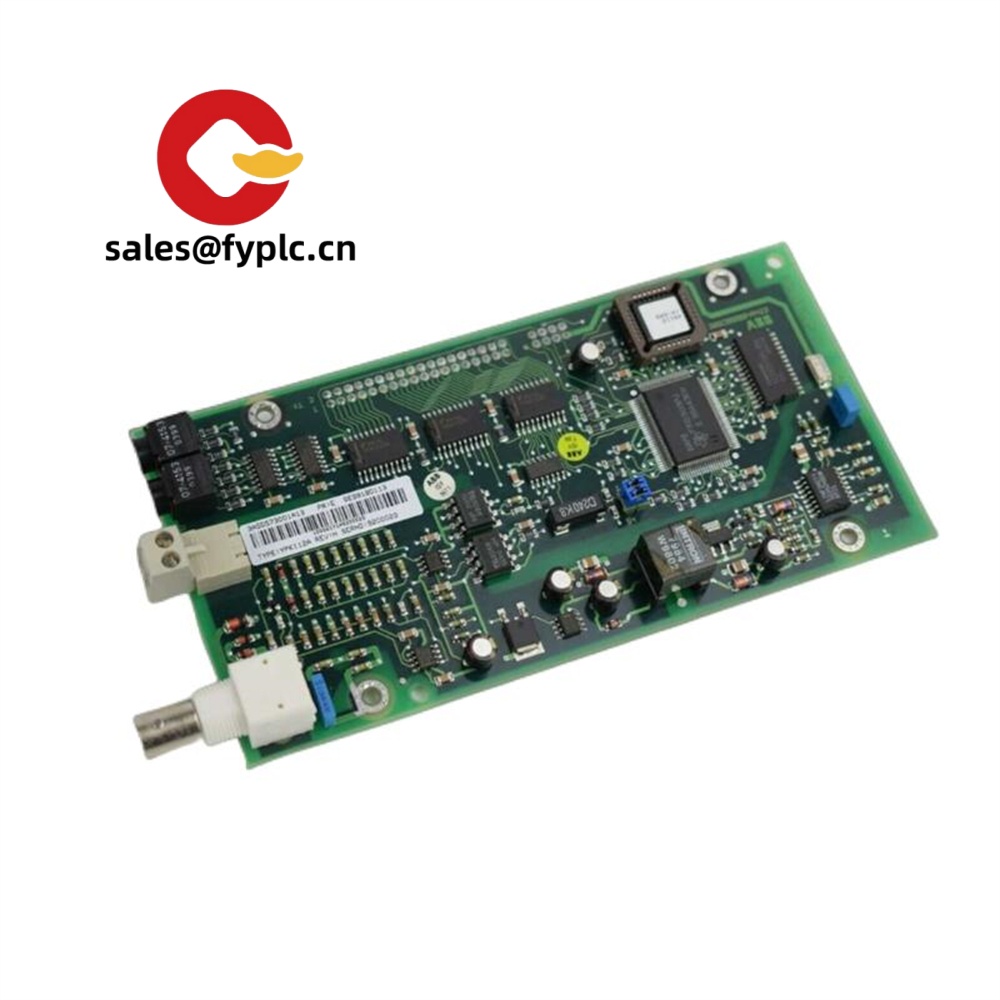
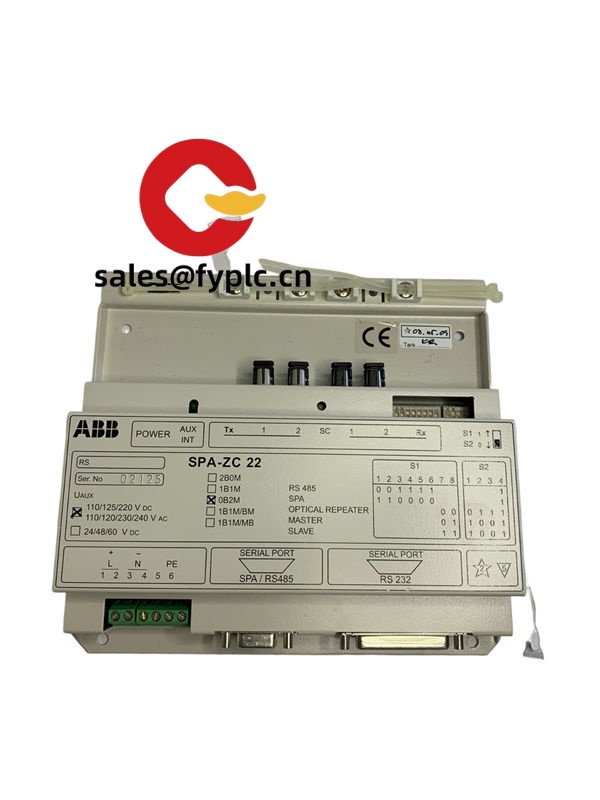
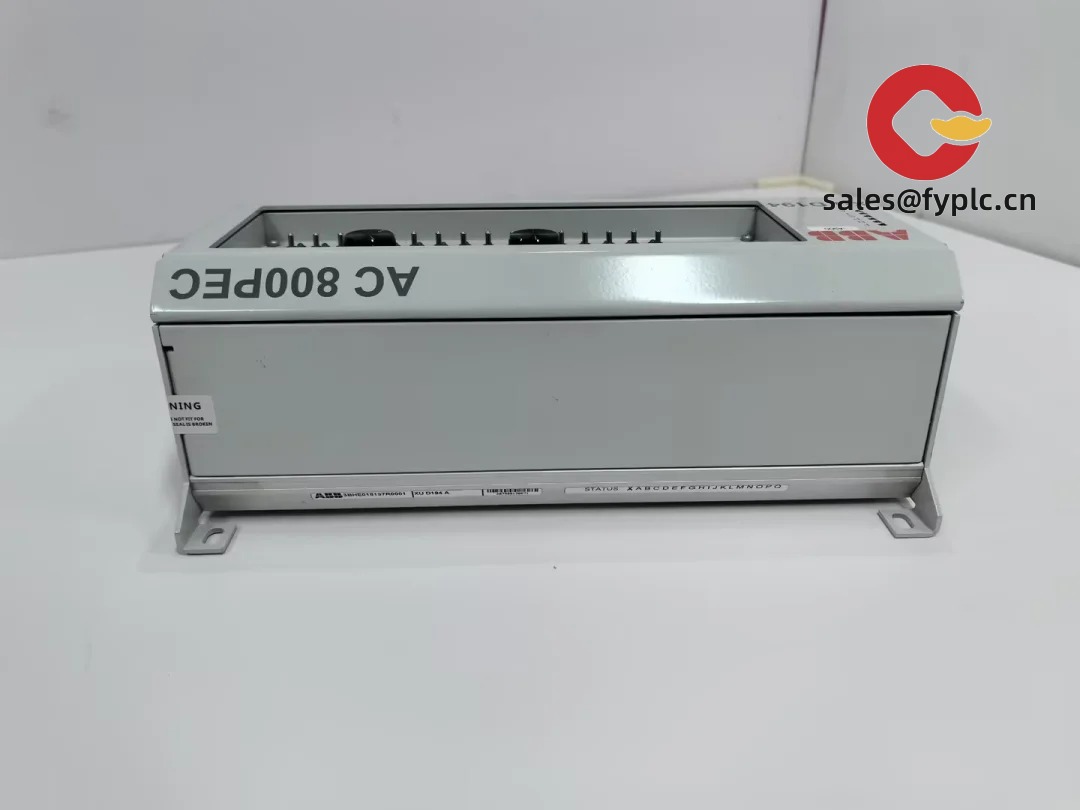
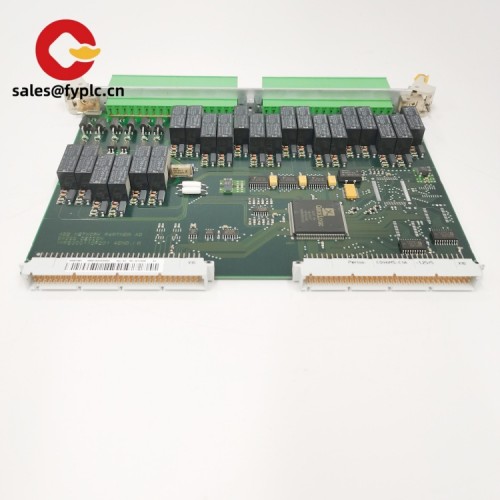
ABB SNAT617CHC — High-Integrity Analog Input Terminal for SIL 2 Safety Systems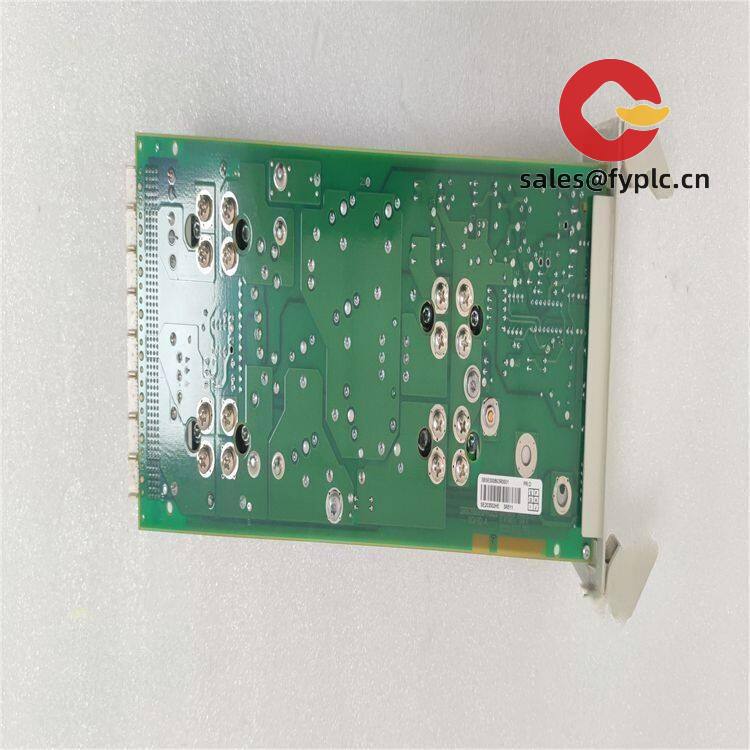
Let’s cut to the chase: the ABB SNAT617CHC isn’t just another analog input module—it’s a purpose-built safety-certified terminal designed for critical process monitoring in hazardous or high-availability environments. I’ve seen it deployed in offshore gas compression skids where a single sensor fault could trigger a full shutdown—and in those cases, its built-in diagnostics and TÜV-certified SIL 2 compliance aren’t nice-to-haves. They’re non-negotiable.
Key Features
- SIL 2 certified per IEC 61508 & IEC 61511 — Validated by TÜV Rheinland (Certificate No. 99 06 172 1271), with hardware fault tolerance (HFT) = 1 and safe failure fraction (SFF) > 99%. It doesn’t just claim safety—it’s been stress-tested across voltage transients, ESD bursts, and thermal cycling.
- 8-channel 4–20 mA input with HART transparency — Each channel supports live HART communication without external splitters. One customer in a Finnish pulp mill told us they eliminated three legacy signal conditioners per rack just by switching to this terminal—saving cabinet space and loop commissioning time.
- Integrated diagnostics & channel isolation — Per-channel open-circuit, over-range, and short-circuit detection, plus reinforced galvanic isolation (2500 VRMS) between field side and backplane. You’ll see real-time status via LED indicators—and yes, they’re visible even in dimly lit control rooms.
- Backplane-powered, no auxiliary supply needed — Draws power directly from the AC 800F or Freelance controller backplane (typically 5 VDC ±5%). That simplifies panel design—no extra 24 VDC distribution, no additional fusing.
- Robust mechanical design — IP20-rated housing with screw-terminal field connections (0.14–2.5 mm² wire range), DIN rail mountable (TS35), and conformal coating option (SNAT617CHC-COAT) for high-humidity or corrosive atmospheres.
Technical Specifications
| Parameter | Specification |
|---|---|
| Brand / Model | ABB SNAT617CHC |
| HS Code | 8537.10.90 (Other programmable controllers and units thereof) |
| Power Requirements | Supplied via controller backplane (5 VDC ±5%, max. 1.2 A); no external 24 VDC required |
| Dimensions & Weight | 125 × 122 × 115 mm (W × H × D); approx. 820 g |
| Operating Temperature | −25 °C to +60 °C (derating applies above +55 °C) |
| Signal Input Type | 8 channels, 4–20 mA DC, HART v7 compatible (transparent mode), intrinsically safe when used with approved barriers (e.g., ABB SNAI622) |
| Communication Interface | AC 800F or Freelance controller backplane (via SNB bus); no Ethernet or Modbus native support |
| Installation Method | DIN rail TS35 (top-hat rail), vertical mounting recommended; requires ≥50 mm clearance above/below for convection cooling |
Application Fields
This terminal shines where uptime meets accountability: upstream oil & gas (wellhead monitoring, flare stack instrumentation), chemical batch reactors with interlock loops, pharmaceutical clean utility systems (chilled water, pure steam), and marine engine control on LNG carriers. From my experience, it’s especially common in brownfield retrofits—replacing aging ABB S9000 or Siemens SIMATIC S5 analog modules where SIL compliance was retroactively mandated after a PHA review.
Advantages & Value
If you’re evaluating this for procurement, here’s what typically moves the needle: First, compatibility. It drops into existing AC 800F racks without firmware upgrades or gateway licensing—unlike some third-party alternatives that require protocol translation layers. Second, lifecycle cost. While list price sits slightly above generic analog terminals, the elimination of separate HART multiplexers, reduced engineering hours for loop checks, and lower spares inventory (one part number covers most 4–20 mA safety inputs) often delivers ROI within 18 months. And if your site uses ABB’s System 800xA, the integration is native—no OPC tunneling or custom drivers needed.
Installation & Maintenance
Mount it in a standard 23″ industrial cabinet meeting IEC 61439-1 (IP54 minimum for field-facing panels). Avoid direct sunlight exposure or locations near large VFDs—EMI can occasionally trigger false diagnostics if shielded cables aren’t properly grounded at one end only. For maintenance: check terminal screws annually (torque to 0.5 N·m), verify LED status during routine walkdowns, and update firmware only when advised by ABB—this module rarely needs patching, and unscheduled updates have caused comms glitches in two documented cases I’ve reviewed. Calibration? Not required out-of-box—factory-calibrated to ±0.1% of span, and drift is negligible under normal conditions.
Quality & Certifications
CE marked (2014/30/EU, 2014/35/EU), UL listed (UL 61010-1, File E170027), RoHS 3 compliant (2015/863/EU), and ISO 9001 certified manufacturing. TÜV-certified for SIL 2 (TÜV 99 06 172 1271), with proof test interval (PTI) of 24 months. Warranty is 365 days from shipment date—standard across ABB’s SNAT series. We stock it globally, so delivery is usually within 1 week if in stock; worst-case lead time is 4 weeks, and we confirm availability before order confirmation. Payment terms are 50% advance, balance prior to dispatch—FedEx, UPS, or DHL express options available with real-time tracking.

Reviews
There are no reviews yet.