
Description
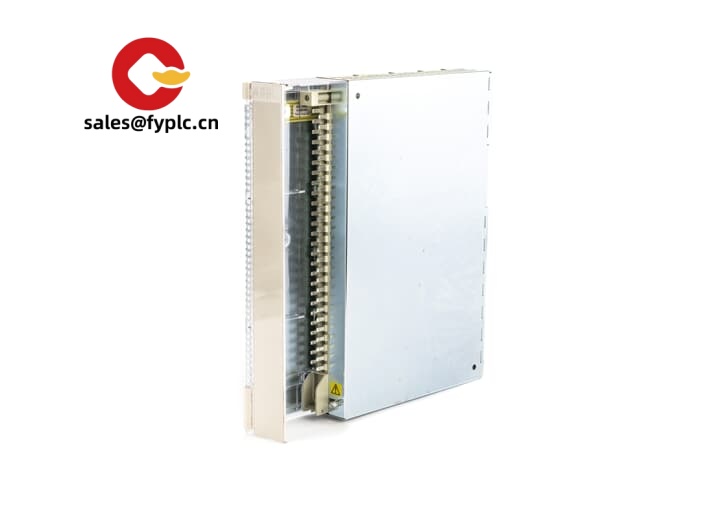
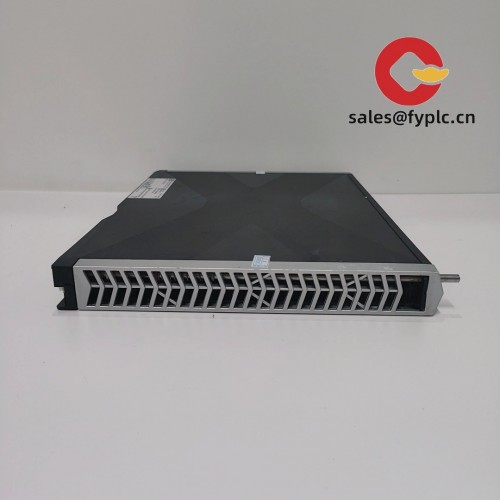
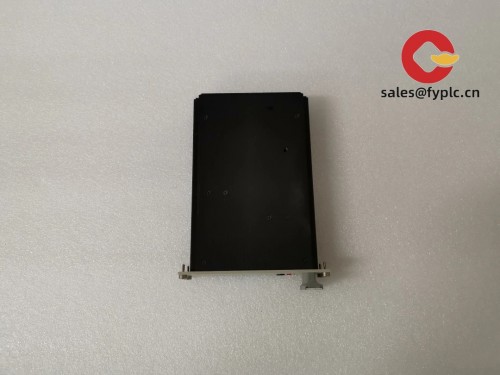
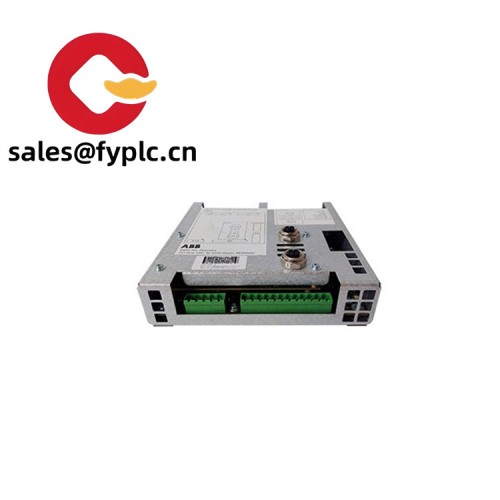
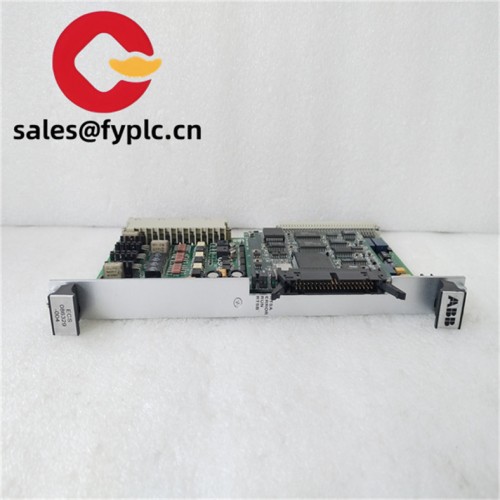
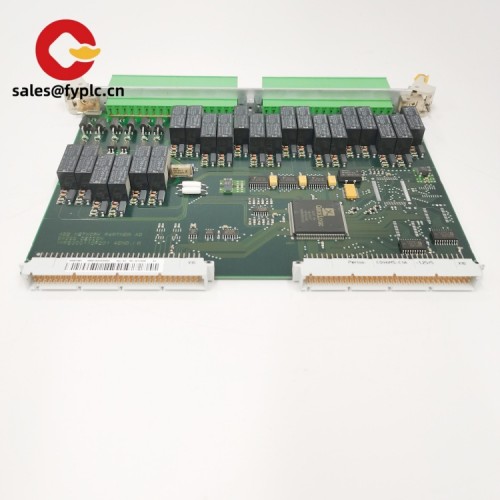
ABB SPICT13A – Communication Interface Module for Industrial Control Networks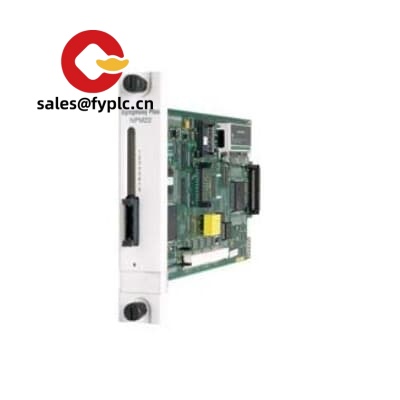
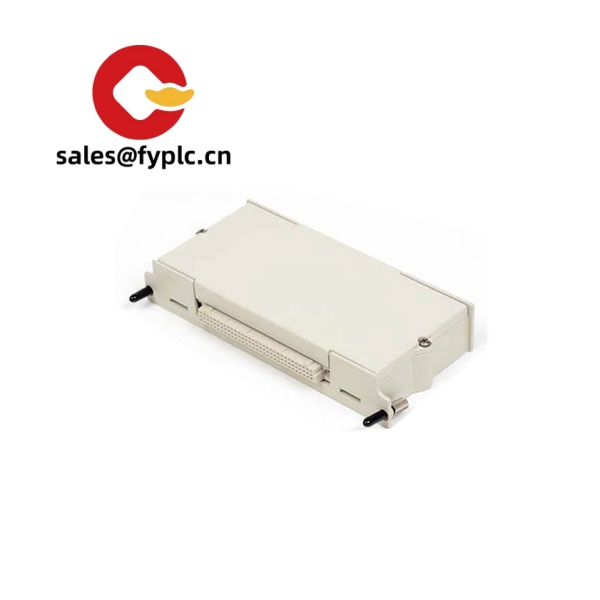
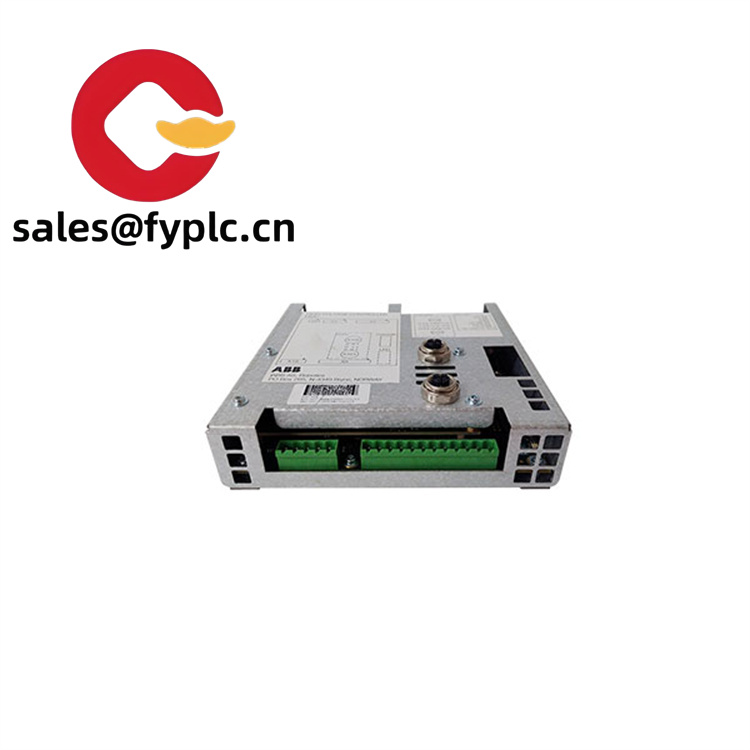
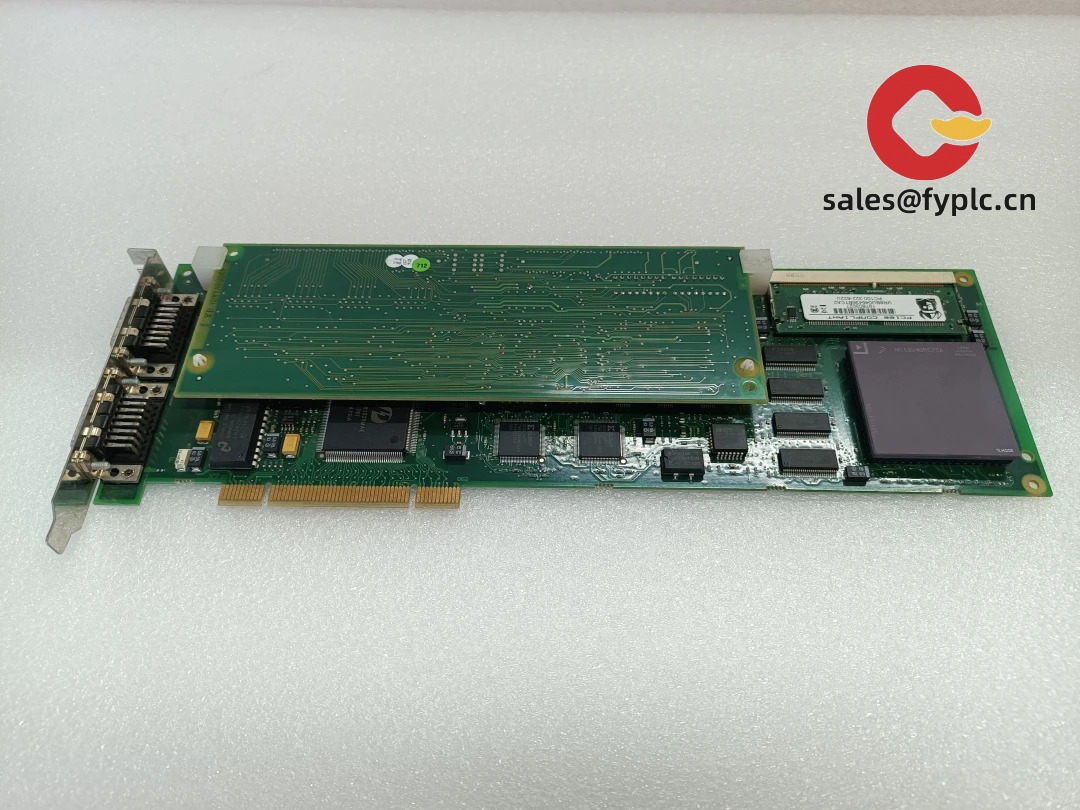
The ABB SPICT13A is a plug-in communication interface module designed for stable, long-life operation in process control environments. From my experience, SPICT-series boards are typically used as interface/coupler modules between a controller backplane and a plant network, helping engineers link operator stations, historians, and third‑party systems without disturbing running units. If you’re maintaining legacy ABB architectures, this model seems to be a reliable drop‑in option to keep systems communicating smoothly with minimal downtime.
Our Order Placement Process and Guarantees
- Warranty: 365 days
- Delivery time: 1 week if in stock; no more than one month at the latest
- Payment: 50% advance payment, full payment before delivery
- Express options: FedEx, UPS, DHL
Key Features
- Backplane-powered design – Typically draws low power directly from the system rack, so no external PSU is needed.
- Stable communications for DCS/PLC networks – Helps bridge controllers and plant-level systems; useful for legacy modernization and maintenance.
- Slot-in, service-friendly form factor – Installs into a standard ABB rack position; front screws and guided rails keep it straightforward.
- Status indicators for quick diagnostics – You might notice clear LED states that make fault tracing faster during shift checks.
- Designed for cabinet environments – Typically performs best in conditioned control rooms, with proper ventilation and EMC practices.
- Supports lifecycle extensions – In many cases, it allows you to keep existing I/O and controllers online while upgrading higher-level systems.
Technical Specifications
| Brand / Model | ABB SPICT13A |
| Product Type | Communication interface module for process control networks (rack-mounted) |
| HS Code | 853890 (Parts for electrical control/switching apparatus) |
| Power Requirements | Backplane-supplied; typically 5 VDC from system rack, approx. <10 W (varies by system revision) |
| Dimensions & Weight | Standard single-width ABB rack module; typical weight <0.6 kg |
| Operating Temperature | 0 to 60 °C recommended for cabinet-mounted operation |
| Signal I/O Types | Backplane system bus; front connectivity depends on revision (commonly plant-network port and service access) |
| Communication Interfaces | Model-dependent; typically used to couple rack controllers to plant networks (e.g., DCS network or gateway link) |
| Installation Method | Plug-in module; fits standard ABB rack slot; front-panel retention screws; ESD-safe handling required |
Related or Supporting Products
- ABB INICT13A – Computer transfer/interface module used to link control networks with host systems; often paired in legacy ABB DCS environments.
- ABB INNIS01 – Network interface module for plant network connectivity; helpful when segmenting or extending network nodes.
- ABB INNPM12 – Network processor module; provides higher throughput and diagnostics in complex networks.
- Rack power supplies and backplanes – Ensure the installed rack PSU capacity covers additional modules with margin.
- Shielded cables and BNC/RJ45 accessories – Choose connectors and cables matched to the module’s specific front interface.
Installation & Maintenance
- Cabinet & environment – Install in a clean, dry control cabinet with adequate airflow. Keep ambient temperature within 0–60 °C. Avoid direct vibration; use proper grounding.
- Wiring & EMC – Use shielded cables for network runs, maintain separation from high‑voltage lines, and bond shields at a single point to reduce ground loops.
- Backplane & slotting – Confirm slot assignment and addressing before insertion. Power down if the system is not designed for online replacement; with redundant pairs, online swap may be possible in most cases.
- ESD handling – Wear a wrist strap, keep the module in antistatic packaging until install, and avoid touching exposed circuitry.
- Routine checks – Inspect connectors quarterly, clean dust with dry air, review LED status after startups, and log firmware/revision levels. Firmware updates should follow your site’s MOC procedure.
- Spares strategy – Keeping one tested spare on the shelf typically shortens recovery time dramatically during unplanned events.
Quality & Certifications
- Manufactured to industrial standards; typically CE compliant with EMC/low-voltage directives
- UL/CSA recognition is common for ABB control modules used in North America
- Produced under ISO 9001 quality systems
- RoHS status may vary by production year; many legacy units operate under applicable exemptions
- Covered by our 365‑day warranty; each unit is functionally checked before dispatch and packed in ESD‑safe materials
Customer note: One thing I appreciate is how these interface modules simplify phased upgrades. A maintenance manager at a chemical plant told us the module drop‑in kept their historian online during a DCS OS refresh, saving a weekend shift and a lot of nerves. Results vary by site design, but that’s typically the kind of practicality teams are after.

Reviews
There are no reviews yet.